
Key Facts
- Annual herb in the aster family with small daisy-like flower heads.
- Flower heads are aromatic and commonly used to make chamomile tea.
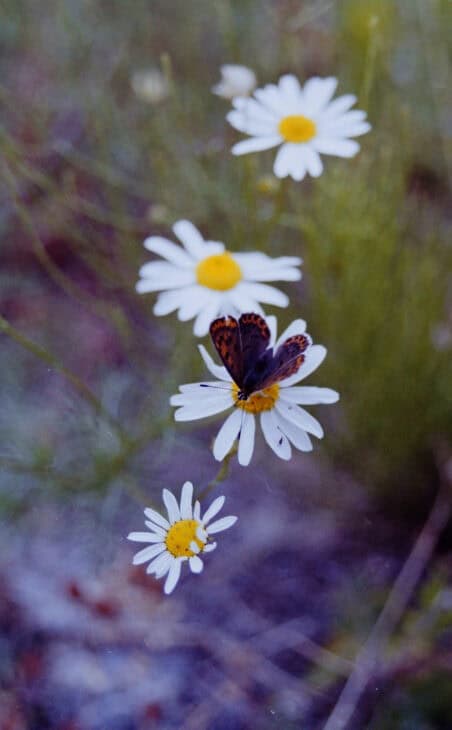
- Attracts bees and other pollinators when in bloom.
- Readily self-seeds and can form loose colonies from volunteers.
- Prefers well drained soil and performs best in full sun.
- Often grown as a cool-season annual in temperate gardens.
- Can cause allergic reactions in people sensitive to ragweed and other Asteraceae.
- Easily propagated by seed and usually sown in spring or early summer.
German Chamomile (Matricaria chamomilla) is a fragrant annual herb with small daisy-like flower heads used for herbal tea and garden borders. It blooms in the warmer months, attracts pollinators and readily self-seeds, so plant it where volunteers are welcome or where you can remove spent flowers.
Identification
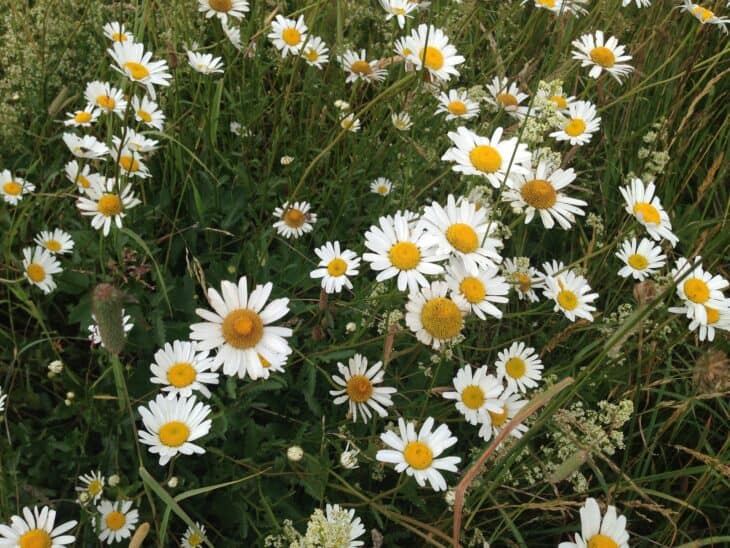
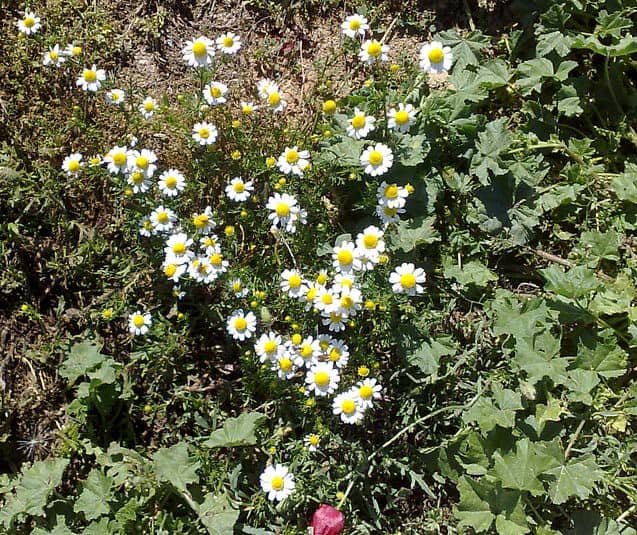
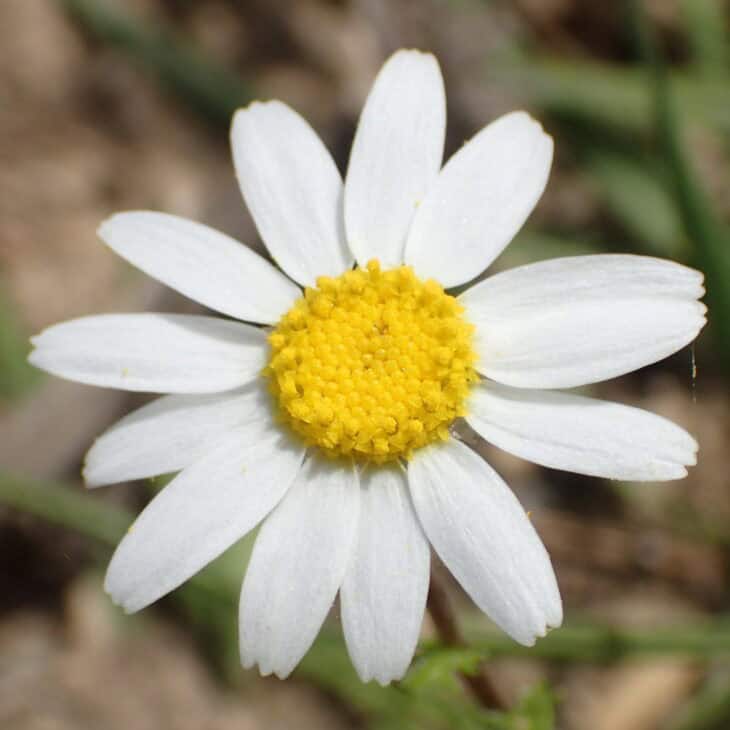
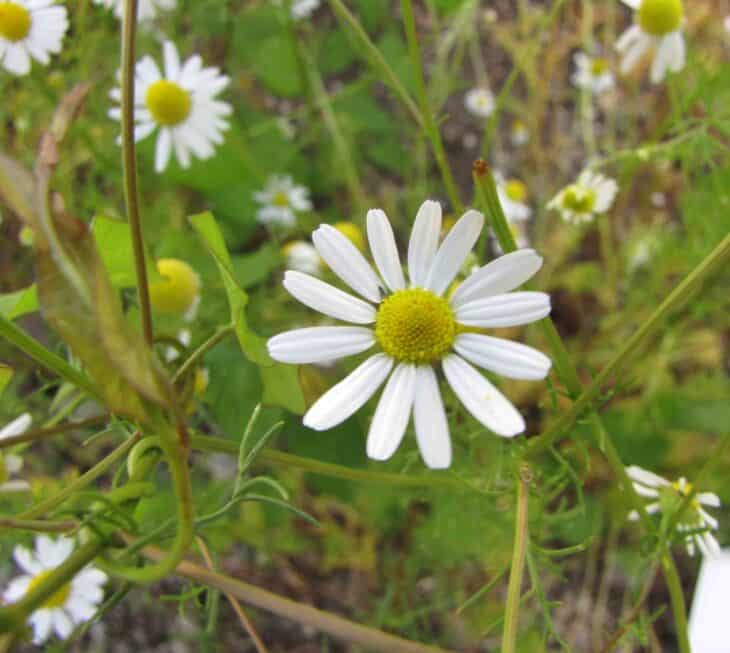
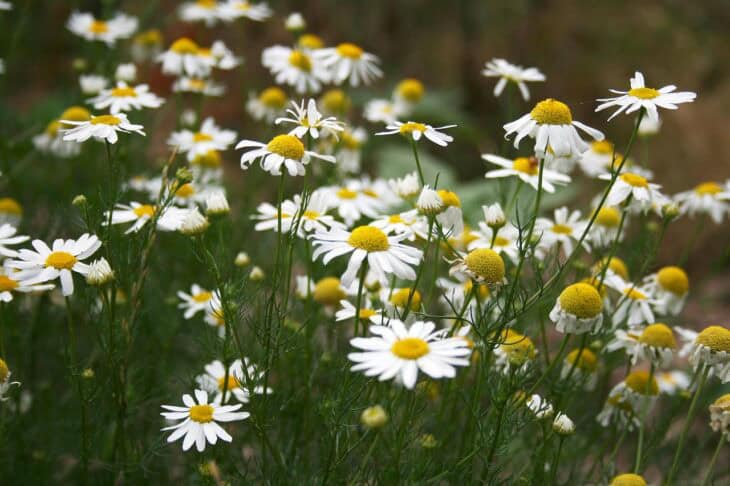
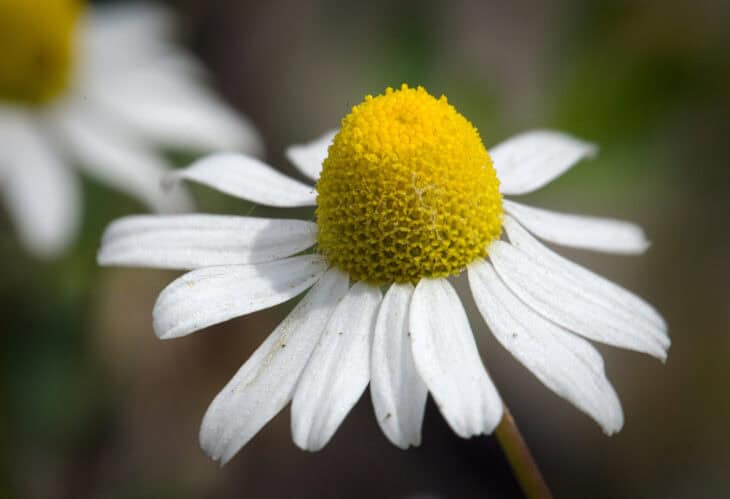
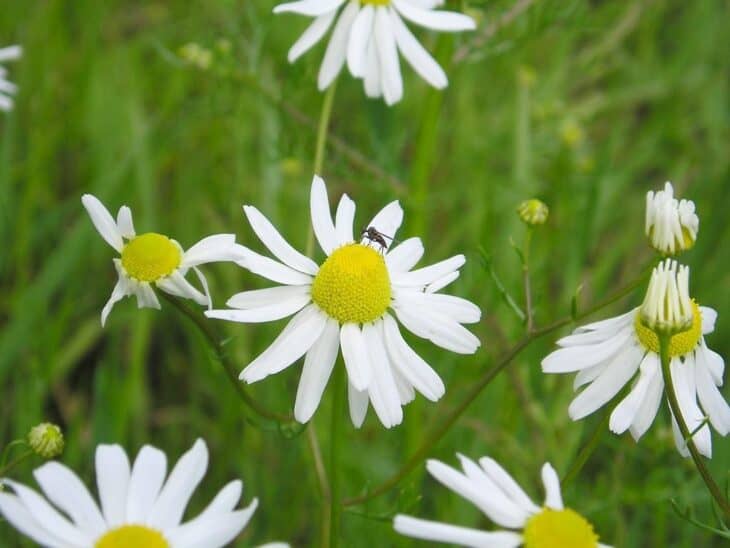
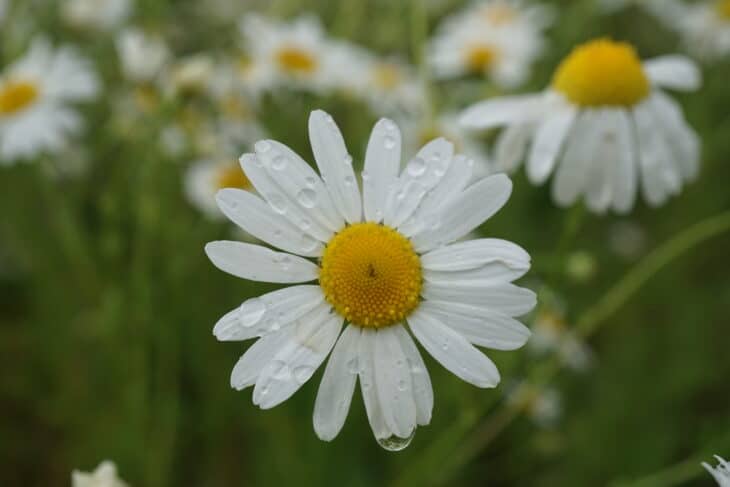
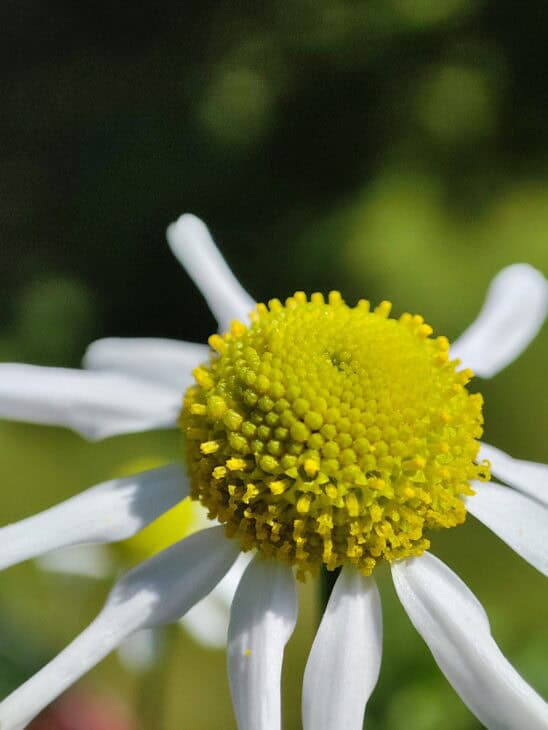
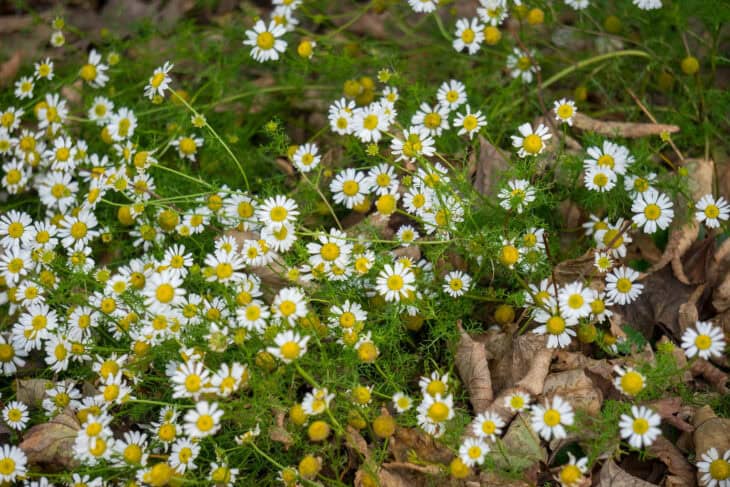
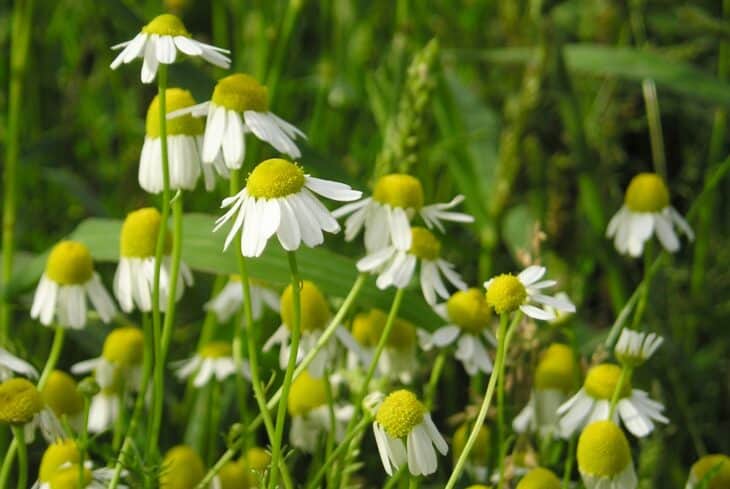
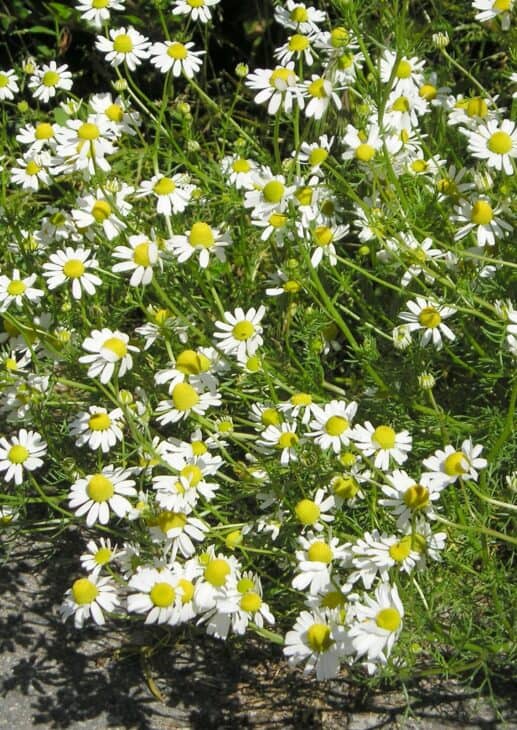
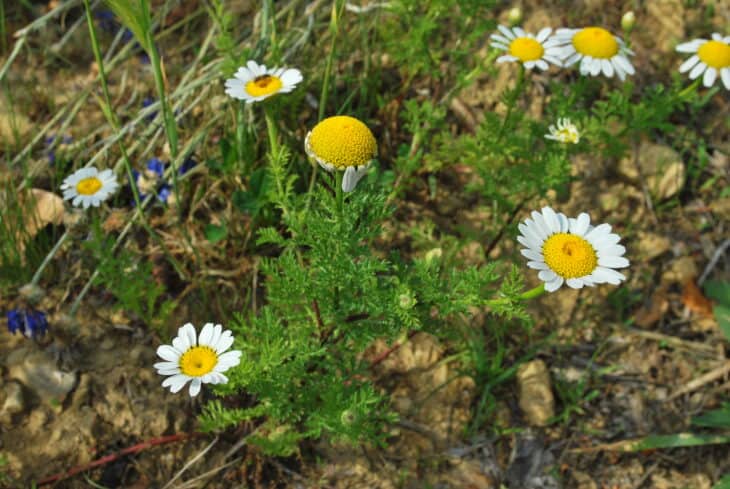
German Chamomile is an annual member of the aster family with aromatic, white petaled flower heads and yellow centers. Mature plants typically reach 8 to 24 inches tall with a 6 to 12 inch spread per plant. The scent and daisy-like blooms make it distinct in herb beds and informal borders.
Where to grow and best uses
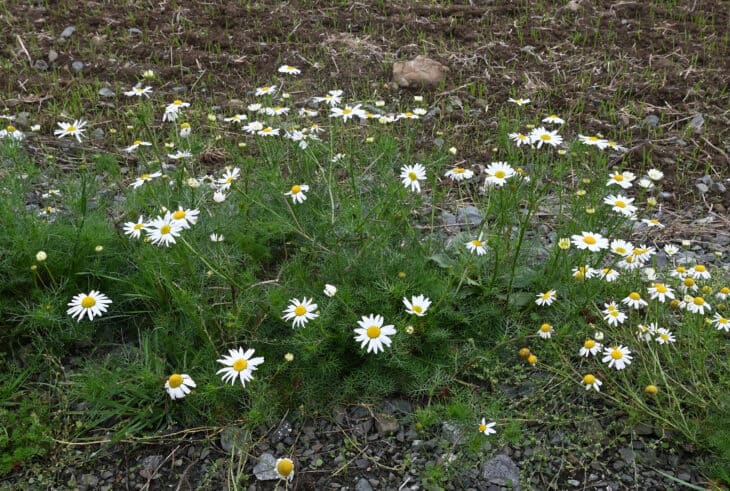
Grow German Chamomile in herb beds, edging, containers or informal wildflower patches where light colonies are acceptable. It performs best as a cool-season annual in temperate gardens and attracts bees and other pollinators when in bloom. Expect reseeding in milder climates and allow volunteers where you want naturalizing patches.
Planting time and season
Sow German Chamomile outdoors in spring after the last frost or start seed indoors 4 to 8 weeks before last frost for earlier bloom. Flowering generally occurs from late spring through summer depending on sowing date and local climate. In cooler areas it is a true cool-season annual and will not survive hard winter freezes.
Soil light and watering
Plant in fertile, well drained soil and choose a sunny spot for best flowering, with light afternoon shade acceptable in hot regions. Avoid waterlogged or heavy clay soils which reduce vigor. Keep soil evenly moist during establishment but reduce watering once plants are established to avoid excessive legginess and poor flowering.
Propagation spacing and sowing depth
Propagate mainly by seed; seeds are easily sown direct or started indoors and will self-seed in favorable conditions. Light often aids germination so surface sow or press seed lightly into the soil rather than burying deeply. Thin or space plants about 6 to 12 inches apart to match the typical spread and allow airflow.
After flowering and maintenance
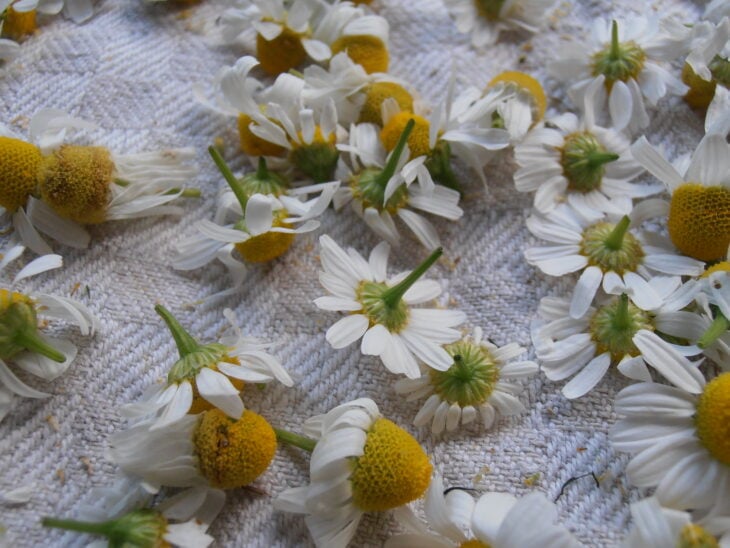
Harvest open flower heads for drying or fresh use when centers are fully developed and petals spread. Deadhead to prolong bloom and to reduce self-seeding, or leave some heads to set seed if you want volunteers next season. Cut back spent plants to tidy beds once seed production finishes.
Managing self-seeding and spread
German Chamomile readily self-seeds and can form loose colonies from volunteers. To control spread remove seed heads before they mature, pull seedlings in unwanted areas, or confine plants to containers. In milder zones expect more persistent reseeding and plan for seasonal volunteers in beds and pathways.
Containers and small space gardening
Chamomile suits containers and small borders due to its modest size and aromatic flowers. Use a well drained potting mix and a sunny position to encourage compact growth and abundant blooms. Containers also make it easier to prevent unwanted reseeding around other garden plants.
Safety and cautions
While used as an herbal tea, German Chamomile can cause allergic reactions in people sensitive to ragweed and other Asteraceae and may cause mild gastrointestinal upset in pets if eaten. Avoid topical use if skin sensitive and consult local poison control or a veterinarian for specific exposure concerns.
Frequently asked questions
- How fast does German Chamomile grow?
- Growth to flowering typically happens within the same growing season. Plants commonly reach 8 to 24 inches tall by bloom time, with exact speed depending on light, soil and sowing date.
- Can I grow chamomile for tea?
- Yes. The aromatic flower heads are harvested fresh or dried for herbal tea. Pick heads when centers are open and petals spread for best flavor.
- When should I sow seeds?
- Sow outdoors in spring after frost or start indoors 4 to 8 weeks before last frost for earlier blooms. Timing affects when plants begin flowering in late spring to summer.
- How do I prevent it from spreading?
- Remove flower heads before they set seed, pull unwanted seedlings, or grow plants in containers to limit volunteers and naturalizing patches.
- Is German Chamomile safe for pets?
- It can cause mild gastrointestinal upset in some pets if ingested and may trigger allergic reactions in sensitive people. Check with a veterinarian or poison control for specific risks.
Gallery
Related Plants


Mentioned In (1)
Plants
Companion Plants for Basil: What Works and Why
Basil bolts faster than almost any other herb in the summer garden, and once it flowers, the leaves turn bitter…