
Key Facts
- A tall aromatic perennial herb with feathery leaves and yellow umbel flowers.
- Leaves, seeds and some cultivated bulbs are used fresh or dried for cooking.
- Prefers full sun and well drained soil.
- Flowers in summer producing umbrella shaped clusters of small yellow blooms.
- Can self seed and naturalize where winters are mild and may become invasive.
- Common types include wild common fennel and the swollen bulb form called Florence fennel.
- Contains volatile oils including estragole which are used for flavor and aroma.
Fennel is a tall aromatic herb grown for feathery foliage, edible seeds and in some types a swollen bulb. It suits sunny beds and herb borders but will self seed and naturalize where winters are mild.
Identification
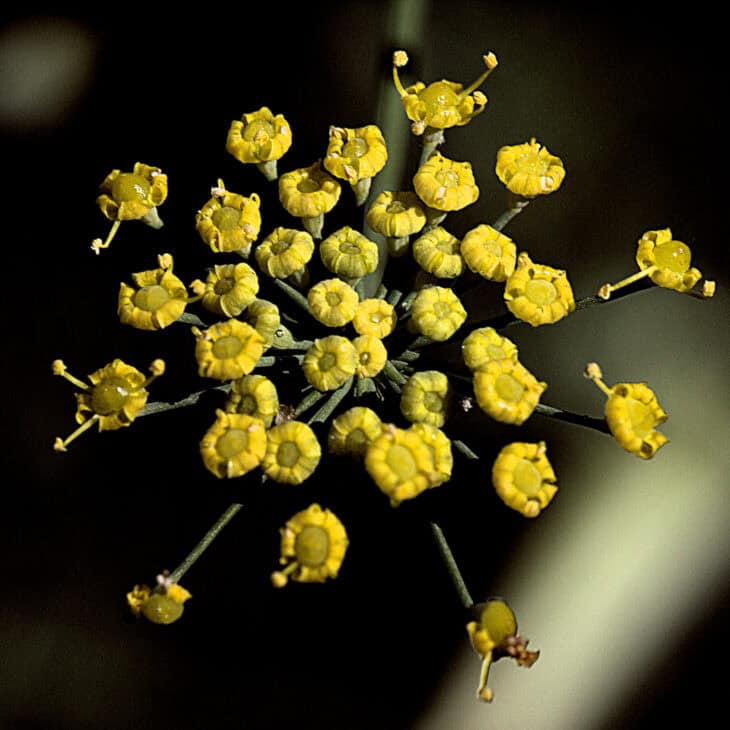
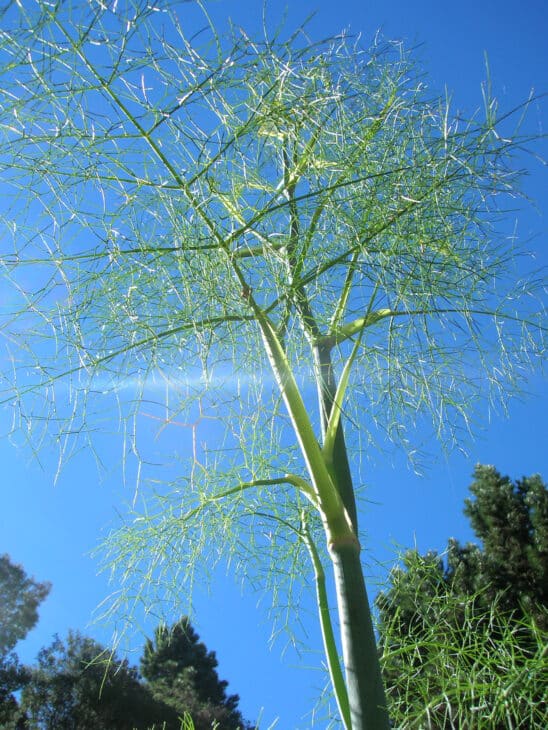
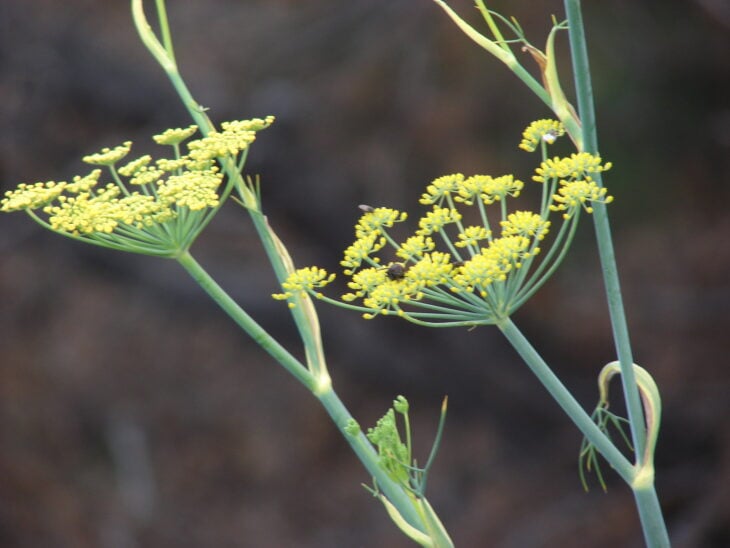
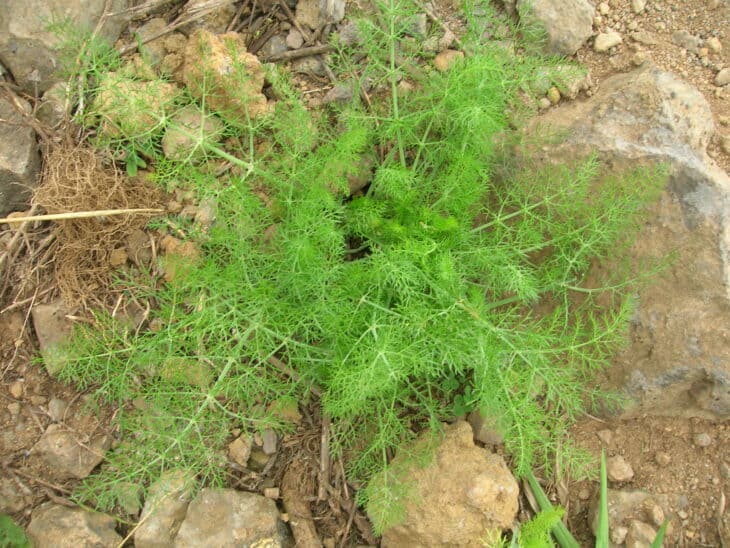
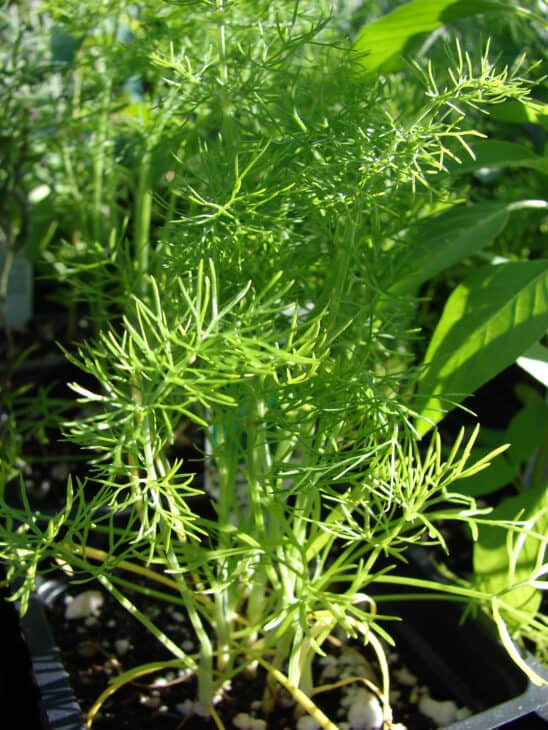
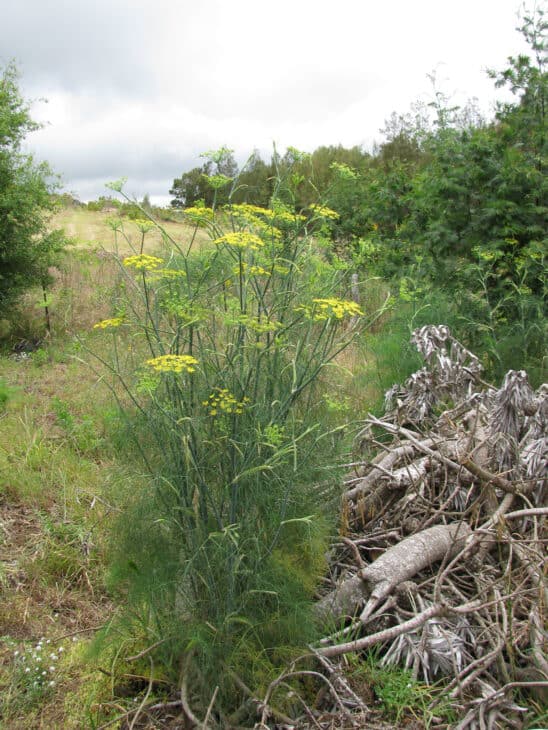
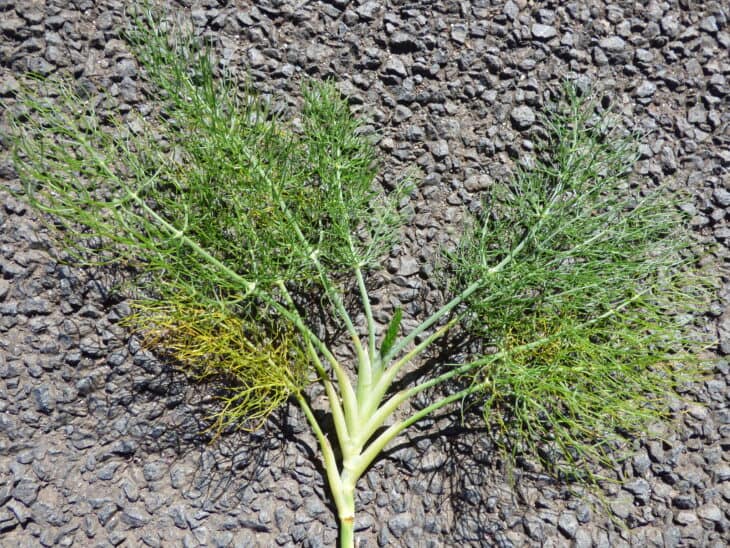
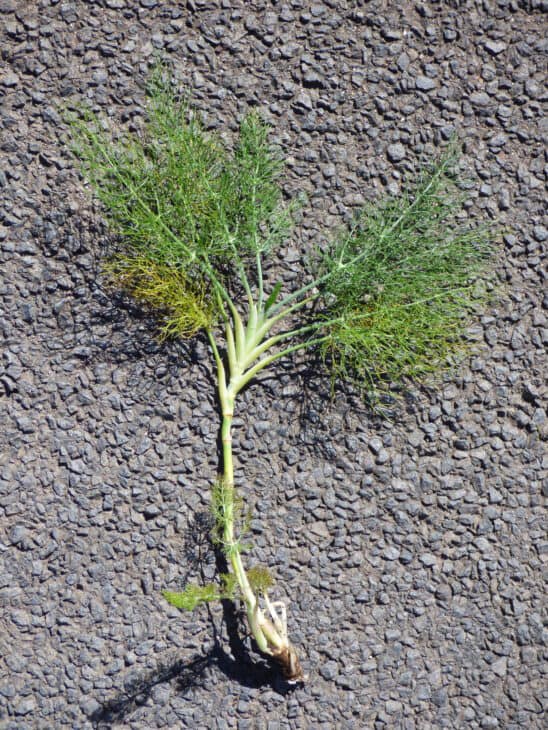
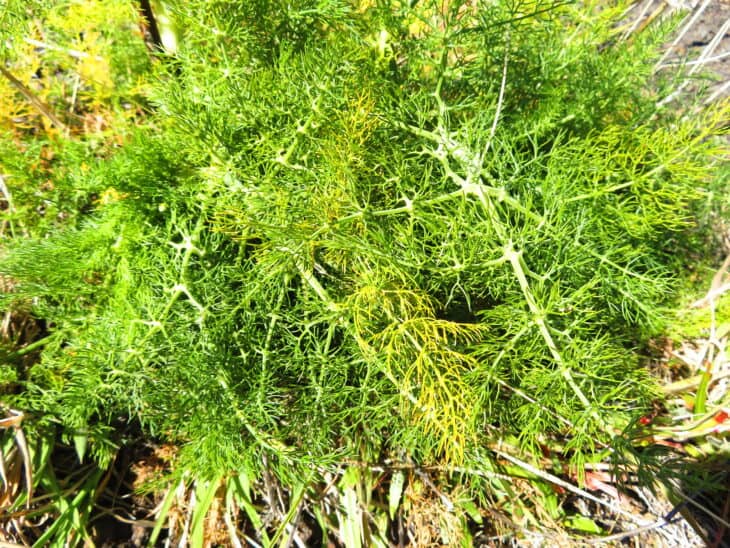
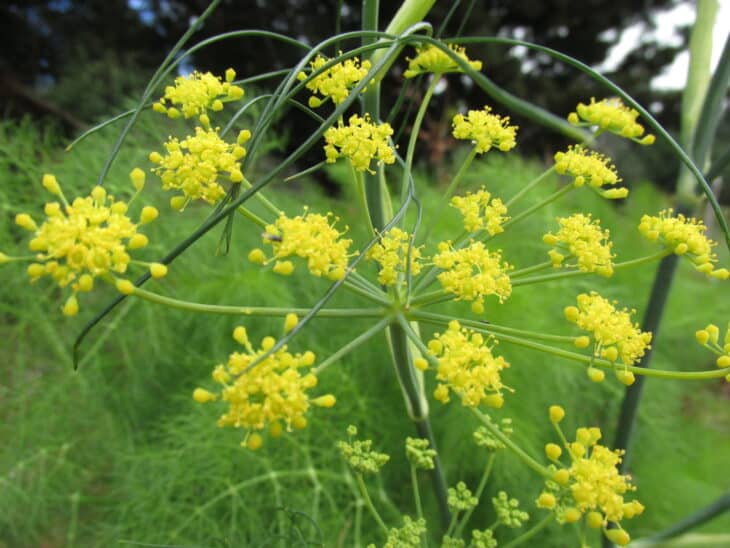
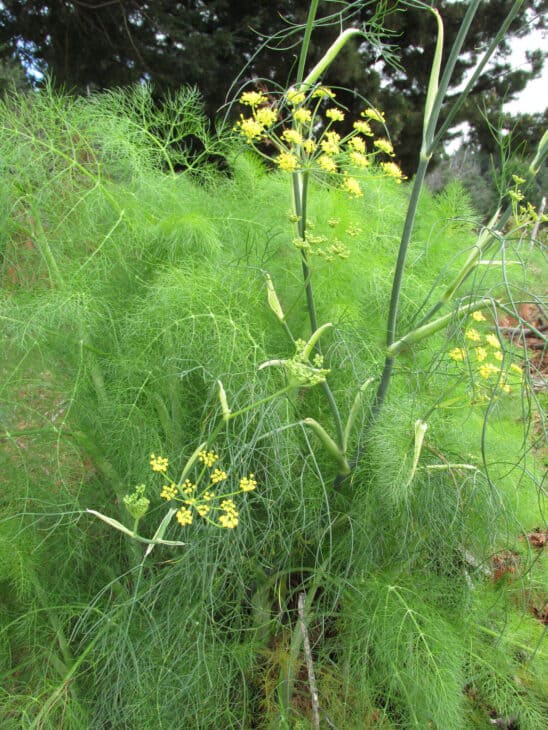
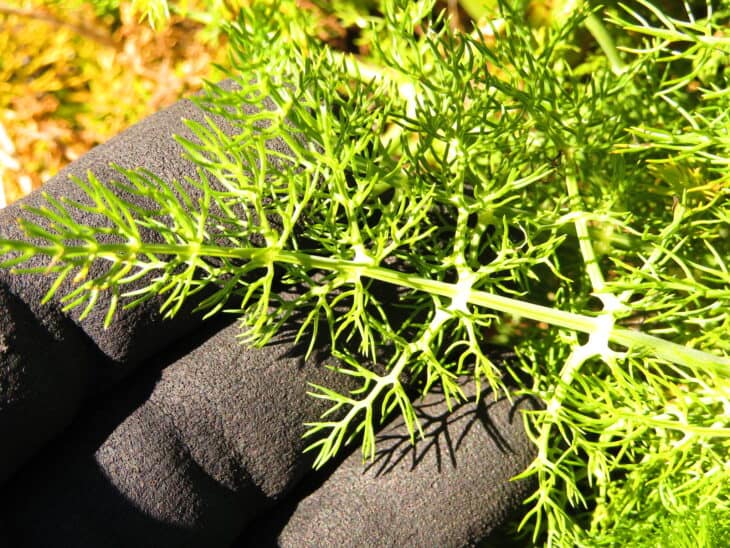
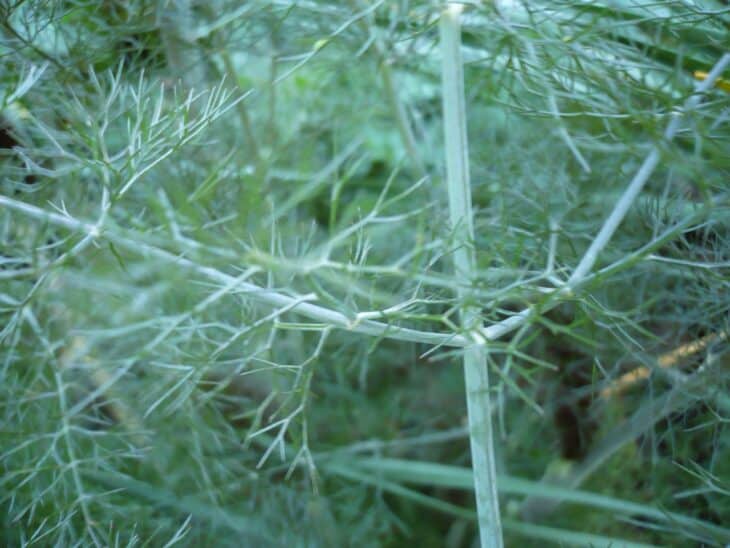
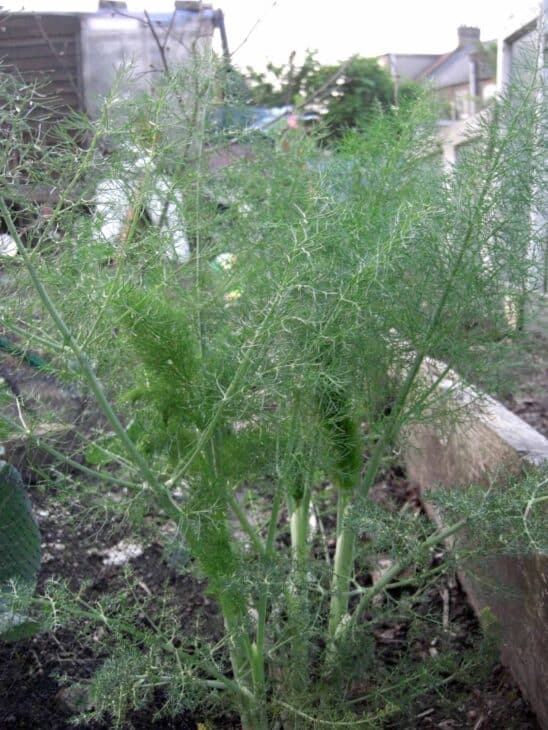
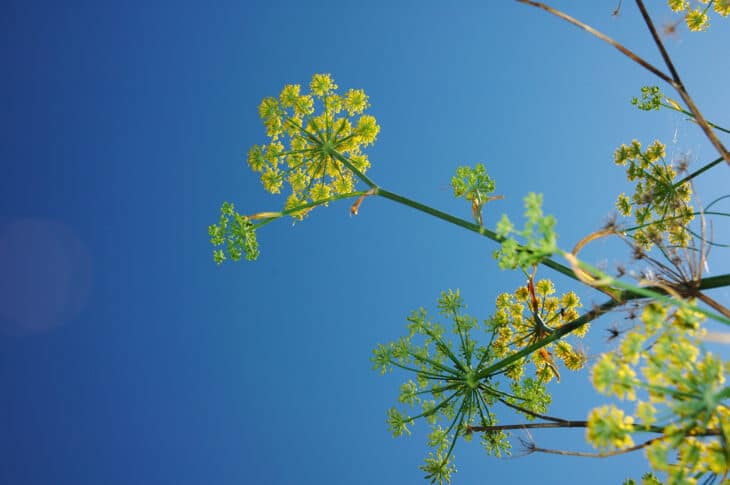
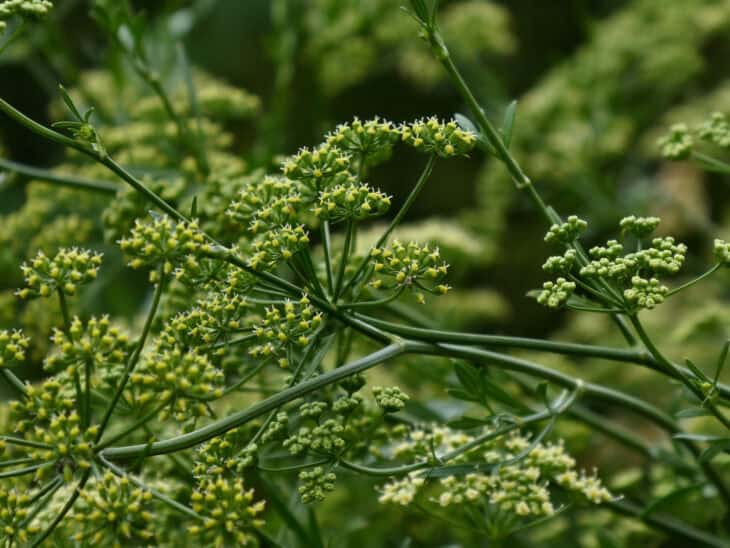
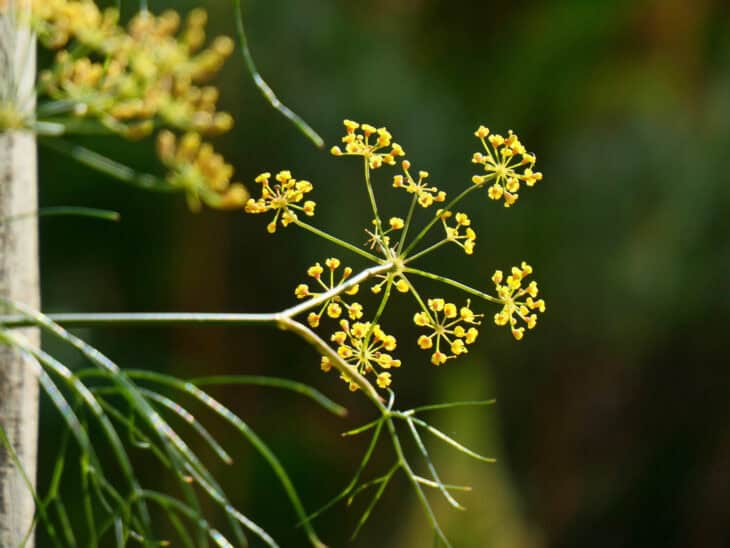
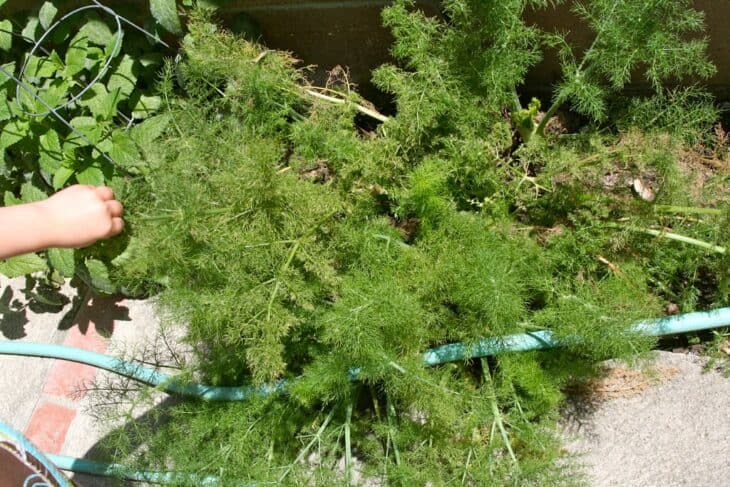
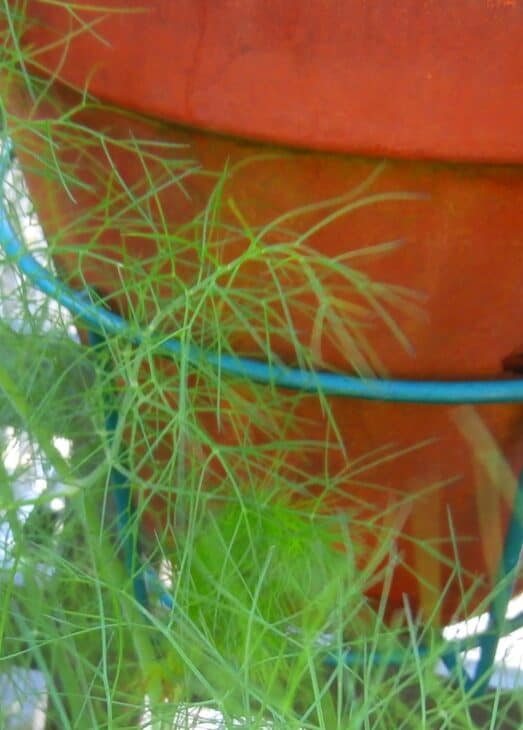
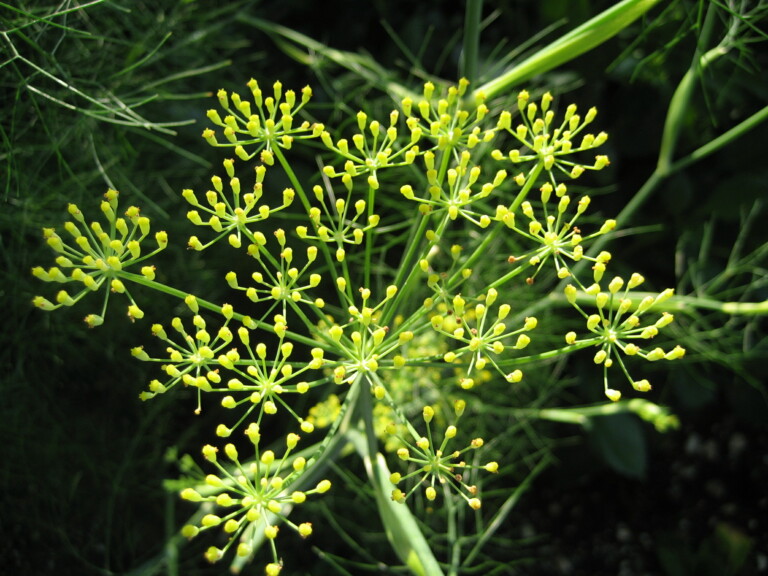
Fennel has fine, threadlike leaves and umbrella shaped clusters of small yellow flowers in summer. Typical plants reach about 2 to 6 feet tall with a spread of roughly 2 to 3 feet, though height varies by cultivar and site.
Where to grow and best uses
Plant fennel in full sun for best flavour and flower production. Use common fennel as a tall accent in herb and cottage borders and grow Florence or bulb fennel for a crunchy edible bulb in vegetable beds. Avoid placing it where you do not want volunteers because it self seeds readily.
Hardiness and climate
Fennel is generally hardy from USDA zones 4 to 9. In colder zones it often dies back to the crown, while in warmer zones clumps persist and self seeding increases.
Soil and light
Grow fennel in fertile, well drained soil. It tolerates lean or sandy soils and some salt exposure but weak growth and root problems follow poor drainage. Full sun produces the best growth and flavour; light shade can make plants leggy and reduce seed set.
Planting and spacing
Sow seed directly or start seed indoors then harden off before planting out. Allow roughly 24 to 36 inches between plants to accommodate a mature clump and to reduce competition for light.
Watering and routine care
Provide moderate moisture. Excessive wetness leads to root rot and poor vigour while drought stressed plants become woody and produce fewer seeds. Remove competing weeds and mulch around the crown to conserve moisture without creating waterlogged soil.
Flowering, seeds and after flowering care
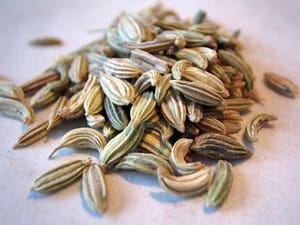
Fennel flowers in summer with flat umbels of yellow blooms that produce aromatic seeds. Harvest seeds when brown and dry on the plant. To limit volunteers deadhead flower heads before seeds form or collect ripe seeds for culinary use.
Controlling spread and invasiveness
Fennel readily self seeds and can naturalize where winters are mild, sometimes becoming invasive. Prevent spread by cutting flower heads, removing seedlings and digging out established clumps where necessary. Avoid sowing near native plantings you want to protect.
Propagation
Propagate mostly by seed sown directly or started indoors. Some cultivated clumps can be divided, but seed is the easiest and most common method. Expect plants to self sow if seed heads are left in place.
Culinary use and harvest
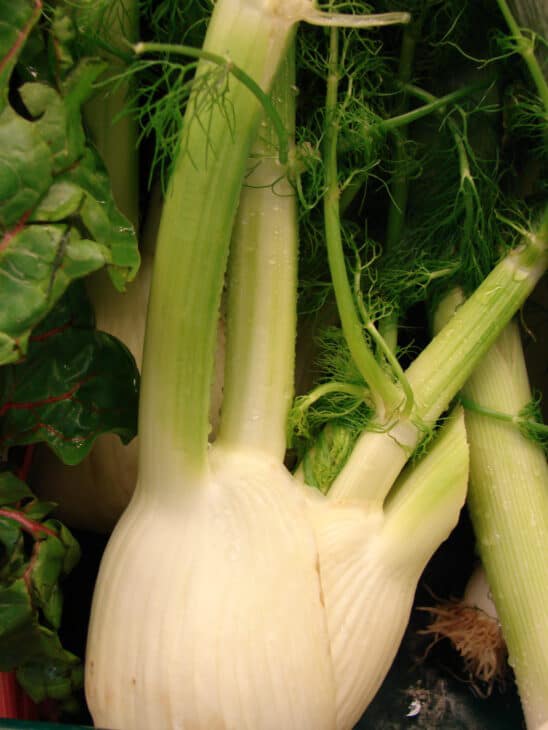
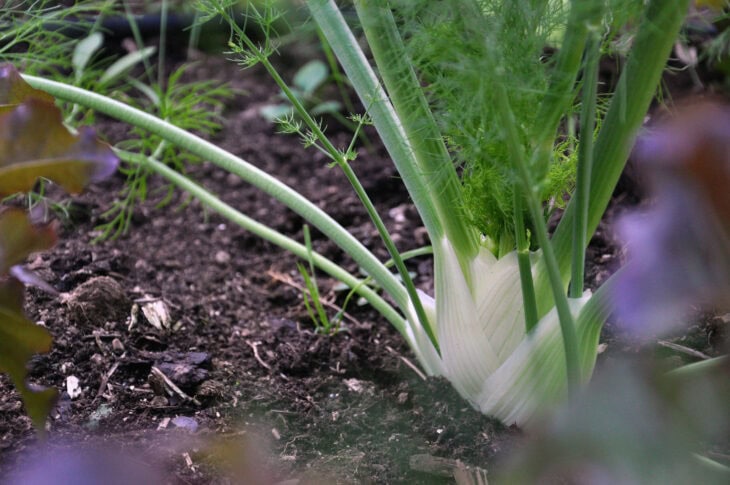
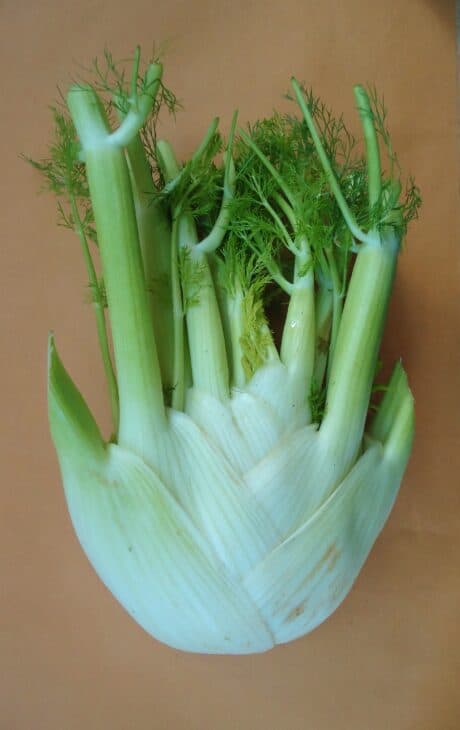
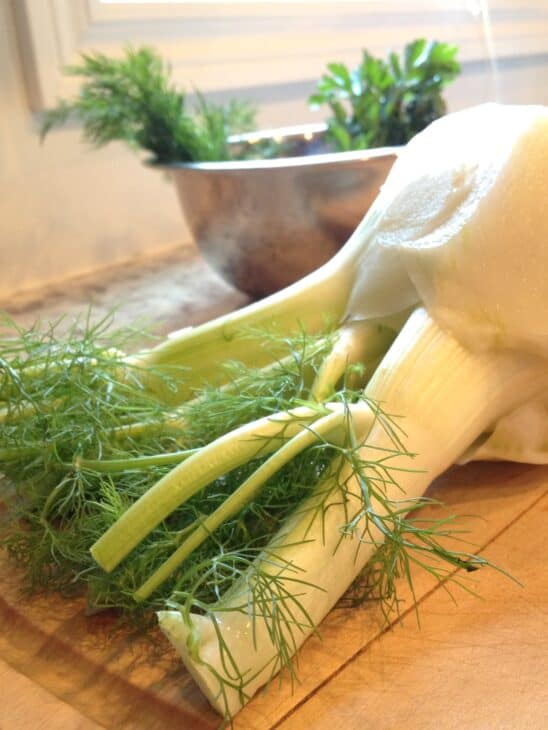
Leaves, seeds and some cultivated bulbs are used fresh or dried for cooking. Seeds are aromatic and used as a spice; foliage adds anise like flavour to salads and cooked dishes. Florence fennel is the swollen bulb form grown for its edible stem base.
Safety
Fennel is edible for people and the ASPCA lists it as non toxic to cats, dogs and horses. The plant contains volatile oils including estragole which raises safety questions at high doses, and some individuals may get skin irritation from handling fresh foliage.
Frequently asked questions
- How fast does Fennel grow?
- Growth speed varies but plants commonly reach about 2 to 6 feet in height depending on cultivar and growing conditions, and they establish quickly in full sun and fertile soil.
- Is Fennel invasive?
- It can be. Fennel self seeds readily and can naturalize in mild climates, so remove flower heads or seedlings to prevent unwanted spread.
- Is Fennel safe for pets?
- ASPCA lists fennel as non toxic to cats, dogs and horses, though essential oils in the plant merit caution and some people can experience skin irritation.
- Can I grow fennel for bulbs?
- Yes. The swollen bulb form called Florence fennel is grown for an edible bulb while common fennel is typically grown for foliage and seeds.
- How do I stop fennel from seeding everywhere?
- Deadhead flower heads before seeds form, pull or hoe seedlings and remove mature seed heads if you do not want volunteers.
Gallery
Related Plants

Mentioned In (8)
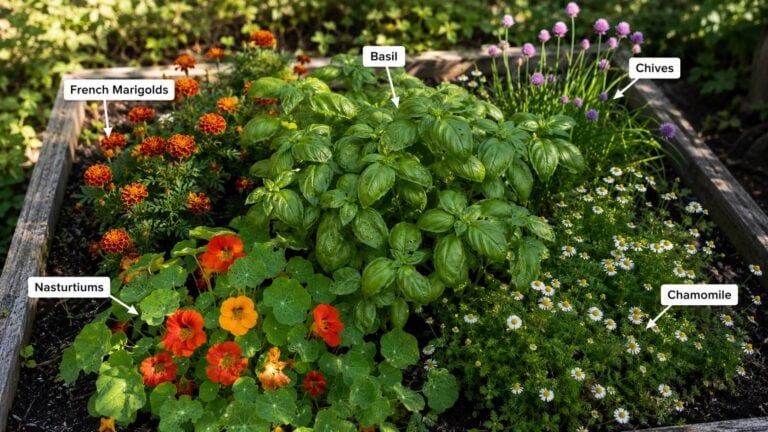
Plants
Companion Plants for Basil: What Works and Why
Basil bolts faster than almost any other herb in the summer garden, and once it flowers, the leaves turn bitter…
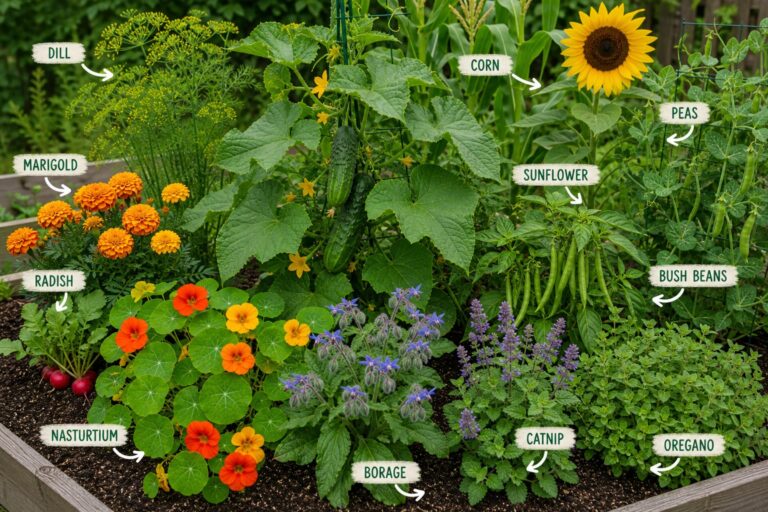
Plants
Companion Plants for Cucumber: What Works (and what Doesn’t)
Cucumber beetles are one of the most destructive forces in the vegetable garden — and they don't just eat foliage.…
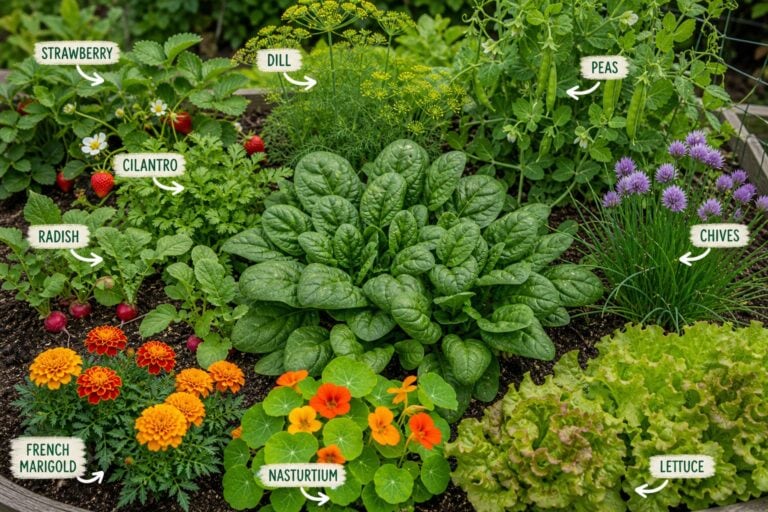
Plants
Companion Plants for Spinach: What Works and Why
Spinach growers fight a near-constant battle with leaf miners — tiny larvae that tunnel between the leaf surfaces and ruin…

Plants
5 Plants That Look Like Yarrow
Yarrow is a beautiful plant loved by many for its seamlessly endless uses. Unfortunately, not many people know how they…
Plants
8 Plants That Look Like Fennel
Fennel (Foeniculum vulgare) is an edible plant with delicate, feathery green leaves and large white bulbs. Fennel can reach up…

Plants
6 Plants That Look Like Dill
In Biblical times, dill was valued highly enough to serve as payment for taxes. Today, dill remains a popular garden…

Plants
Top 10 Plants to Attract Butterflies
Creating a butterfly-friendly garden starts with choosing the right plants. Butterflies need two kinds of plants: nectar sources for adult…
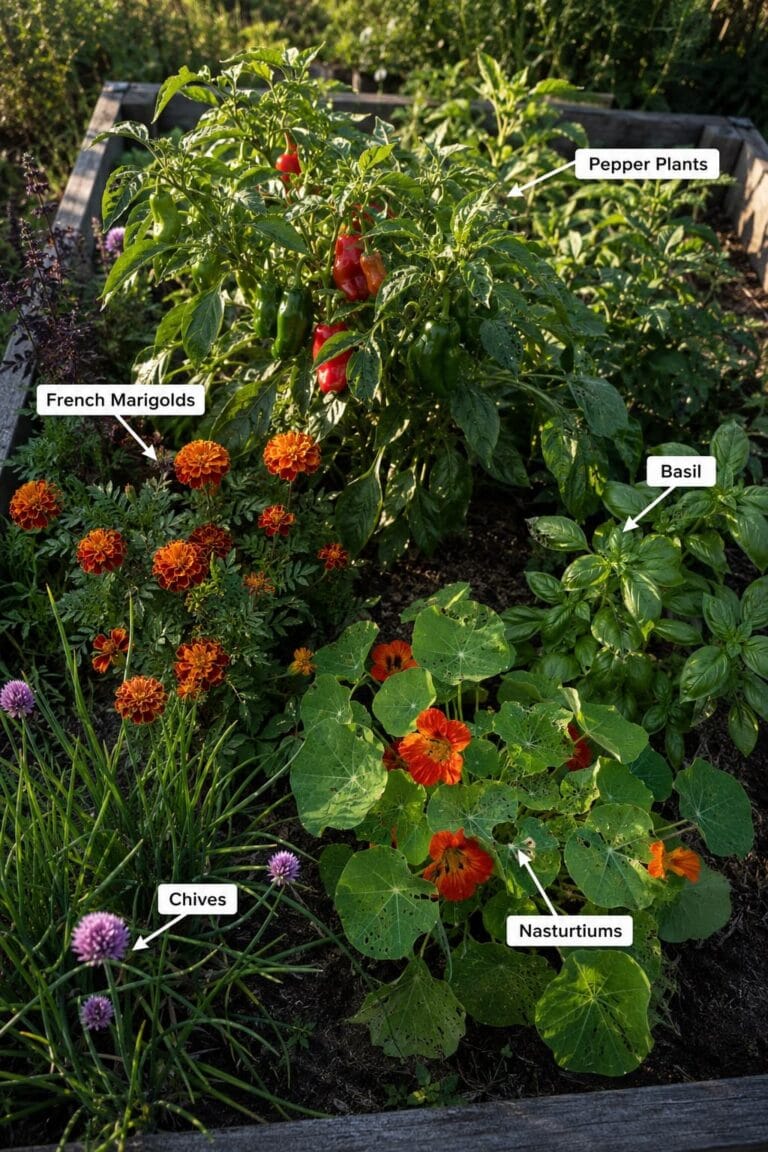
Plants
Companion Plants for Peppers: What Works and Why
Peppers are a magnet for aphids and thrips from the moment they go in the ground, and a plant this…