
Key Facts
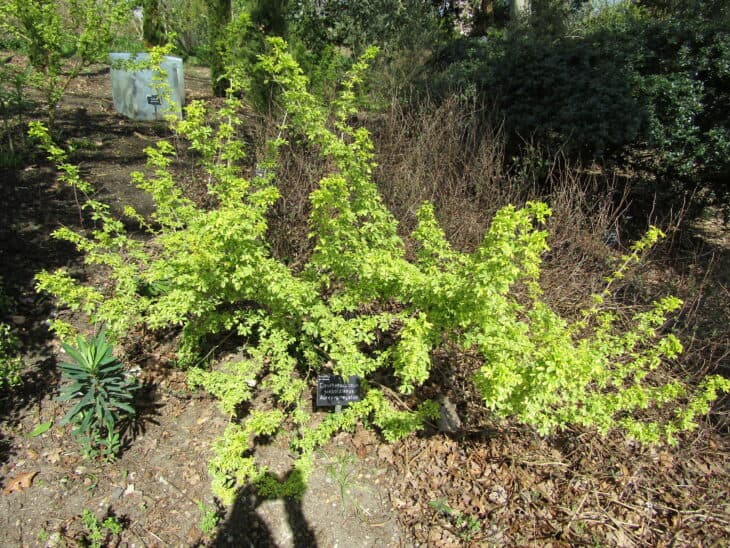
- Deciduous multi-stemmed shrub with palmately divided leaves typically of five leaflets.
- Native to parts of East Asia including Japan and Korea.
- Produces small clusters of inconspicuous creamy white flowers in late spring to summer.
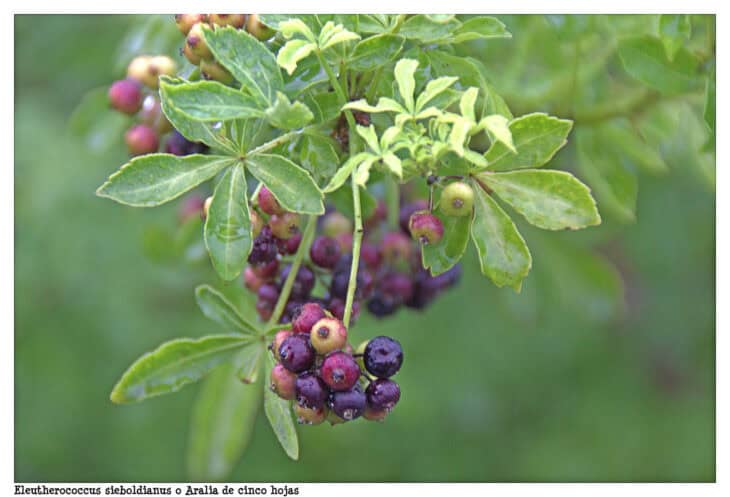
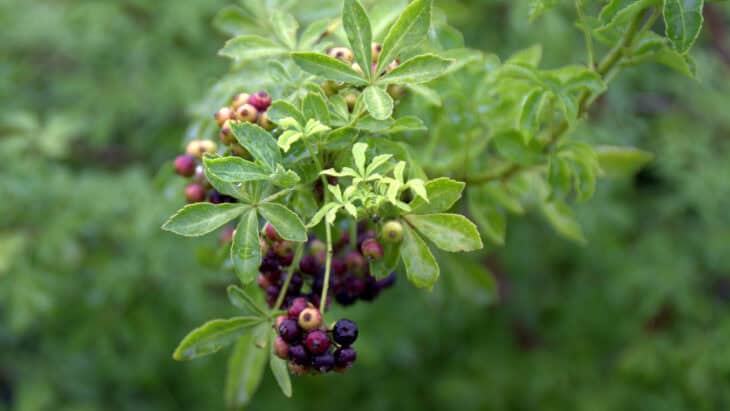
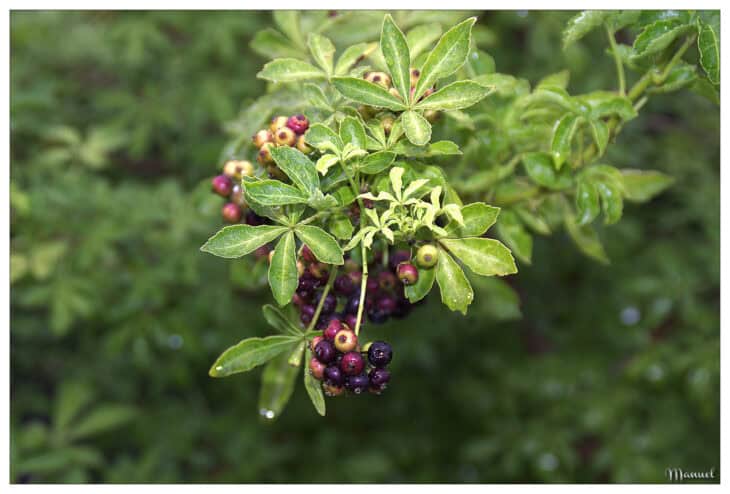
- Develops dark berries in autumn following flowering.
- Used as an ornamental for bold foliage and woodland or mixed shrub borders.
- Tolerant of a range of soils and light levels but dislikes prolonged waterlogging.
- Can be propagated by seed and by vegetative methods such as cuttings and layering.
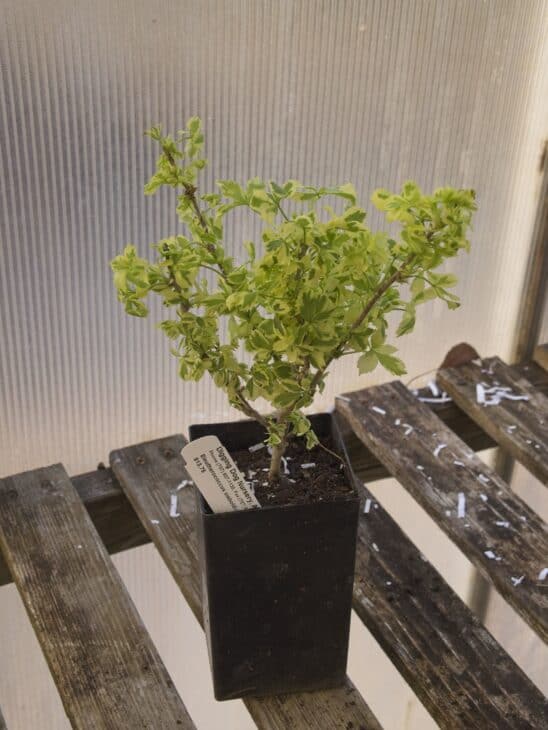
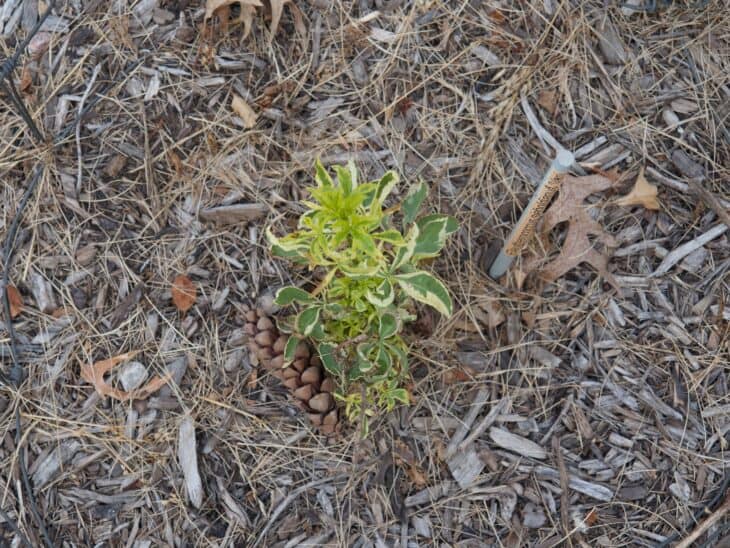
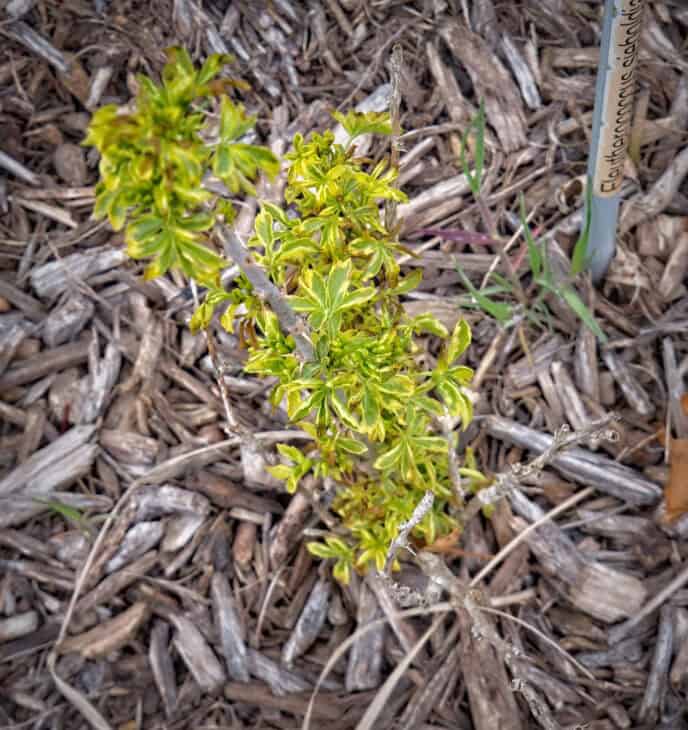
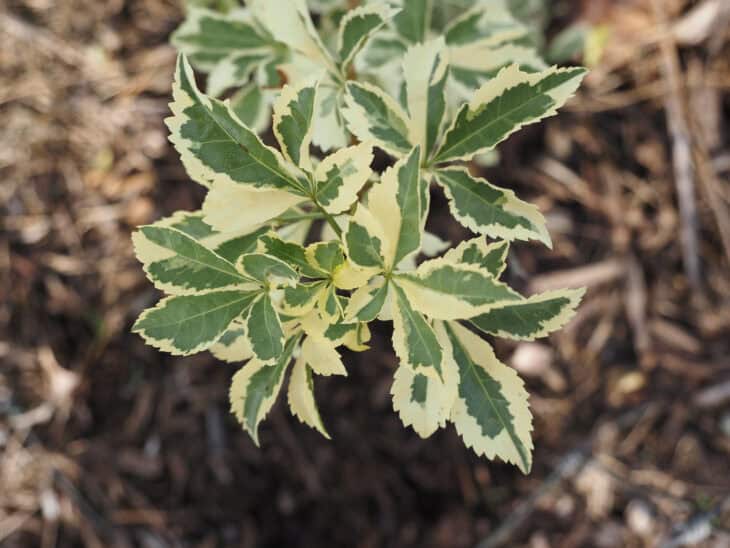
Five-fingered Aralia (Eleutherococcus sieboldianus) is a deciduous multi-stemmed shrub prized for bold palmately divided leaves, typically with five leaflets, and seasonal clusters of small creamy white flowers followed by dark berries. It suits woodland margins and mixed shrub borders and performs best where soil drains freely.
Identification
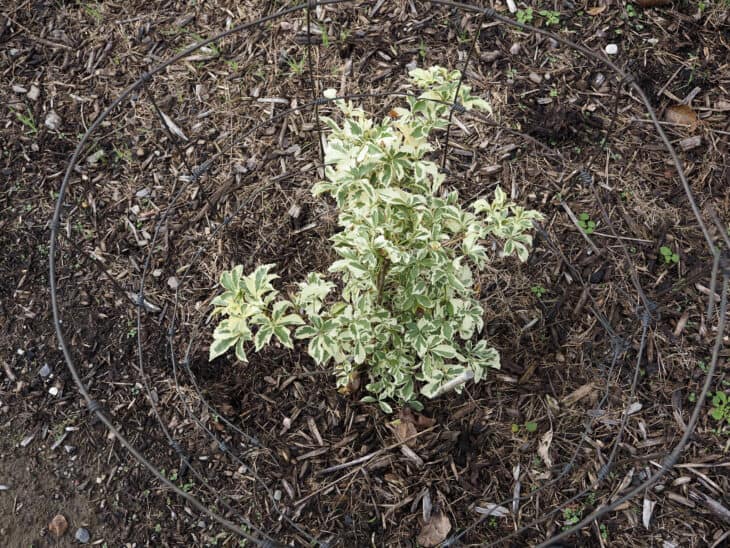
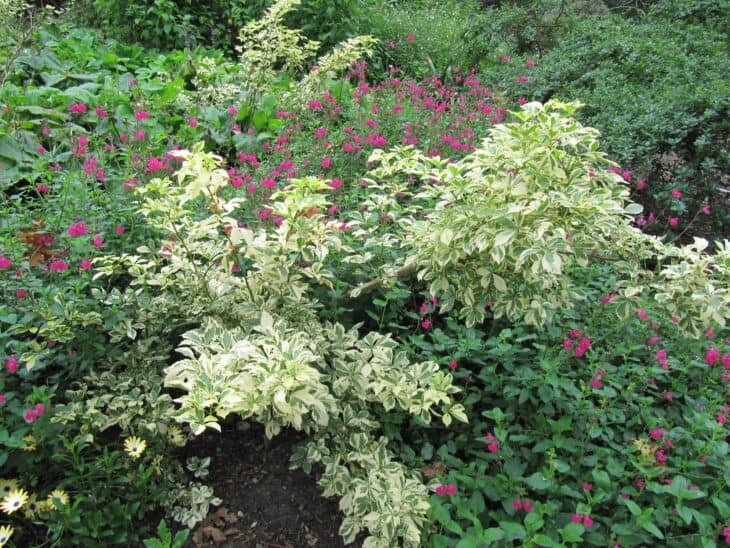
This shrub reaches about 4 to 8 feet tall with a similar 4 to 6 foot spread, forming a multi-stem clump with dramatic palmate leaves. Small clusters of creamy white flowers appear in late spring to summer and are followed by dark berries in autumn. The species is native to parts of East Asia including Japan and Korea.
Where to grow and best uses
Use Five-fingered Aralia for woodland-style plantings, shady borders or as a bold foliage specimen where contrast is needed. It tolerates a range of soils and light levels from full sun to part shade, with best leaf contrast in morning sun or dappled light. Avoid sites with prolonged waterlogging.
Planting and spacing
Set plants at the same soil level they grew at in the pot and space them roughly 4 to 6 feet apart to allow the multi-stem clump to develop. In temperate climates plant during the cooler part of the growing season so roots can establish before extreme heat or cold. Improve heavy sites with organic matter to aid drainage.
Watering and soil
Five-fingered Aralia prefers moist, well drained to average garden soils and tolerates clay and poorer soils when drainage is adequate. Prolonged waterlogging causes root decline, so ensure good drainage and water regularly until established. Once settled the shrub tolerates normal garden moisture but will show stress in constantly soggy ground.
Bloom and after-flowering care
Flowers appear in late spring to summer as small clustered umbels and attract limited pollinators, then set dark berries in autumn. Leave berries for birds if wildlife value is desired. Prune to shape or remove dead wood in late winter or early spring before new growth appears to maintain size and form.
Propagation
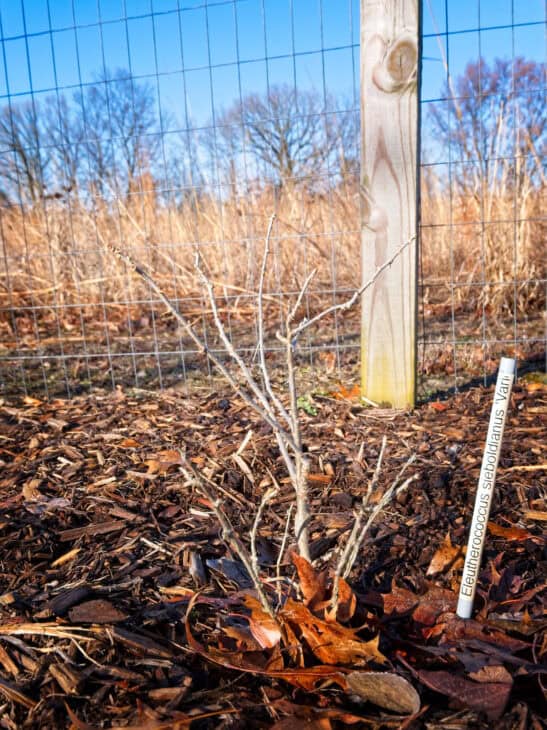
Propagate by seed and by vegetative methods such as semi-hardwood or hardwood cuttings, layering and division of suckering clumps. Cuttings often root more reliably with rooting hormone and in warmer months. Division is practical where the shrub produces suckers.
Managing spread and maintenance
The shrub can produce suckers and form a clump that expands over time depending on cultivar and site. Control spread by removing unwanted suckers at the base or by dividing and replanting sections. Routine light pruning keeps the plant within its intended footprint and improves form.
Frequently asked questions
- How fast does Five-fingered Aralia grow?
- Growth is generally moderate. Plants commonly reach the 4 to 8 foot mature height over several years, with rate varying by light, soil fertility and hardiness zone.
- When does it flower?
- Flowering occurs in late spring to summer, with small clustered creamy white blooms followed by autumn berries.
- What hardiness zones suit this shrub?
- Horticultural listings indicate suitability in USDA zones 5 to 8, with slower recovery or dieback possible in the coldest sites.
- Can it be grown in shade?
- Yes. It tolerates full sun to part shade and even deeper shade, though it may become leggier and produce less dense foliage in heavy shade.
- Are the berries poisonous?
- Published toxicity information is limited. Avoid ingestion and consult a local poison control resource for guidance on pet or child safety.
Gallery
Related Plants


Mentioned In (1)

Plants
11 Plants That Look Like Elderberry
The red or purplish-black drupe-shaped fruit of the elderberry makes a star ingredient for jelly or pie. With a current…