
Key Facts
- Fast growing perennial native to eastern North America.
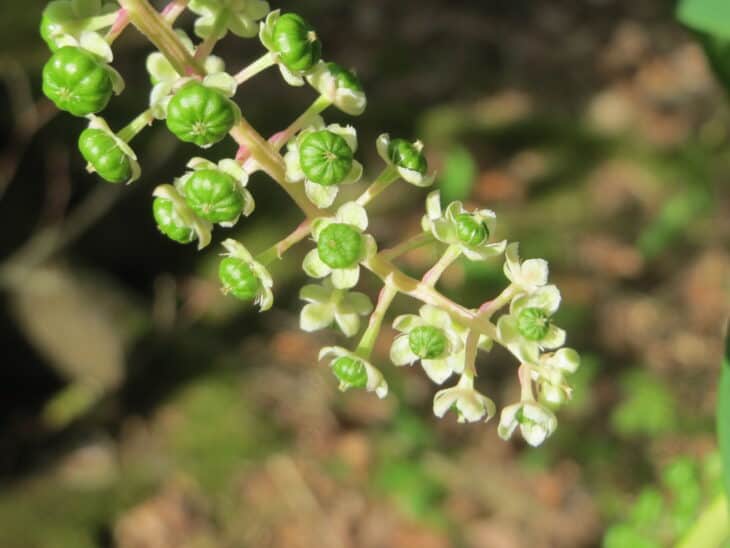
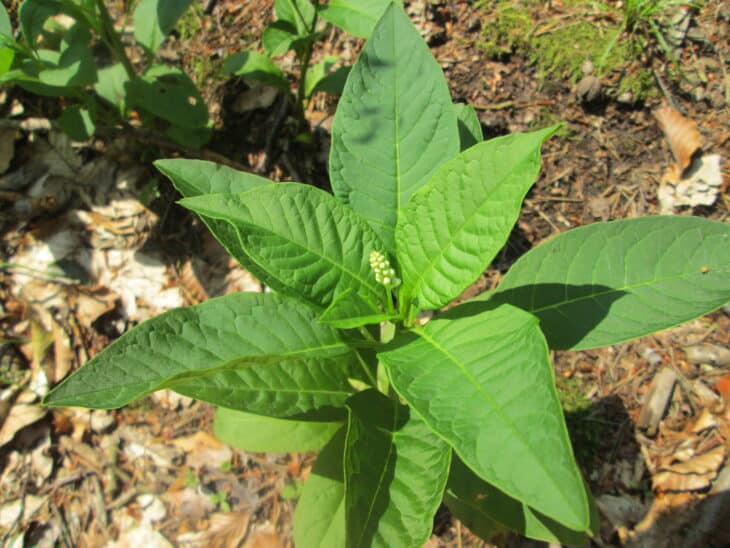
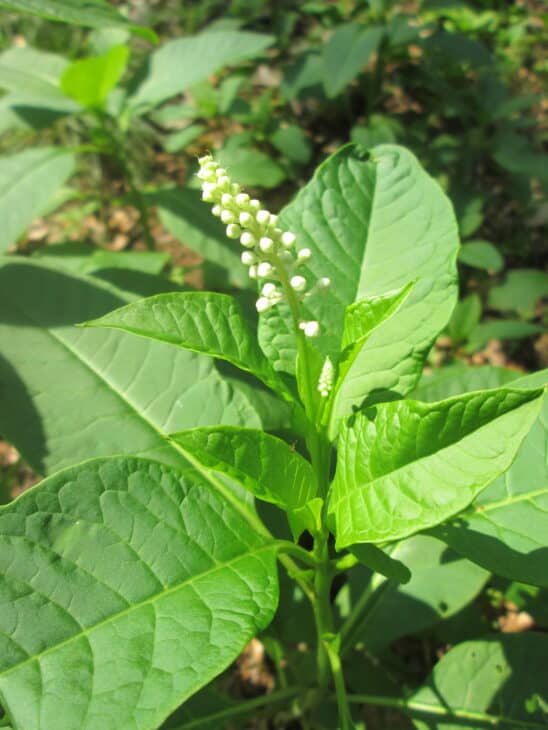
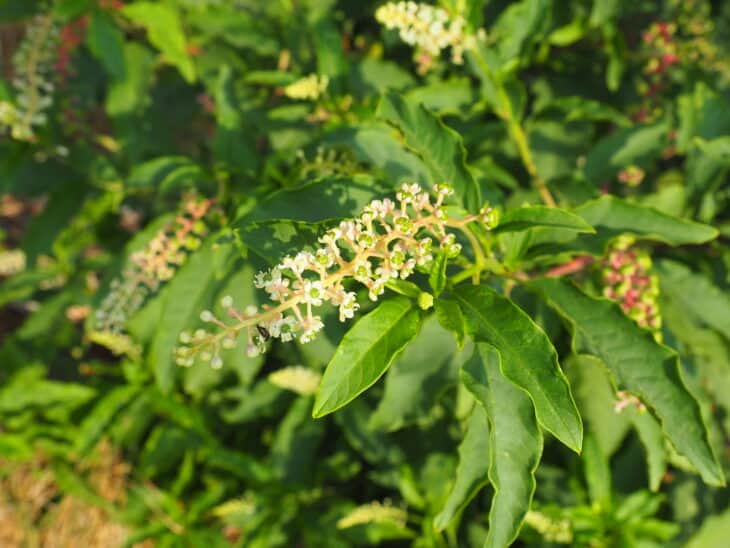
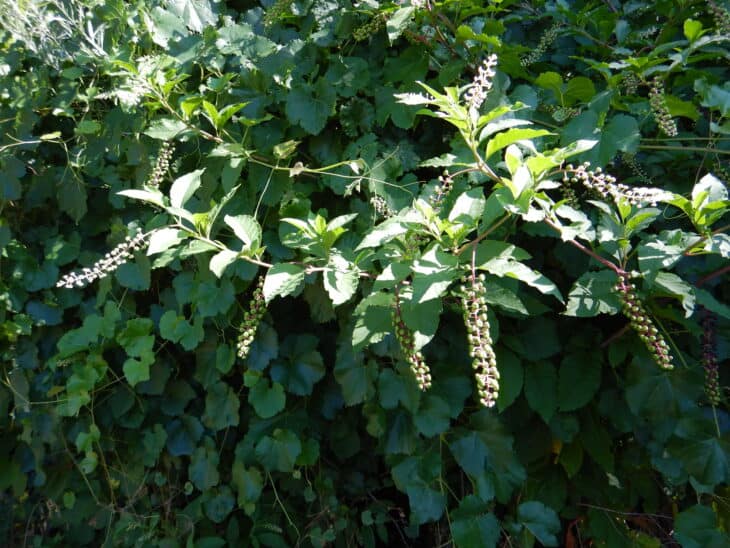
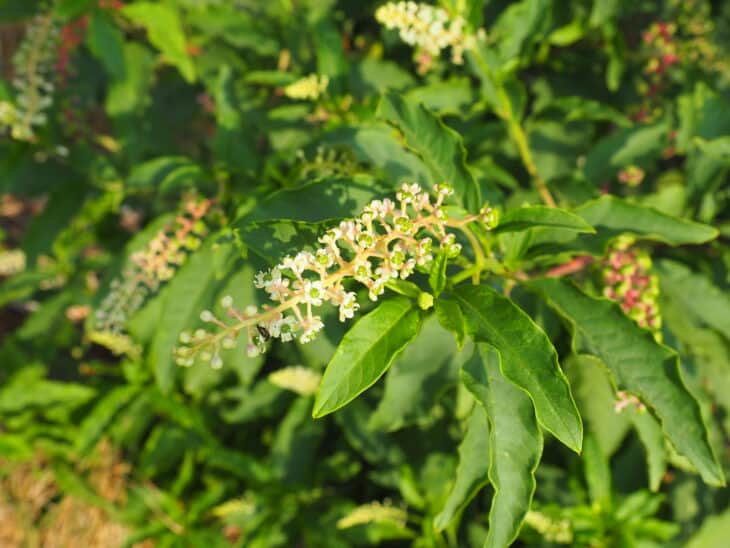
- Produces erect stems topped with racemes of white to greenish flowers.
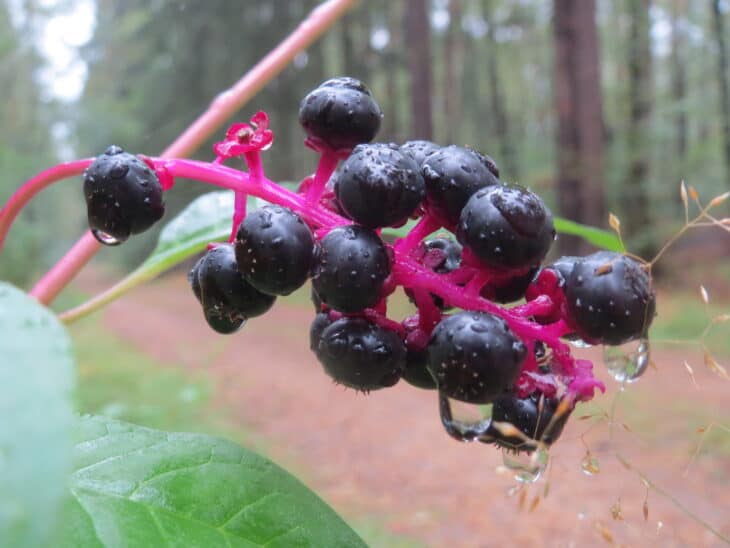
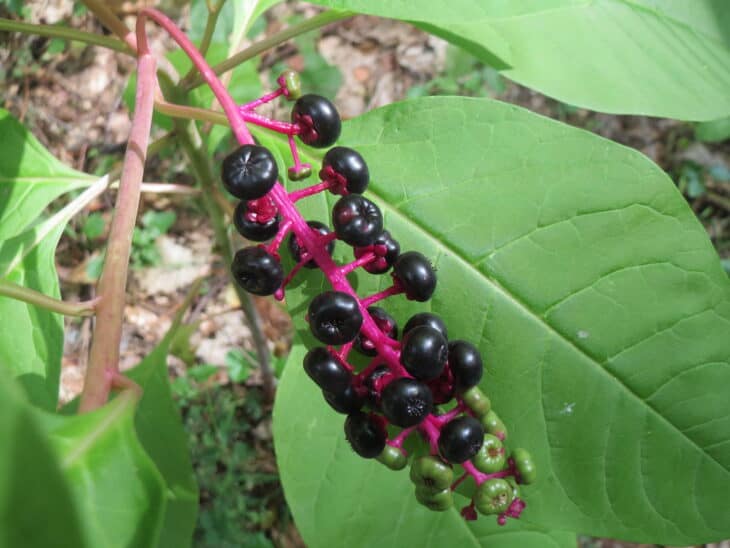
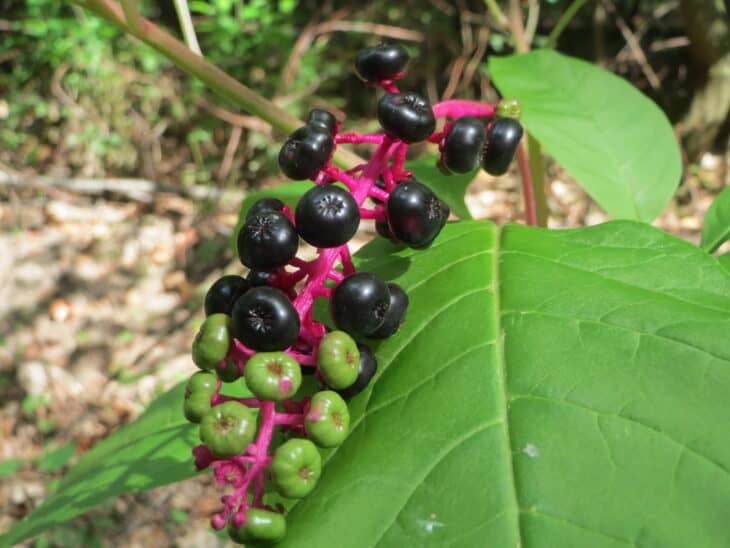
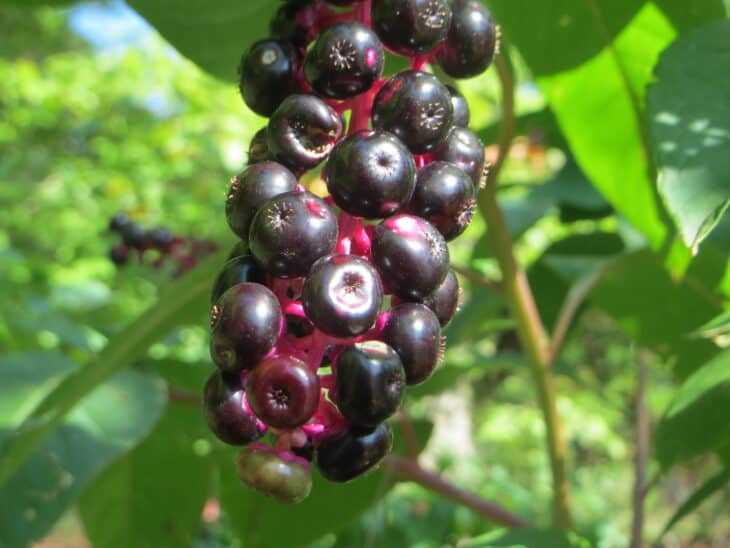
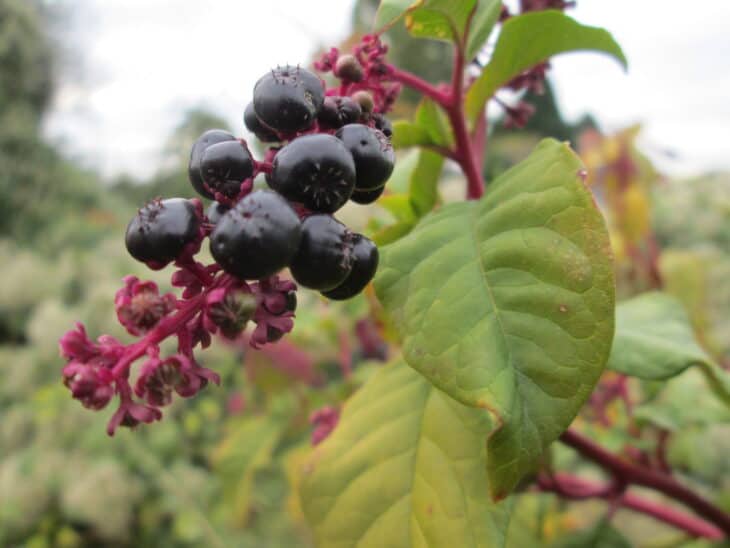
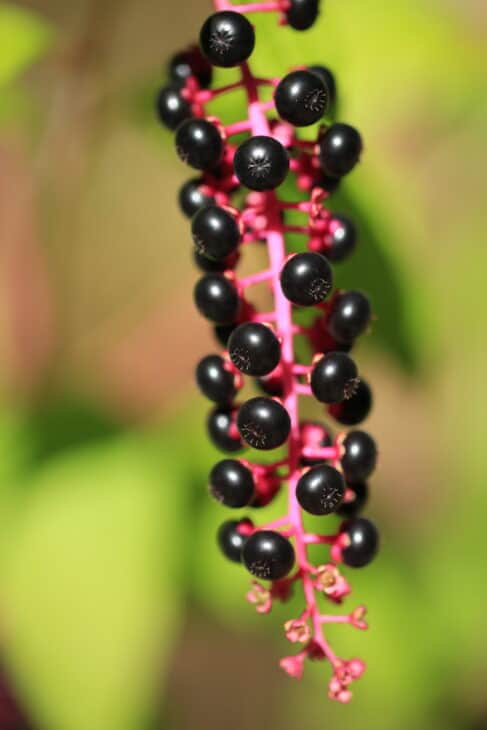
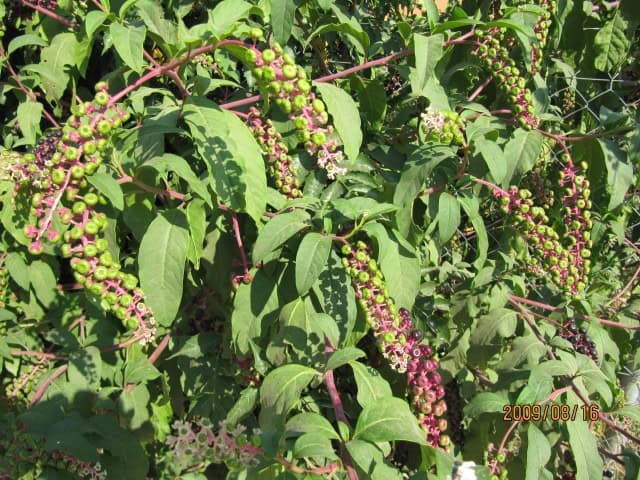
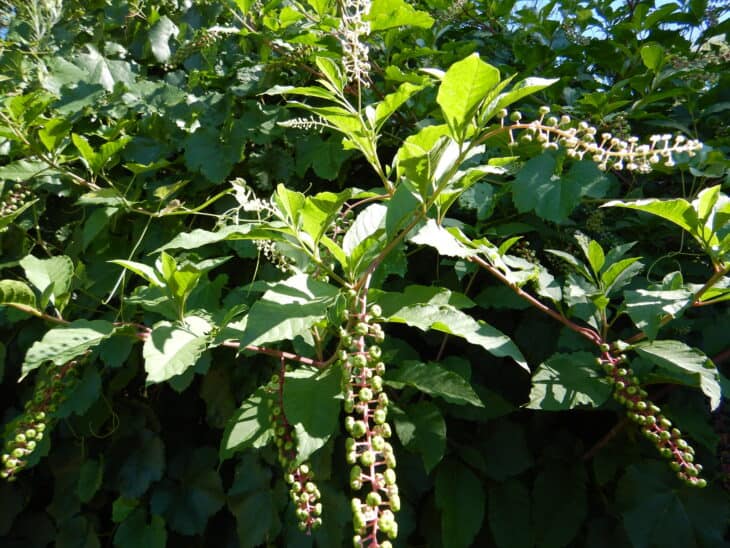
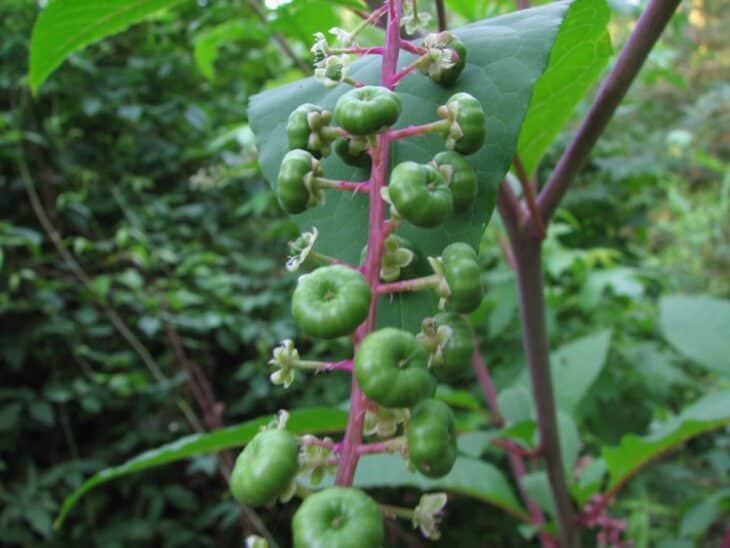
- Develops dark purple berries that attract birds and spread seed.
- All parts of the plant are considered toxic to people and many livestock species.
- Tolerates a wide range of soils and colonizes disturbed sites.
- Reproduces mainly by seed and by resprouting from root crowns.
- Can form large stands in warm sites and along fence rows or field edges.
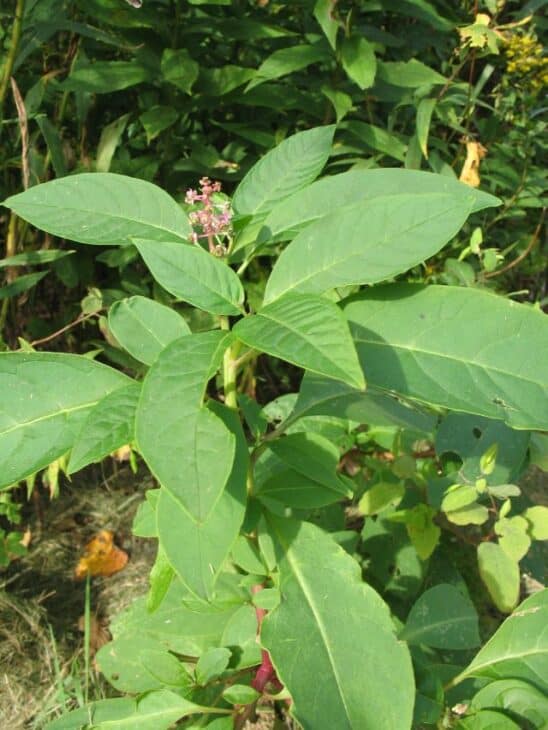
American Pokeweed (Phytolacca americana) is a tall native perennial with erect stems, racemes of white to greenish flowers and clusters of dark purple berries. It is adaptable to many soils and light levels but all parts are toxic and vigorous growth can create large stands where conditions suit it.
Identification
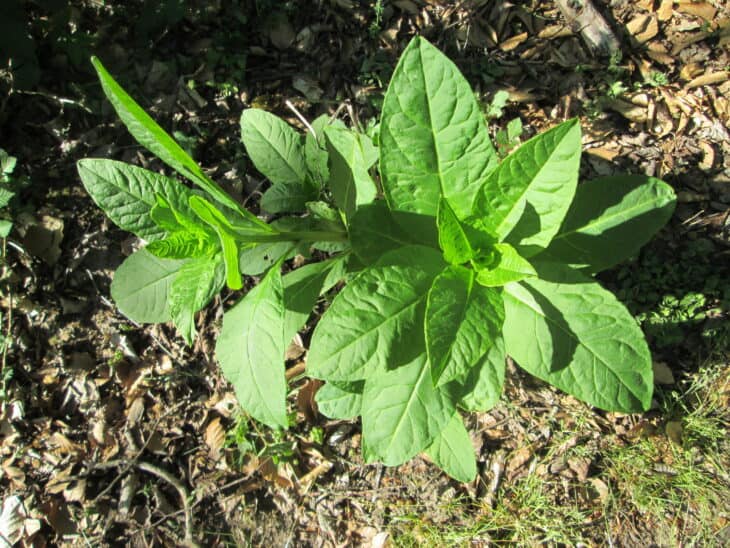
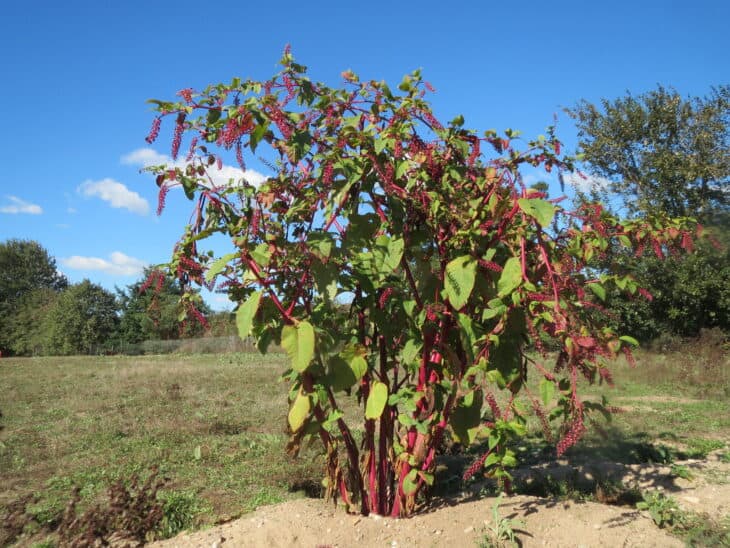
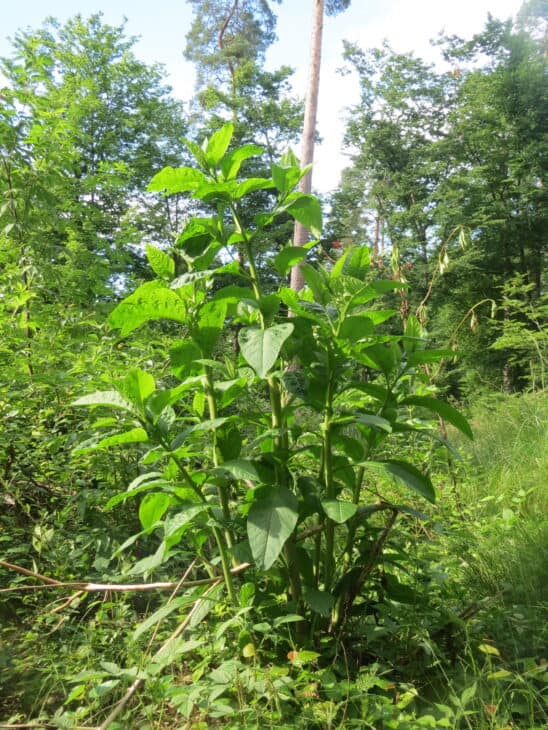
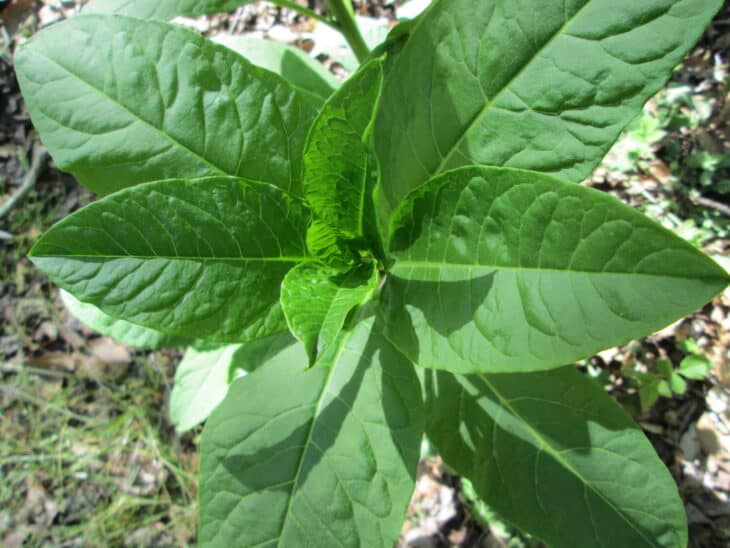
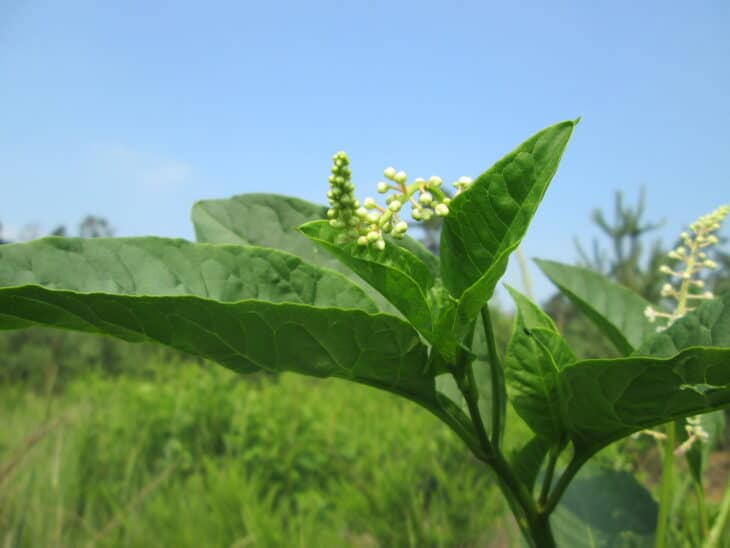
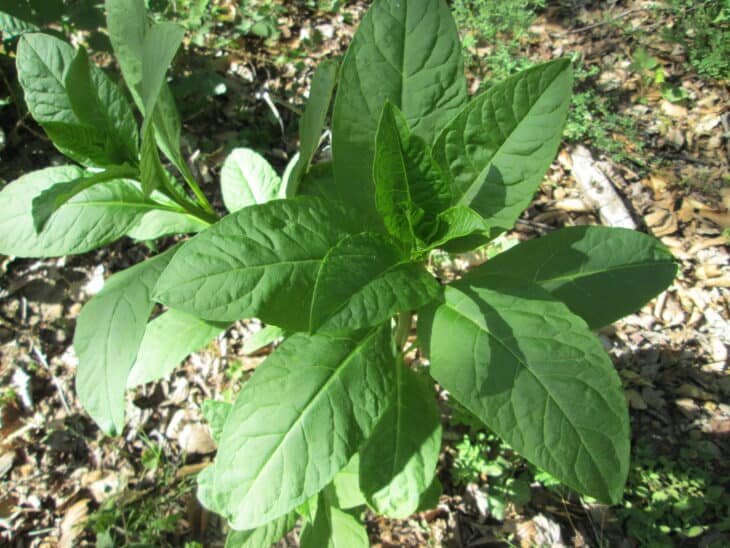
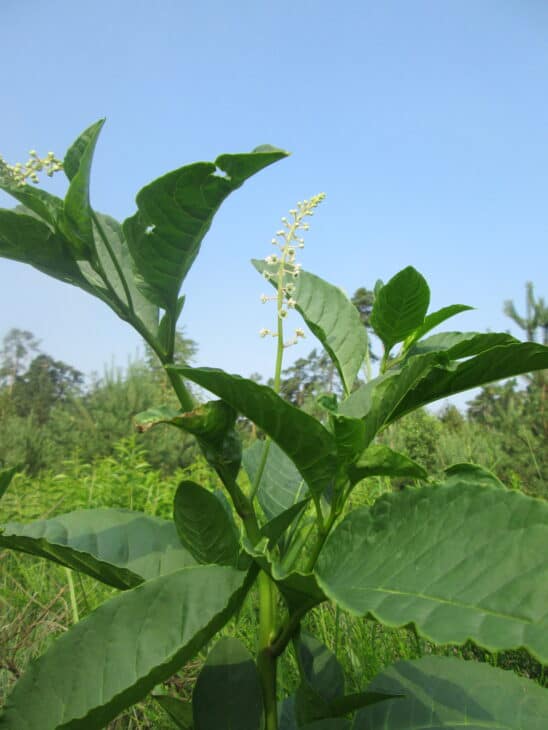
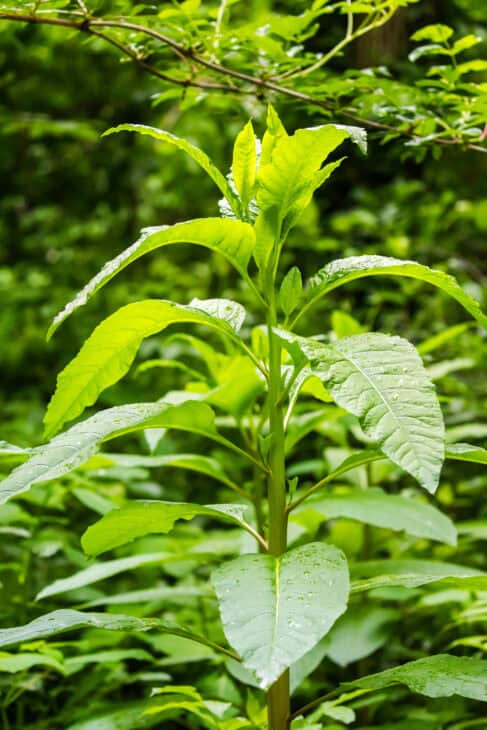
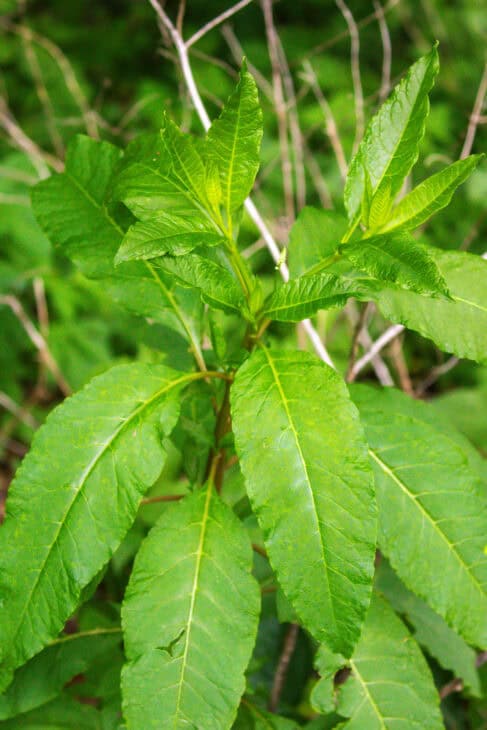
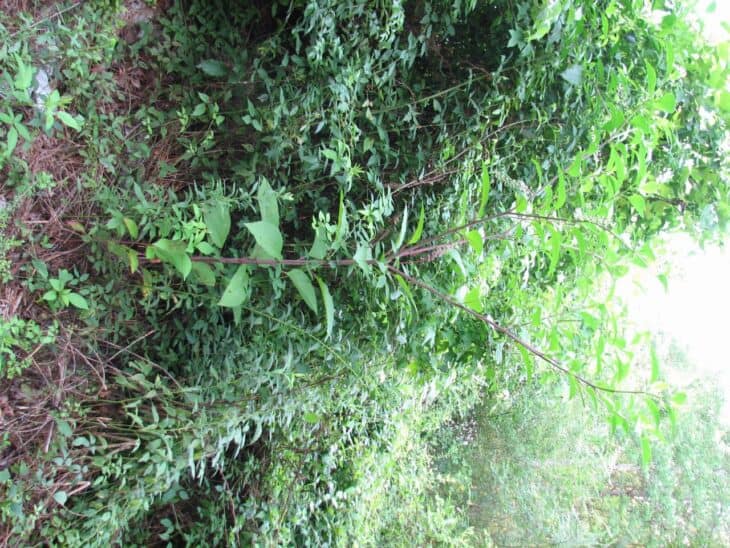
Stems are erect and can reach 4 to 10 feet tall with a spread commonly around 3 to 6 feet. Flowers form elongated racemes in mid to late summer and give way to glossy dark purple berries that persist into fall. Birds eat the fruit and disperse seed, helping new plants appear downwind or along fence lines.
Best uses and where it grows
Use American Pokeweed only in naturalized areas such as wildlife plots, field edges or informal native buffers where its height and berries provide food for birds. It tolerates full sun to part shade and a wide range of soils. Avoid planting near play areas or where children, pets or grazing animals can access it because it is toxic.
Planting and seasonal timing
Plants bloom from summer into early fall, with flowers typically appearing June through September in the northern hemisphere. Propagate by seed or by root crowns; seeds are readily spread by birds. Space established plants roughly 3 to 6 feet apart to accommodate typical mature spread and to limit unwanted crowding.
Watering and soil
Pokeweed prefers rich, moist, well drained soil but tolerates poor and disturbed soils. Consistent moisture and fertile sites produce taller plants and heavier berry set. Waterlogged soils reduce root health and very dry, infertile sites produce smaller, less floriferous plants with fewer berries.
After-flowering care and maintenance
To limit seeding, cut or remove fruiting stalks before birds feed on berries. In colder regions plants die back to the root crown in winter. Wear gloves and avoid skin contact with sap when cutting or digging because all plant parts are considered toxic to people and many livestock species.
Controlling spread and removal
Control relies on removing seed sources and root crowns. Remove ripe fruit clusters before birds disperse seed and dig out or excavate the root crown to prevent resprouting. Repeated mowing or pulling of young shoots helps but vigorous root crowns may require persistent removal. Check local extension guidance for any nuisance or invasive listings.
Frequently asked questions
- How fast does American Pokeweed grow?
- Fast growing; typically reaches 4 to 10 feet where conditions are favorable and can form large stands over time.
- Is it poisonous?
- Yes. All parts are toxic to people and many livestock; birds eat the berries but humans and pets should not.
- How does it spread?
- Primarily by seed dispersed by birds and by resprouting from root crowns.
- How do I control it?
- Remove seedheads before birds disperse seed, dig out root crowns and repeat removals; wear gloves when handling.
Gallery
Related Plants


Mentioned In (2)

Plants
11 Plants That Look Like Elderberry
The red or purplish-black drupe-shaped fruit of the elderberry makes a star ingredient for jelly or pie. With a current…
Plants
5 Plants That Look Like Grapes
Grapes have been growing on Earth for approximately sixty-five million years, and humans have cultivated them for over eight thousand…