Key Facts
- A small rosette-forming succulent often sold as a houseplant.
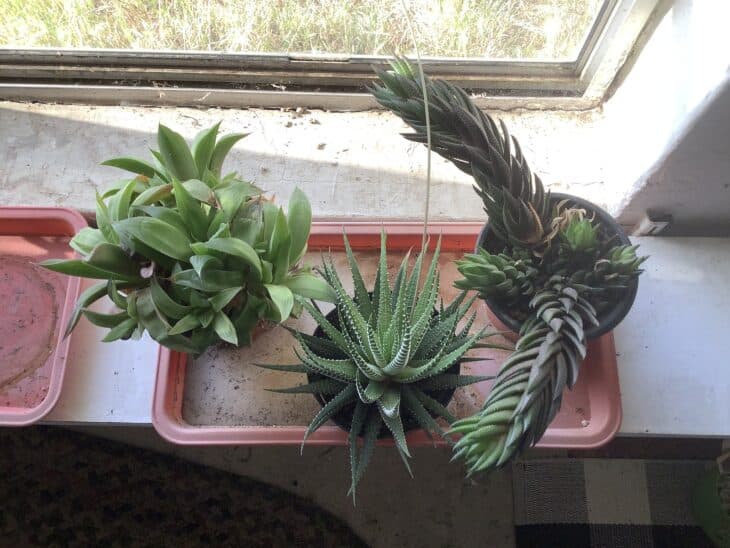
- Has fleshy dark green leaves with raised white tubercles that give a zebra stripe look.
- Slow to moderate growth rate and forms offsets to create clumps.
- Needs very well draining soil and infrequent watering.
- Prefers bright light or morning sun and tolerates filtered indoor light.
- Produces thin flower stalks with small tubular white flowers in cooler seasons.
- Not a true cactus but commonly called zebra cactus in commerce.
- Reported as non toxic to cats and dogs by pet safety references.
Zebra Cactus (Haworthiopsis attenuata) is a small rosette forming succulent prized for its dark green leaves marked with raised white tubercles that resemble zebra stripes. It is widely used as a compact houseplant or in rock garden containers where bright light and sharp drainage are available.
Identification
Rosettes are compact and typically reach about 3 to 8 inches tall with a clumping habit that can spread roughly 6 to 12 inches as offsets form. Leaves are fleshy and dark green with prominent raised white tubercles that create the striped look. It is not a true cactus though commonly called one in commerce.
Best uses and where to grow
Use as an indoor accent in small pots or in outdoor rock gardens and crevices in warm climates. Recommended for outdoor planting in USDA zones 9 to 11 where frost is rare. Treat plants as tender houseplants in colder areas and move them indoors before frost arrives.
Planting and spacing
Plant or repot into a free draining gritty mix and space plants to allow clumps to form about 6 to 12 inches apart depending on whether you will keep or remove offsets. Outdoors wait until danger of frost has passed in suitable zones. Do not plant in heavy or waterlogged soils to avoid root loss.
Soil and light
Grow in a very well draining sandy or gritty mix that is neutral to slightly acidic. Bright light or morning sun suits the species and it tolerates filtered indoor light. Protect leaves from hot afternoon sun which can scorch or bleach the tubercles while more light can intensify the striping.
Watering and common problems
Water infrequently and allow the potting mix to dry between waterings. Overwatering or poor drainage leads to root rot and collapse of rosettes. Underwatering will cause shriveling of leaves but is less likely to kill a mature plant than prolonged wet soil. Watch for soft discolored bases as a sign of rot.
Flowering and after flowering care
Zebra Cactus produces thin flower stalks bearing small tubular white flowers in cooler seasons often late winter to spring. After flowering remove spent flower stalks and continue routine care in a bright, free draining mix. Bloom timing varies with light, temperature and plant age.
Propagation and controlling spread
Offsets or pups are the easiest and most reliable propagation method and root readily when removed and potted up. Leaf cuttings and seed are also possible. Control natural spread by removing offsets if you prefer single rosettes or by repotting to limit clump size.
Containers and indoor culture
Do best in shallow pots with sharp drainage and a gritty potting mix. Place near a bright window that provides strong light or morning sun while avoiding hot midday exposure. Treat as a tender houseplant in cool climates and bring containers indoors before nights approach freezing.
Toxicity and pets
Reported as non toxic to cats and dogs by the ASPCA but ingestion can still cause stomach upset. If a pet eats part of the plant contact local poison control or a veterinarian for guidance. Keep plants out of reach of overly curious pets when possible.
Frequently asked questions
- How fast does Zebra Cactus grow?
- Growth is slow to moderate and plants expand mainly by forming offsets. Expect modest increase in clump size over months rather than rapid yearly growth.
- How often should I water a Zebra Cactus?
- Water only when the soil is dry to the touch. Infrequent watering with good drainage prevents root rot and keeps rosettes firm and healthy.
- Can Zebra Cactus be grown outdoors?
- Yes in warm climates roughly USDA zones 9 to 11. In cooler zones keep plants as houseplants or provide frost protection before cold weather.
- How do I propagate Zebra Cactus?
- Best by removing and potting offsets. Leaf cuttings or seed also work but offsets give the quickest and most reliable results.
- Will too much sun damage the leaves?
- Strong hot afternoon sun can scorch or bleach the leaves. Provide bright indirect light or morning sun to enhance striping without causing sunburn.
Gallery