
Key Facts
- Tropical aroid grown primarily for its striking foliage.
- Commonly kept as a houseplant in temperate regions.
- Prefers bright indirect light and high humidity.
- Likes rich, well draining soil that stays evenly moist.
- Sensitive to cold and not frost hardy outdoors in most climates.
- Toxic if ingested to people and pets causing oral irritation.
- Typically propagated by division of rhizomes or offsets.
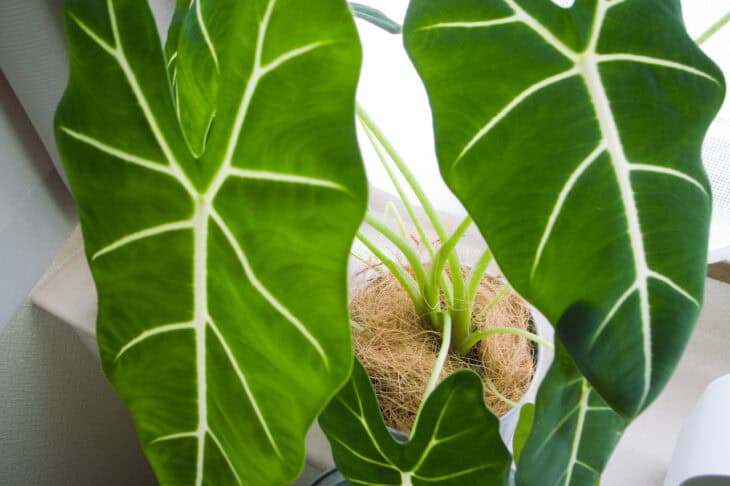
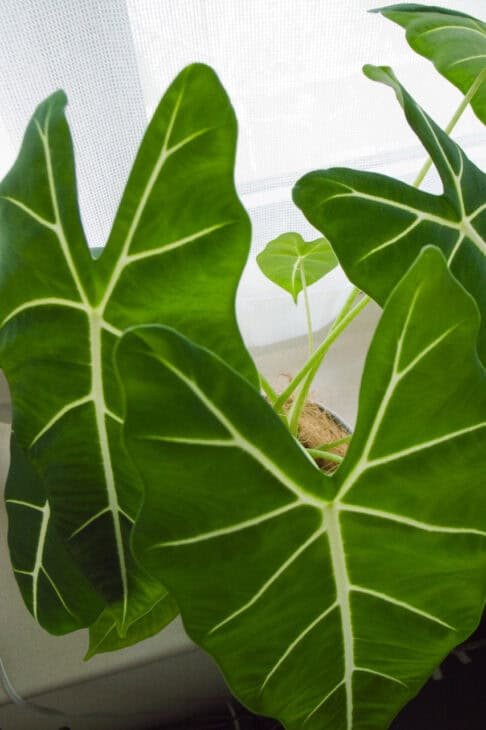
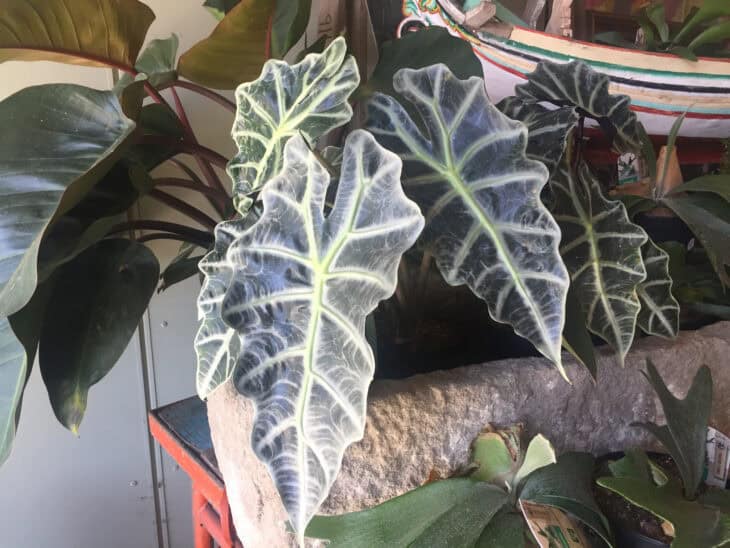
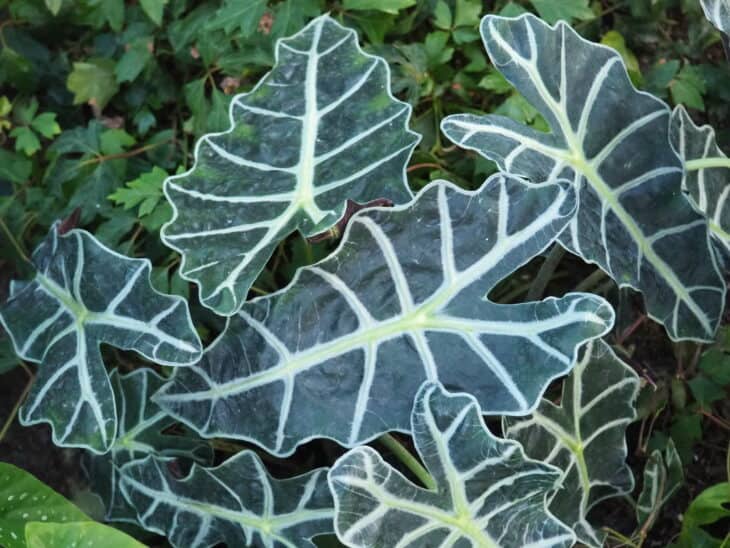
Green Velvet Alocasia is a tropical aroid prized for bold green foliage and compact form when grown as a houseplant. It performs best where bright filtered light and steady humidity support glossy leaves while cold and waterlogged soil are avoided.
Identification
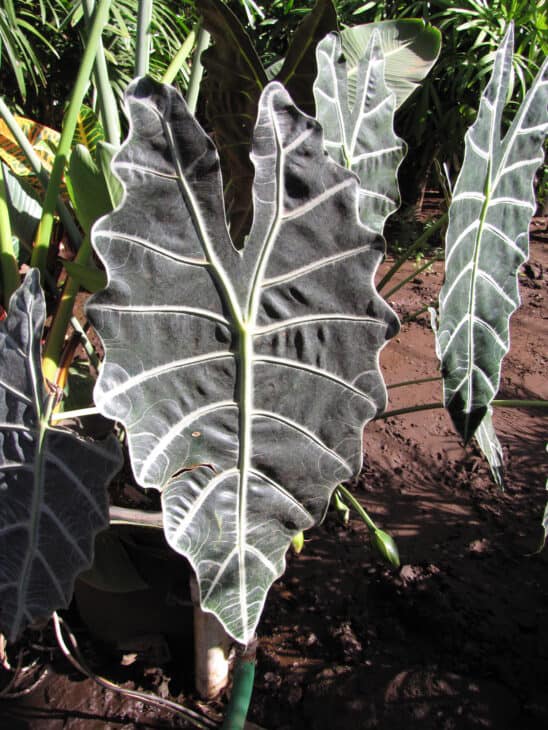
Green Velvet Alocasia refers to the commonly sold Alocasia amazonica type that is grown for striking leaves rather than blooms. In typical indoor culture plants reach roughly 12 to 24 inches tall and a similar spread. The plant is a tender aroid and is usually managed as a potted ornamental in temperate homes.
Where to grow and best uses
Use this Alocasia as an indoor specimen for bathrooms and bright rooms where humidity can be maintained or as a container patio plant in frost free climates. Outdoors it is suitable only in warm USDA zones around 9 to 11. In colder areas grow in pots so the plant can be moved indoors when temperatures fall.
Soil and potting
Plant in a rich potting mix that drains well while holding organic matter. Aim for a mix that stays evenly moist without becoming waterlogged. Avoid heavy compacted soils which promote root rot. Repot into a slightly larger container when the clump fills the pot and roots begin circling at the drainage holes.
Light and humidity
Provide bright indirect light and protect leaves from prolonged direct sun which causes browning. The plant prefers high humidity and will slow growth and produce smaller leaves in low humidity. Grouping plants, using a humidifier or placing trays of water nearby helps maintain steady moisture in the air for healthier foliage.
Watering and common problems
Keep the potting mix evenly moist during the growing season and reduce frequency in cooler months while avoiding long dry spells. Poor drainage or persistent soggy soil leads to root rot and yellowing leaves while too little moisture causes limp or collapsed foliage. Cold temperatures cause leaf damage and should be avoided.
Propagation and pot size
Propagate by dividing rhizomes or separating offsets when the plant is actively growing. Use clean cuts and allow divisions to callus briefly before replanting in fresh mix. Seed propagation is possible but uncommon in cultivation. Choose a pot that allows a modest root ball and increase pot size only when the clump becomes crowded.
Maintenance and safety
Remove yellow or damaged leaves to keep the plant tidy and to reduce pest hiding places. Monitor drainage and replace tired potting mix to prevent rot. Keep out of reach of children and pets because the plant contains calcium oxalate crystals that cause oral irritation and may require medical or veterinary attention if ingested.
Frequently asked questions
- How fast does Green Velvet Alocasia grow?
- Growth rate depends on light humidity temperature and pot size. In typical indoor culture plants often reach about 12 to 24 inches tall. How quickly that size is reached varies with care and environment.
- Is Green Velvet Alocasia safe for pets?
- No. The plant contains insoluble calcium oxalate crystals that cause oral pain drooling vomiting and swelling if chewed or swallowed. Seek veterinary care if ingestion is suspected.
- Can it be grown outdoors?
- Yes in warm frost free areas roughly USDA zones 9 to 11. In cooler climates grow in containers so the plant can be brought indoors when temperatures drop.
- How do I prevent root rot?
- Use a free draining rich mix avoid compacted soil and ensure pots have drainage holes. Water to keep the mix evenly moist and stop watering if the soil remains soggy for extended periods.
- When should I divide the plant?
- Divide when the plant is actively growing and the clump becomes crowded or offsets are visible. Make clean cuts allow divisions to settle in fresh mix and keep humidity steady while roots reestablish.
Gallery





Related Plants


Mentioned In (1)

Plants
6 Plants That Look Like Monstera
Monsteras live up to their name, with oversized, dramatic leaves that instantly read “tropical.” They’re a standout houseplant for homes…