
Key Facts
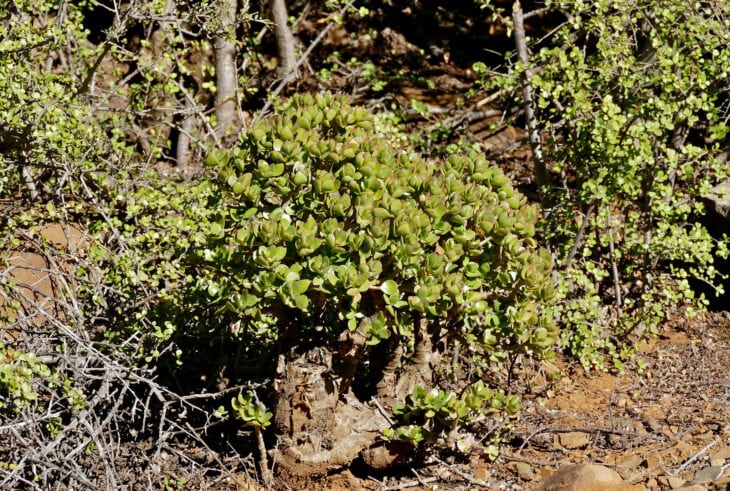
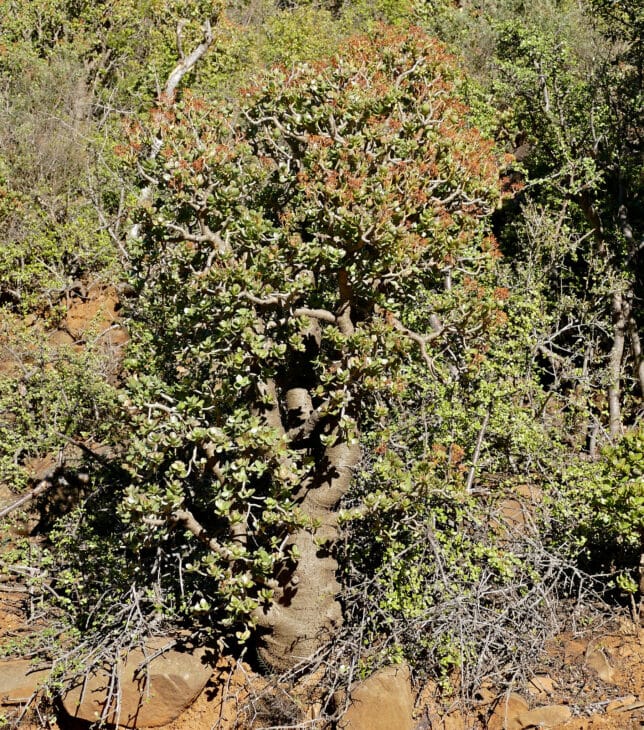
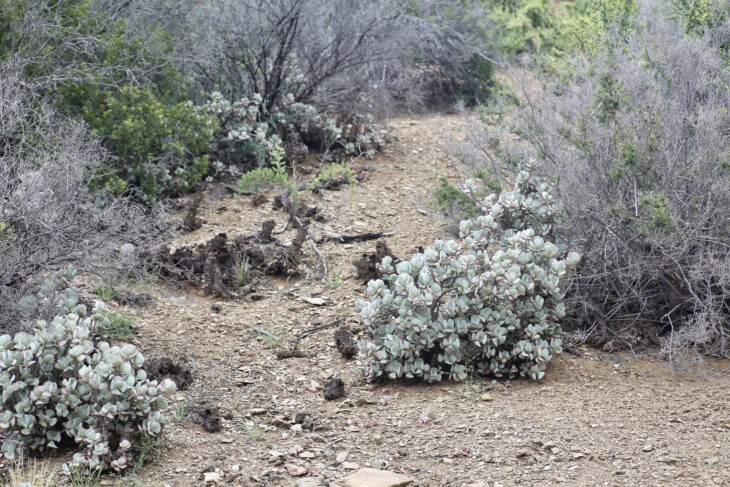
- A succulent shrub native to South Africa.
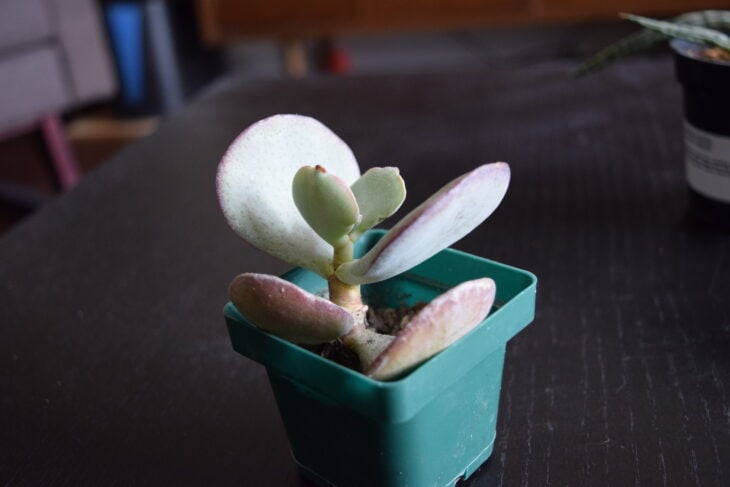
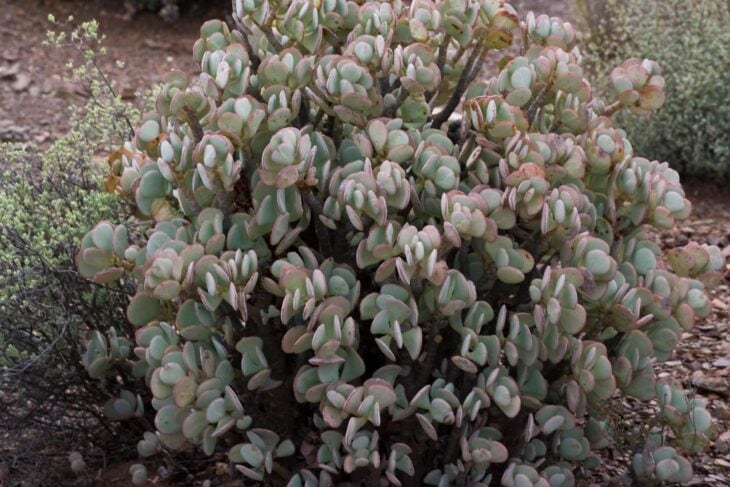
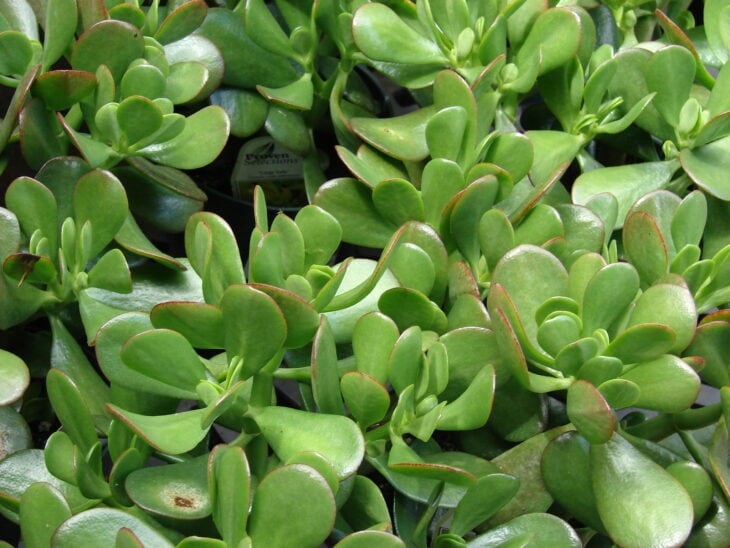
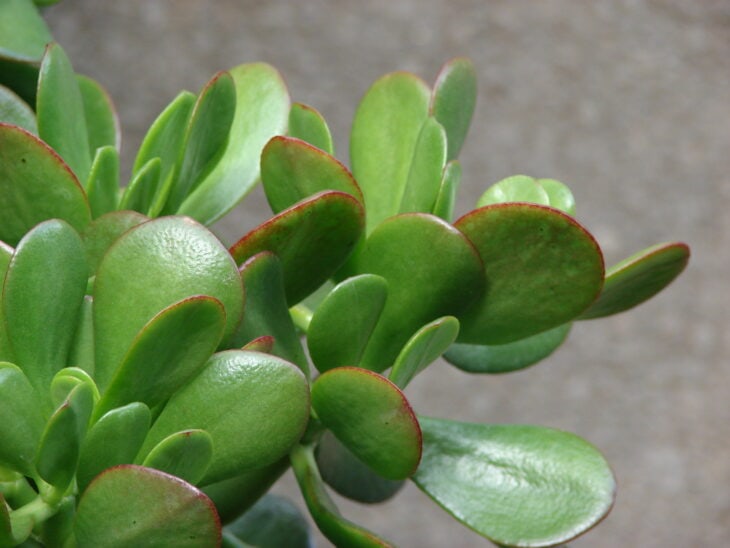
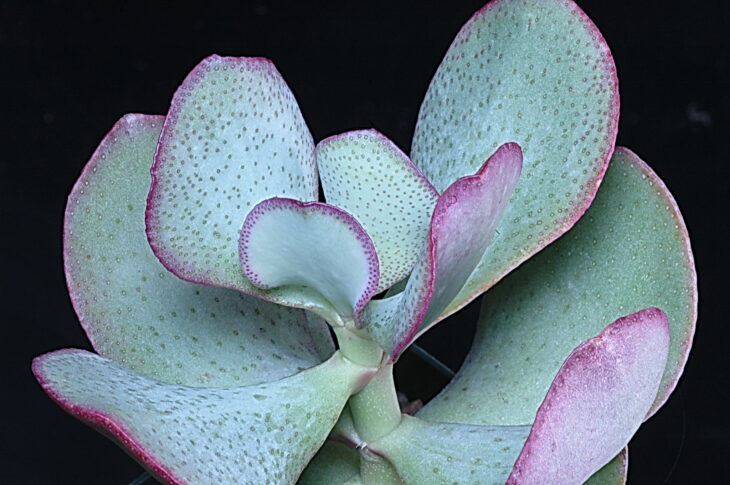
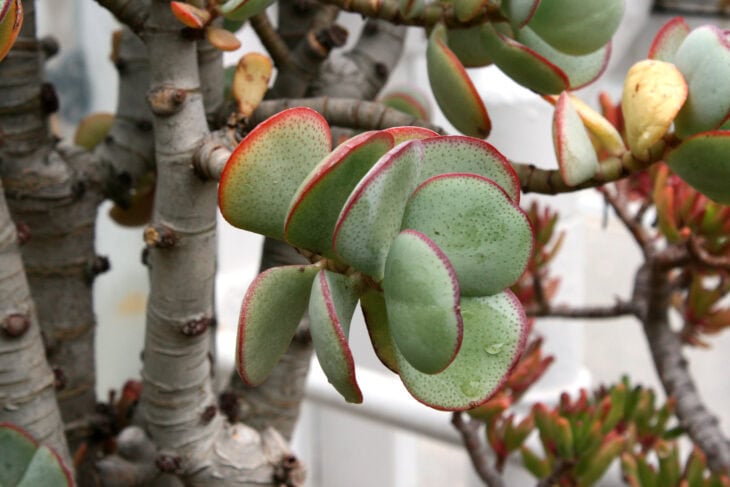
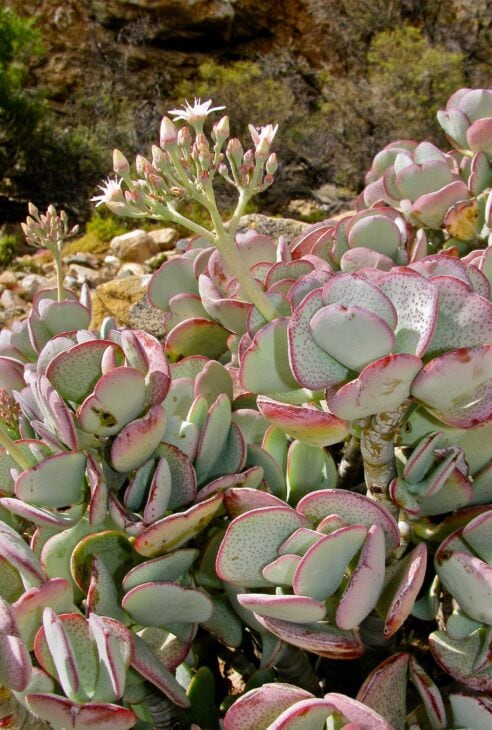
- Has thick rounded, often silvery leaves that look like coins.
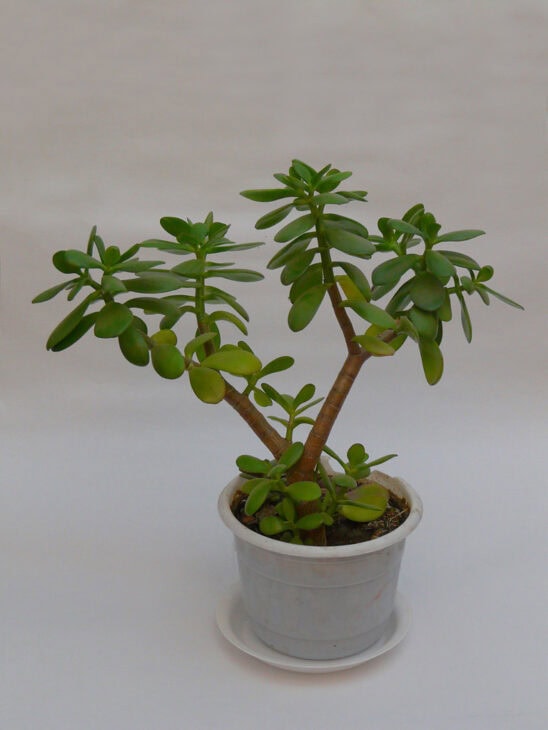
- Used in containers, rock gardens, and succulent borders.
- Prefers very well drained, sandy or gritty soils.
- Tolerates drought but is prone to root rot in waterlogged soil.
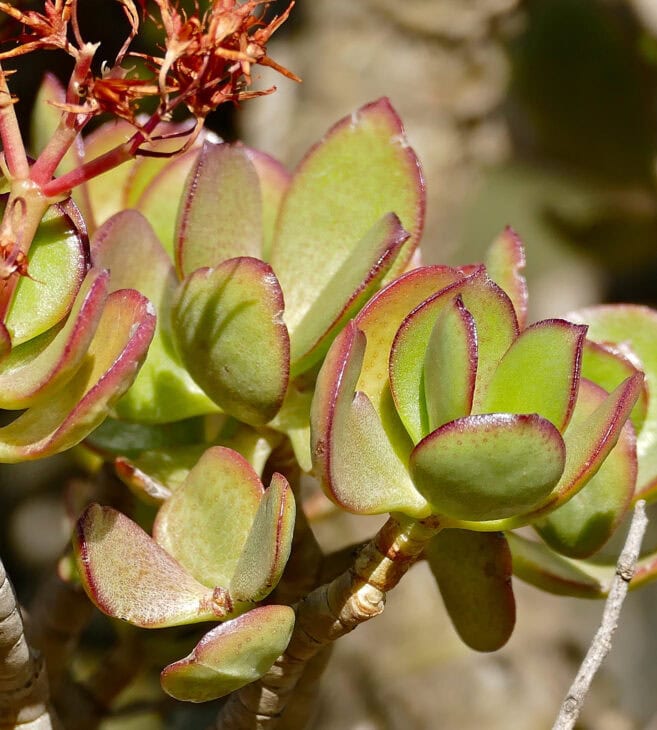
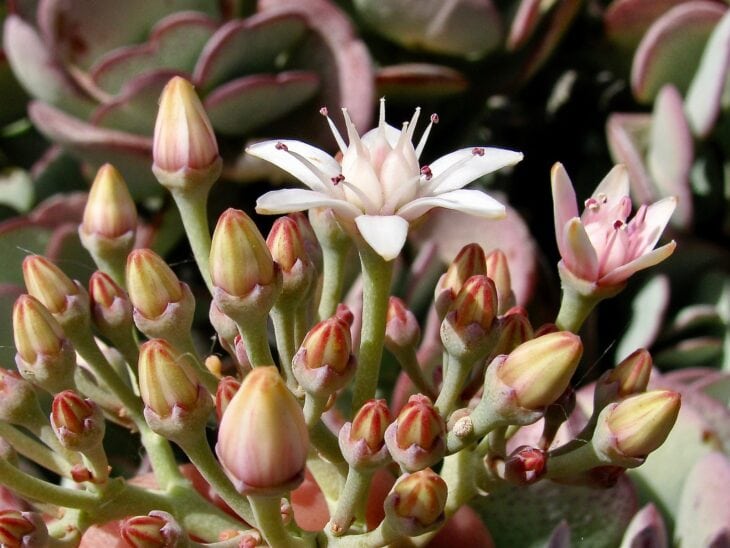
- Produces clusters of small white to pinkish flowers in cooler seasons.
- Easily propagated by stem or leaf cuttings and offsets.
- May be toxic to pets if ingested.
Silver Dollar Plant (Crassula arborescens) is a silver leaved succulent shrub grown for its rounded coin like foliage and ease of culture. It suits pots rock gardens and warm climate landscapes when given bright light and very well drained soil.
Identification
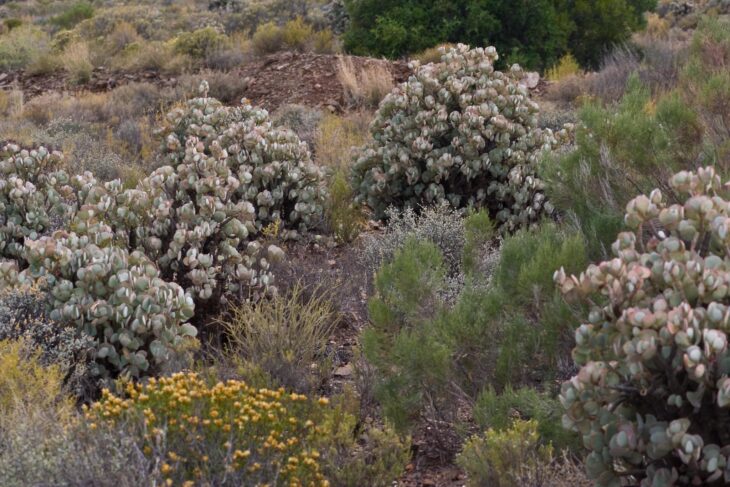
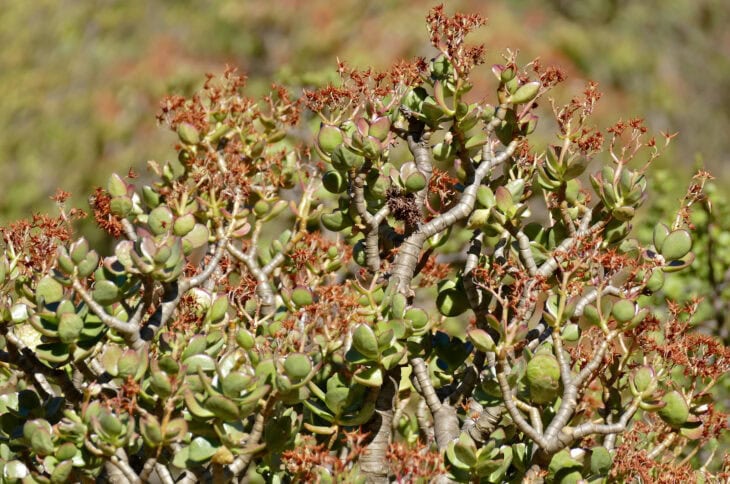
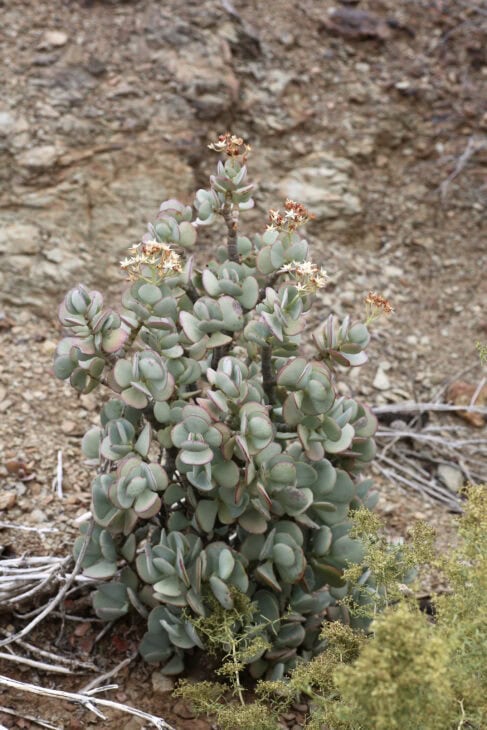
Crassula arborescens forms a shrubby succulent with thick rounded leaves that often have a silvery cast and resemble coins. Plants produce clusters of small white to pinkish flowers in the cooler season and typically grow to about 2 to 5 feet high with a spread of roughly 2 to 6 feet depending on cultivar and site.
Best uses and where to grow
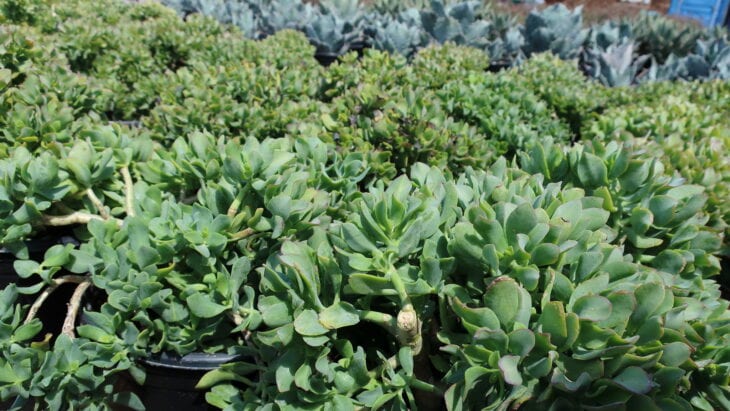
Use Silver Dollar Plant in containers rock gardens and succulent borders where well drained soil and bright light are available. It performs best in warm temperate landscapes within USDA 9 to 11 and is often grown under glass or moved indoors where winters are colder to avoid frost damage and winter dieback.
Soil and potting
Give this succulent very well drained sandy or gritty soil and avoid heavy clay or sites that stay wet. In pots use a cactus or gritty mix and include extra coarse sand or perlite to improve drainage so roots do not sit in moisture which leads to rot and leaf drop.
Light and temperature
Plant in a sunny position where it will receive full sun to part shade and provide bright light when grown indoors. Protect plants from the hottest afternoon sun in very hot climates to prevent leaf scorch and note that below USDA 9 this species will suffer frost damage and may die back in winter.
Watering and common problems
Allow the soil to dry between thorough waterings to avoid root rot which occurs in waterlogged soil. The plant tolerates drought but overwatering causes swollen soft stems leaf drop and root failure so err on the side of underwatering rather than keeping soil constantly moist.
Planting and spacing
Space plants according to the expected mature spread which ranges from 2 to 6 feet or use the smaller spacing for containers. Establish new plants when temperatures are reliably warm and plant where drainage is excellent to reduce risk of winter wet and root loss.
Propagation and pruning
Propagate by stem and leaf cuttings and by division of offsets and seed. Allow cut surfaces to callus before planting into a free draining mix and keep cuttings dry until roots form. Prune leggy stems to encourage branching and remove unwanted suckers to control spread.
After flowering care and seasonal tips
Flowers appear in the cooler season and timing varies with climate so expect bloom from winter to spring in many areas. Remove spent flower clusters and tidy stems to keep a neat habit and reduce the chance of moisture collecting at the crown which can invite rot.
Toxicity and pet safety
Crassula species are reported to be toxic to cats and dogs and this species may be harmful if ingested so keep plants away from pets and children. Confirm species specific toxicity with a poison control authority if there is concern and seek veterinary care if ingestion occurs.
Frequently asked questions
- How fast does Silver Dollar Plant grow?
- Growth is moderate to slow and plants commonly reach the typical mature height of 2 to 5 feet over several years depending on light water and climate.
- Is Silver Dollar Plant drought tolerant?
- Yes it tolerates drought well but suffers if roots remain waterlogged so allow the potting mix or garden soil to dry between waterings.
- Can I grow it indoors?
- Yes provide bright light or a sunny window and a very well drained potting mix then avoid overwatering to keep it healthy indoors.
- How do I propagate it?
- Use stem and leaf cuttings or divide offsets allow wounds to callus and place into a dry free draining mix until roots form.
- Is it frost hardy?
- It is best suited to USDA 9 to 11 and below that range expect frost damage and winter dieback.
Gallery
Related Plants


Mentioned In (1)
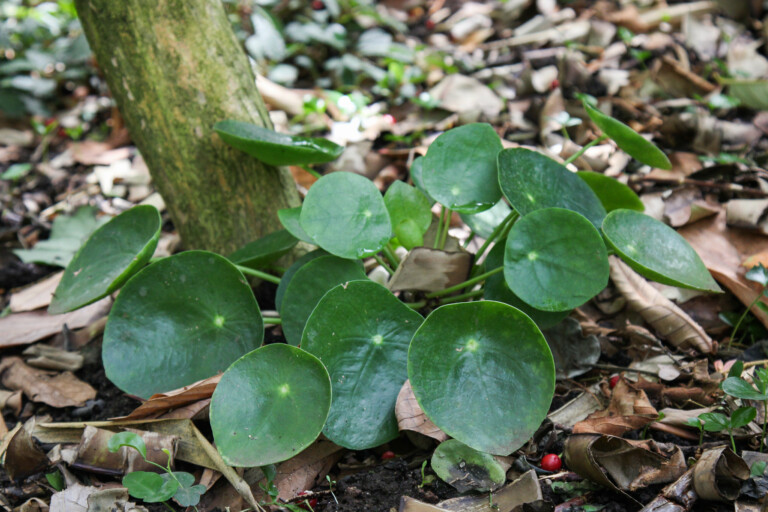
Plants
10 Plants That Look Like Pilea Peperomioides (Chinese Money Plant)
Pilea peperomioides got its common name, the Chinese money plant, from its leaves which are round and shaped like coins.…