
Key Facts
- A vining plant in the grape family grown as a houseplant or patio vine.
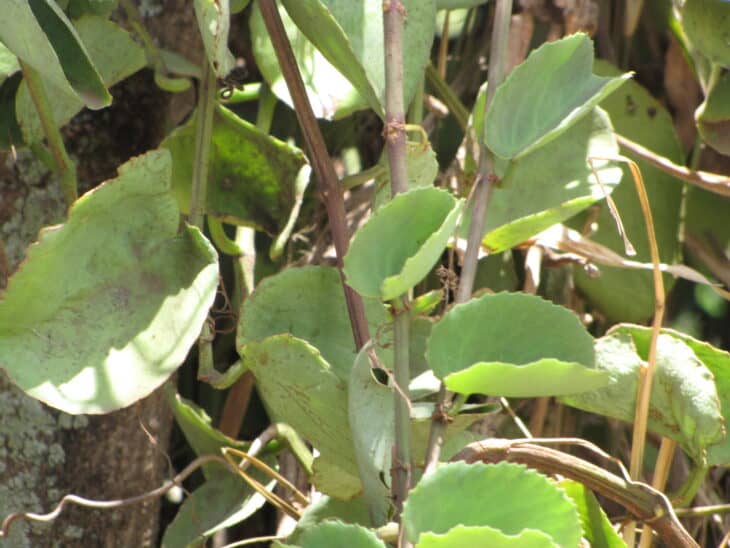
- Has small rounded leaves that form a dense canopy on flexible stems.
- Prefers bright indirect light and tolerates partial shade.
- Does best in well draining, evenly moist potting mix.
- Propagates easily by stem cuttings and layering.
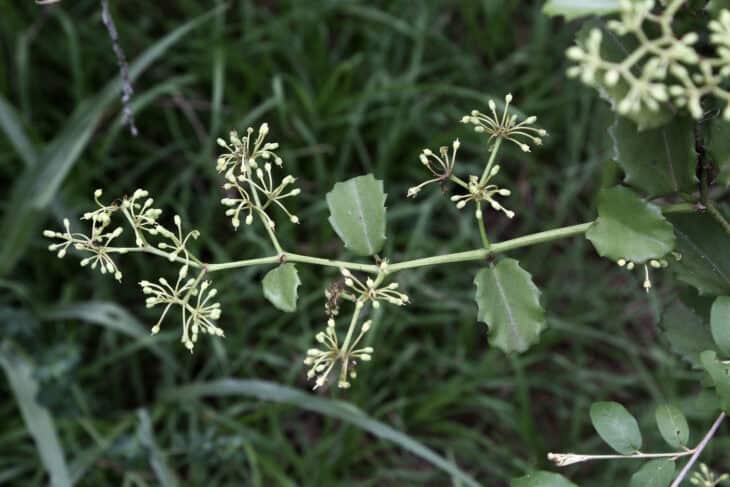
- Rarely flowers or sets fruit when grown indoors.
- Cold causes dieback while warm conditions support vigorous growth.
Peruvian Grape Ivy (Cissus rotundifolia) is a vining ornamental in the grape family valued for a dense canopy of small rounded leaves. It suits hanging baskets, trellises and indoor display where bright indirect light is available and heavy frost is avoided.
Identification
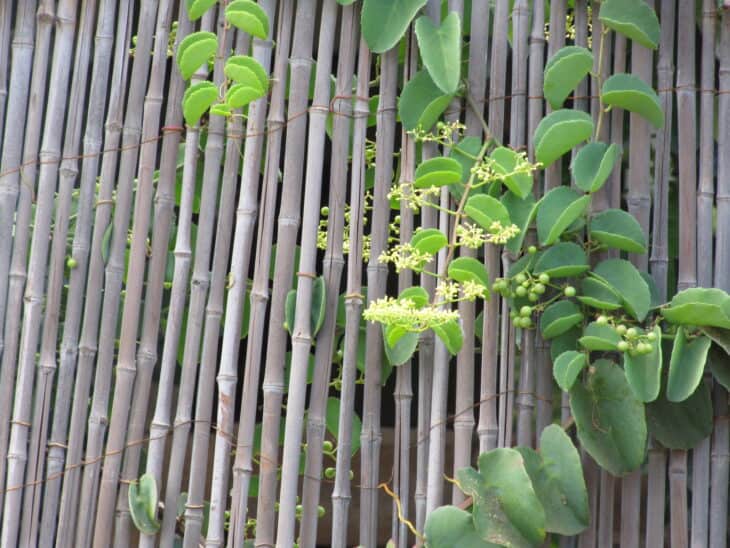
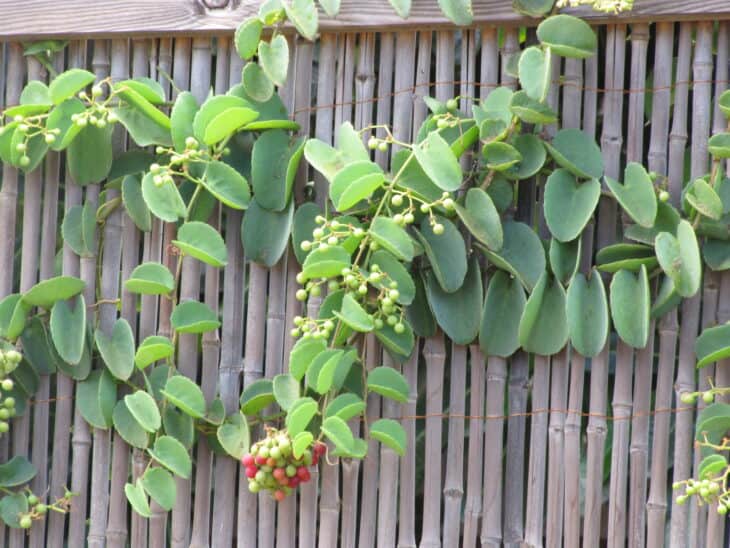
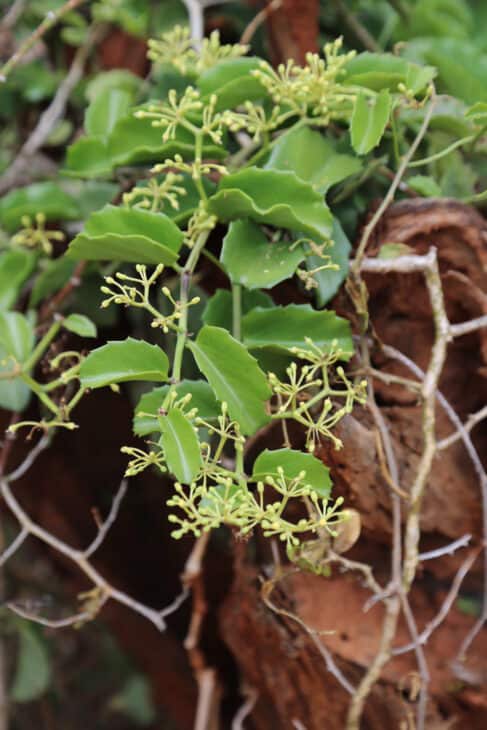
Leaves are small and rounded and they form a compact, glossy canopy along flexible stems. Stems are slender and easily trained to trail or climb. Plants grown indoors rarely flower or set fruit so foliage is the main feature for display.
Where to grow and best uses
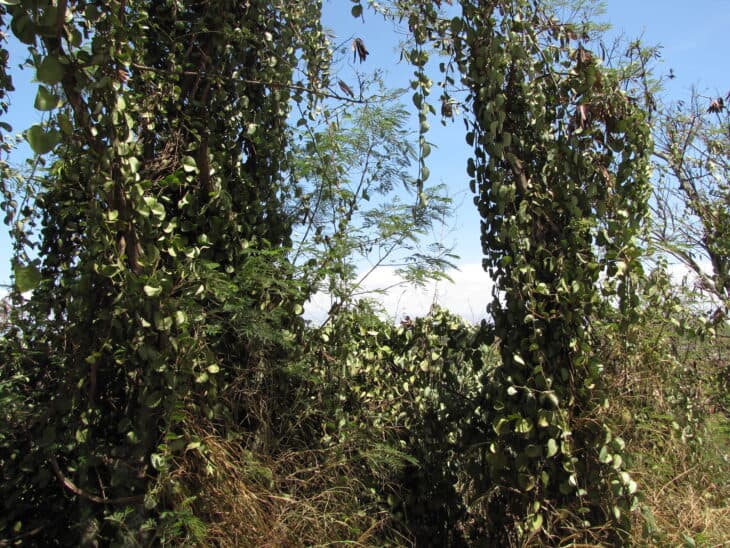
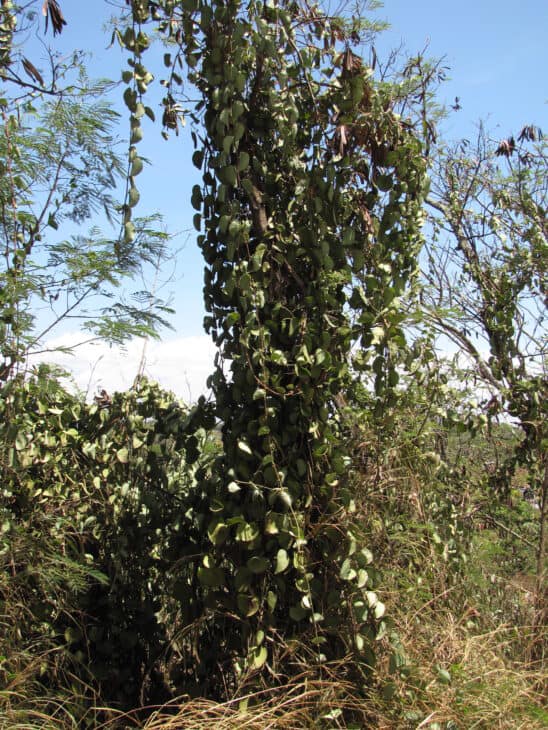
Use Peruvian Grape Ivy as a trailing houseplant, patio vine or on a lightweight trellis. It performs well in hanging baskets and as a shelf plant that can spill over the edge. In warm climates it grows more vigorously while cooler locations limit growth and require container culture for winter protection.
Planting and potting
Choose a pot with good drainage and a fertile, well draining potting mix that holds moderate moisture. Avoid heavy, waterlogged mixes that cause root rot. Repot when roots circle the pot and refresh the top third of the mix annually to maintain fertility and aeration.
Light needs
Bright indirect light produces the fullest leaf color and the steadiest growth. The plant tolerates partial shade and lower light with slower, leggier growth. Avoid hot afternoon sun which can scorch the thin leaves and cause browning.
Watering and soil
Keep the potting mix evenly moist but not waterlogged. Let the top inch of mix dry slightly between waterings to prevent soggy conditions. Poor drainage and prolonged wet soil lead to root rot and a slow decline in foliage health.
Propagation
Propagate easily from softwood or semi ripe stem cuttings placed in water or a well draining mix. Layering is also effective when stems are trained over soil. Keep humidity elevated and roots will form quickly under warm, bright conditions.
Pruning and control
Trim to shape and to limit spread. Regular pruning keeps vines compact and encourages denser leafing. Use pruning to renew worn stems and to remove any winter dieback. Trimming also prevents the plant from overextending on supports or crowding nearby plants.
Containers and moving indoors
Peruvian Grape Ivy works well in containers that allow trailing or gentle climbing. In cooler seasons move pots indoors to protect from cold. Containers let you control moisture and light which improves performance compared with planting in poorly drained ground.
Frequently asked questions
- How fast does Peruvian Grape Ivy grow?
- Growth rate varies with light and temperature. In warm bright spots it can grow vigorously and reach typical vine length more quickly. In low light growth is slower and stems become leggier.
- Is Peruvian Grape Ivy safe for pets?
- No authoritative poison control record was confirmed in this draft. Verify safety with your regional poison control center or veterinarian before assuming it is non toxic to pets or children.
- Does it flower indoors?
- Plants grown indoors rarely flower or set fruit. Foliage is the primary ornamental feature for indoor and patio use.
- What soil mix is best?
- A well draining, fertile potting mix that retains moderate moisture works best. Avoid heavy soils that remain waterlogged and cause root health problems.
- How should I propagate it?
- Take softwood or semi ripe stem cuttings and root them in water or a well draining mix. Layering is also a reliable method when stems are long enough to reach soil.
- How much space does it need?
- When trained on a support or grown in a hanging basket it commonly spreads about three to six feet. Use pruning to control spread and keep growth within the space available.
Gallery
Related Plants


Mentioned In (1)
Plants
10 Plants That Look Like Pilea Peperomioides (Chinese Money Plant)
Pilea peperomioides got its common name, the Chinese money plant, from its leaves which are round and shaped like coins.…