
Key Facts
- Tropical evergreen grown primarily as a houseplant for its raindrop shaped leaves.
- Compact, slow to moderate grower suited to containers.
- Prefers a freely draining potting mix and moderate humidity.
- Does best in bright indirect light and tolerates lower light for short periods.
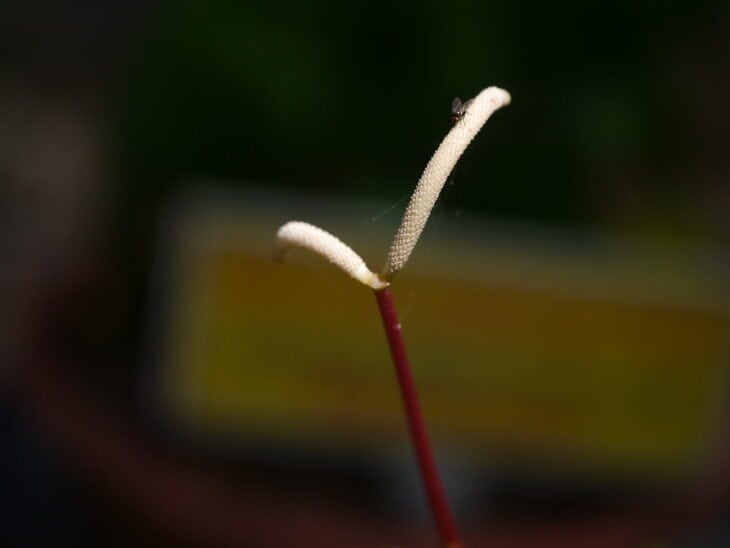
- Produces small, inconspicuous flower spikes that are not grown for display.
- Easily propagated from stem or leaf cuttings and by division.
- Not frost hardy and usually kept indoors outside warm climates.
- Considered non toxic to cats and dogs according to major pet-safety sources.
Raindrop Peperomia (Peperomia polybotrya) is a compact tropical houseplant grown for its glossy, raindrop shaped leaves and tidy clumping habit. It makes a good container specimen for shelves, desks, or mixed indoor plantings, though it is not frost hardy and is primarily valued for foliage rather than flowers.
Identification
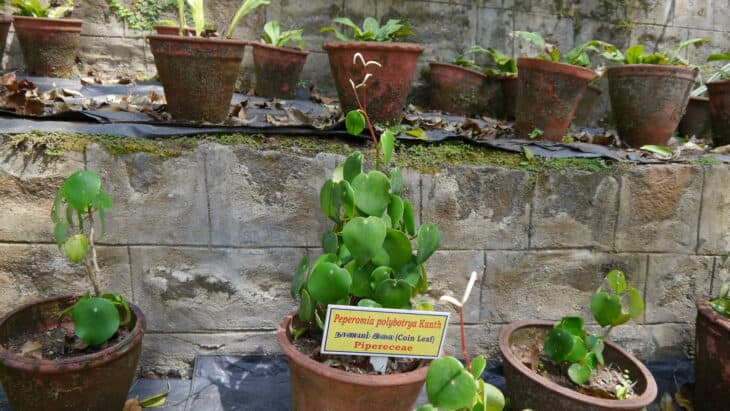
Peperomia polybotrya has thick, glossy leaves shaped like raindrops or elongated hearts which give the plant its common name. As a tropical evergreen, it stays compact in cultivation and typically reaches about 8 to 12 inches tall in containers. Small, slender flower spikes appear occasionally but are inconspicuous and not a main feature.
Best uses and where to grow
This species works well as a small houseplant for tabletops, shelves, and grouped displays where bright filtered light is available. It is treated as an indoor plant in most climates because it is not frost hardy and should only be placed outdoors in very warm, frost free locations. Keep it in a stable indoor spot for best results.
Light and placement
Bright indirect light produces the strongest growth and best leaf form while the plant tolerates lower light for short periods. Avoid strong direct sun which can scorch leaves and alter color or shape. When moving the plant to a brighter position, acclimate it gradually to prevent leaf damage and stressed growth.
Soil and watering
Use a freely draining potting mix or soilless blend with organic matter and coarse material such as perlite so water does not sit against the roots. Water lightly and allow the potting mix surface to dry between waterings. Overly wet conditions lead to root rot and a general decline often visible as yellowing leaves and soft stems.
Temperature and hardiness
Raindrop Peperomia is not frost hardy and is generally kept indoors. Protect it from temperatures near freezing and from cold drafts. In warm, truly frost free climates the plant can be used outdoors, but most growers treat it as a tender houseplant and avoid outdoor exposure where temperatures drop toward freezing.
Propagation and repotting
Propagation is straightforward by stem cuttings, leaf cuttings, or division, and cuttings will often root readily in water or a moist soilless mix. For repotting, move to a slightly larger pot when the plant becomes rootbound and during the active growing season for best recovery. Use sterile tools and avoid overly wet conditions after repotting.
Blooming and after flowering care
Occasional slender flower spikes may appear but they are small and rarely affect care needs. Remove spent spikes if you prefer a tidier appearance. Continue regular light watering and provide bright filtered light to maintain foliage health after flowering.
Containers and styling
The plant’s compact, slow to moderate habit makes it very suitable for small pots and decorative containers that have drainage holes. Choose a freely draining potting mix and avoid oversized pots that hold excess moisture. Raindrop Peperomia works well in mixed houseplant arrangements or as a single specimen where its leaf shape can be admired up close.
Problems and troubleshooting
The most common problem is root rot from poor drainage or overwatering, which causes soft stems and yellowing leaves. Keep the soil aerated and allow surface drying between waterings to prevent rot. Inspect the foliage periodically for signs of stress and adjust water and light rather than increasing feed if growth slows.
Frequently asked questions
- How fast does Raindrop Peperomia grow?
- It is a slow to moderate grower that stays compact in containers, commonly reaching about 8 to 12 inches tall in cultivation.
- Is Raindrop Peperomia safe for pets?
- Major pet safety sources list Peperomia species as non toxic to cats and dogs, though ingesting plant material can still cause mild stomach upset in sensitive animals.
- How often should I water Raindrop Peperomia?
- Water lightly and allow the potting mix surface to dry between waterings. Avoid keeping the soil constantly wet because this commonly leads to root rot and plant decline.
- Can Raindrop Peperomia be grown outdoors?
- Only in very warm, frost free climates. In most areas it is grown indoors because it is not frost hardy and should be protected from near freezing temperatures.
- What is the easiest way to propagate this plant?
- Propagate by stem cuttings, leaf cuttings, or division. Cuttings root readily in water or a moist soilless mix when given gentle humidity and good drainage.
Gallery
Related Plants


Mentioned In (1)
Plants
10 Plants That Look Like Pilea Peperomioides (Chinese Money Plant)
Pilea peperomioides got its common name, the Chinese money plant, from its leaves which are round and shaped like coins.…