
Key Facts
- Perennial creeping groundcover that spreads by stolons.
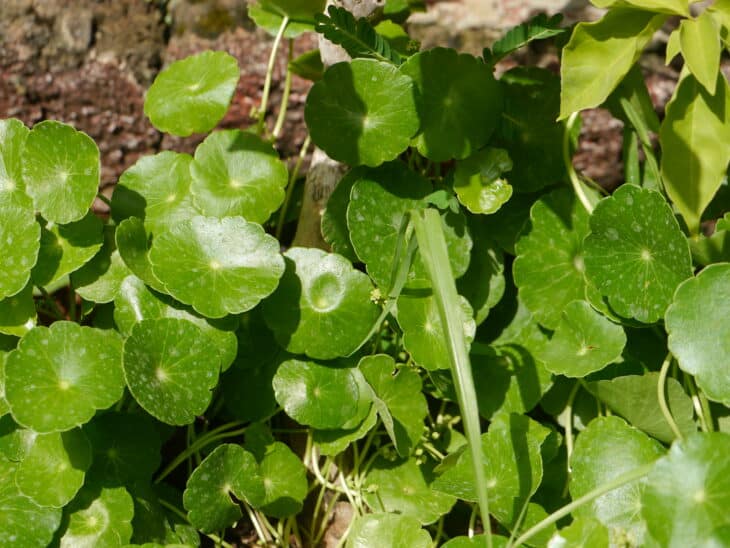
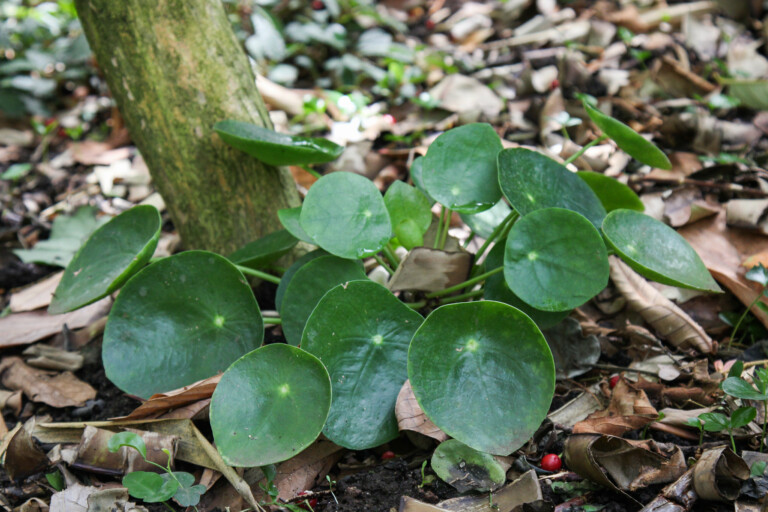
- Leaves are small, rounded, and often borne in a whorl.
- Prefers consistently moist to wet soils and tolerates poor drainage.
- Used in bog gardens, edges of ponds, and as an aquarium or paludarium plant.
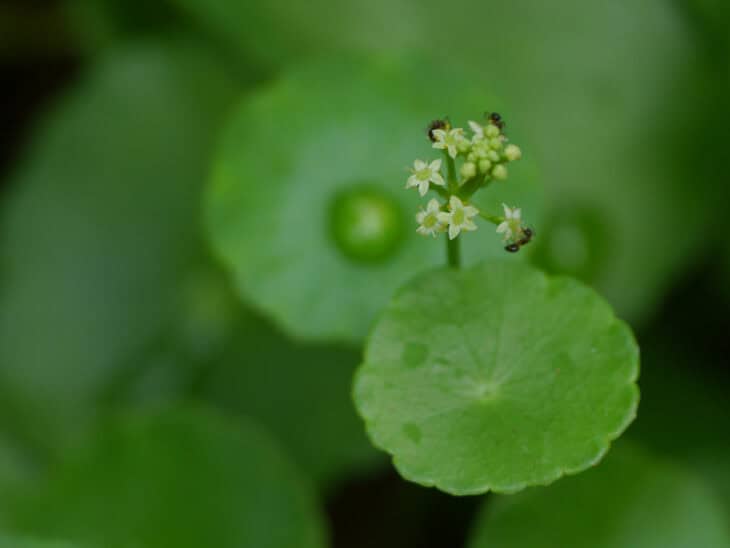
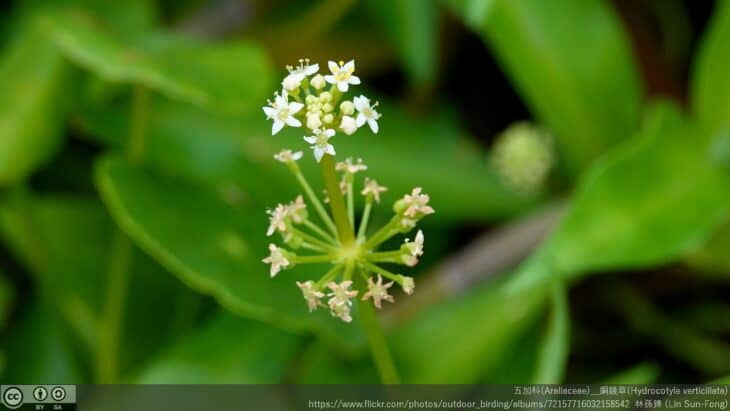
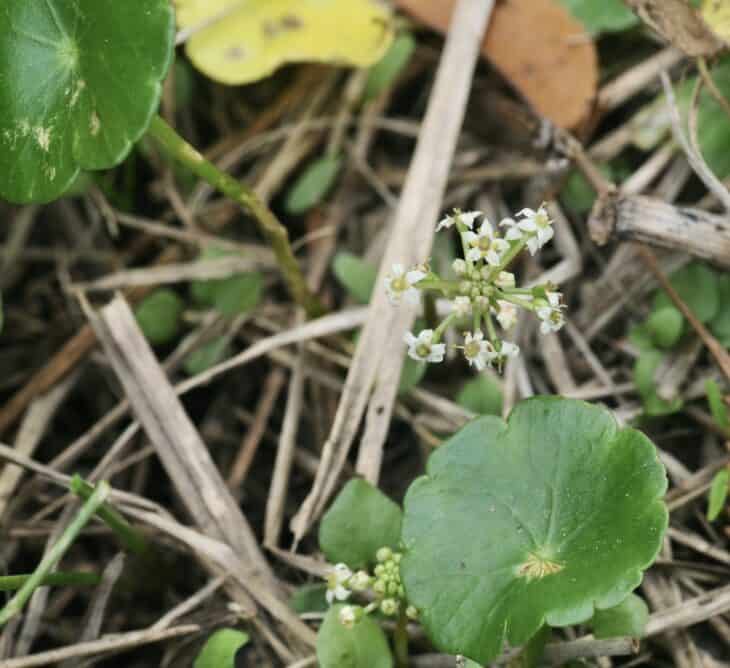
- Produces small inconspicuous flowers rather than showy blooms.
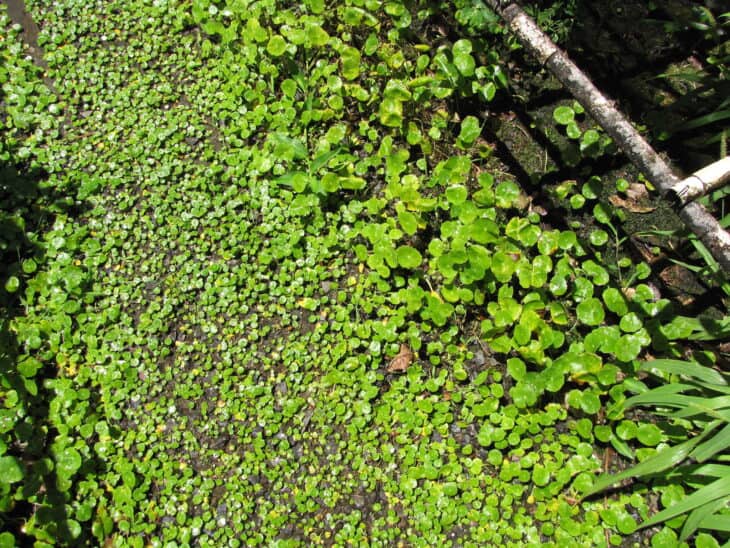
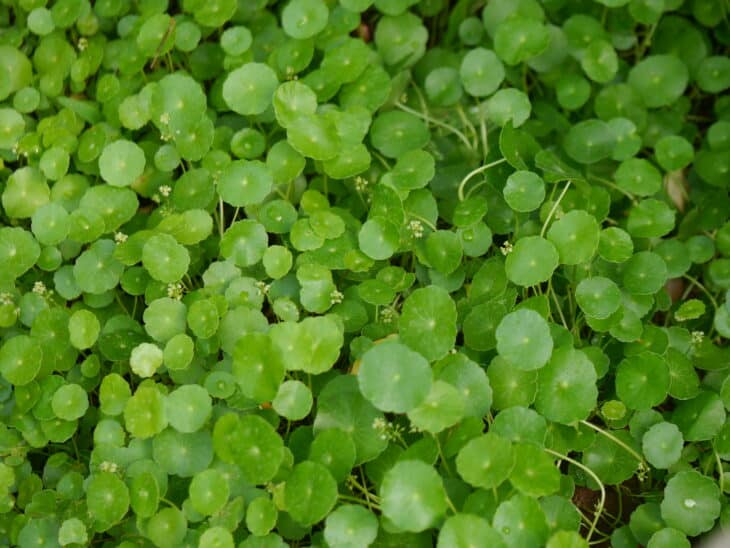
- Can form dense mats and may become aggressive in favorable conditions.
- Propagates readily by division and via stolon runners.
Whorled pennywort (Hydrocotyle verticillata) is a low creeping perennial groundcover used where soils stay moist or wet. It spreads by stolons to form dense mats which makes it useful at pond edges and in boggy garden pockets while also posing a risk of aggressive spread in favorable conditions.
Identification
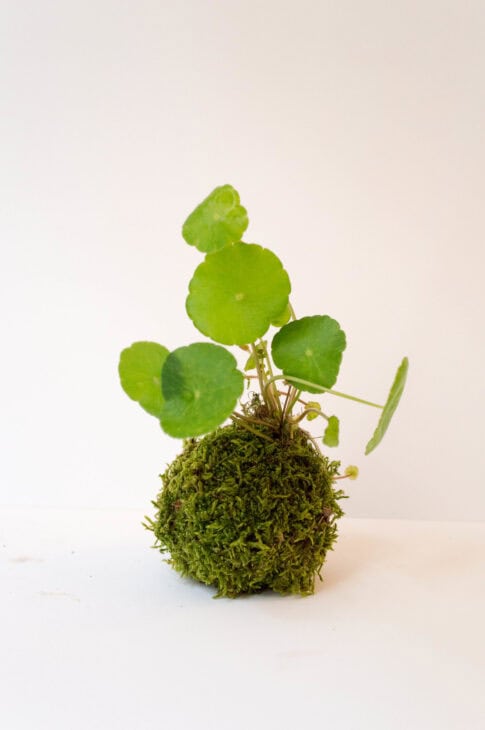
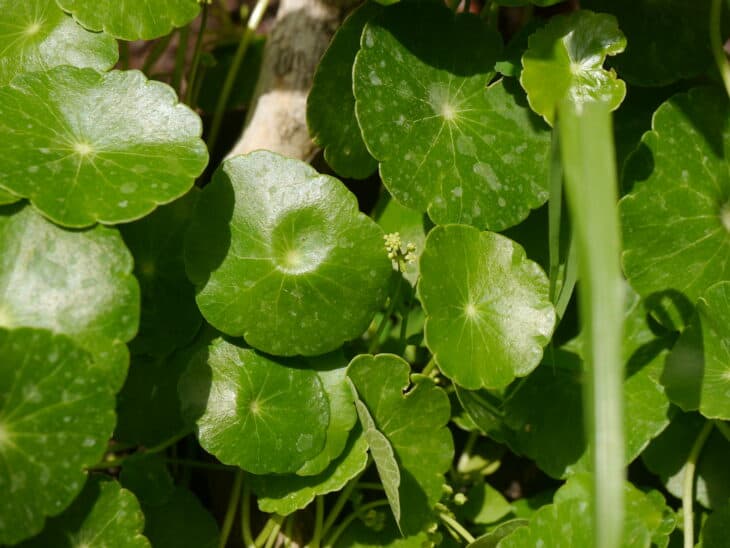
Leaves are small rounded discs often borne in a whorl and sit close to the soil surface at about 1 to 4 inches high. The plant spreads by thin stolon runners that root at nodes and produces small inconspicuous flowers rather than showy blooms. Dense mats of foliage are a typical habit in wet sites.
Best uses and where to grow
Use whorled pennywort as a moist groundcover, at the edge of ponds, in bog gardens, and in paludariums or aquaria. It tolerates poorly drained soils so is well suited to consistently wet pockets where many other plants struggle. In hot climates plants often do better with some afternoon shade.
Planting and soil
Plant into consistently moist to wet soil and avoid locations that get dry for long periods because drought causes decline. It tolerates poor drainage so is a good candidate for shallow wet soils and marginal pond edges. Place plants where they can spread or use barriers if you need to limit their reach.
Watering and maintenance
Keep soil evenly moist to support steady growth and prevent thinning or dieback. Regular removal of excess runners and thinning of mats keeps the planting tidy and prevents smothering of nearby plants. No special after flowering care is required but monitor and remove runners where containment is needed.
Propagation
Propagate by division or by rooting stolon runners which readily form new plants at nodes. Seed is possible but division and vegetative runners are the fastest and most reliable methods for landscape planting. Lift and divide mats to thin an established stand and to create new plantings.
Containers and aquaria
Whorled pennywort works well in shallow containers and paludarium or aquarium margins where substrate remains wet. Use shallow trays or pots with constant moisture and prevent drying of exposed runners. Containers help control spread and make maintenance easier for small installations.
Controlling spread and naturalizing
The plant can form dense mats and may become aggressive in favorable conditions so plan for containment. Use edging, regular hand pulling of runners, and periodic division to keep it in bounds. For naturalizing choose areas where its mat forming habit is desired and easy to manage.
Frequently asked questions
- How fast does whorled pennywort grow?
- Growth rate varies with moisture light and soil fertility. In moist fertile sites it can spread quickly by stolons and form dense mats. In drier or shaded conditions spread is much slower.
- Is whorled pennywort safe around pets and children?
- There is no widely documented severe toxicity but formal toxicology data is limited. Verify safety with local poison control or extension resources before allowing ingestion by pets or children.
- Can I grow this plant in an aquarium?
- Yes it is used in aquaria and paludariums especially at margins. Keep the substrate and roots moist and avoid letting exposed runners dry out.
- How do I stop it from taking over?
- Use physical barriers or containers to limit spread and remove runners by hand. Regularly thin mats by division and monitor adjacent plantings to prevent smothering.
- What is the easiest way to propagate it?
- Division and rooting stolon runners are the simplest and most reliable propagation methods for establishing new plants.
Gallery
Related Plants


Mentioned In (1)
Plants
10 Plants That Look Like Pilea Peperomioides (Chinese Money Plant)
Pilea peperomioides got its common name, the Chinese money plant, from its leaves which are round and shaped like coins.…