
Key Facts
- Tropical clumping perennial grown for pendant red and yellow bracts.
- Native to parts of Central and South America.
- Grows from rhizomes and forms dense clumps.
- Attracts hummingbirds and other pollinators.
- Prefers consistently moist rich soil with good drainage.
- Does best in warm frost free climates.
- Commonly propagated by dividing the rhizomes.
- Not widely listed as highly toxic but ingestion or sap contact can cause irritation.
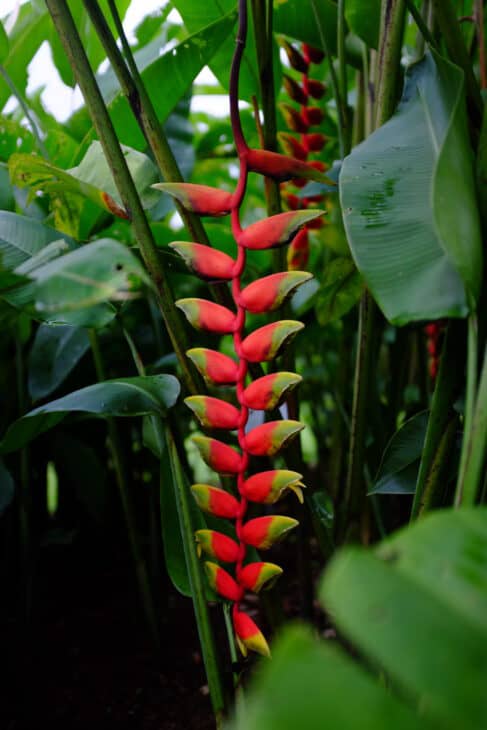
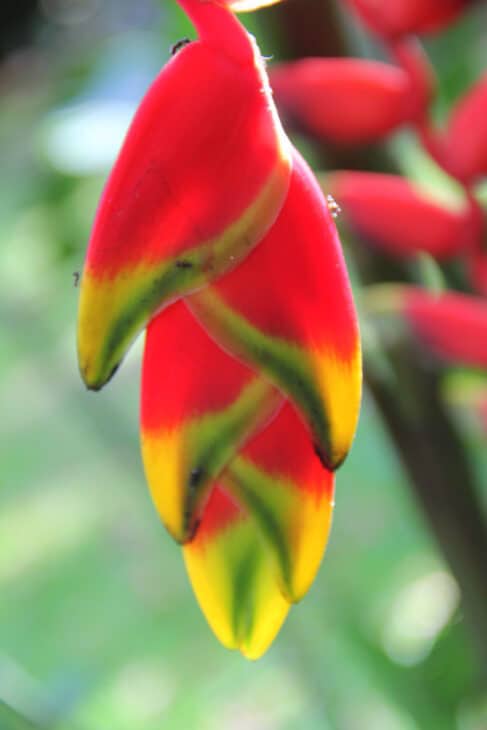
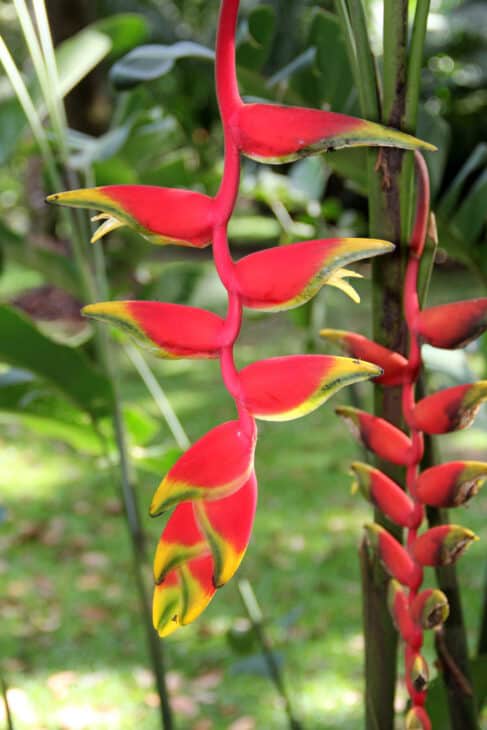
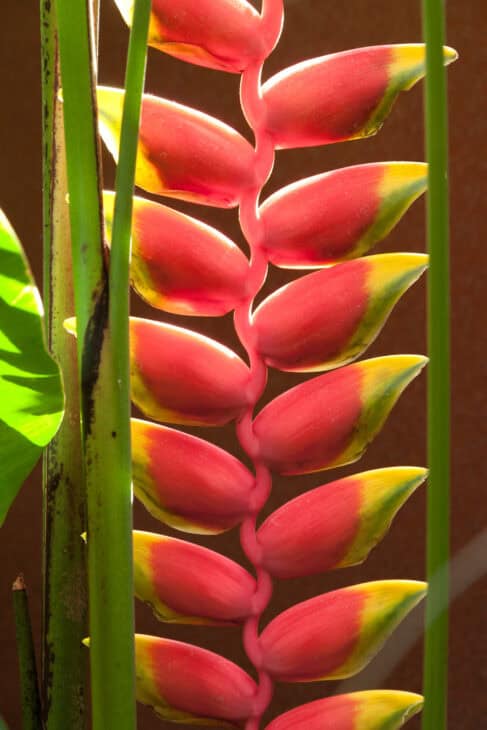
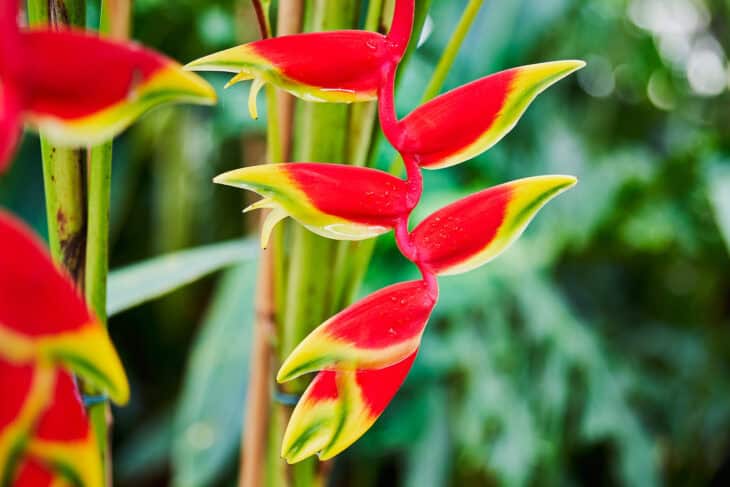
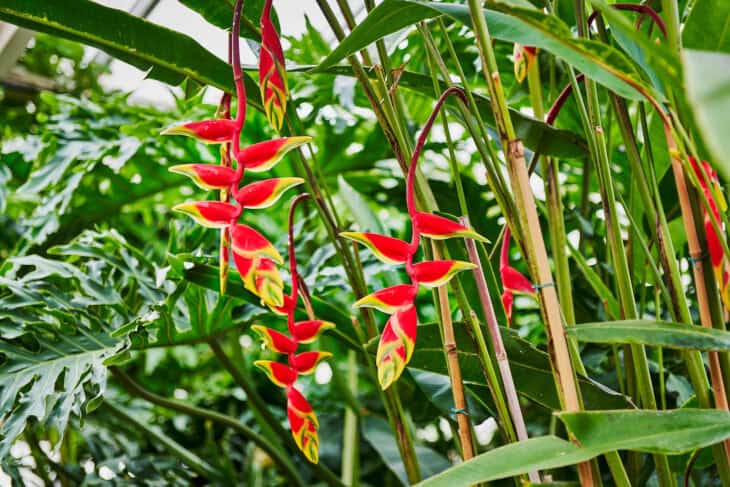
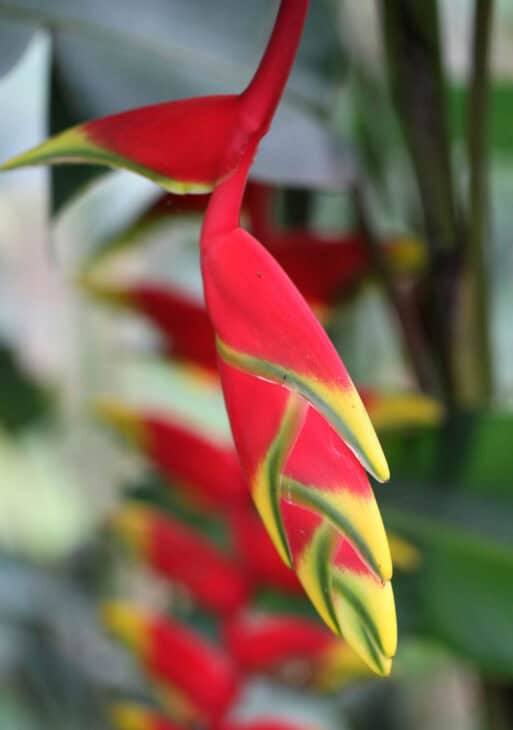
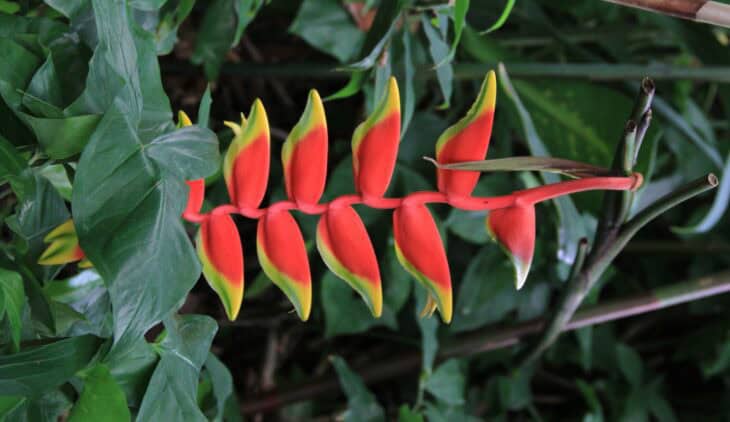
False Bird Of Paradise (Heliconia rostrata) is a tropical clumping perennial grown for its pendant red and yellow lobster claw bracts and bold architectural leaves. It is planted for tropical borders, massing and cut flowers but performs only in warm frost free locations or with winter protection.
Identification
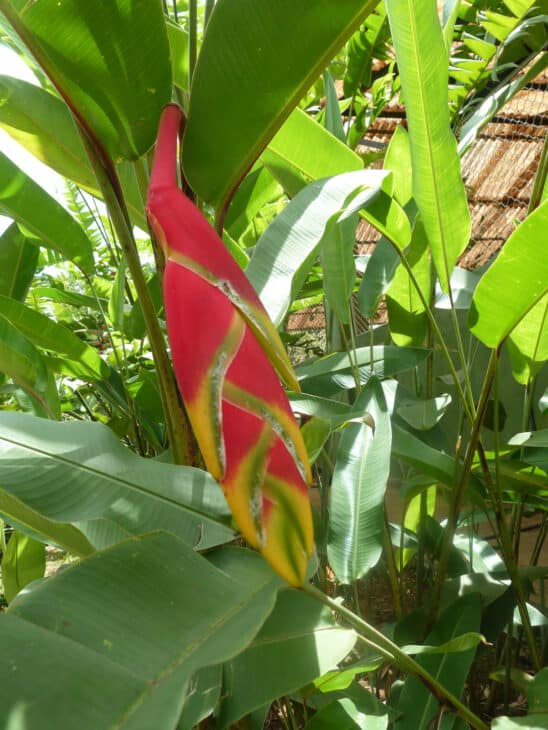
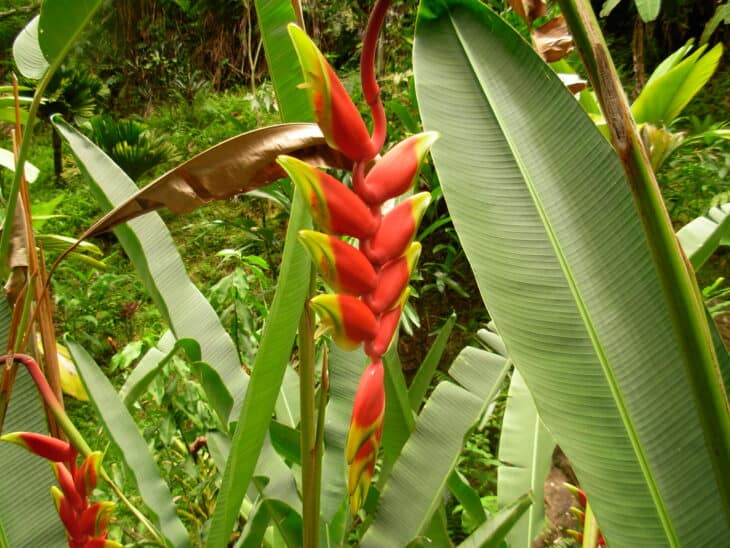
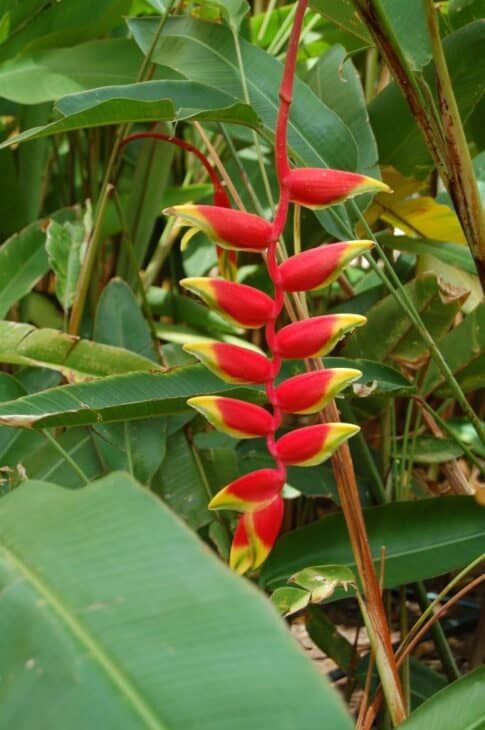
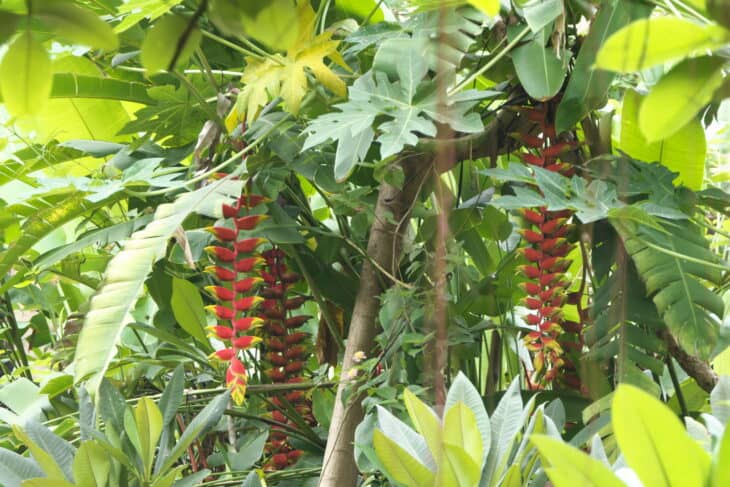
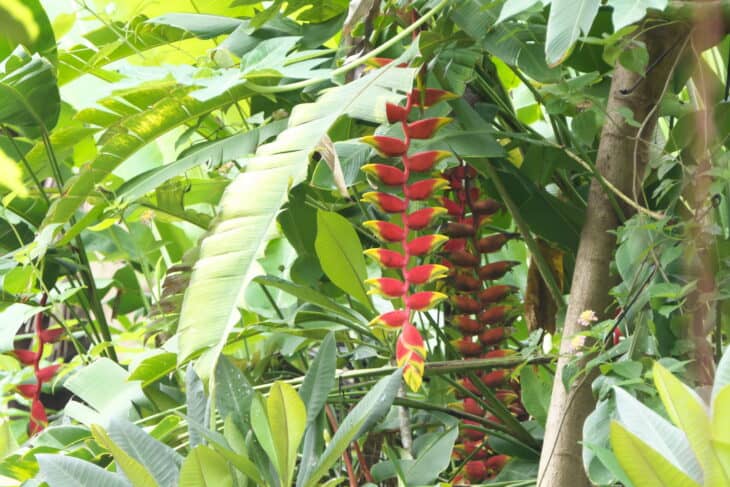
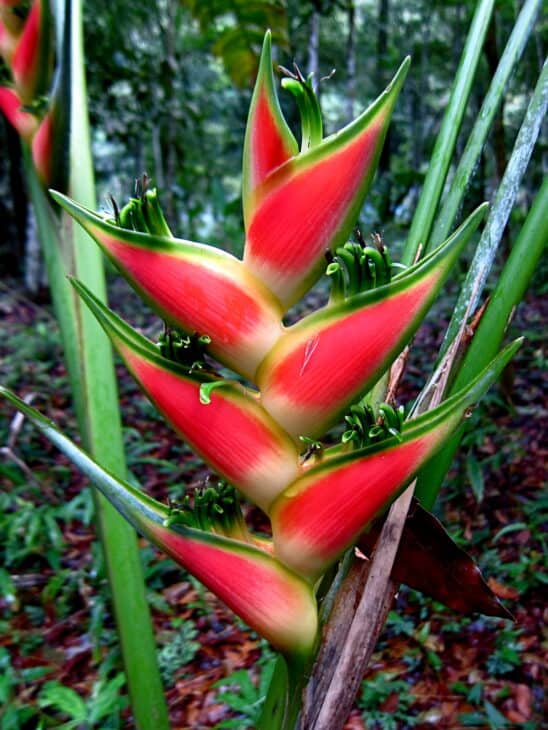
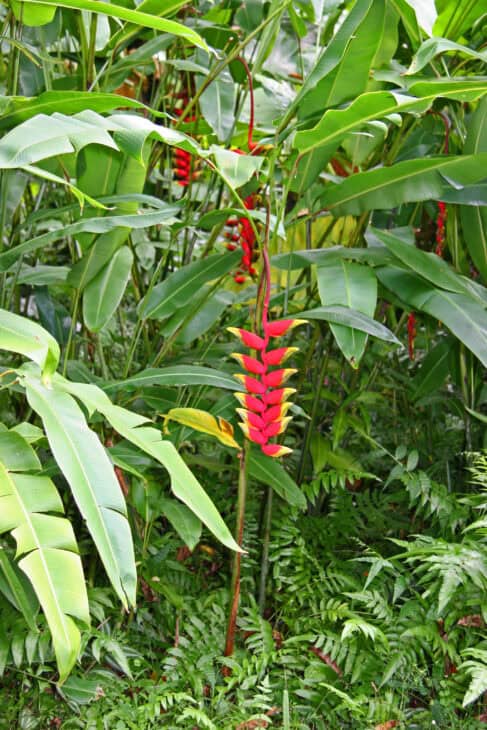
Heliconia rostrata has hanging paired bracts that are usually red with yellow margins and large upright leaves resembling banana foliage. Plants grow from rhizomes to form dense clumps and reach roughly 3 to 10 feet tall depending on cultivar and site conditions.
Where to grow and best uses
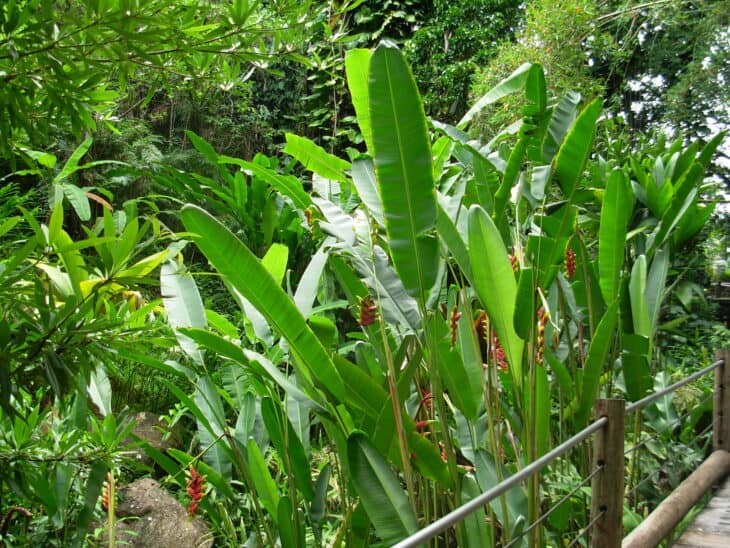
Use this species as a tropical border, a focal clump in mixed beds or for dramatic cut flowers that attract hummingbirds. It suits frost free gardens in warm climates and tropical plantings where steady moisture and rich soil are available. In cooler regions it is best in containers or protected microclimates.
Planting and spacing
Set crowns so the top of the rhizome sits level with the soil surface and firm soil around the plant. Space plants about 3 to 6 feet apart to let clumps develop while keeping air moving between stems. Plant outdoors after the last hard frost in areas recommended for warm climates.
Watering and soil
False Bird Of Paradise prefers rich, consistently moist soil with good drainage. Regular watering during growth keeps leaves healthy and encourages flowering while poor drainage leads to rhizome rot. Amend planting holes with plenty of organic matter and maintain even moisture rather than allowing cycles of drought and saturation.
After flowering care
Remove spent bracts and any damaged leaves to keep clumps tidy and reduce pests. Feed with a balanced fertilizer during the active growing season to support new shoots and flowering. In frost prone locations lift containers or provide mulch and winter protection to prevent cold damage to rhizomes.
Controlling spread and propagation
The plant expands by underground rhizomes and will form dense colonies if left alone. Control spread by dividing clumps every few years and discarding old or congested rhizomes. Division is the fastest and most reliable propagation method and works best when each division has an active growing point.
Containers and winter protection
Grow Heliconia rostrata in large pots where winters are cold or where mobility is needed for display. Containers allow you to move plants indoors or to protected locations before frost. In-ground plants in marginal climates benefit from deep mulch and sheltered sites to reduce cold stress and preserve the rhizome.
Frequently asked questions
- How fast does False Bird Of Paradise grow?
- Growth is moderate to fast in warm moist conditions and slower in cooler or drier sites. It forms dense clumps over seasons and can reach its typical height range depending on cultivar and care.
- When will it bloom?
- Bloom timing varies with climate. In frost free tropics it can flower year round. In subtropical gardens blooms are most common during the warmer, wetter part of the year.
- How far apart should I plant them?
- Space plants about 3 to 6 feet apart to allow clump development and airflow while keeping the planting looking full.
- Can I grow it in a pot?
- Yes a large container works well for display and winter protection. Use rich, moisture retentive potting mix and move plants before frost if needed.
- What is the best way to propagate it?
- Division of rhizomes is the quickest and most reliable method. Ensure each division has a live growing point and use clean tools to reduce disease risk.
Gallery
Related Plants


Mentioned In (2)

Plants
5 Plants That Look Like Banana Trees
Banana trees are what most people think of when speaking about tropical plants. Surprisingly bananas are classified botanically as berries,…

Plants
5 Plants That Look Like Bird Of Paradise
The bird of paradise is a flowering shrub indigenous to South Africa. It derives its name from the shape of…