
Key Facts
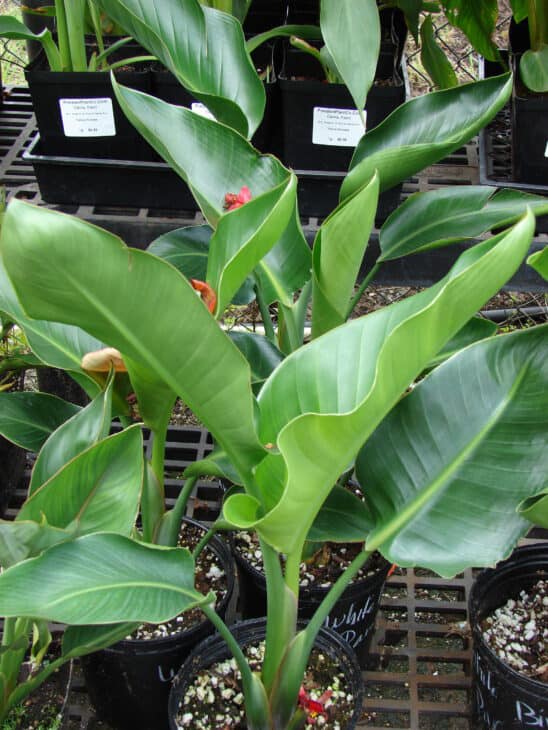
- Large evergreen clumping perennial with banana like leaves.
- Native to coastal regions of southern Africa.
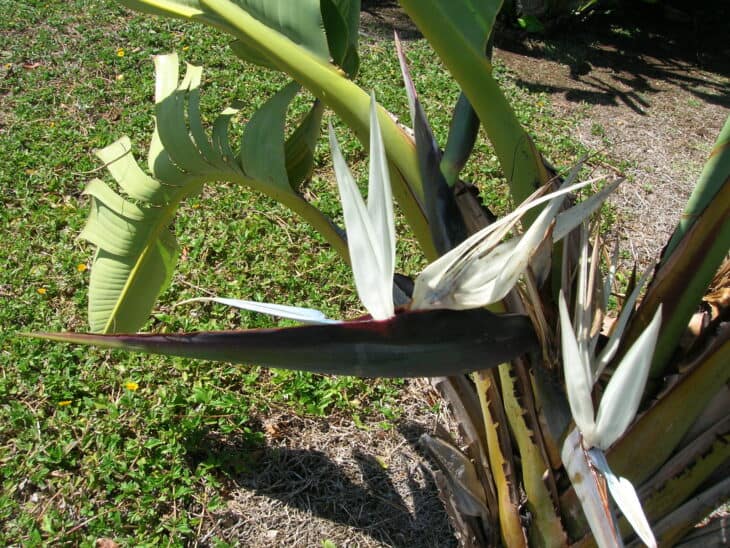
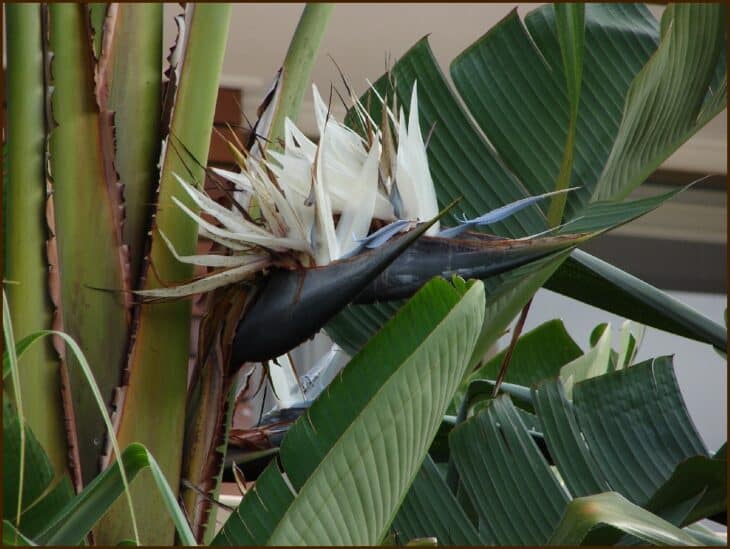
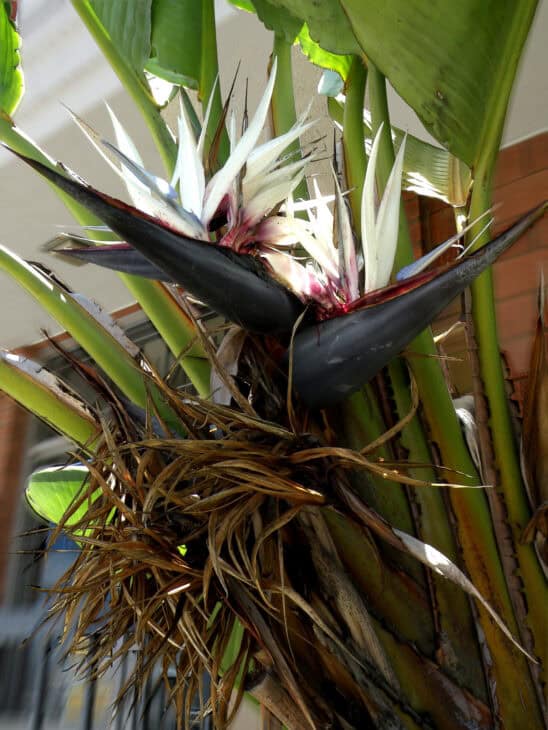
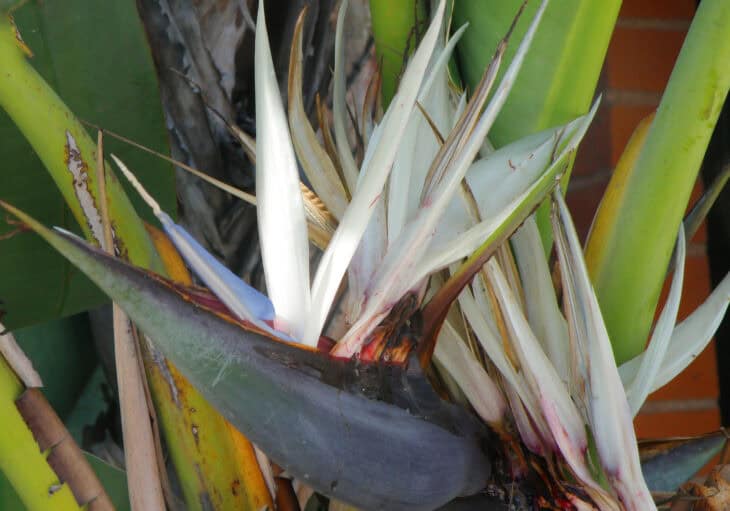
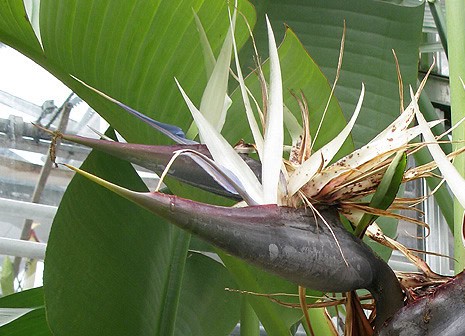
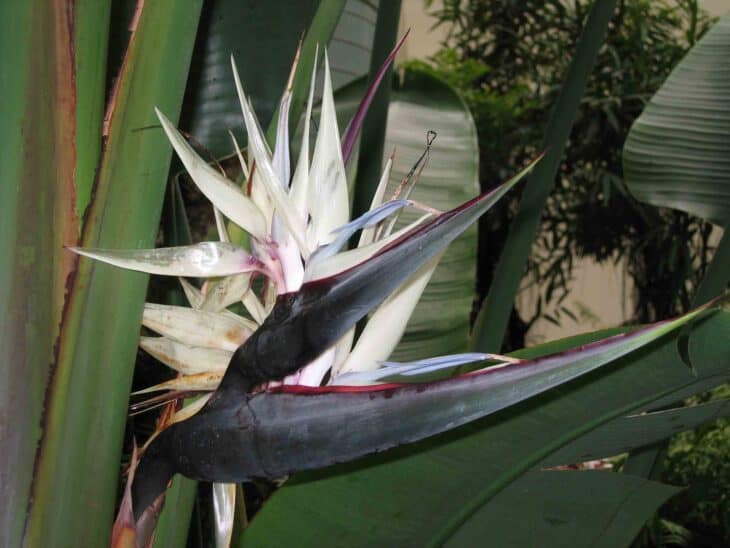
- Produces white and blue bird like flowers on tall stalks.
- Used as a specimen, screen, or windbreak in warm climates.
- Prefers frost free or mildly frost prone climates.
- Can be grown in containers but reaches greatest size in ground.
- Propagated by division and by seed.
Giant Bird Of Paradise (Strelitzia nicolai) is a large evergreen ornamental with banana like foliage and striking white and blue bird like flowers on tall stalks. It performs well as a specimen or screen in warm coastal landscapes and in protected plantings where frost is rare.
Identification
This clumping perennial forms broad banana like leaves that can create a dramatic architectural screen. Mature height varies with climate and age and is typically between 10 and 30 feet. Plants produce white and blue bird like flowers on upright stalks in warm sites. Native origin is coastal southern Africa.
Best uses and where to grow
Use as a focal specimen tree, a tall screen or a windbreak in frost free or mildly frost prone climates. USDA hardiness is generally listed as zones 9 to 11 so cold damage and dieback occur in colder areas. In cooler regions grow in containers and move plants to sheltered spots for winter protection.
Planting and spacing
Choose a site with room for a clump that can spread six to twenty feet over time. Space plants according to the mature spread you want to achieve so clumps do not crowd other plants. Plant where roots will have well drained, fertile soil and avoid areas that remain waterlogged.
Light and soil
Giant Bird Of Paradise thrives in full sun to part shade and benefits from protection from hot afternoon sun in very warm inland sites. It prefers fertile, well drained soils and tolerates sandy and loamy types. A slightly acidic to neutral soil around pH 6.0 to 7.5 is suitable.
Watering and feeding
Provide regular moisture during establishment and active growth but avoid standing water which can cause root rot. Plants in containers dry out faster so water more frequently. Occasional feeding during the growing season supports larger leaves and flowering but heavy feeding in poorly drained soil risks root health problems.
After flowering and pruning
Remove spent flower stalks to tidy the clump and trim torn or frost damaged leaves as needed. Older clumps can be thinned by removing offsets to open the center and improve air circulation. Pruning is generally minimal and aimed at shaping and removing damaged material.
Propagation and controlling spread
Propagate by division of offsets for quickest establishment and earlier flowering. Seed propagation is possible but slow to flower. The clumping habit spreads by offshoots and can form dense colonies if left unchecked so remove offsets or divide plants to control spread.
Containers and cold protection
Grows in containers where it remains much smaller than in ground. Container culture lets you move plants indoors or to sheltered locations during frost. In ground plant in frost free areas or provide winter protection in milder frost prone sites to avoid foliar damage and dieback.
Toxicity and safety
Sources conflict on toxicity. The ASPCA lists Strelitzia as non toxic to cats and dogs while other horticultural references report mild gastrointestinal upset if ingested and possible skin irritation on contact. Verify safety for children and pets with local poison control or the ASPCA before assuming the plant is safe in high traffic areas.
Frequently asked questions
- How fast does Giant Bird Of Paradise grow?
- Growth rate varies by climate and care. In warm frost free sites plants can grow rapidly and reach the typical 10 to 30 foot range over years. In cool climates and in containers growth is much slower.
- When does it usually flower?
- Flowering is most reliable in warm climates where blooms appear in late winter to spring. Cooler sites and containerized plants may flower intermittently or only after the plant is well established.
- How far apart should I plant them?
- Allow space for a mature clump by spacing plants according to the expected spread of six to twenty feet. Wider spacing helps maintain air flow and reduces crowding as the clump ages.
- Can I grow it in a pot?
- Yes. Container culture is common in cooler areas and keeps the plant smaller. Move pots to shelter during frost and use a free draining mix to avoid root rot.
- Is Giant Bird Of Paradise invasive?
- It has a clumping habit and spreads by offsets which can form dense colonies if unmanaged. It is not widely listed as an invasive species but control offsets if it starts to naturalize beyond the intended planting area.
Gallery
Related Plants


Mentioned In (2)

Plants
6 Plants That Look Like Monstera
Monsteras live up to their name, with oversized, dramatic leaves that instantly read “tropical.” They’re a standout houseplant for homes…

Plants
5 Plants That Look Like Banana Trees
Banana trees are what most people think of when speaking about tropical plants. Surprisingly bananas are classified botanically as berries,…