
Key Facts
- Annual or short-lived perennial grown for orange or yellow daisy-like flowers.
- Commonly used in borders, containers, and as an edible or medicinal flower.
- Attracts pollinators including bees and butterflies.
- Easily grown from seed and commonly self-seeds.
- Prefers well-drained soil and will not tolerate waterlogged conditions.
- Performs best in full sun but tolerates partial shade.
- Flowers repeatedly from late spring until frost in suitable climates.
- Used historically in topical herbal preparations and cosmetics.
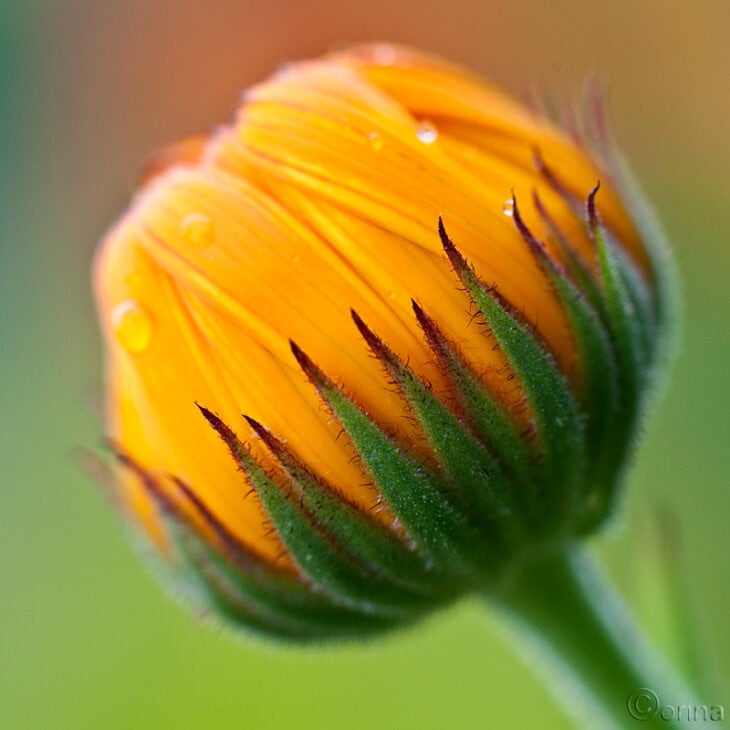
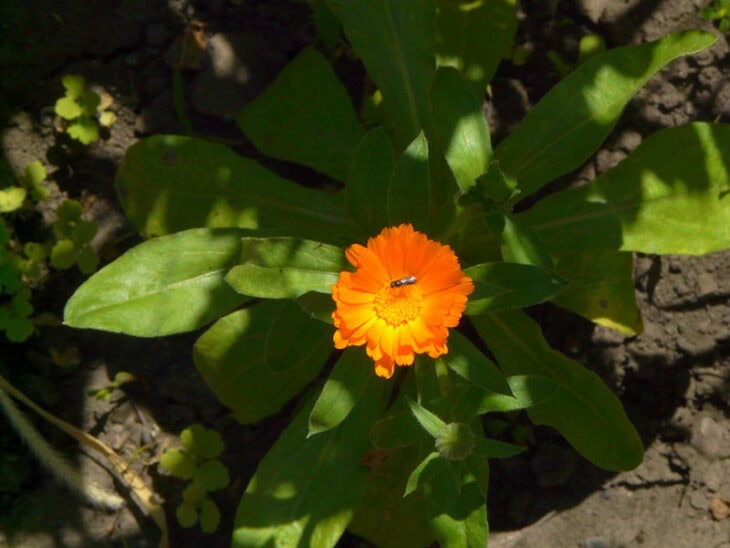
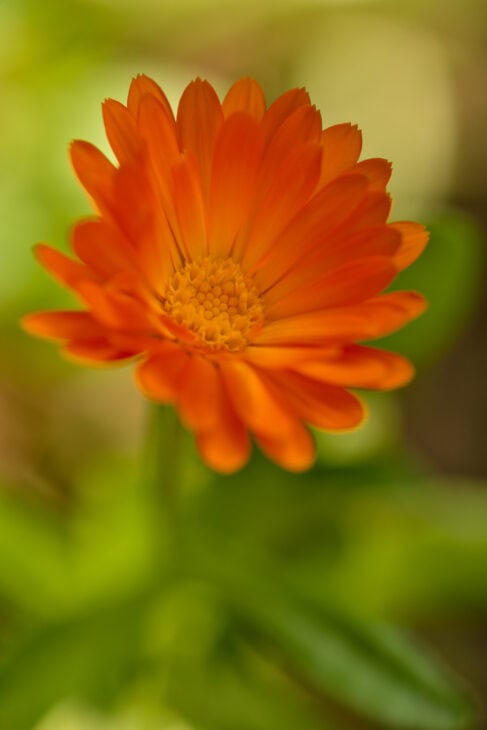
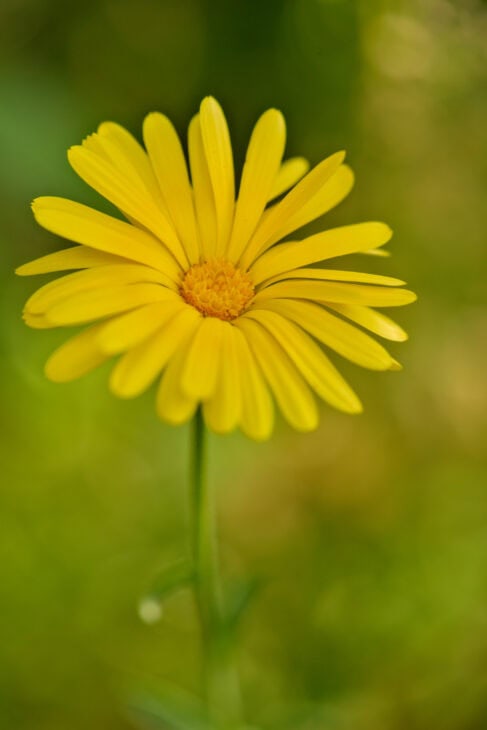
Pot Marigold (Calendula officinalis) is an easy to grow annual or short lived perennial with bright orange or yellow daisy like flowers. It is commonly grown in borders and containers and used as an edible and medicinal flower while attracting bees and butterflies.
Identification
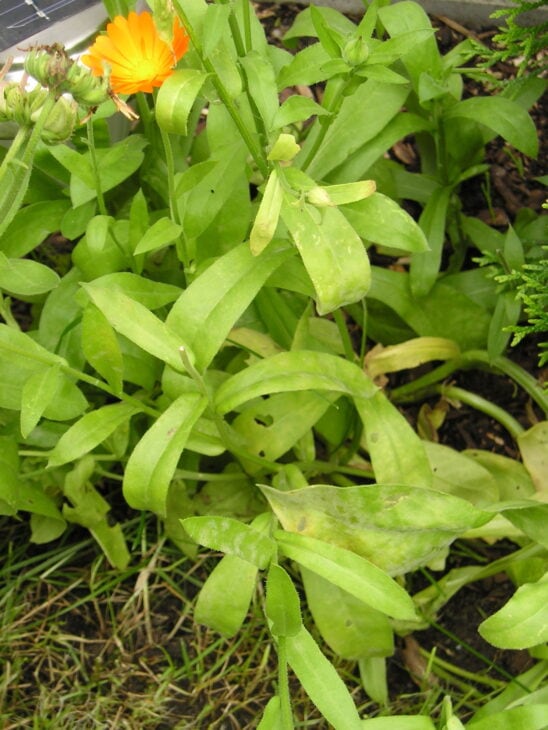
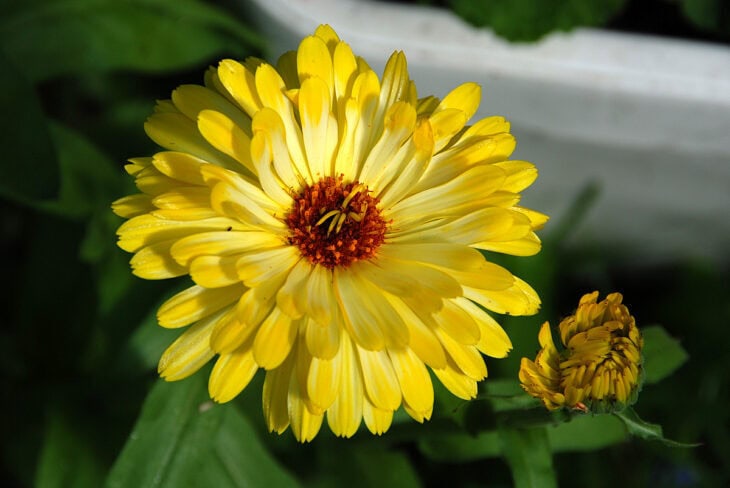
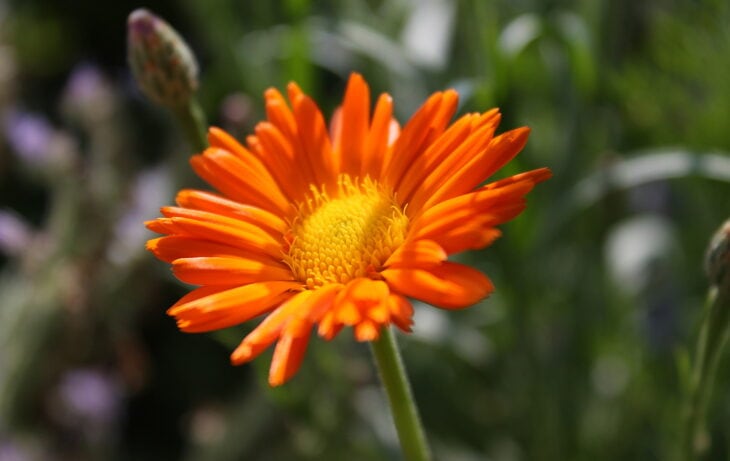
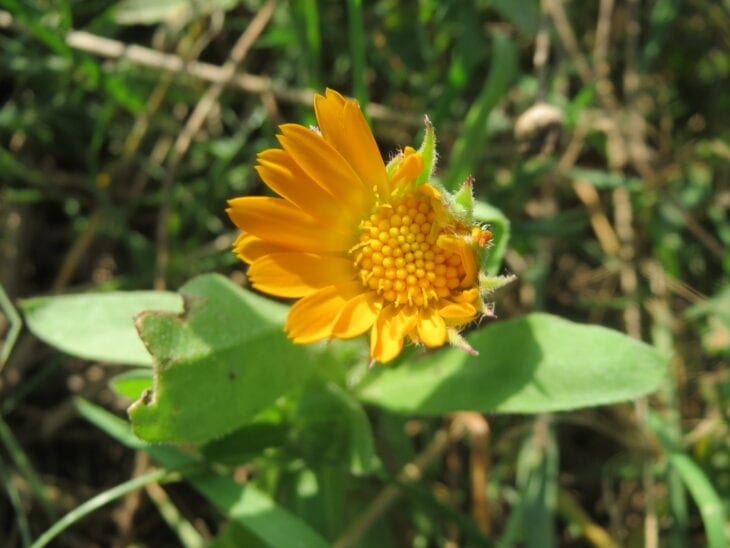
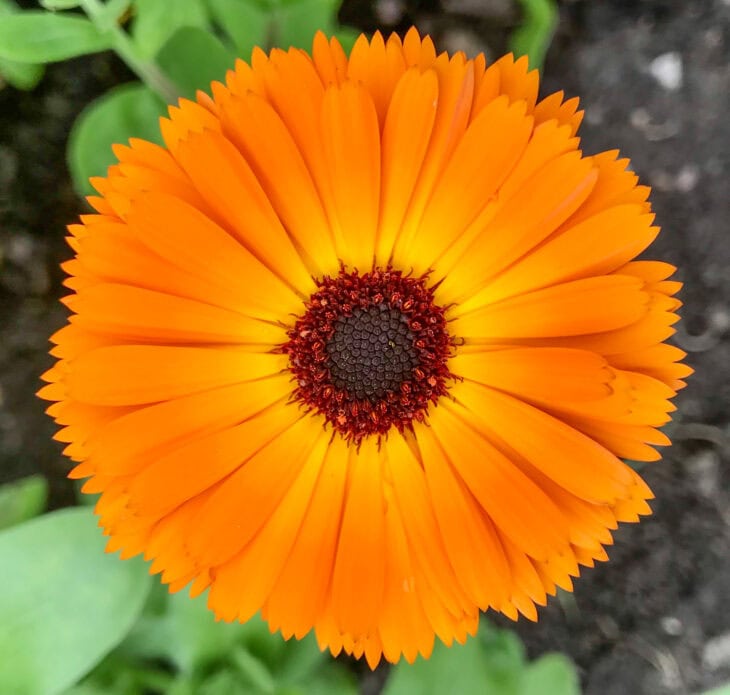
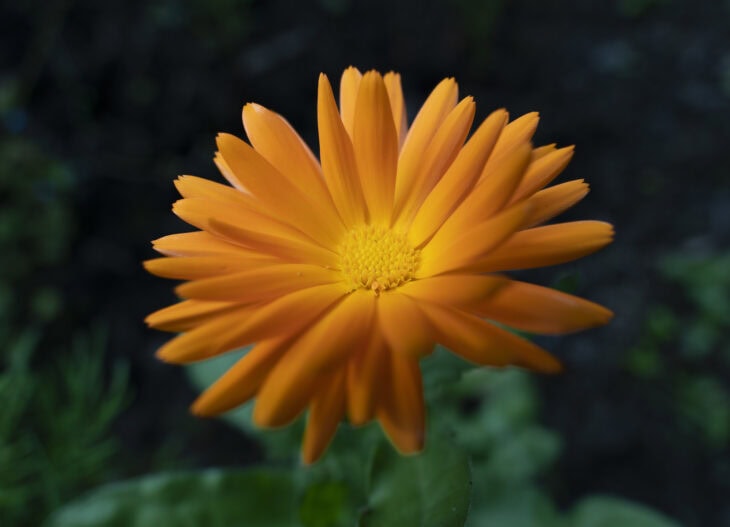
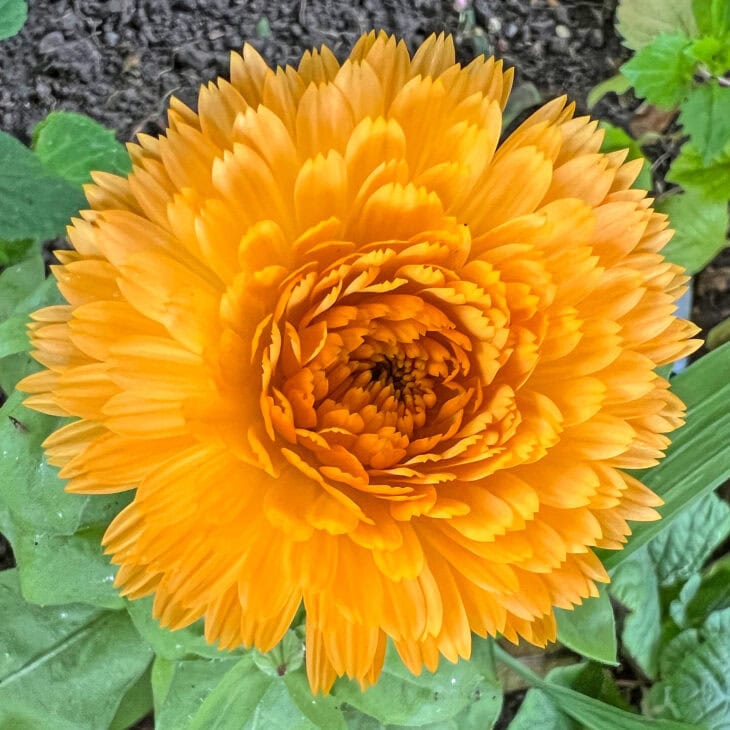
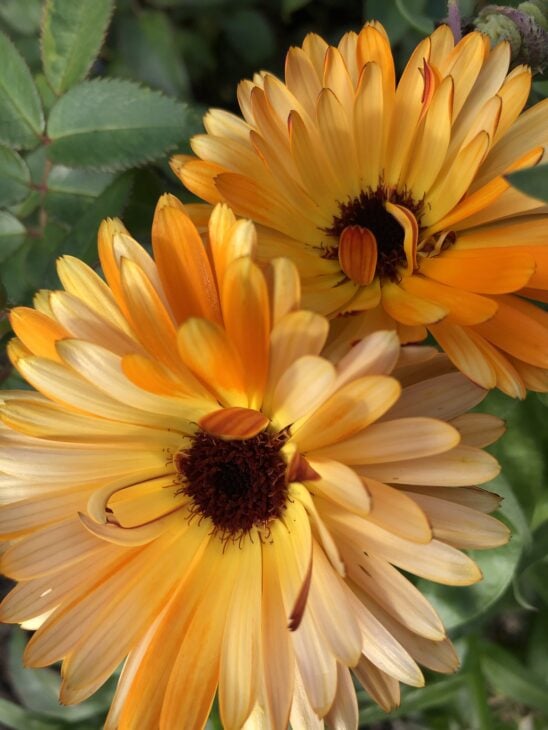
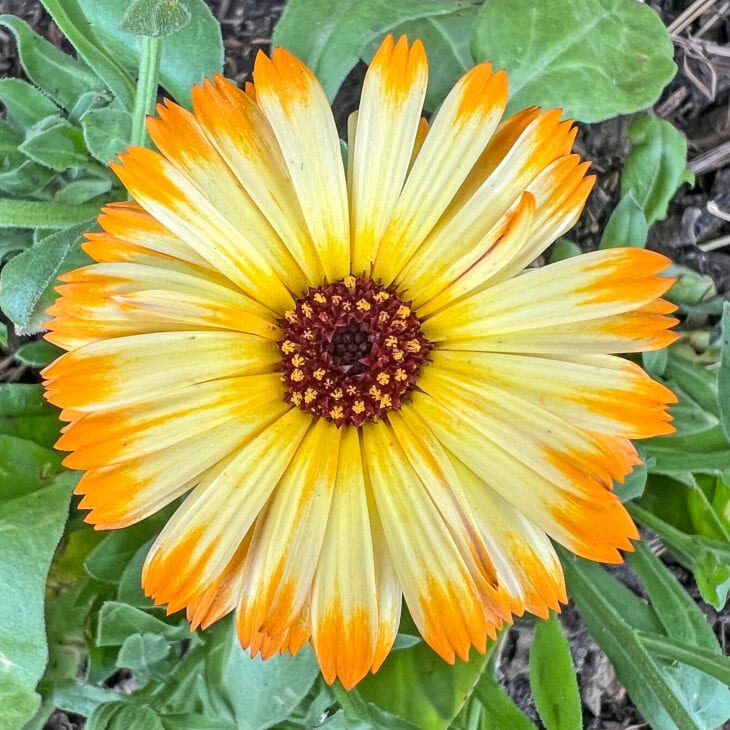
Pot marigold has single or double daisy shaped flowers in orange or yellow atop bushy plants. Typical height ranges from 12 to 24 inches and many garden varieties spread about 12 to 18 inches. Flower form and plant size vary by cultivar so check variety descriptions for compact or taller selections.
Best uses
Use pot marigold in mixed borders and container displays for continuous color and pollinator visits. Petals are edible and the species has a history of topical herbal use and inclusion in cosmetics. Plants fit well in cottage style beds and informal edges where self seeding is welcome.
Planting and timing
Start from seed either sown directly outdoors or started indoors and transplanted. In favorable climates plants bloom from late spring until the first hard frost. Often grown as an annual across many climates and able to overwinter and behave as a short lived perennial where winters are mild.
Soil light and watering
Plant in average fertility soil that drains well and avoid waterlogged sites which lead to root rot. Calendula tolerates a range of soils and prefers a pH near 6.0 to 7.5 for best performance. Full sun produces the most flowers while light or afternoon shade reduces bloom abundance.
Spacing and containers
Allow about 12 to 18 inches between plants for many garden varieties to form neat clumps and provide airflow. Pot marigold performs well in containers when given good drainage and regular deadheading or succession sowing to keep a steady display. Choose cultivars suited to containers for tighter beds.
After flowering and maintenance
For continuous bloom use succession sowing and remove spent flowers to limit reseeding if desired. In mild areas leave a few seed heads to allow naturalizing. Division is uncommon but can be done on clumps that persist. Monitor for reduced vigor in poorly draining soil.
Controlling spread and self seeding
Plants commonly self seed and will return in colder areas from volunteers the following year. To control naturalizing remove seed heads before they ripen or pull seedlings in unwanted spots. In mild climates where plants can overwinter thin clumps to maintain airflow and prevent crowding.
Frequently asked questions
Short answers to common questions about cultivating pot marigold including growth rate overwintering safety and propagation. These points reflect typical behavior while local climate and cultivar choice determine exact performance so check local frost dates and variety notes.
- How fast does Pot Marigold grow?
- Plants commonly reach 12 to 24 inches tall within a single growing season depending on cultivar fertility and light. Growth is faster in fertile well drained soil and full sun.
- Is pot marigold safe for pets?
- Calendula is generally regarded as low in toxicity but may cause mild gastrointestinal upset if ingested and skin irritation in sensitive people. Consult the ASPCA or local poison control for species specific advice.
- Can pot marigold overwinter?
- Often treated as an annual and allowed to reseed in colder zones. In milder climates plants may overwinter and act as a short lived perennial so performance varies with local winters.
- How do I propagate it?
- Propagate easily by seed sown directly outdoors or started under cover and transplanted. Plants commonly self seed which helps maintain populations without repeating sowing.
- What soil does it prefer?
- Prefers well drained soil of average fertility and a pH around 6.0 to 7.5. Avoid heavy waterlogged clay which reduces vigor and increases disease risk.
Gallery
Related Plants

Mentioned In (1)
Plants
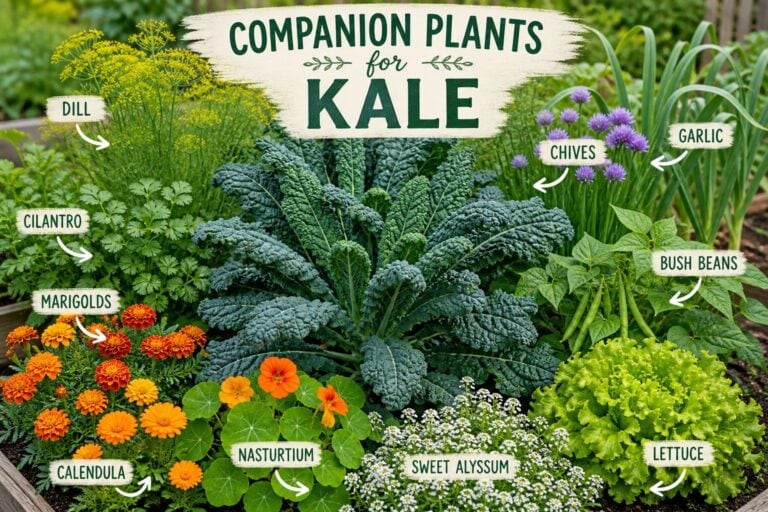
Companion Plants for Kale: What Works and Why
Kale is one of the easiest crops to grow — until the aphids arrive, the flea beetles strike, and the…