
Key Facts
- Annual ornamental commonly grown for beds and containers.
- Compact, bushy habit with many single or double flower heads.
- Blooms from summer until first hard frost in temperate climates.
- Prefers full sun and regular deadheading for best flowering.
- Tolerant of average and poorer soils if drainage is good.
- Easily grown from seed and widely available as seed and transplants.
- Used in borders and mixed containers and attracts pollinators.
French Marigold (Tagetes patula) is a compact annual grown for bright, long lasting flower heads in beds and containers. It blooms through summer until the first hard frost and does best in full sun with well drained soil.
Identification and size
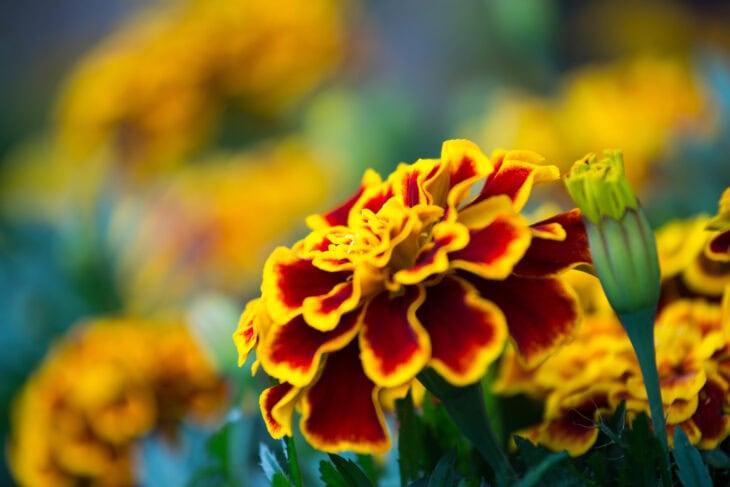
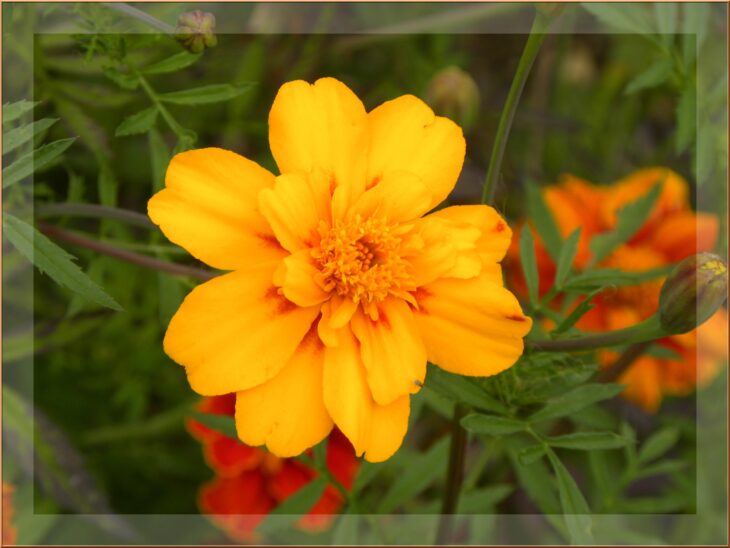
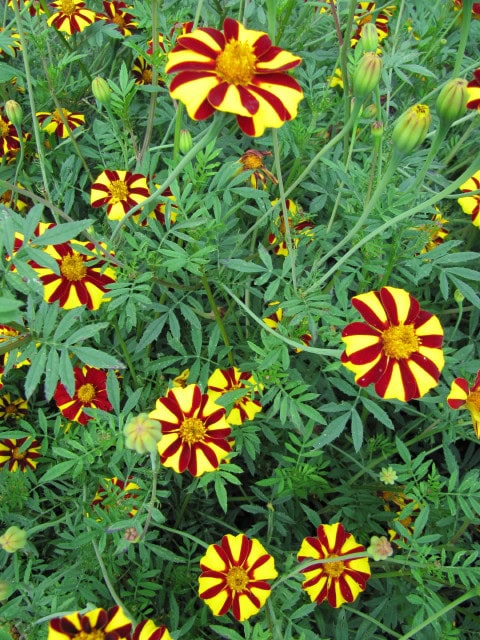
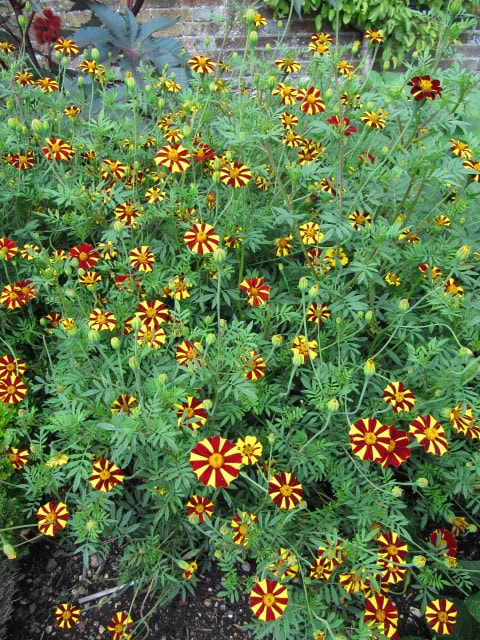
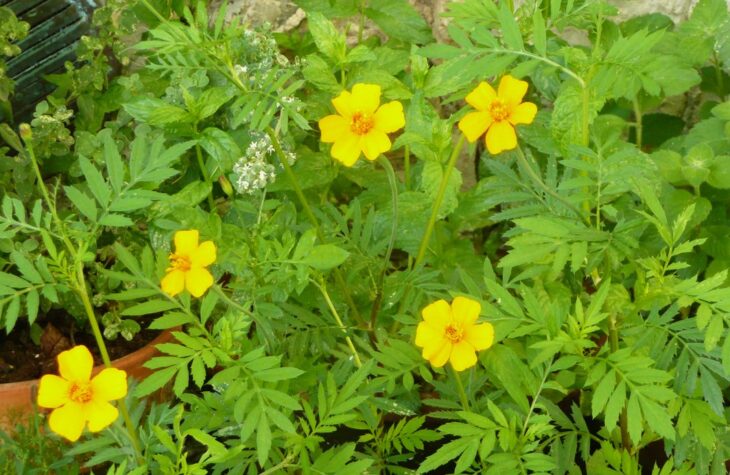
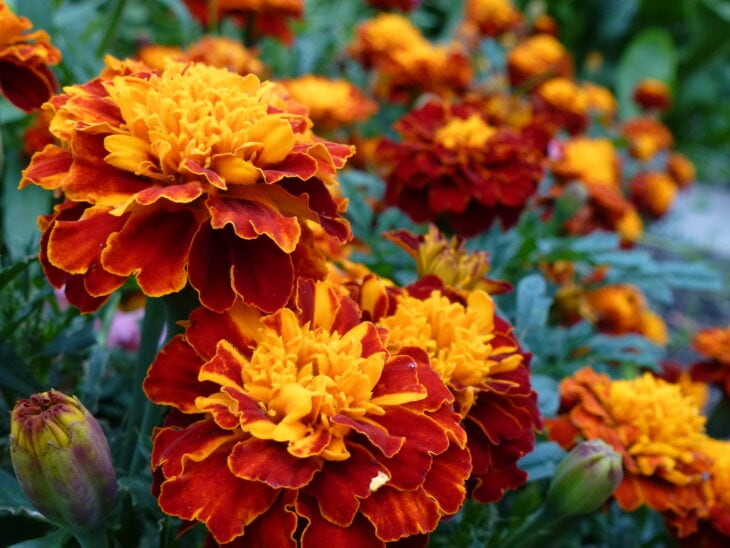
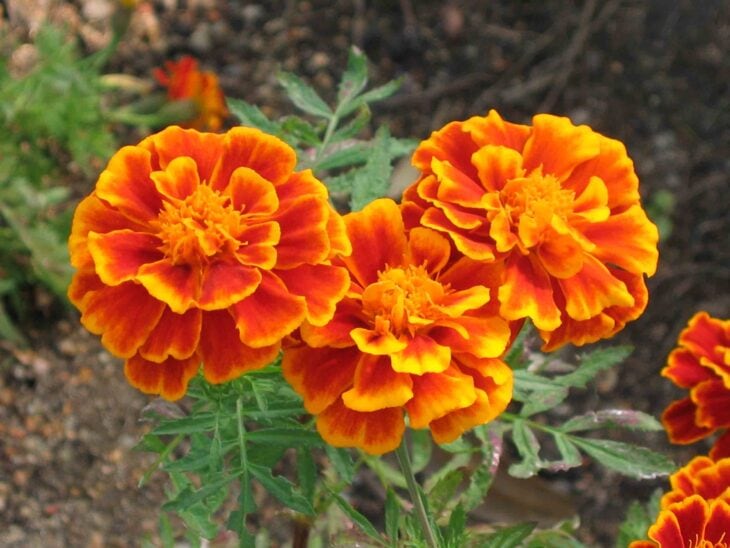
French marigold is a bushy annual with many single or double flower heads in yellow orange and bi color varieties. Mature height and spread vary by cultivar but commonly range from 6 to 18 inches 15 to 45 cm. Check the plant label for exact mature size of the variety you choose.
Best places to grow and typical uses
Use French marigold in borders as edging and in mixed containers where bright color and pollinator visits are desired. The plant tolerates average and poorer soils provided drainage is good so it suits sunny sites and containers where soil dries between waterings. It is not reliably winter hardy in frosty climates and is usually grown as an annual.
Planting time and how to start
Start seeds indoors or sow directly after the last frost for a summer display. Seed is the common propagation method and transplants are widely available. Bloom timing depends on local frost dates and planting date so earlier starts produce longer flowering through the season.
Spacing and planting
Space plants according to their mature spread which commonly falls between 6 and 18 inches 15 to 45 cm. Plant dwarf varieties closer together for a carpeted effect and larger types farther apart to avoid crowding which reduces flowering. Firm the soil around roots and keep young plants evenly moist until established.
Watering and soil
Grow in well drained garden soil and avoid waterlogged conditions that cause root problems and poor flowering. Plants tolerate average fertility but perform best with regular watering that allows the surface to dry slightly between waterings. Full sun produces the most abundant blooms while shade reduces flower production.
Care during bloom and after flowering
Regular deadheading keeps plants flowering from summer until frost and prevents seed set if a controlled display is desired. Plants are typically replaced after a hard frost but will self seed or persist in frost free climates. Minimal pruning and light feeding support continuous bloom.
Containers and mixed plantings
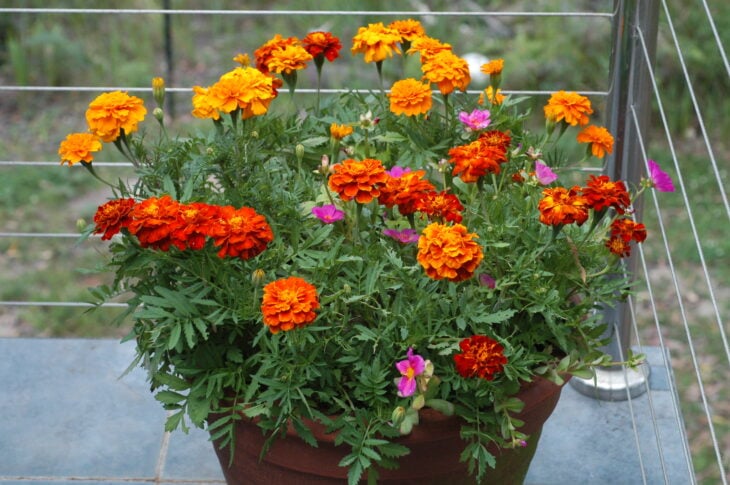
French marigold performs well in containers mixed with other sun loving annuals and herbs. Use a free draining potting mix and allow the surface to dry slightly between waterings to avoid soggy roots. Their compact habit makes them good for small pots and window boxes where bright color is wanted.
Pests, disease and pet safety
Poor drainage increases disease risk but well drained plants are generally resilient. Sources conflict on pet toxicity so avoid ingestion and wash skin after handling if irritation occurs. Check local poison control or your veterinarian for definitive guidance on pet safety.
Frequently asked questions
- How fast does French Marigold grow?
- Growth rate varies by cultivar and conditions but most plants reach their mature 6 to 18 inch size within a single growing season when started early or transplanted after frost.
- Are French marigolds toxic to dogs or cats?
- Sources disagree on toxicity. Some list them as non toxic while others report mild gastrointestinal upset or skin irritation. Avoid ingestion and consult local poison control or your veterinarian for firm advice.
- Will French marigold come back next year?
- They are generally grown as an annual and are not winter hardy where frost occurs. In frost free climates plants may persist or self seed and reappear the following season.
- How much sun do they need?
- Full sun produces the best flowering. Plants tolerate some light afternoon shade but blooms are reduced in shadier spots.
- Can I grow them from seed?
- Yes. French marigold is easily grown from seed sown directly after the last frost or started indoors and transplanted once danger of frost has passed.
Gallery

Related Plants

Mentioned In (4)
Plants
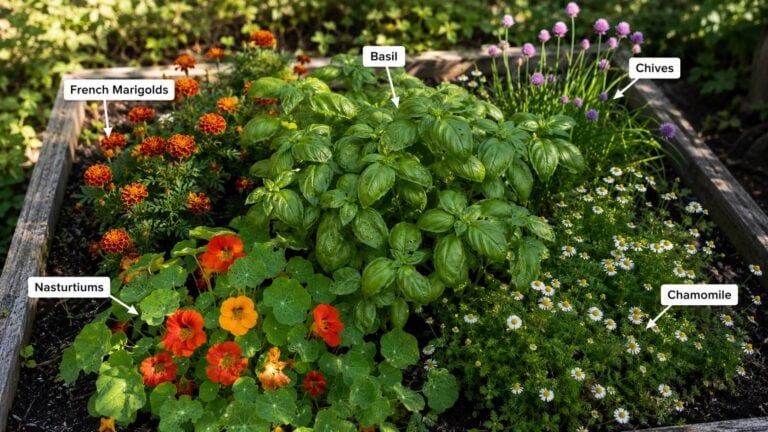
Companion Plants for Basil: What Works and Why
Basil bolts faster than almost any other herb in the summer garden, and once it flowers, the leaves turn bitter…
Plants
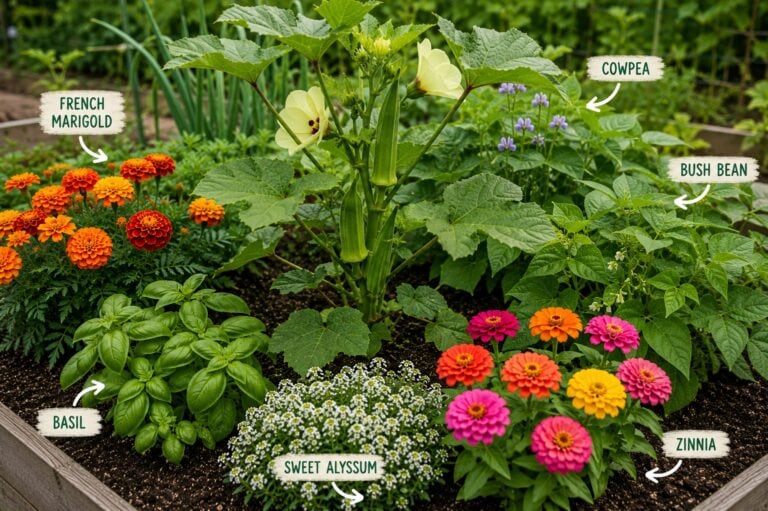
Companion Plants for Okra: What Works (and what doesn’t)
Root-knot nematodes, aphids, and pod-feeding stink bugs are the pressure points that make okra companion planting worth planning carefully. The…
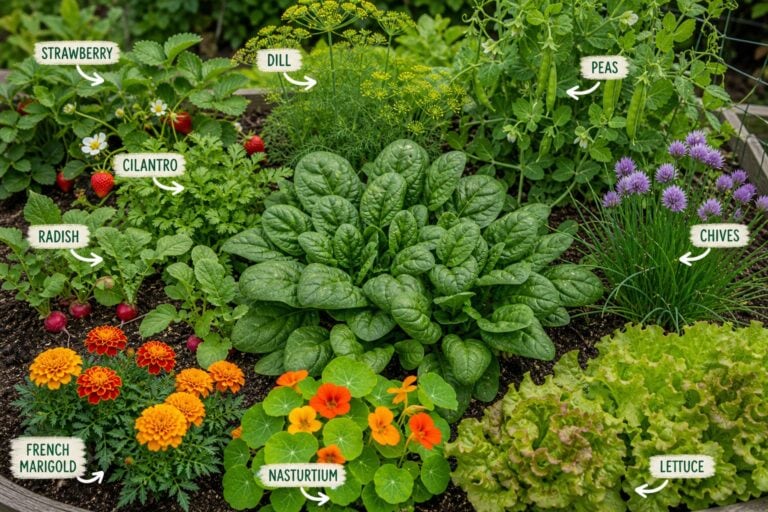
Plants
Companion Plants for Spinach: What Works and Why
Spinach growers fight a near-constant battle with leaf miners — tiny larvae that tunnel between the leaf surfaces and ruin…
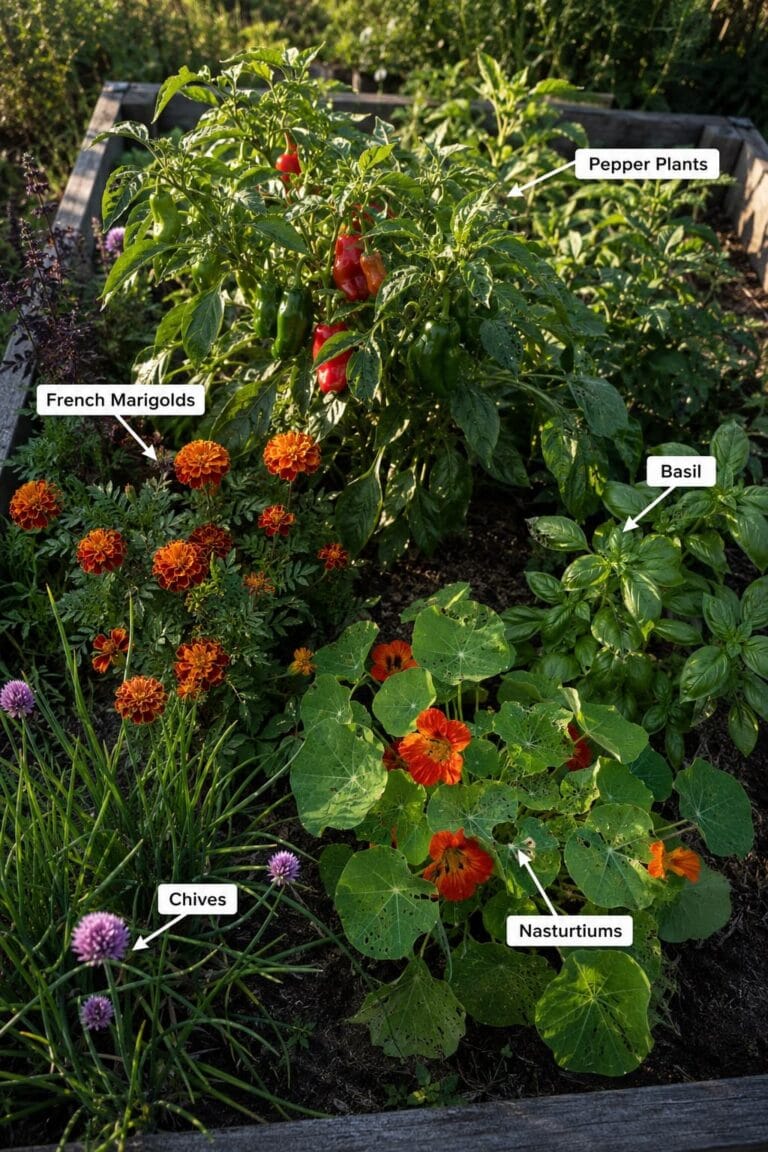
Plants
Companion Plants for Peppers: What Works and Why
Peppers are a magnet for aphids and thrips from the moment they go in the ground, and a plant this…