
Key Facts
- Native North American riparian tree found on streams and floodplains.
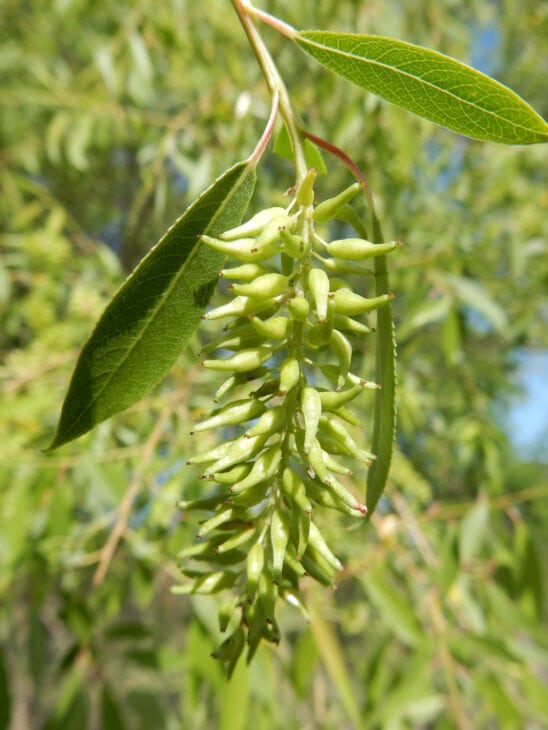
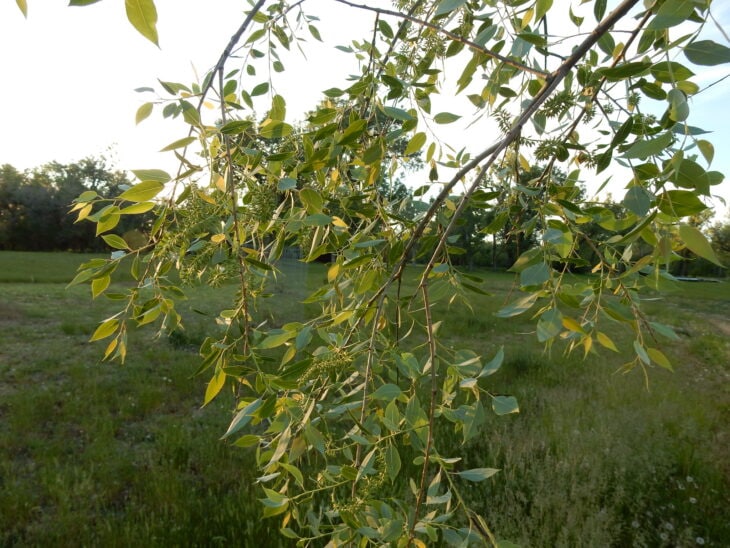
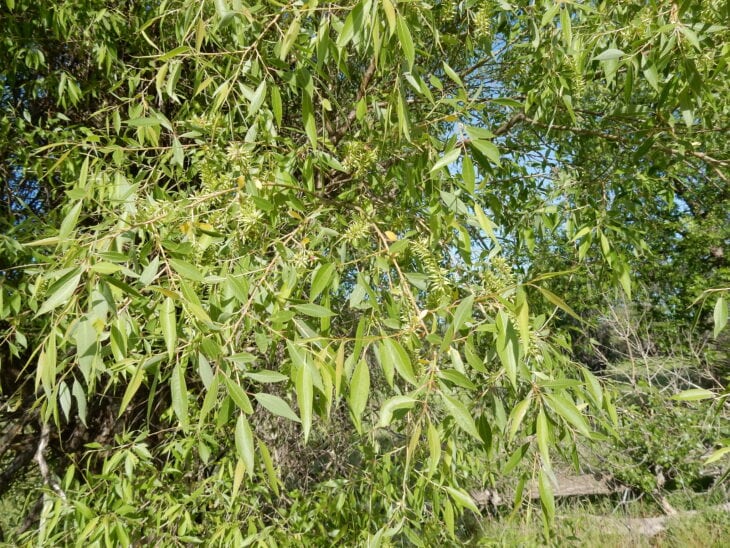
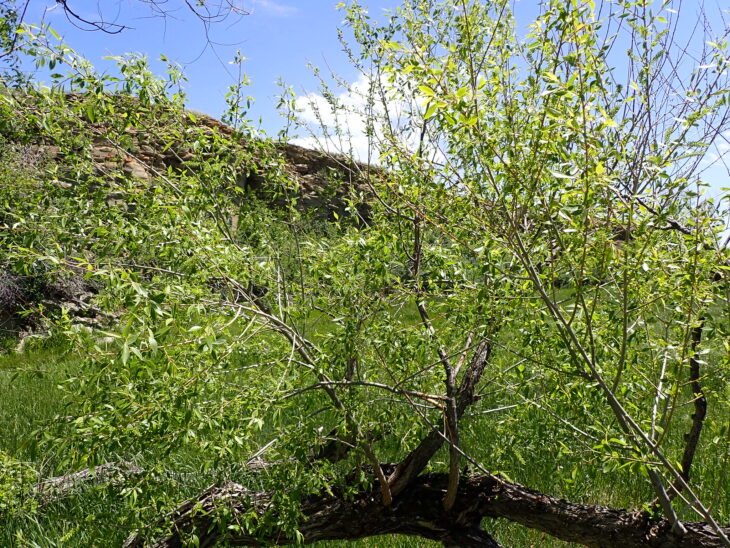
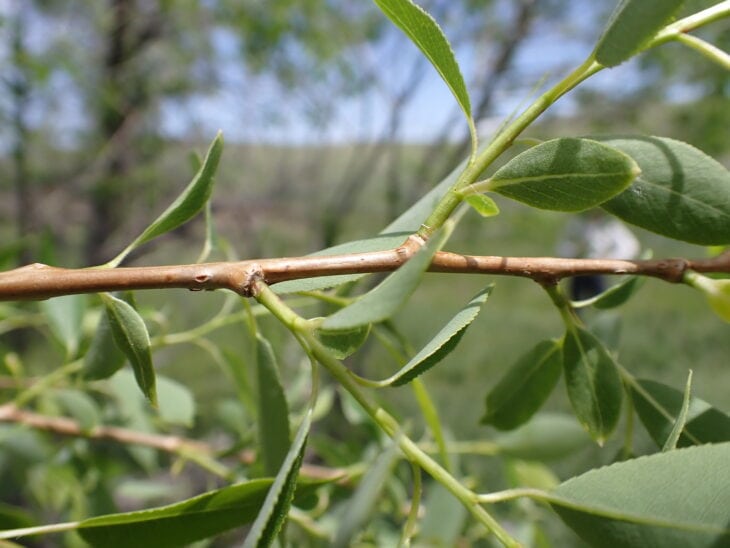
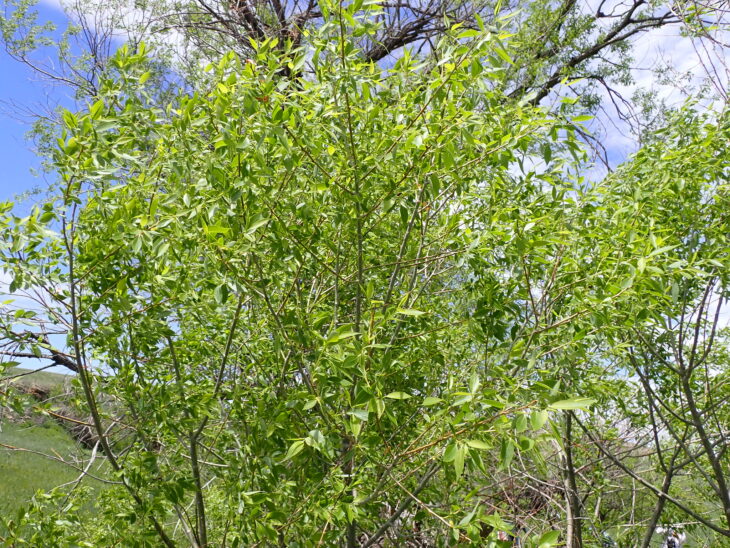
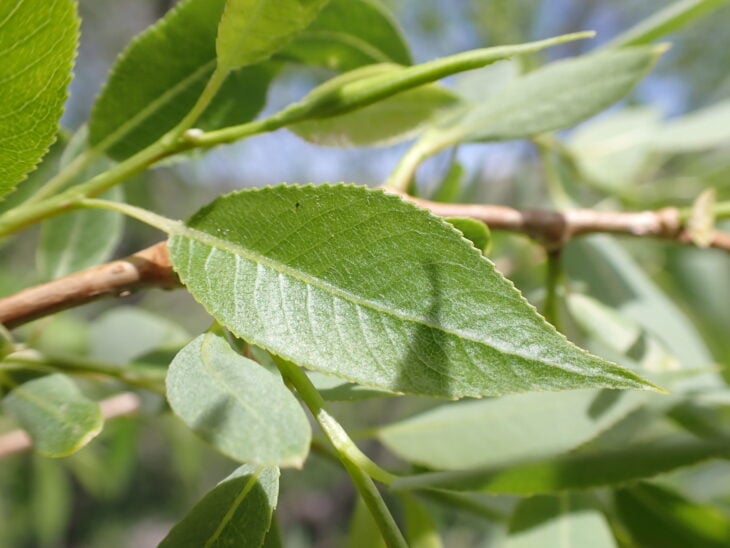
- Deciduous with long narrow leaves that resemble peach leaves.
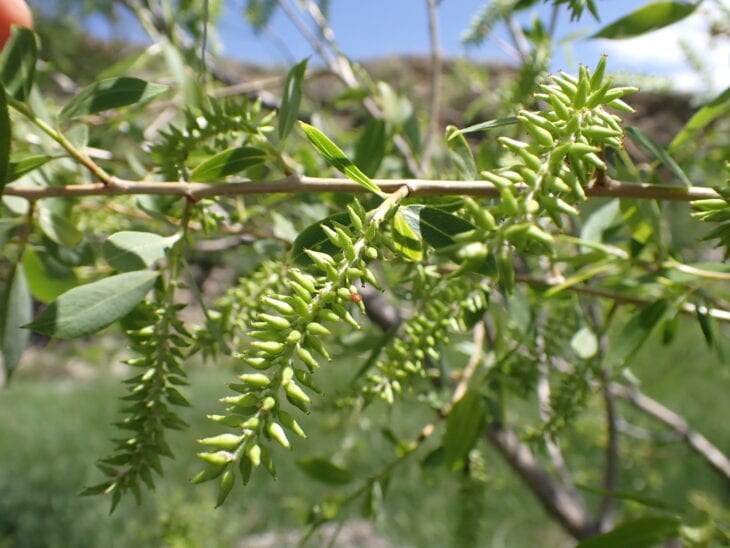
- Produces catkins in spring before or as leaves emerge.
- Fast growing and often spreads by root suckers.
- Prefers moist to wet soils and tolerates periodic flooding.
- Valued for bank stabilization and wildlife cover.
- Easily propagated from cuttings.
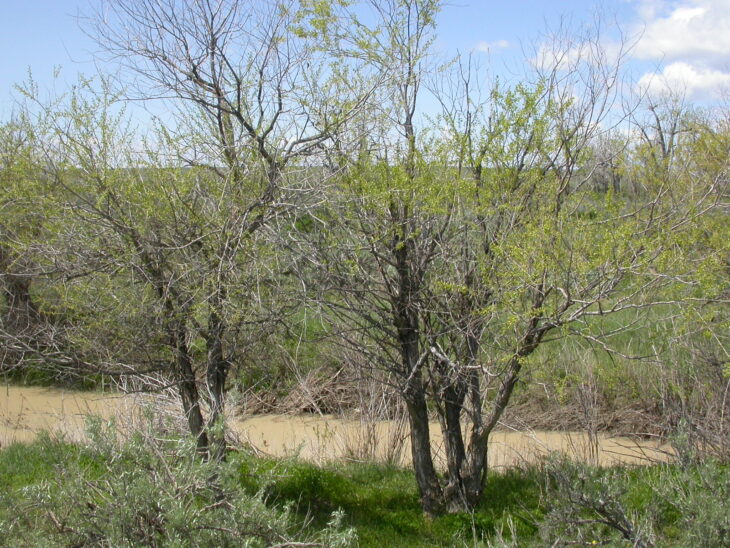
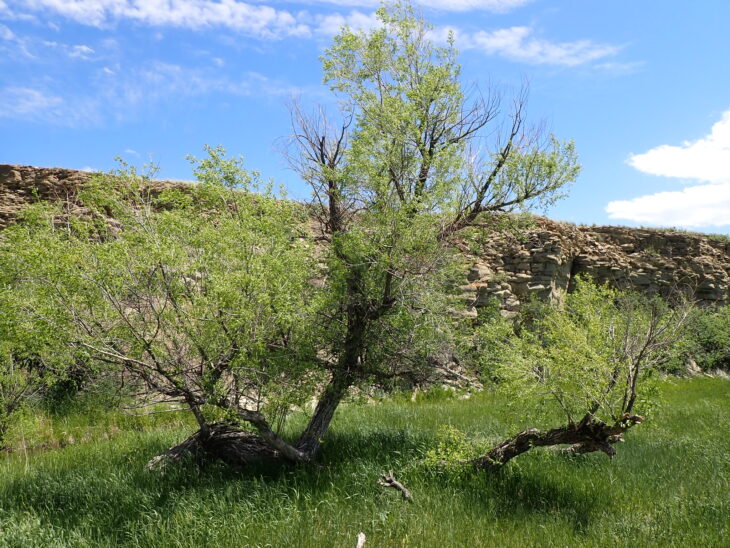
Peachleaf willow (Salix amygdaloides) is a fast growing riparian tree with long narrow leaves and spring catkins, often used to stabilize stream banks and provide wildlife cover. It thrives in moist to wet soils but spreads readily by root suckers and can form broad thickets in favorable sites.
Identification
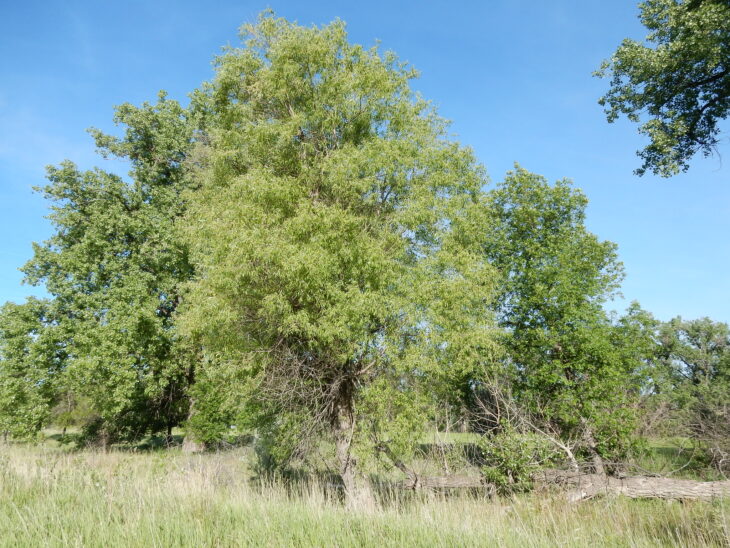
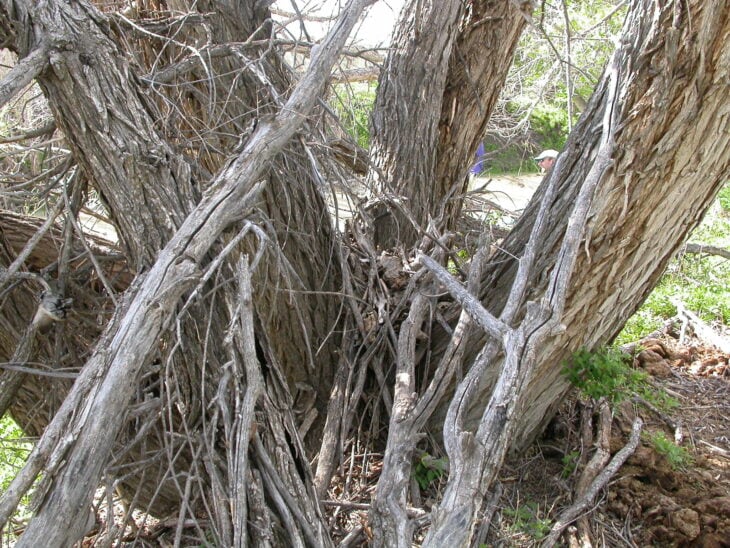
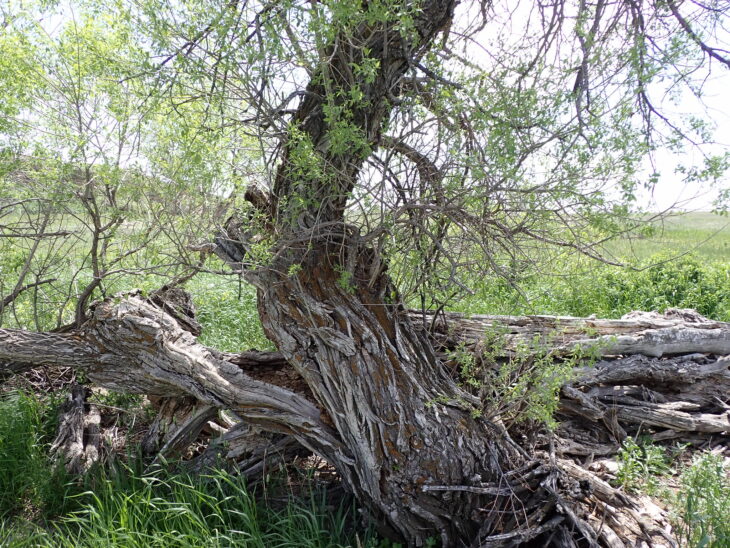
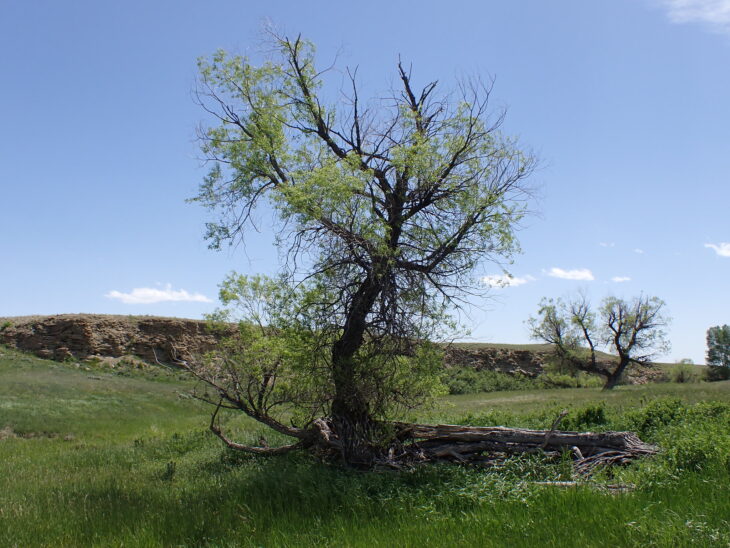
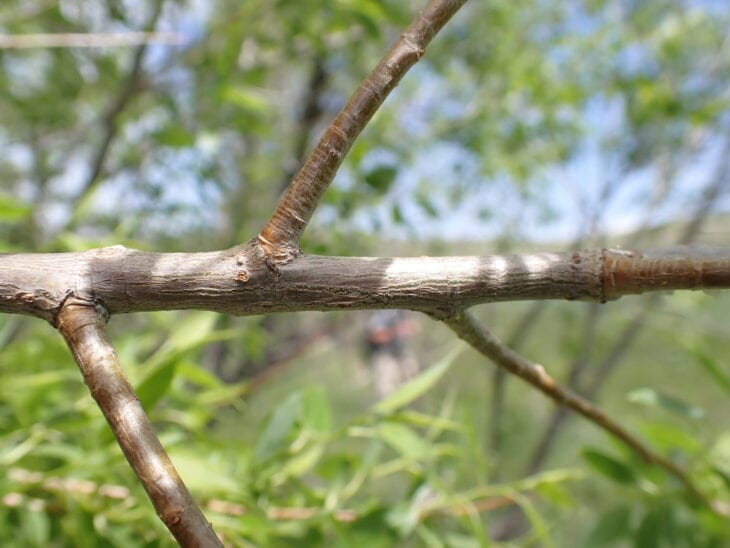
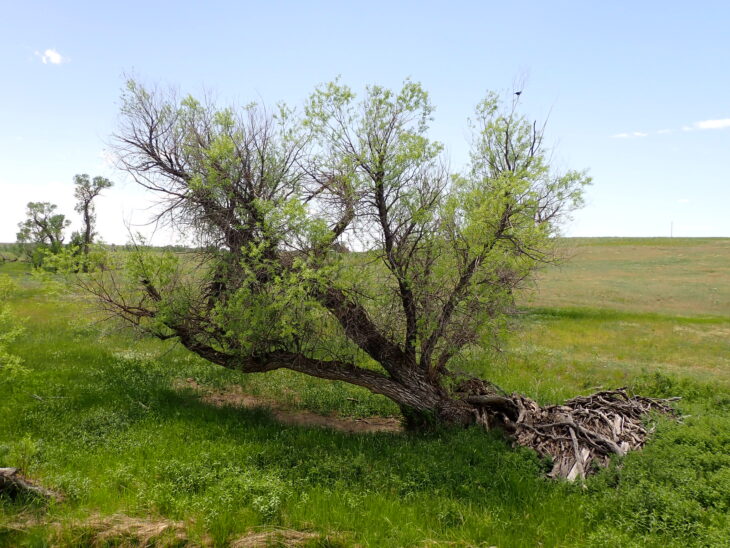
Deciduous with long narrow leaves that resemble peach leaves and conspicuous catkins in spring, the tree typically reaches 20 to 50 ft (6 to 15 m) in favorable riparian sites. Crowns can spread 15 to 40 ft (4.5 to 12 m) where root suckering produces clonal patches rather than single isolated trunks.
Best uses and where to grow
Use along streams, floodplains and wet low spots for bank stabilization and wildlife cover where consistent moisture is available. It performs best in full sun to partial shade and is generally suitable for USDA zones 3 to 8, with more vigorous and spreading behavior in warmer, wet sites.
Planting and spacing
Space single specimens to match expected mature spread, roughly 15 to 40 ft apart depending on site moisture and whether you want a thicket or a specimen tree. Plant where the soil stays consistently moist; trees planted on drier sites tend to remain smaller and multistemmed rather than forming a tall single trunk.
Watering and soil
Prefers moist to wet soils and tolerates periodic flooding, making it well suited to clay or sandy substrates that remain damp. Extended dry periods reduce vigor and limit size, so provide reliable moisture during establishment and expect reduced growth where soils are well drained and dry.
Maintenance and controlling spread
Peachleaf willow spreads by root suckers and can form thickets, so expect ongoing sucker removal if you want a single-trunk tree. Regular pruning and removing new shoots at their origin controls lateral expansion. In wetter, warmer sites plan for periodic maintenance to prevent unwanted thicket formation.
Propagation
Roots readily from hardwood and softwood cuttings and is commonly propagated vegetatively for restoration and bank work. Seed is possible but seeds are short lived and require moist exposed substrate, so seed propagation is mainly used where genetic diversity is needed and timing can be precise.
Frequently asked questions
- How fast does peachleaf willow grow?
- It is fast growing and often establishes quickly in moist sites, reaching the typical mature height range of about 20 to 50 ft in favorable riparian conditions and expanding laterally by suckers.
- Can peachleaf willow tolerate flooding?
- Yes. It thrives on floodplains and stream banks and tolerates saturated soils and periodic flooding, which is why it is valued for bank stabilization.
- Is peachleaf willow invasive?
- It spreads readily by root suckers and can form dense thickets in suitable wet sites, and may be aggressive in warmer regions, so manage sucker growth where expansion is undesirable.
- How should I propagate peachleaf willow?
- Use hardwood or softwood cuttings for reliable rooting. Seed propagation is possible but seeds are short lived and require moist exposed substrate, so cuttings are recommended for landscape use.
- Is peachleaf willow suitable for small yards?
- Generally no. Mature height of 20 to 50 ft and lateral spread of 15 to 40 ft plus suckering habit make it a poor choice for small, confined spaces.
- When does it bloom?
- It produces catkins in spring, typically from March to May in temperate parts of the Northern Hemisphere, with timing shifting by local climate.
Gallery
Related Plants


Mentioned In (4)

Trees
23 Most Common Trees in South Dakota
If you are looking to plant a tree in your garden, it is best to know what the most common…
Trees
28 Most Common Trees in Utah
The state of Utah is hailed to have a lot of beautiful trees which creates a stunning landscape all over…

Trees
23 Most Common Trees in Nebraska
Nebraska is known for its vast, rich landscapes that are absolutely teeming with wildlife and vegetation. There are approximately 10,000…

Trees
19 Most Common Trees in Colorado
Colorado is known for its mountainous terrain and lush forests. The state has a range of ecosystems, which means there…