
Key Facts
- Tender perennial often grown as an annual outside warm climates.
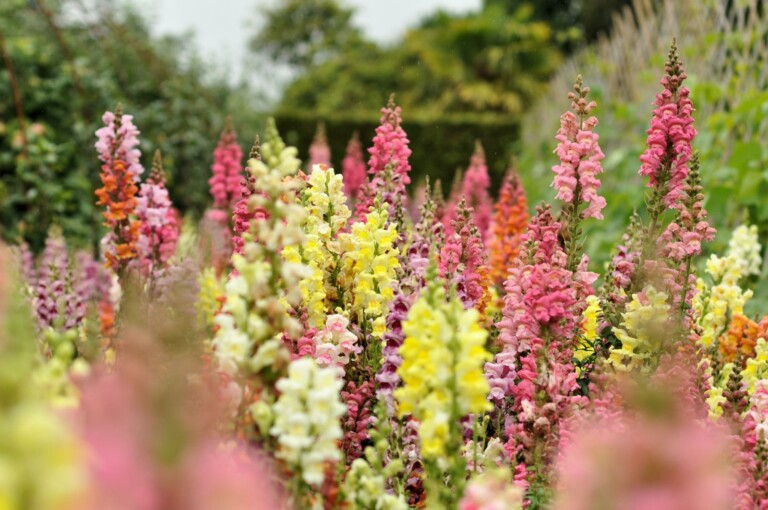
- Upright spikes of small snapdragon-like flowers from summer into fall.
- Heat tolerant and keeps flowering during hot, humid weather.
- Attractive to bees and other pollinators.
- Prefers full sun and well drained garden soil.
- Easily grown from seed and from softwood or semi-ripe cuttings.
- Generally low maintenance and drought tolerant once established.
Summer snapdragon (Angelonia angustifolia) is a heat tolerant tender perennial often grown as an annual in cooler regions. It produces upright spikes of snapdragon-like flowers from summer into fall and attracts bees and other pollinators while holding up in hot, humid weather.
Identification
Angelonia angustifolia forms upright plants with multiple flower spikes bearing small snapdragon-like blooms. Typical heights range from about 12 to 36 inches depending on the cultivar and plants generally spread 12 to 18 inches. Flowering runs from summer into fall and plants are valued for sustained bloom in warm conditions.
Best uses and where to grow
Plant summer snapdragon in sunny beds and borders where persistent summer color is needed or in pollinator-friendly plantings because it attracts bees. It tolerates heat and humidity that cause other ornamentals to sulk. In cooler climates treat it as an annual; in USDA zones roughly 9 to 11 it can behave as a perennial.
Planting and spacing
Space plants roughly 12 to 18 inches apart to allow air circulation and preserve the natural spread of each plant. In cooler regions start outdoors after the last frost because plants are tender; in warm climates plant in spring or fall according to local practice. Seedlings and transplants perform best in full sun and well drained soil.
Soil and light
Summer snapdragon prefers full sun for best flowering and will tolerate a bit of afternoon shade in very hot sites. Use fertile, well drained garden soil with pH around 6.0 to 7.0 when possible because poor drainage leads to root loss and reduced flowering. Avoid waterlogged conditions that invite root problems.
Watering and maintenance
Keep plants evenly moist while they establish then ease back because summer snapdragon is generally drought tolerant once established. Overwatering or poor drainage reduces flowering and can cause root loss. Routine light care and removing obvious dead growth keeps plants tidy; heavy feeding is rarely necessary when soil is fertile and well drained.
Propagation
Start large plantings from seed and propagate named cultivars from softwood or semi-ripe cuttings for true-to-type plants. Cuttings are commonly used in nursery production while seed is useful for larger areas or mixed beds. Division is not typical for this species.
Containers and seasonal care
Because it tolerates heat and continues to bloom in humid weather summer snapdragon works well in containers during the growing season provided pots have excellent drainage. In warm regions plants can persist through seasons; in cooler climates treat them as annuals and replace plants after frost kills top growth.
After flowering and spread control
Plants bloom from summer into fall and will continue until frost in warm climates. They do not require division to maintain vigor and propagation is mainly by seed or cuttings. To limit self-seeding remove spent flower spikes before seeds set. Control spacing in beds to prevent crowding and maintain airflow.
Frequently asked questions
- How fast does Summer snapdragon grow?
- Growth rate varies by cultivar and conditions but many plants reach their mature height of about 12 to 36 inches within a single growing season under warm, sunny conditions.
- Is Summer snapdragon perennial?
- It behaves as a perennial in warmer USDA zones roughly 9 to 11 and is commonly grown as an annual in cooler regions where frost kills top growth.
- What soil does it prefer?
- Use fertile, well drained garden soil with a slightly acidic to neutral pH around 6.0 to 7.0; avoid waterlogged soils that reduce flowering and cause root loss.
- How often should I water it?
- Keep plants evenly moist while they become established then water less frequently because mature plants are generally drought tolerant; do not let roots sit in water.
- How do I propagate Summer snapdragon?
- Start from seed for large plantings and use softwood or semi-ripe cuttings to preserve named varieties; division is not a typical propagation method.
Related Plants


Mentioned In (2)

Plants
9 Plants That Look Like Thyme
Thyme has been used as a flavor for food and burned as incense in temples. It has been and still…
Plants
9 Plants That Look Like Snapdragons
Snapdragons have been a staple in cottage gardens for centuries. They are excellent plants for filling in color in a…