Key Facts
- Low growing perennial legume that spreads by slender stolons.
- Fixes atmospheric nitrogen through root nodules.
- Common in lawns, pastures, and as a cover crop.
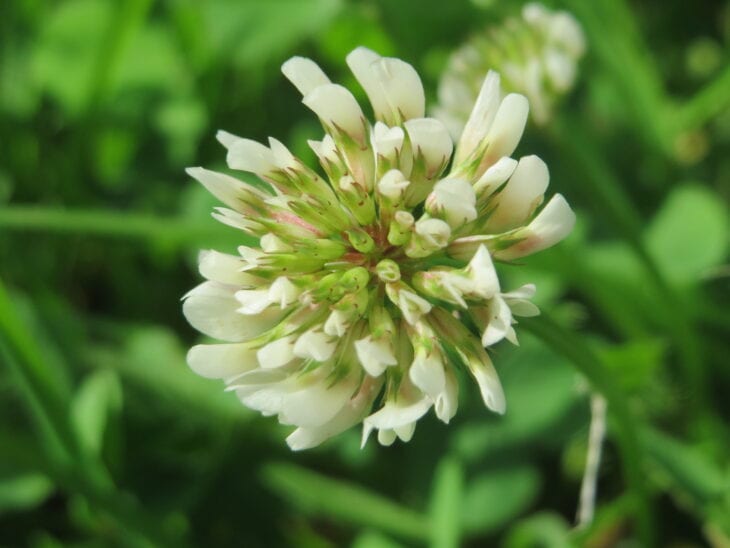
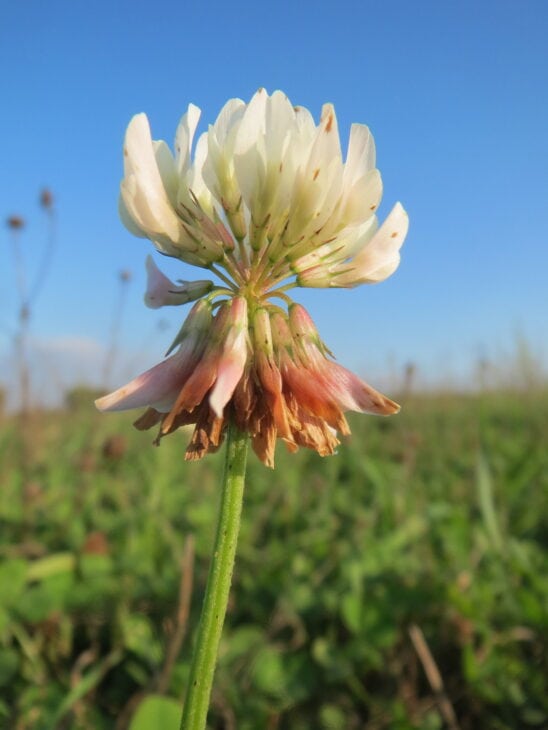
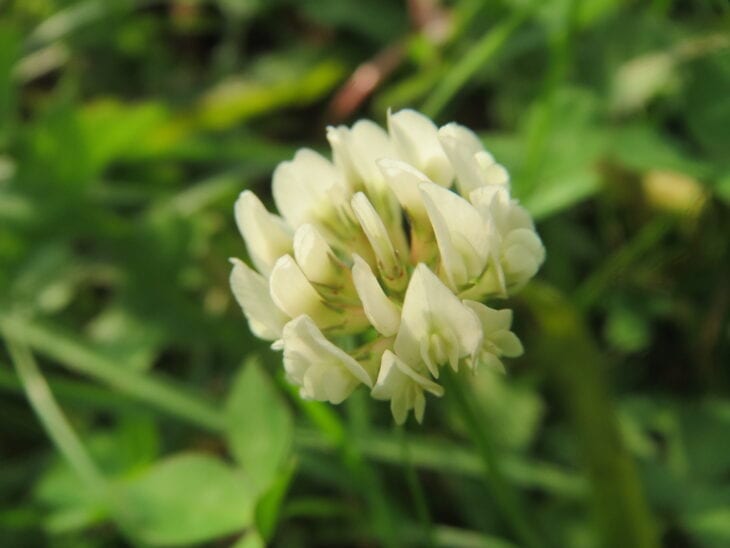
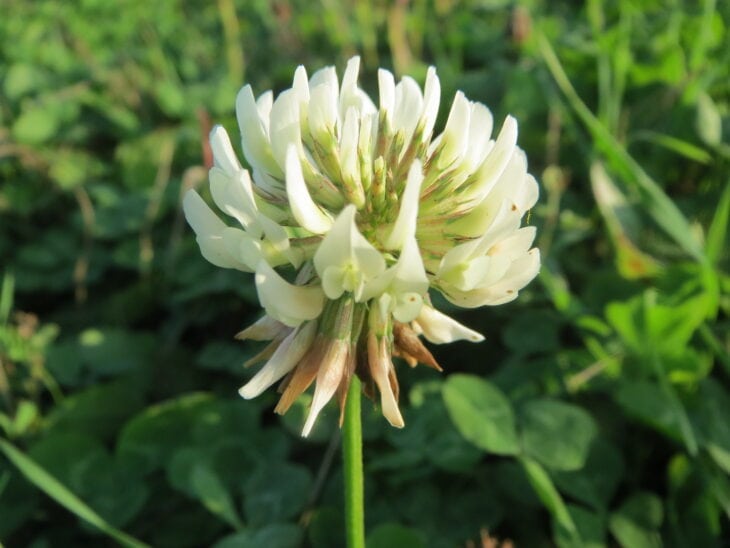
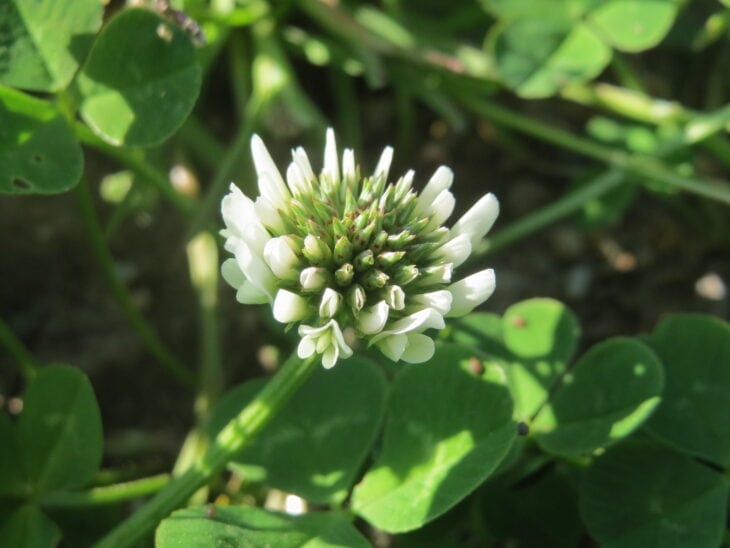
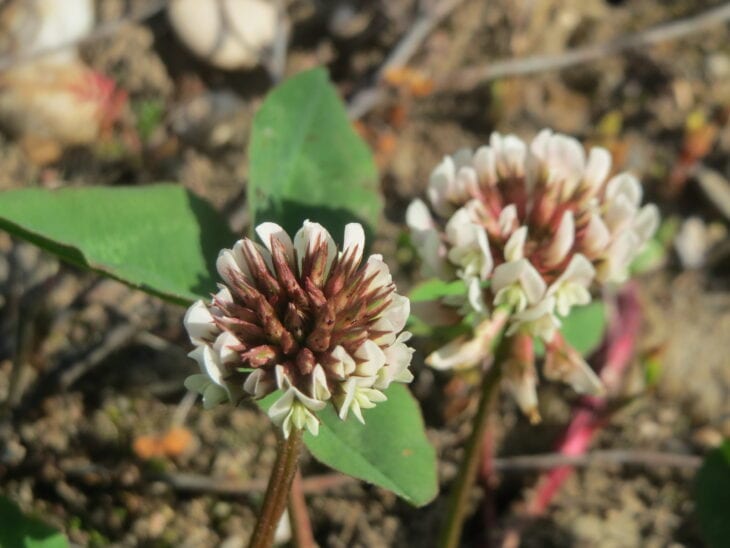
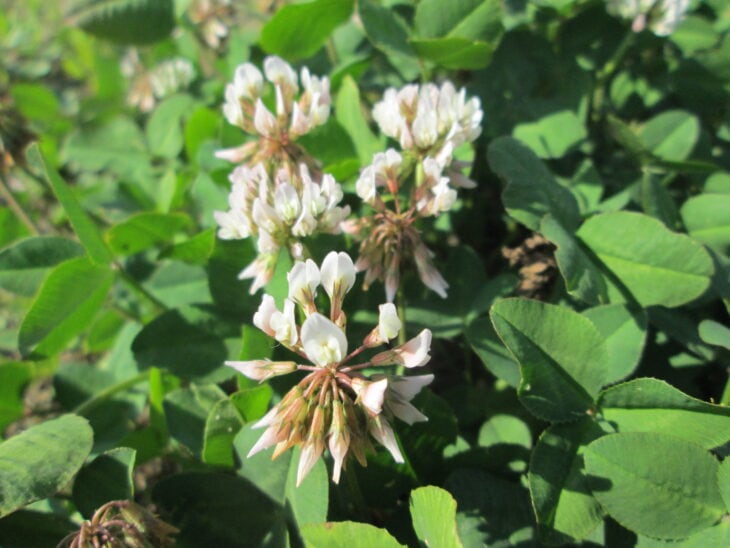
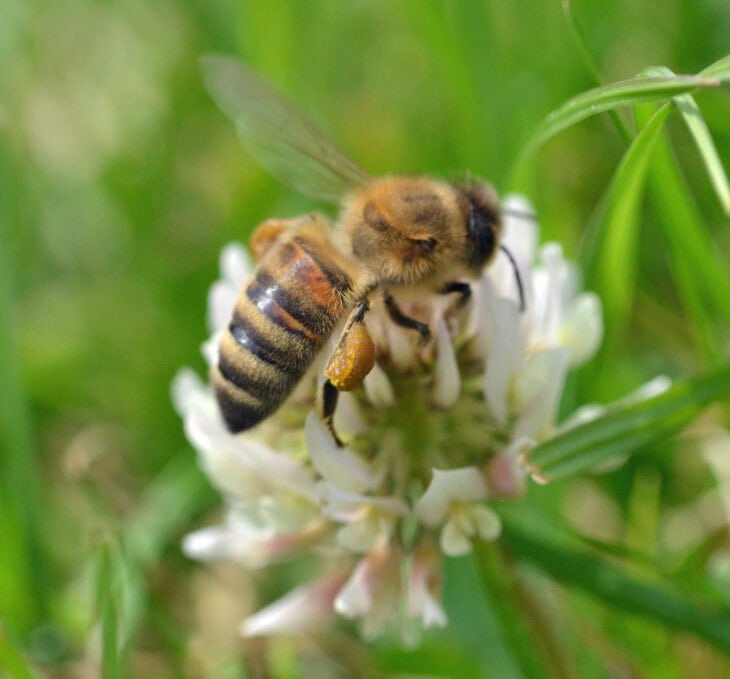
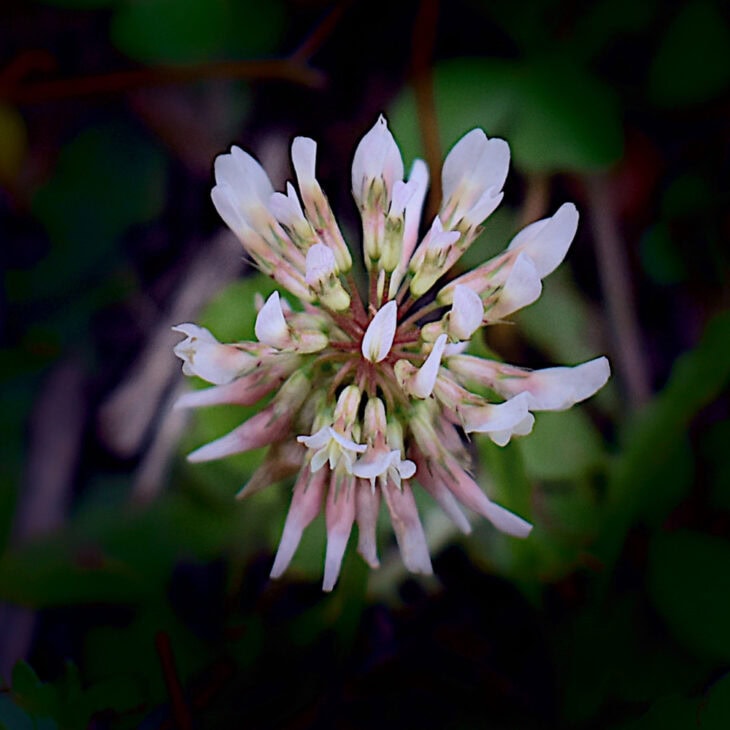
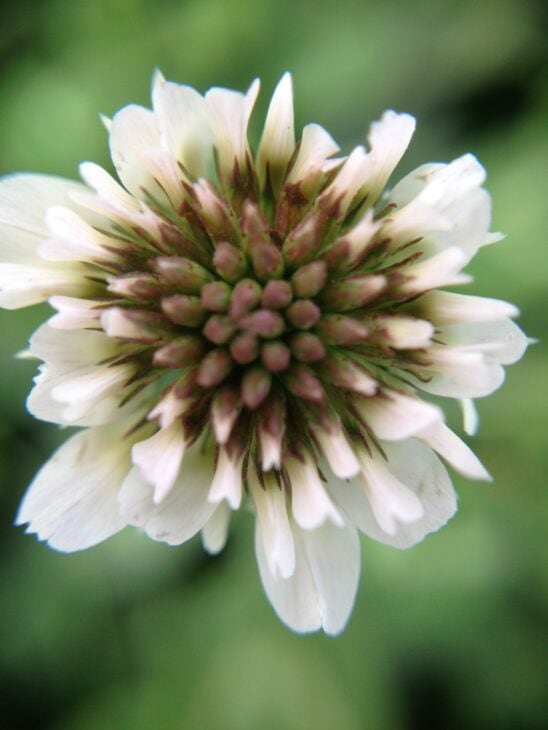
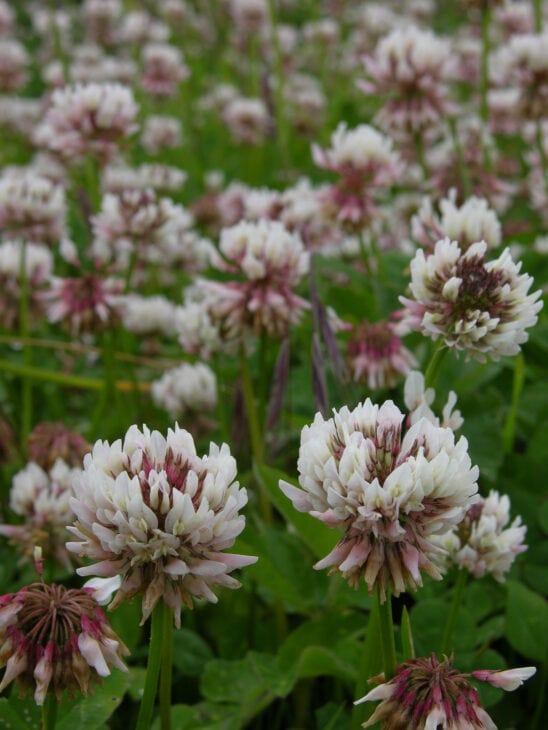
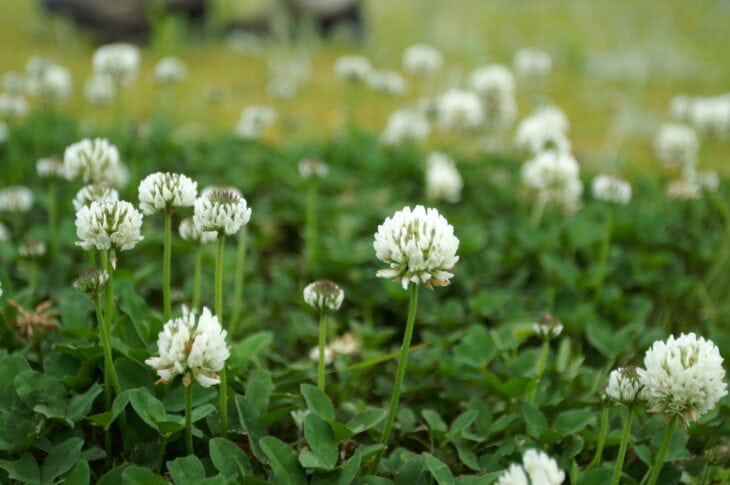
- Produces rounded white to whitish-pink flower heads attractive to bees.
- Tolerates close mowing and compaction better than many broadleaf plants.
- Persists in a wide range of soils but prefers moisture and fertility.
- Propagates from seed and vegetative stolons.
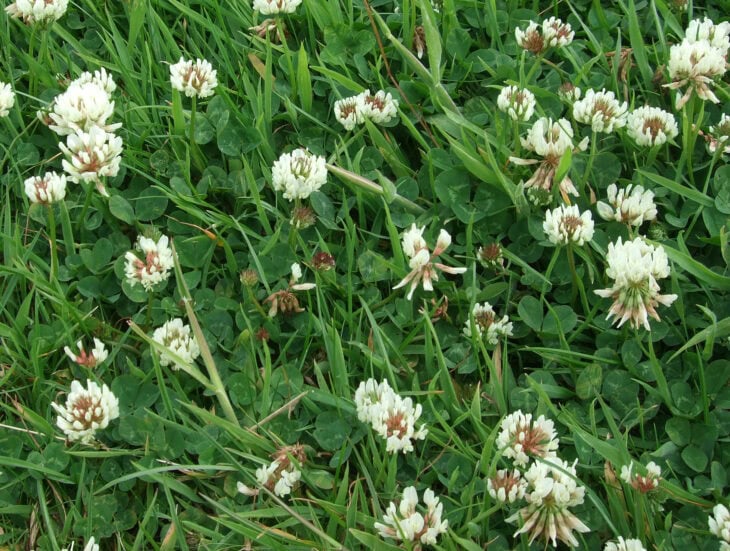
- Can form dense mats and compete with turfgrasses.
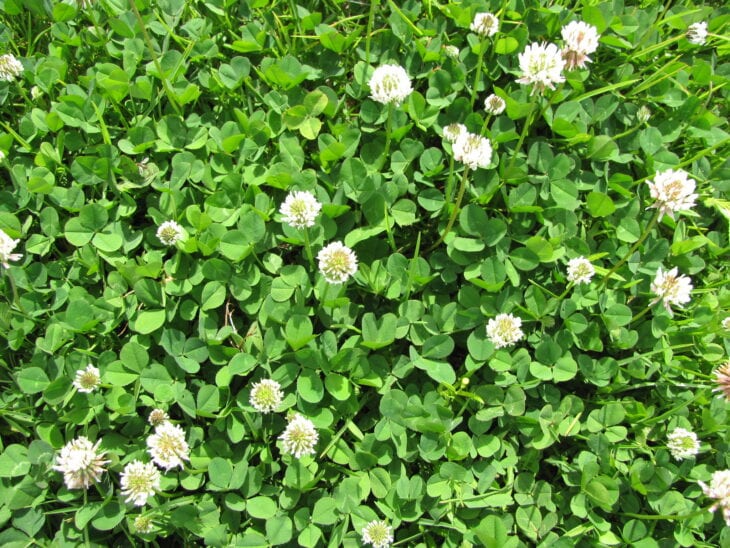
White clover (Trifolium repens) is a low growing perennial legume that forms mats and produces rounded white to whitish pink flower heads attractive to bees. It fixes atmospheric nitrogen and is widely used in lawns pastures and cover crop mixes while its stoloniferous spread can outcompete fine turf and nearby plants.
Identification
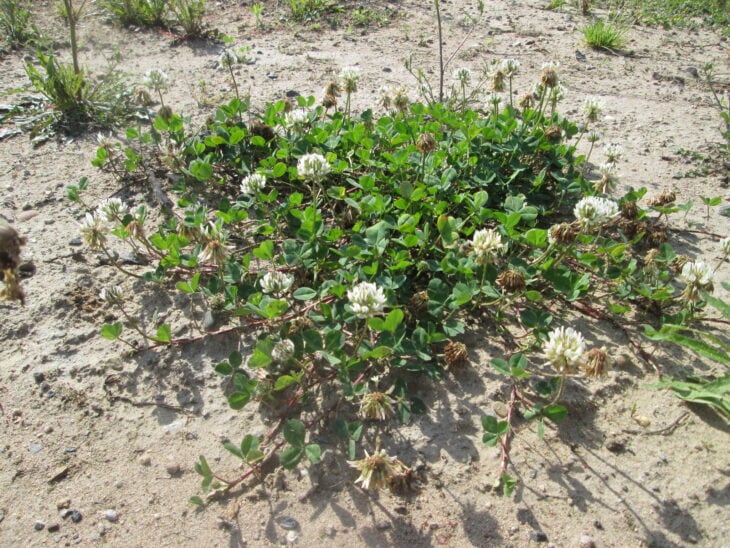
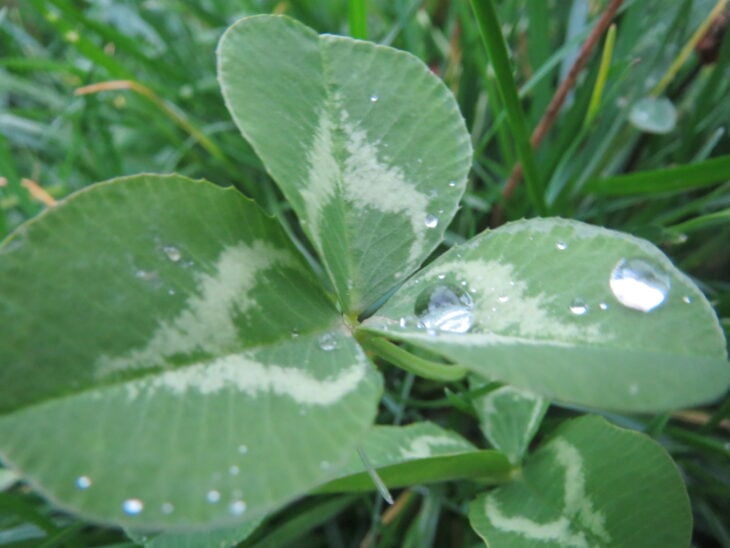
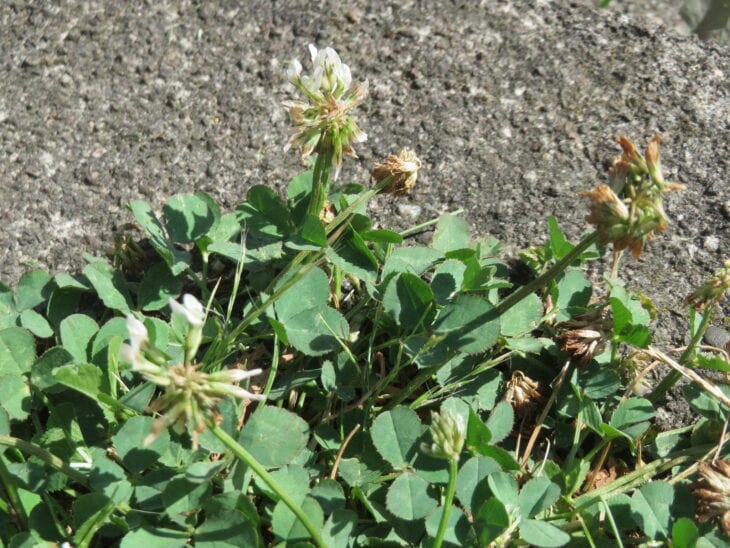
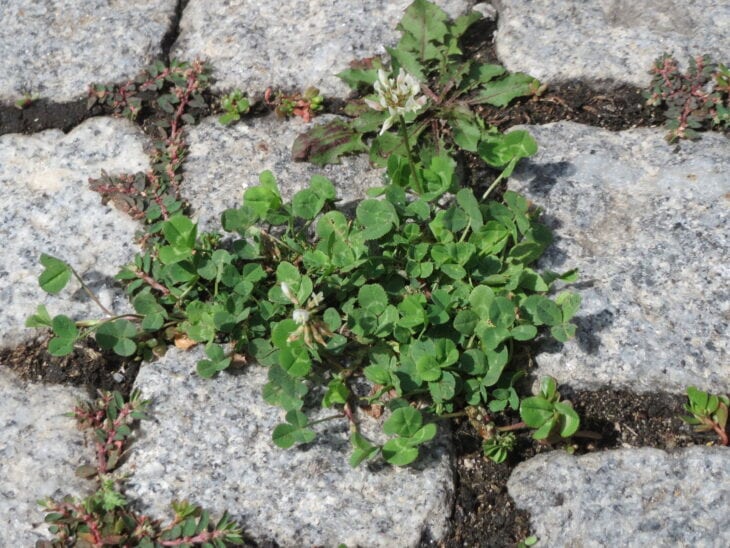
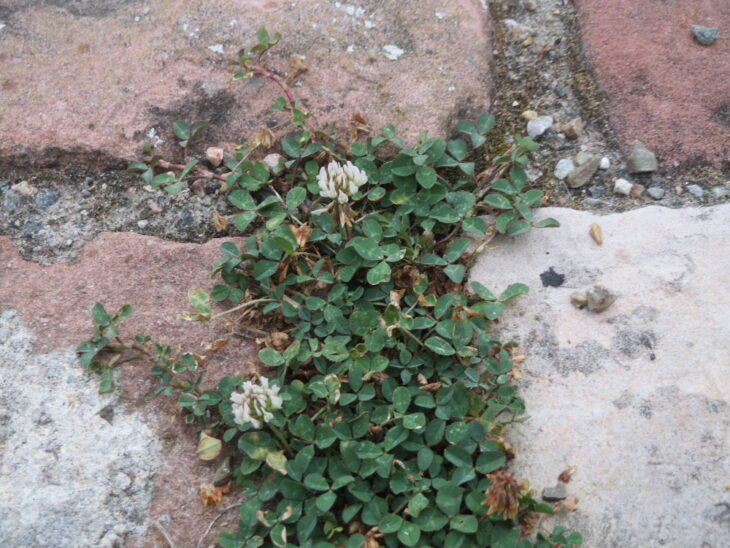
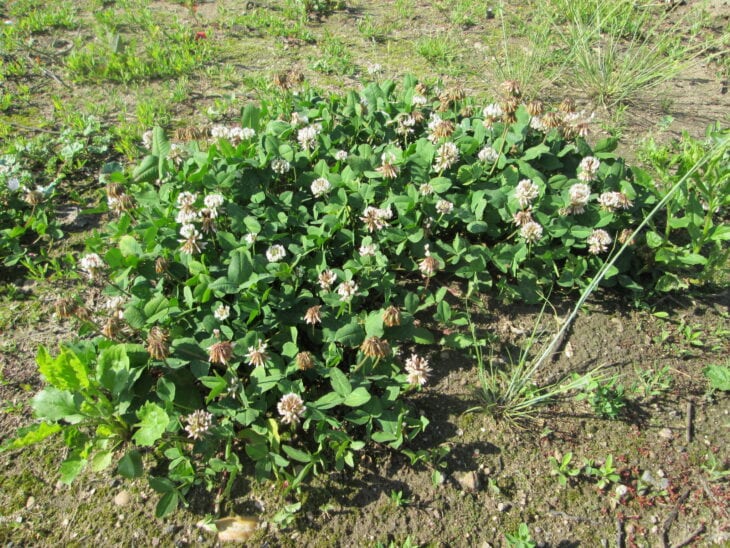
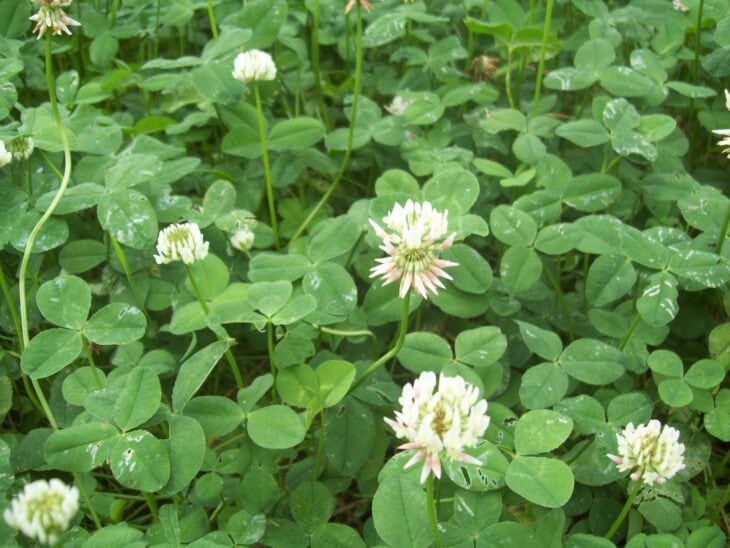
Low growing habit typically two to eight inches tall with flower heads held above the foliage on short stalks. Plants spread by slender stolons that root at nodes to form mats often six to twenty four inches or more across. Rounded white to whitish pink flower clusters attract pollinators and root nodules fix nitrogen.
Where to grow and best uses
Valued as a lawn component pasture forage and cover crop and also used as a groundcover to improve soil fertility. Tolerates close mowing and soil compaction better than many broadleaf plants. Performs best in full sun to part shade and prefers moist well drained soils. Survives in many temperate areas reported for USDA zones three to nine.
Planting and propagation
Reproduces by seed and by vegetative stolons. Seed establishes quickly and stolons root where they contact soil allowing rapid mat formation. For new stands place seed on well prepared soil with good seed to soil contact and keep surface consistently moist until seedlings are established. Stolon fragments can be transplanted and will root at nodes.
Water and soil
Prefers moist well drained soils and shows reduced vigor in very dry or waterlogged ground. Persistent moisture encourages dense mats and abundant flowering while drought causes thinning and patchy growth. Tolerates lower fertility and compacted soils but will perform best where soil moisture and moderate fertility are available.
After flowering care
Mowing after bloom reduces seed set and can limit spread while light cuts keep plants low and flowering in long seasons. Allowing some flower heads supports pollinators but increases self seeding. Remove heavy thatch and occasional raking prevents buildup of stolon networks at the surface and helps maintain a mixed turf or planted area.
Spread and naturalizing control
Spreads indefinitely by stolons and can form dense mats that compete with turfgrasses and other plants. Control by frequent mowing targeted hand removal of stolons and using edging or barriers to limit lateral spread. Reseeding dense turf species or creating a competing groundcover reduces recolonization from nearby clover patches.
Frequently asked questions
- How fast does White clover grow?
- White clover establishes quickly from seed and spreads rapidly by stolons. Individual plants remain low but mats can expand six to twenty four inches or more over a growing season under favorable conditions.
- Is white clover safe for pets?
- Not listed as toxic to dogs and cats in common references but eating large amounts can cause mild digestive upset. For grazing livestock large quantities of clover can contribute to bloat risk.
- Can I add white clover to my lawn?
- Yes it tolerates close mowing and compaction and will improve soil nitrogen which benefits grass. Expect visible clover patches and potential competition with fine turf types.
- How do I remove white clover?
- Frequent mowing hand pulling of stolons and removal of rooted fragments reduces spread. Installing edging and overseeding dense turf or other groundcovers lowers chances of recolonization.
- When does white clover bloom?
- Flowering commonly occurs from late spring through summer and is often reported as May through September in temperate northern hemisphere climates. Blooming depends on local climate and mowing frequency.
Gallery
Related Plants