
Key Facts
- Annual herb grown for its blue star shaped flowers.
- Leaves and flowers are used fresh as a garnish and in beverages.
- Attractive to bees and other pollinators.
- Self seeds readily and can naturalize in suitable sites.
- Prefers full sun to part shade and well drained soil.
- Tolerant of average to poor soils but dislikes waterlogged ground.
- Propagated easily by direct sown seed.
- Contains pyrrolizidine alkaloids that can be harmful if eaten in large amounts or over time.
Borage (Borago officinalis) is a fast growing annual with bright blue star shaped flowers and a cucumber like flavor in the leaves and blooms. It attracts bees, self seeds readily, and is grown as an ornamental edible with a few toxicity caveats.
Identification
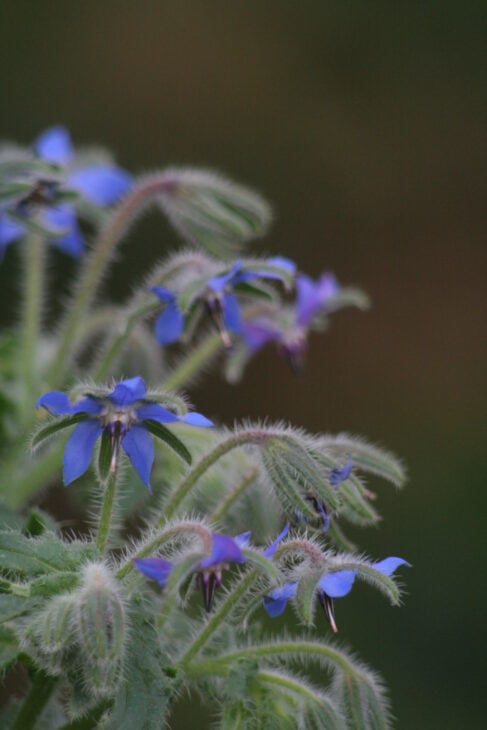
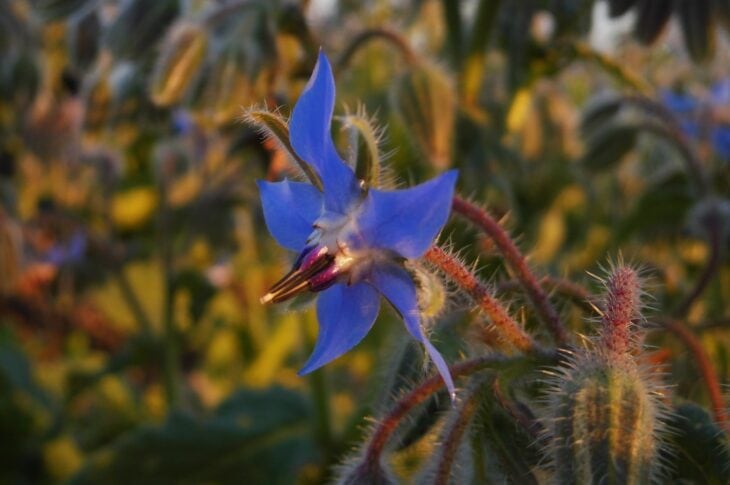
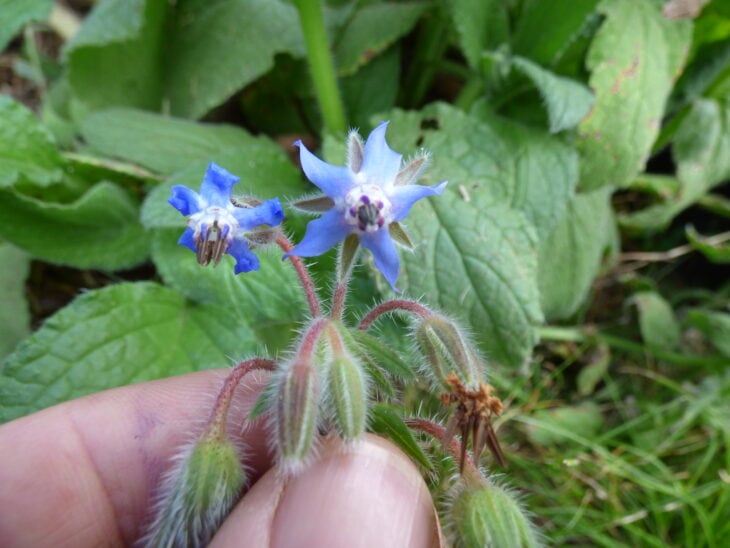
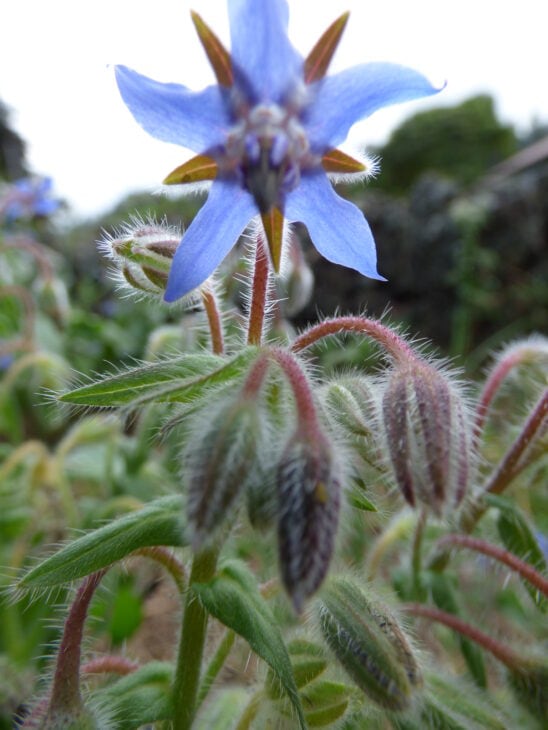
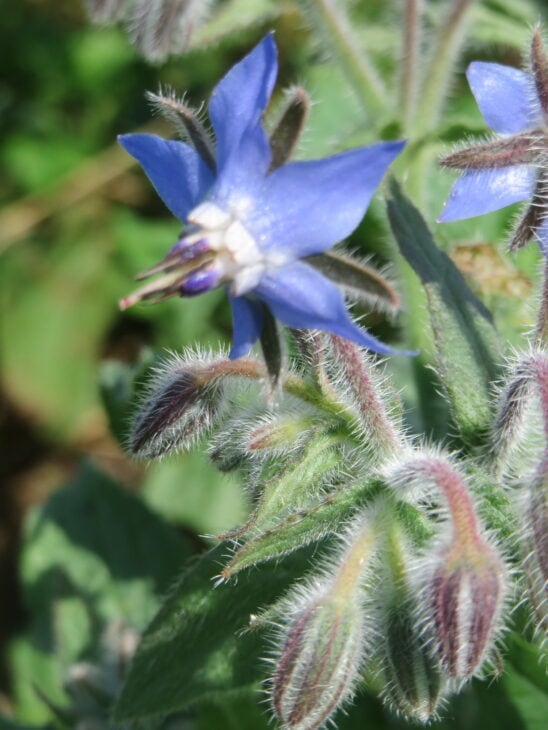
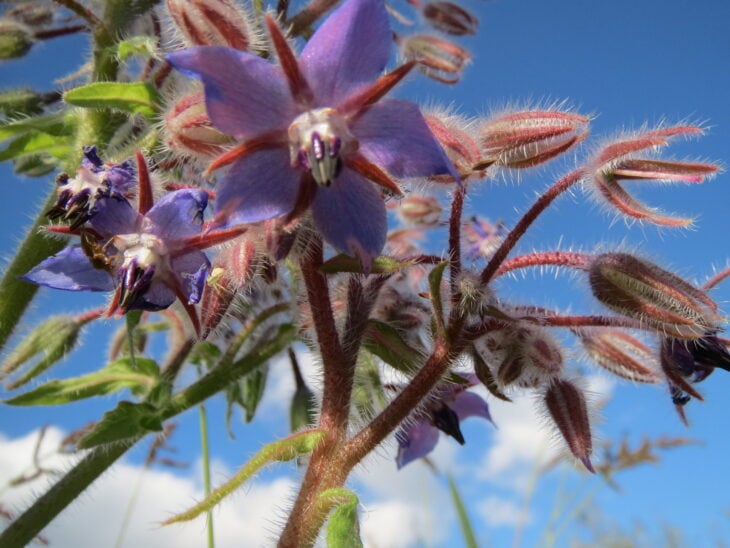
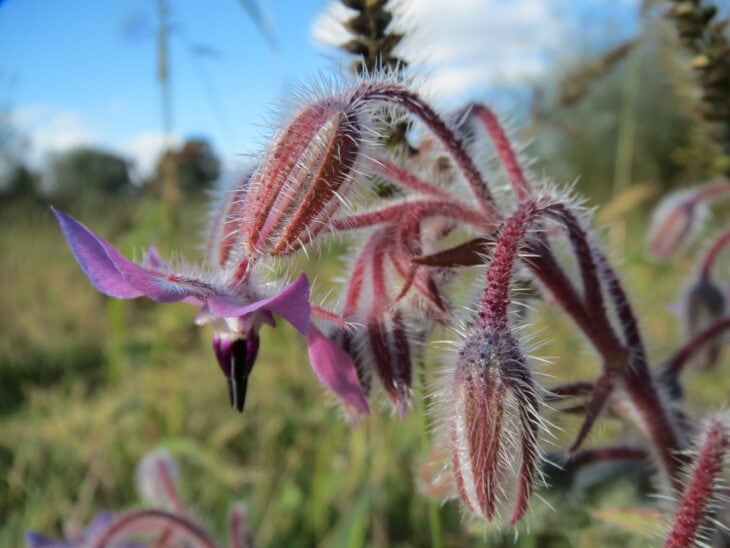
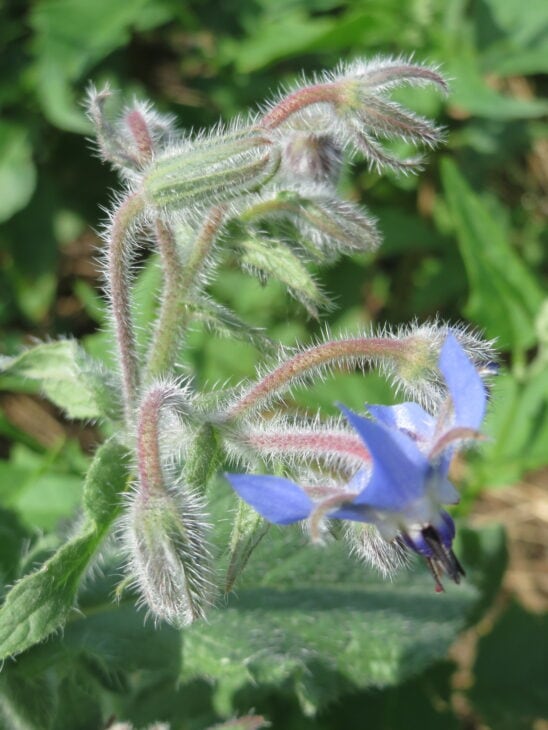
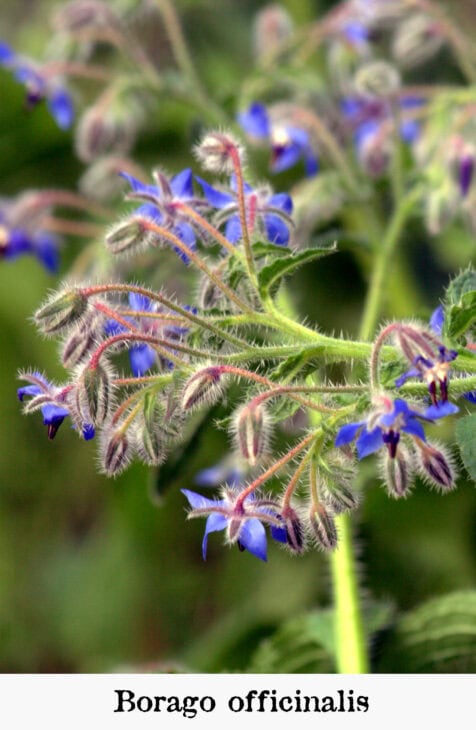
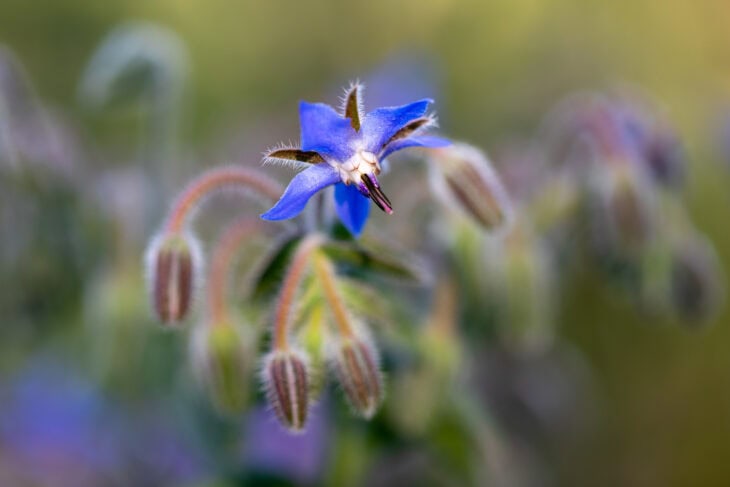
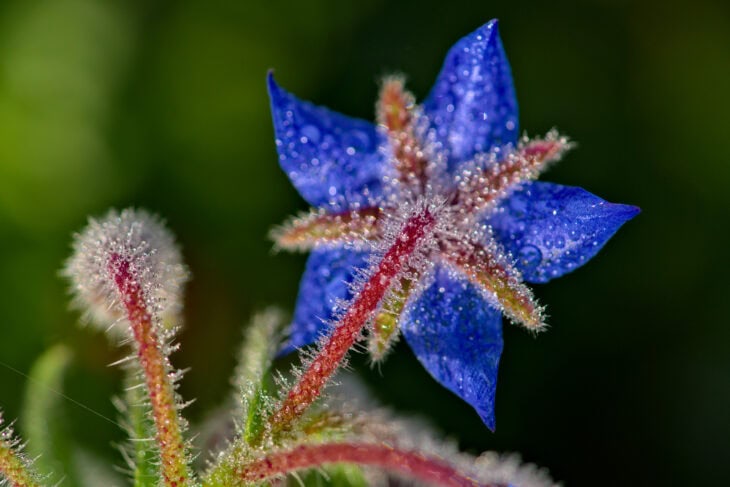
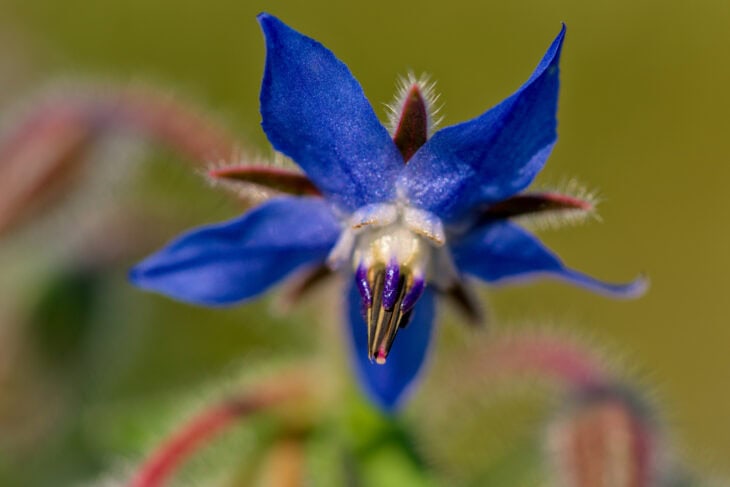
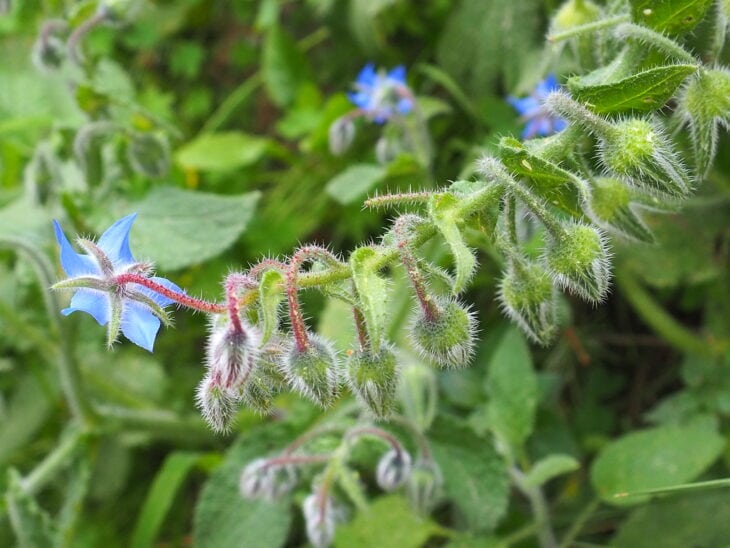
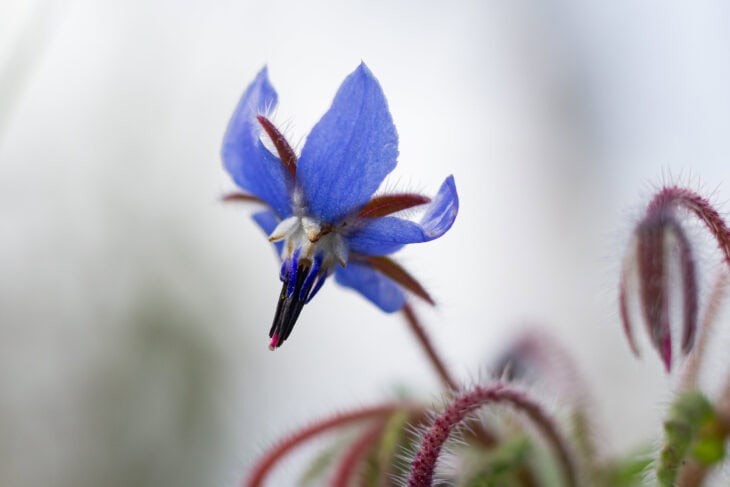
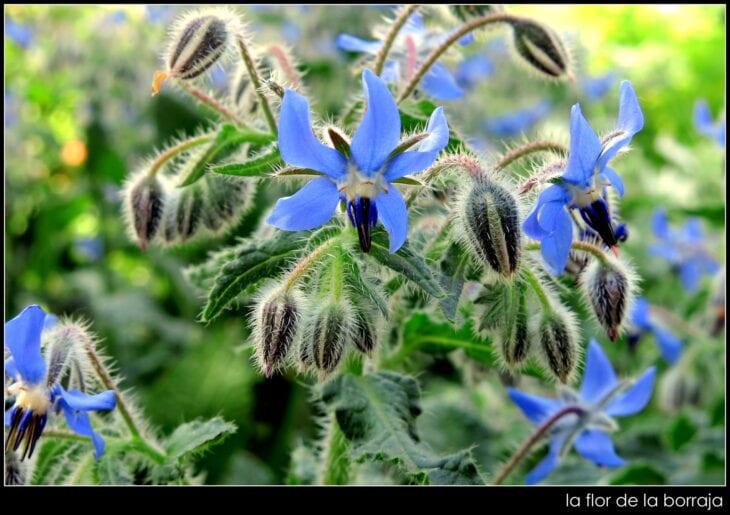
Borage grows to about 12 to 24 inches 30 to 60 cm tall and forms loose clumps roughly the same across. Stems and leaves are rough to the touch and the flowers are distinctive bright blue stars often visited by bees. The overall habit is open and airy, making blooms visible in mixed beds.
Best uses
Use borage as an annual pollinator plant, edible garnish in herb beds, or a filler in cottage style borders. It brings bees to vegetable plots and pairs well with tomatoes and fruiting crops for increased pollination. Because it self seeds freely it works where occasional volunteers are acceptable.
Planting and timing
Direct sow seed in spring after the last frost or in autumn in milder regions, since plants readily self sow. Borage is usually treated as an annual and will persist through reseeding in USDA zones 3 to 11 when winters allow. Transplanting established seedlings can be less reliable than sowing seed where you want plants to bloom.
Seed placement and spacing
Sow seed where plants are to grow and cover only lightly or press into the surface soil. Thin or space plants to about 12 to 24 inches 30 to 60 cm apart to accommodate their typical spread. Dense sowing increases local competition and will produce more volunteer seedlings later.
Watering and soil
Borage prefers well drained, moderately fertile soil and tolerates average to poor soils. Avoid waterlogged ground which reduces vigor and can lead to crown rot. Keep plants watered during dry spells to maintain leaf turgidity and prolong flowering, and place in full sun for the best bloom display with light shade tolerated.
Care and after flowering
Allow some plants to set seed if you want them to return next year. Deadhead spent flowers to limit volunteers or let seed pods develop and harvest seed before they split. Pull finished plants and add to compost to tidy beds and reduce new seedlings if you do not want self sowing.
Managing spread and naturalizing control
Remove seedlings in spring before they flower to reduce naturalizing. Deadhead or cut back plants in late summer to prevent seed set and limit spread. Repeated removal of volunteers over one or two seasons will reduce local density and keep borage confined to intended areas.
Edible use and toxicity
Leaves and flowers are used fresh as a cucumber flavored garnish and in beverages but contain pyrrolizidine alkaloids that can be hepatotoxic with large or repeated ingestion. Use small amounts culinarily and consult poison control or veterinary guidance before offering borage to pets or using it medicinally.
Frequently asked questions
- How fast does borage grow?
- Borage is fast growing and can reach its typical height of 12 to 24 inches 30 to 60 cm within a single season when sown in spring.
- Will borage come back next year?
- It is usually treated as an annual but will return where it self seeds. Persistence depends on winter severity and whether volunteers are allowed to establish.
- Is borage invasive?
- Not classed as broadly invasive, though it self seeds readily and can naturalize if seed heads are left. Control volunteers to prevent unwanted spread.
- Are borage leaves edible?
- Yes leaves and flowers are used fresh as a garnish, but they contain pyrrolizidine alkaloids and should not be eaten in large or repeated amounts without medical advice.
- How do I stop borage from self seeding?
- Deadhead flowers, remove seed heads before pods split, and pull seedlings early. Repeated removal will reduce local seed bank over time.
Gallery
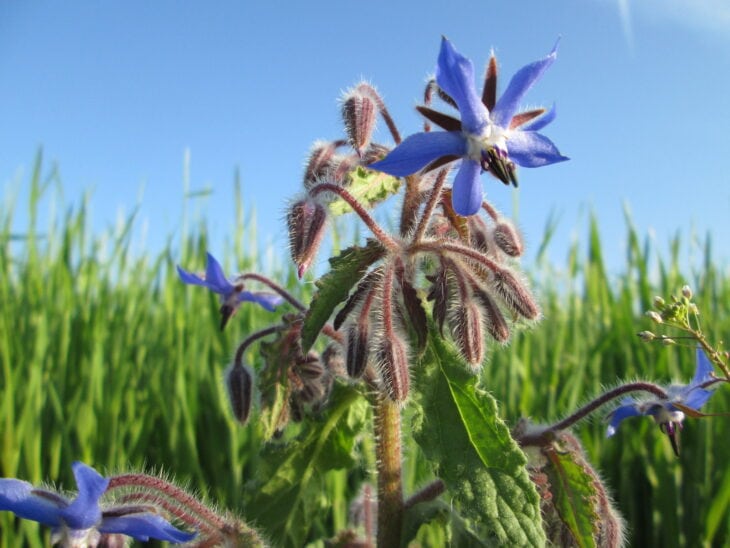
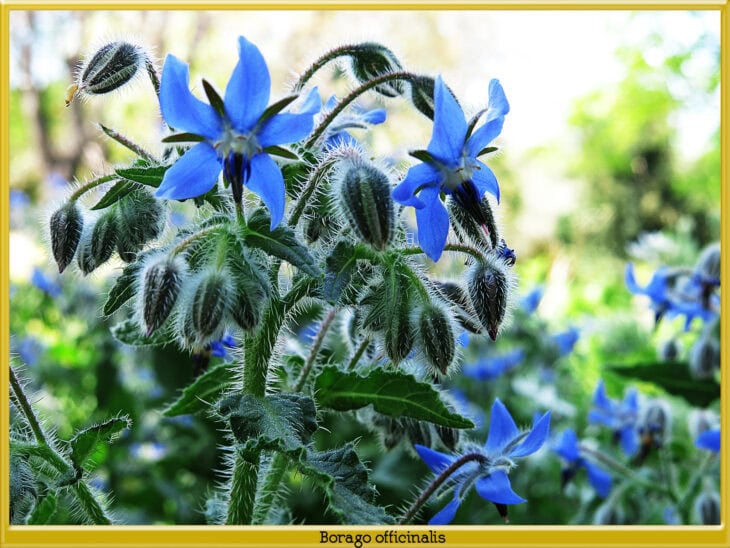
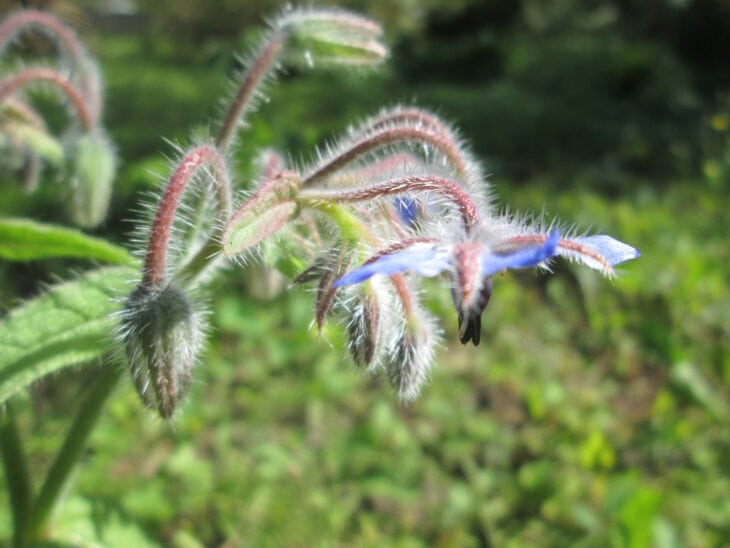
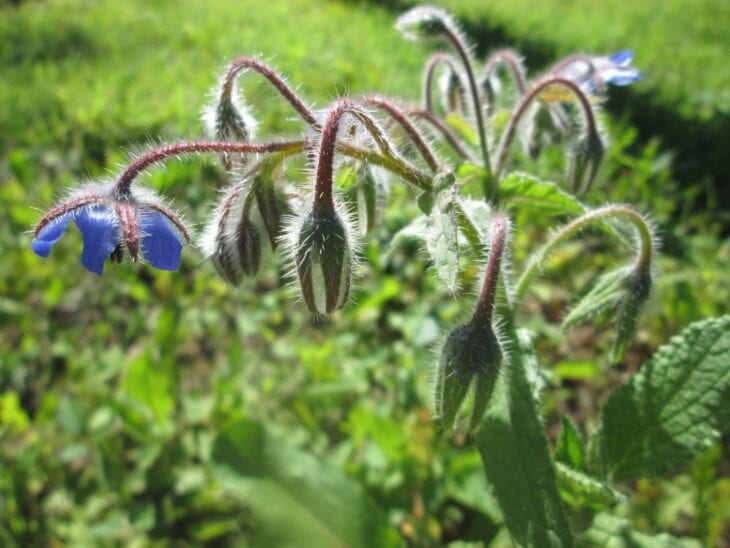
Related Plants

Mentioned In (4)
Plants
Companion Plants for Basil: What Works and Why
Basil bolts faster than almost any other herb in the summer garden, and once it flowers, the leaves turn bitter…
Plants
Companion Plants for Cucumber: What Works (and what Doesn’t)
Cucumber beetles are one of the most destructive forces in the vegetable garden — and they don't just eat foliage.…

Plants
Companion Plants for Tomatoes: What Works and Why
Companion planting can significantly improve the health and yield of your tomato plants, but choosing the right partners is key…
Plants
Companion Plants for Peppers: What Works and Why
Peppers are a magnet for aphids and thrips from the moment they go in the ground, and a plant this…