
Key Facts
- Annual culinary herb grown for feathery foliage and aromatic seeds.
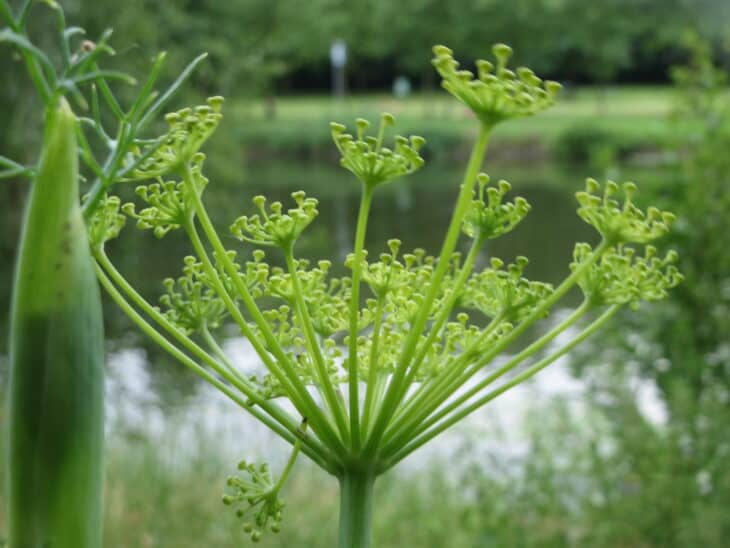
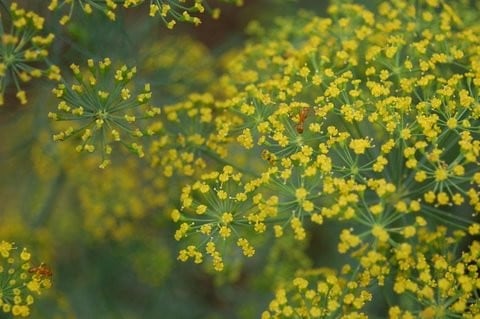
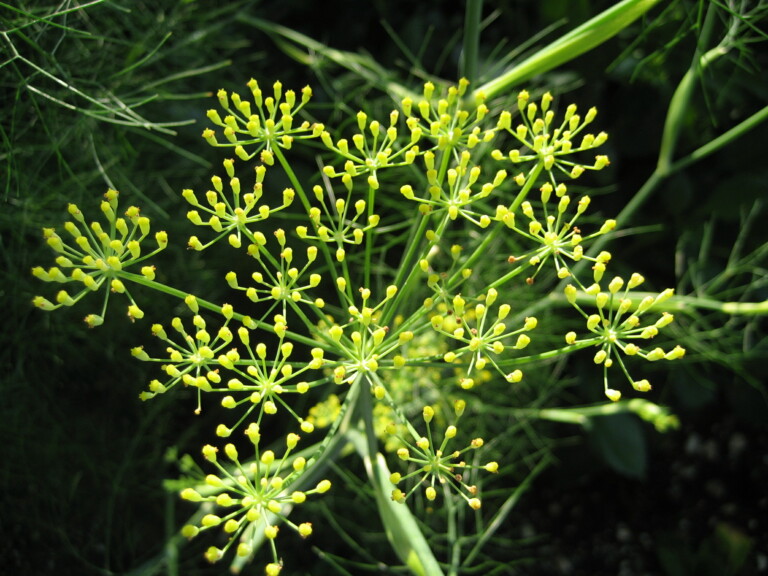
- Produces flat umbels of small yellow flowers that attract pollinators and beneficial insects.
- Fast growing from seed and suitable for beds, borders, and containers.
- Leaves are used fresh while seeds are harvested and used as a spice.
- Prefers well drained soil and full sun for best growth.
- Can self seed readily and may reappear the following season in mild climates.
Dill is an annual culinary herb valued for feathery foliage and aromatic seeds. It grows quickly from seed and fits beds, borders and containers while readily self seeding in mild climates.
Identification
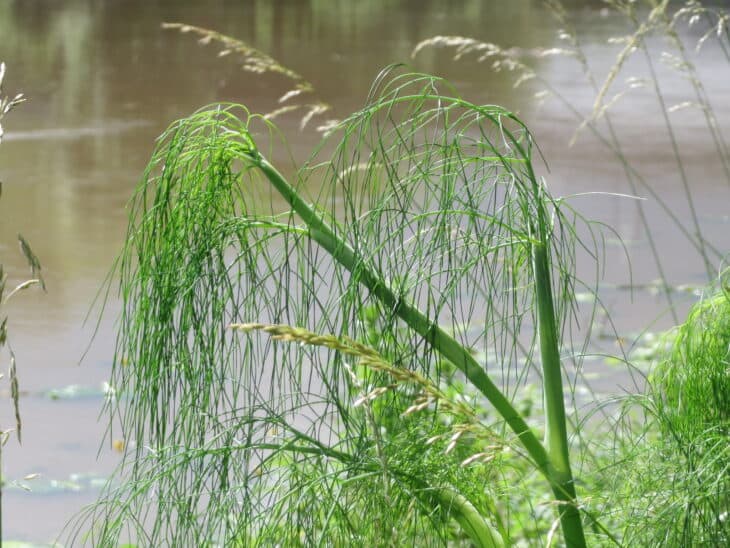
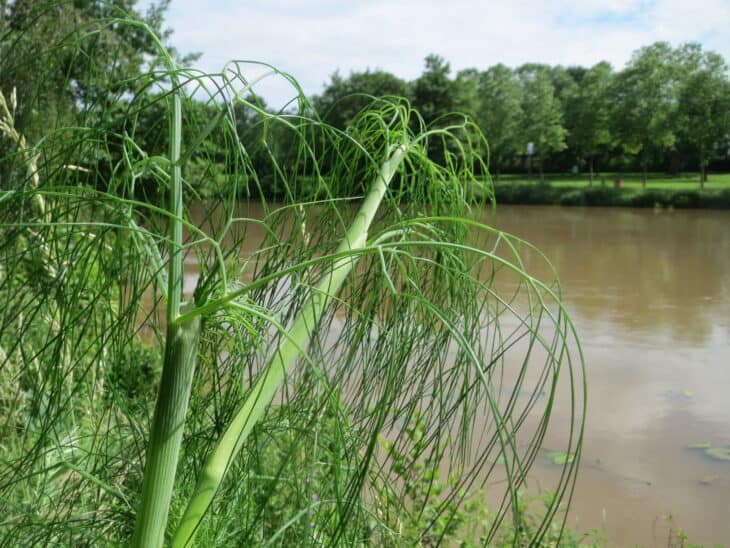
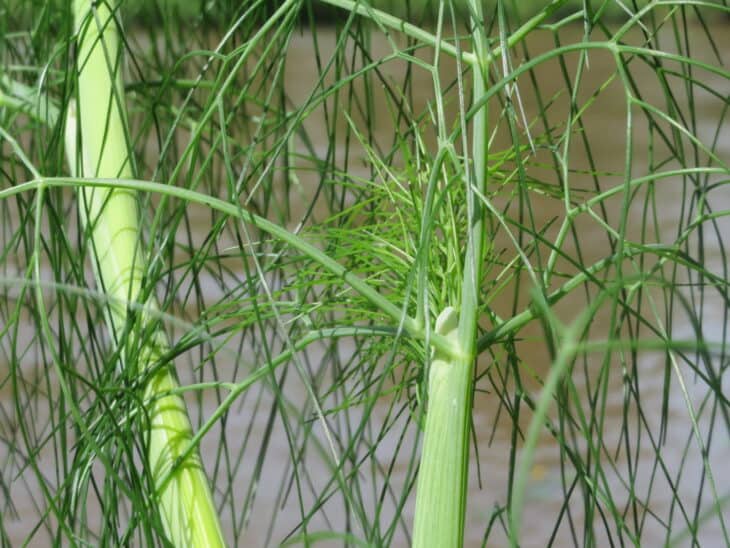
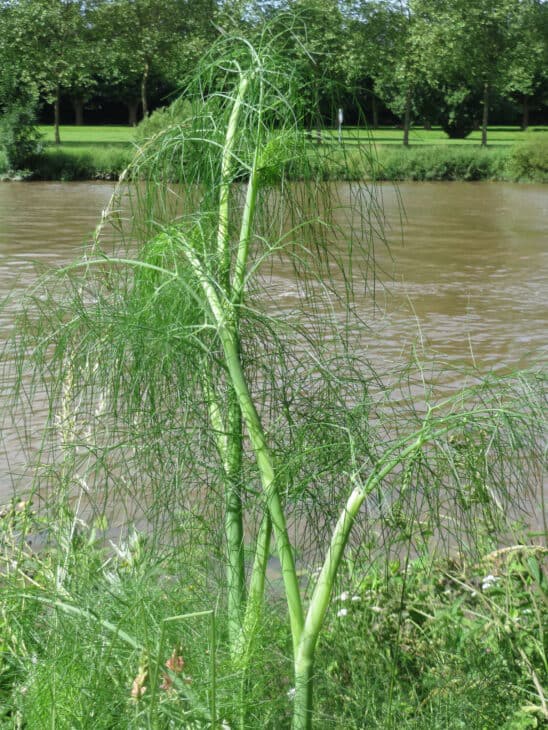
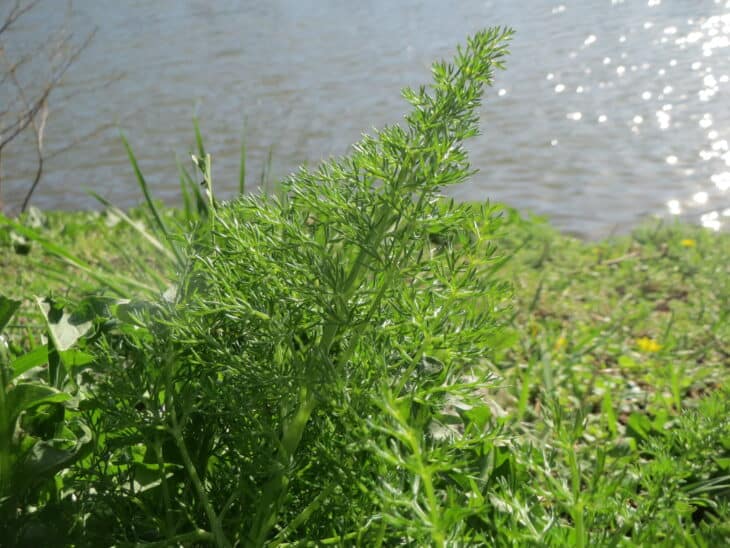
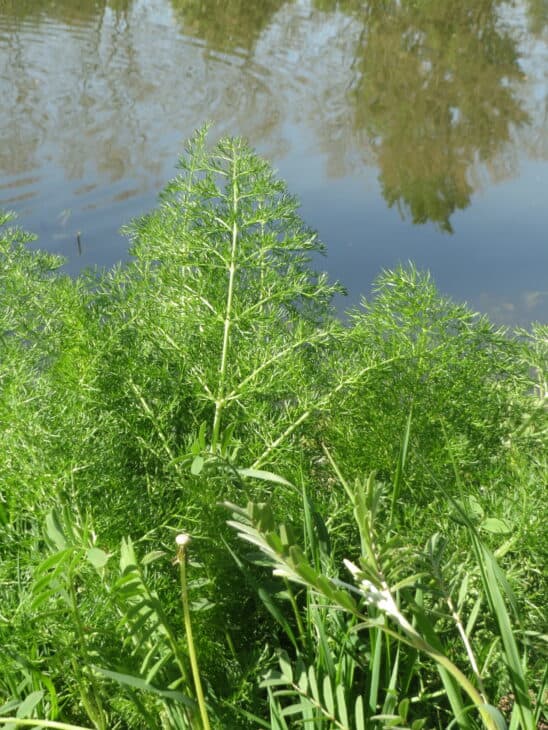
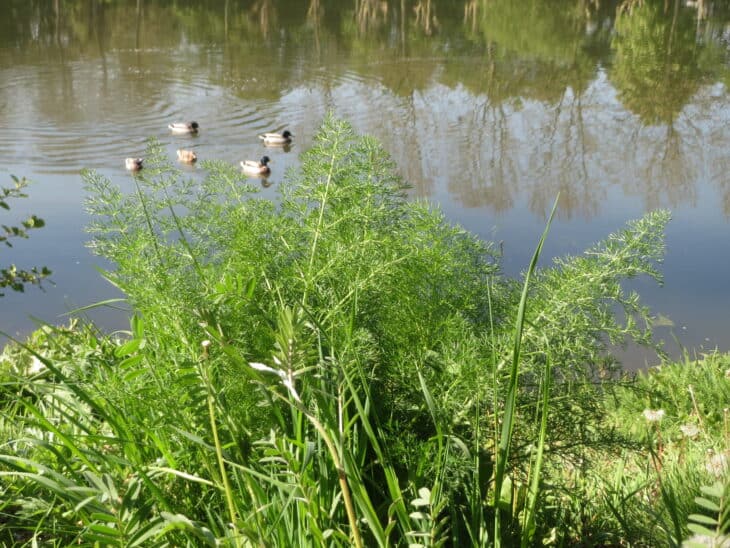
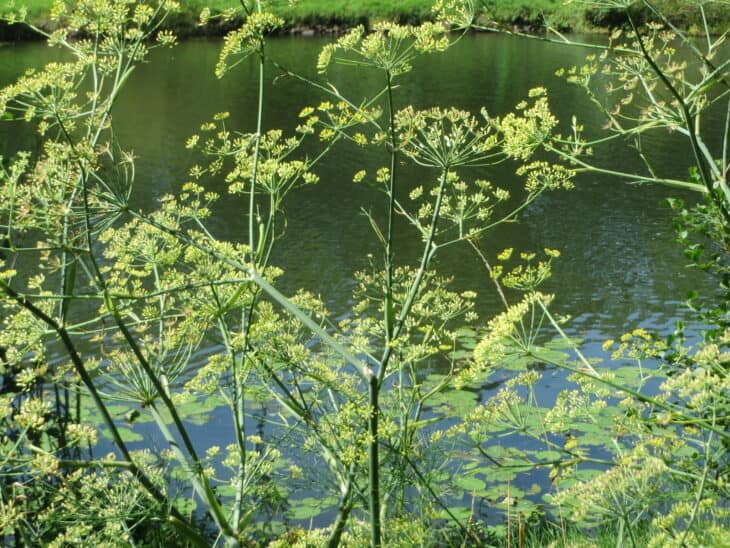
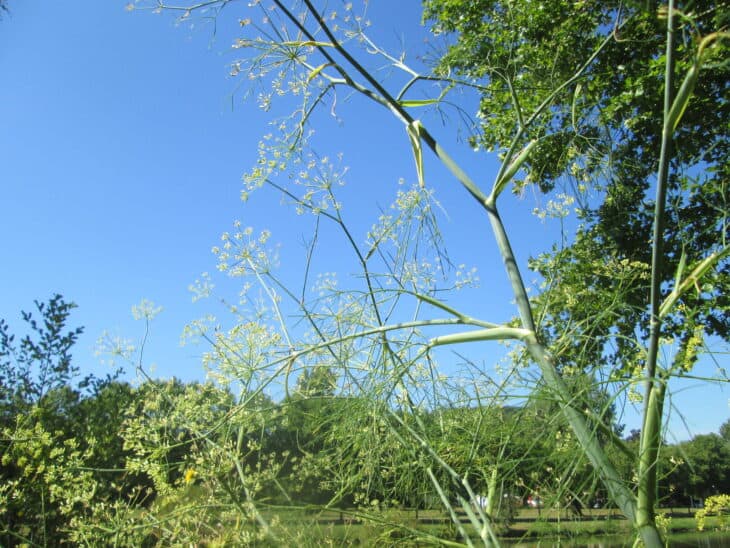
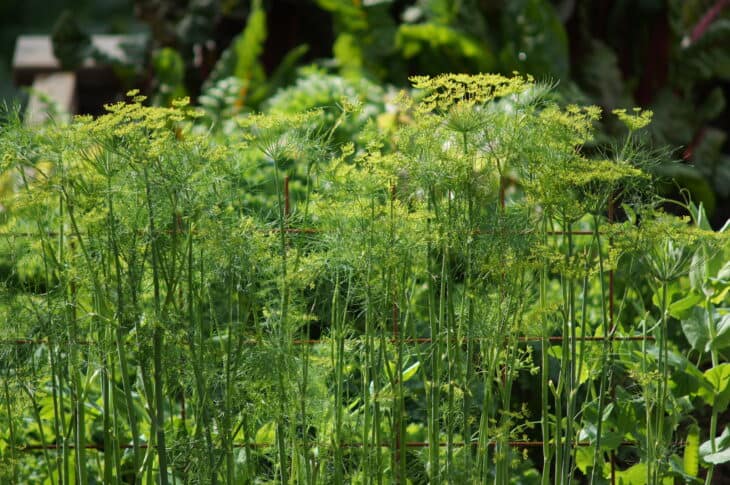
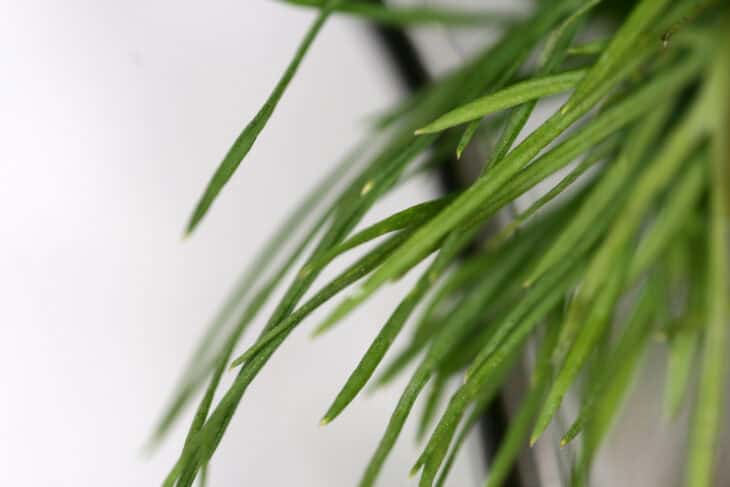
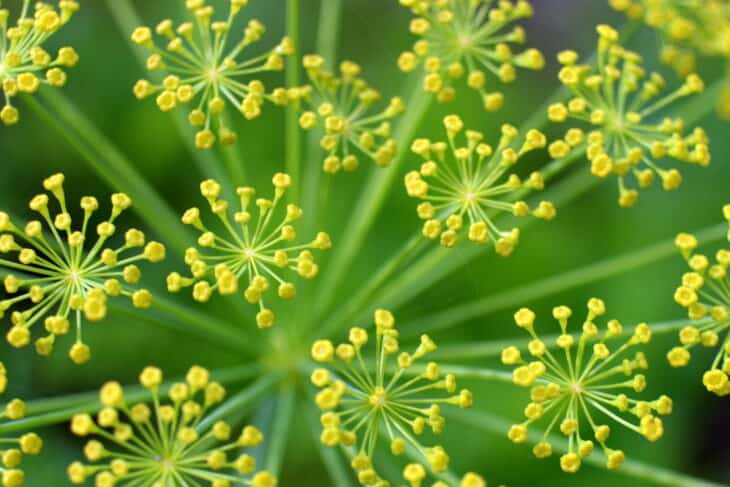
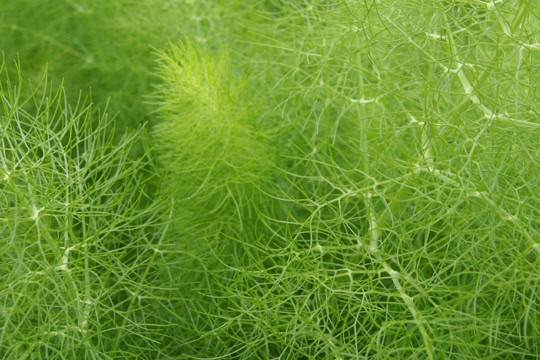
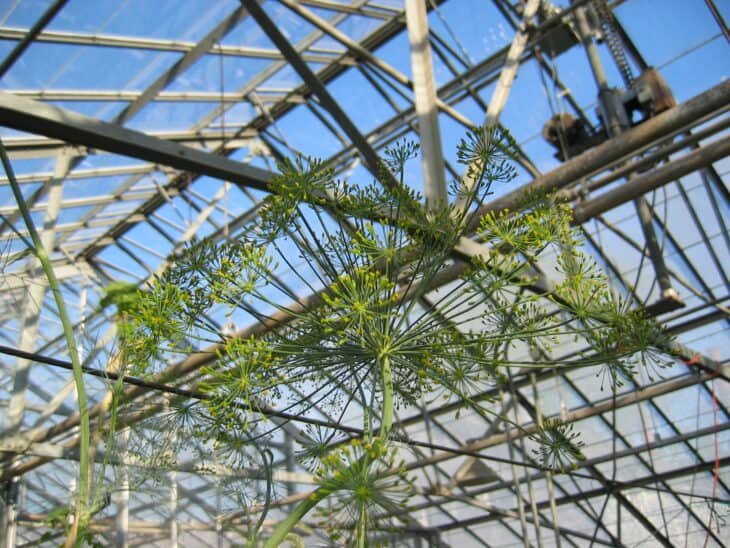
Fine, threadlike leaves give dill a lacy appearance and a bright, anise like scent. Plants produce flat umbels of small yellow flowers that attract pollinators and beneficial insects. Mature plants typically reach about 2 to 4 feet tall with a spread near 1 to 2 feet.
Where to grow and best uses
Use dill for fresh leaf harvest in salads and sauces or let plants set seed for pickling and spice. It performs well in vegetable beds, herb borders and containers placed in full sun. Dill tolerates light afternoon shade in hot climates but prefers well drained soil and moderate fertility.
Planting time and propagation
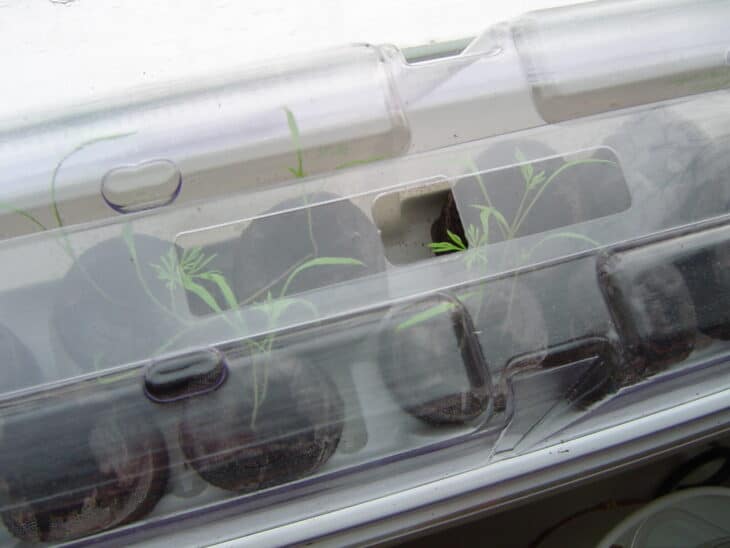
Sow seed outdoors after the last hard frost for spring growth. Dill is best propagated by direct sowing because transplants often suffer from root disturbance. Successional sowings every few weeks extend the leaf harvest.
Sowing and spacing
Sow seeds shallowly and cover lightly with soil. Space plants about 12 to 24 inches apart depending on whether you want a dense leaf crop or room for seed production.
Soil light and watering
Plant in well drained, moderately fertile soil. Dill prefers neutral to slightly alkaline conditions but tolerates average garden soils. Keep soil evenly moist while plants establish. Poor drainage and waterlogged soil reduce vigor and increase risk of root problems.
After flowering and harvest
For continuous leaf production, pinch or harvest foliage before heavy flowering. If seeds are the goal, allow flower heads to mature and then collect the ripe seeds from dried umbels. Removing flower heads before seed set prevents unwanted self seeding.
Containers and maintenance
Dill grows well in containers when given a sunny spot and a free draining potting mix. Choose a container roomy enough for the mature spread and water when the topsoil dries. Support tall plants in exposed sites to reduce flopping.
Spread and controlling volunteers
Dill self seeds readily and can reappear the following season in mild areas. To limit volunteers, remove flower heads before seeds mature or pull seedlings while young. To encourage naturalizing, leave some seed heads to ripen and drop seed.
Frequently asked questions
- How fast does Dill grow?
- Dill is fast growing from seed and can produce usable foliage within weeks depending on temperature and soil fertility.
- When should I sow dill?
- Sow outdoors after the last hard frost in spring. Successional sowings extend the harvest season.
- Can dill be grown in containers?
- Yes. Use a sunny site, well draining potting mix and a container that allows room for the mature spread.
- Will dill come back next year?
- Dill is usually grown as an annual. It often self seeds and may reappear the following season in mild climates.
- Is dill safe for pets?
- According to the ASPCA dill is non toxic to cats, dogs and horses. Concentrated oils or large amounts could cause mild irritation in some animals.
Gallery
Related Plants


Mentioned In (5)
Plants
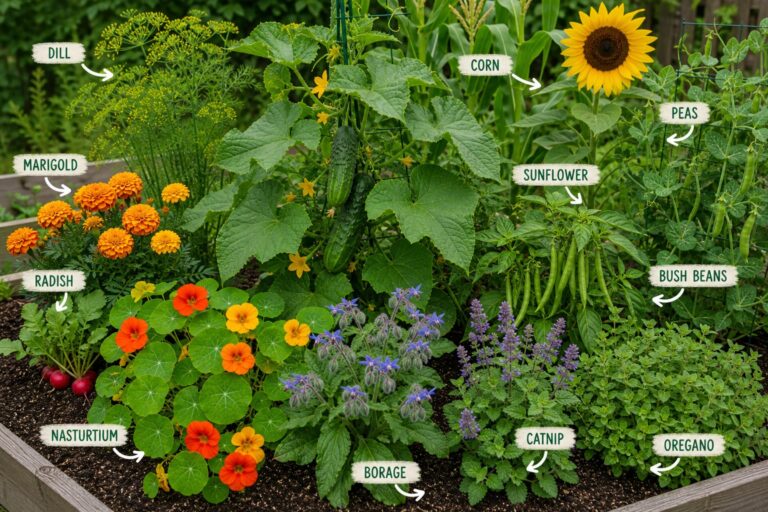
Companion Plants for Cucumber: What Works (and what Doesn’t)
Cucumber beetles are one of the most destructive forces in the vegetable garden — and they don't just eat foliage.…
Plants
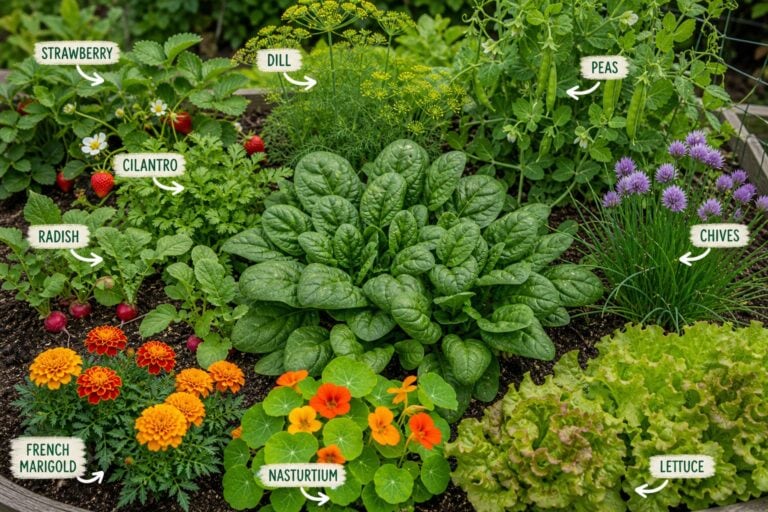
Companion Plants for Spinach: What Works and Why
Spinach growers fight a near-constant battle with leaf miners — tiny larvae that tunnel between the leaf surfaces and ruin…
Plants
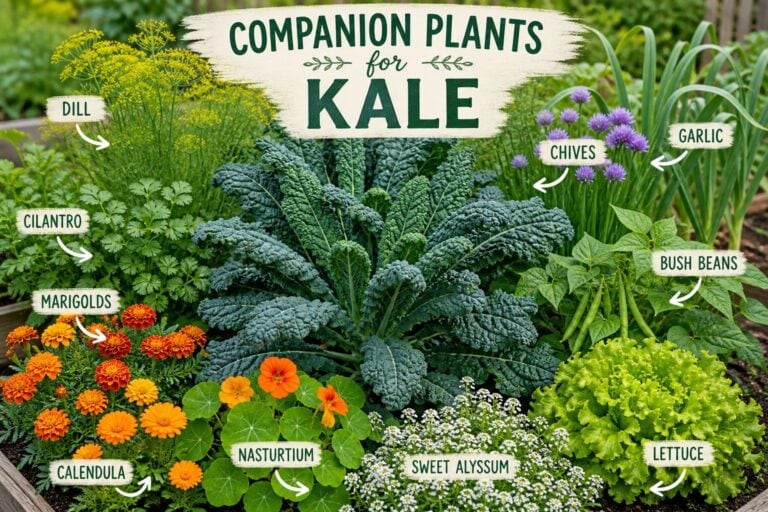
Companion Plants for Kale: What Works and Why
Kale is one of the easiest crops to grow — until the aphids arrive, the flea beetles strike, and the…
Plants
8 Plants That Look Like Fennel
Fennel (Foeniculum vulgare) is an edible plant with delicate, feathery green leaves and large white bulbs. Fennel can reach up…
Plants
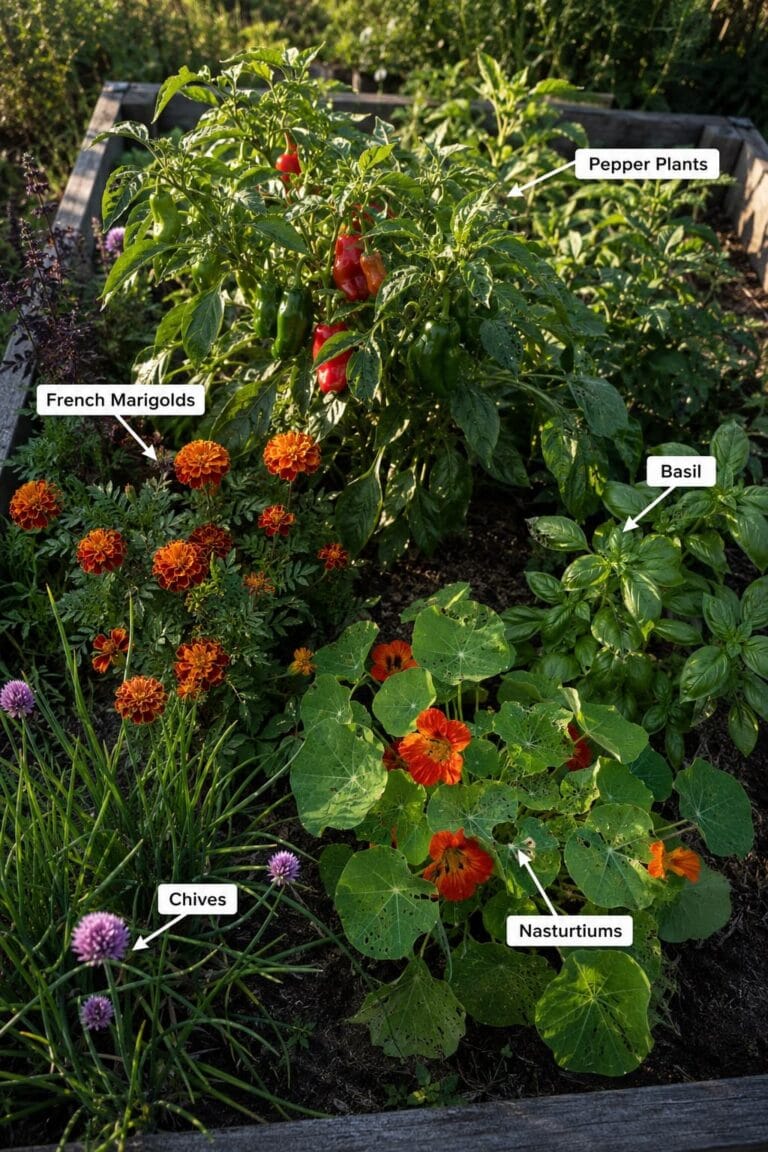
Companion Plants for Peppers: What Works and Why
Peppers are a magnet for aphids and thrips from the moment they go in the ground, and a plant this…