
Key Facts
- Large deciduous oak commonly used as a shade and street tree.
- Native to eastern and central North America.
- Produces acorns that feed wildlife and can be harmful to livestock in large amounts.
- Leaves develop red to orange fall color.
- Tolerates a range of soils including clay when well drained.
- Prefers full sun for best form and color.
- Long lived and suitable for parks and large yards.
Shumard Oak (Quercus shumardii) is a large deciduous oak used widely as a shade and street tree in eastern and central North America. It develops red to orange fall color and produces acorns that feed wildlife while posing a risk to livestock if consumed in large amounts.
Identification
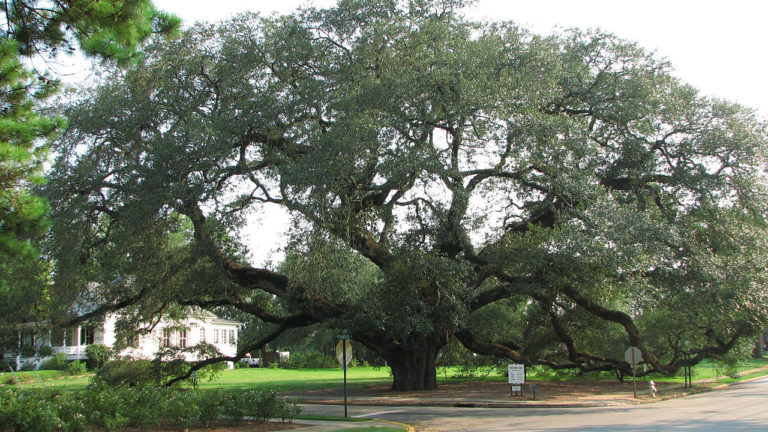
Leaves are typical oak lobed foliage that turn red to orange in autumn, and the tree produces acorns that mature in season. Mature Shumard Oaks reach roughly 60 to 80 feet tall with a 40 to 60 foot spread, forming a broad shade canopy suitable for parks and large yards.
Where to grow and best uses
Use Shumard Oak as a large shade tree, a park specimen or a street tree where space allows for a wide mature crown. It is native to eastern and central North America and adapts to municipal and large-yard settings, but is not suited to small confined sites due to its eventual size.
Hardiness and light
Shumard Oak grows well in USDA hardiness zones 5 to 9 and prefers full sun for best form and fall color. In the cold end of its range growth can be slower and young trees may be vulnerable to winter dieback, while in warmer areas drought stress and shallower rooting are possible.
Soil and watering
The species prefers moist, well drained soils but tolerates clay and a range of textures provided drainage is good. Avoid poorly drained, waterlogged sites because prolonged wet conditions reduce vigor and cause root problems. Young trees need regular water while roots establish; mature trees tolerate occasional dry periods.
Planting and spacing
Space new trees to allow for a mature spread of 40 to 60 feet so canopies do not crowd buildings or utilities. When planting set the root flare at or just above final soil level and backfill without burying the trunk flare. Plant while the soil is workable in your local climate to encourage root establishment.
Propagation and nursery practices
Propagation is commonly by seed using acorns, which generally require cold stratification before reliable germination, and grafting is used to preserve named cultivars. Seedlings are variable and will take many years to reach a large shade tree size, so nursery-grown grafted trees are common for predictable form.
Wildlife value and toxicity
Acorns are an important wildlife food and attract birds and mammals. Acorns and new foliage contain tannins that can be toxic to livestock if eaten in large amounts and may cause gastrointestinal upset in pets. Manage acorn fall in areas where grazing animals or pets could ingest large quantities.
After-flowering care and size control
Flowers are inconspicuous spring catkins so after-flowering care focuses on root and canopy health rather than floral display. Control natural suckering or volunteer seedlings if you do not want the tree to naturalize, and maintain a clear structural form through selective pruning as the tree matures.
Frequently asked questions
- How fast does Shumard Oak grow?
- Growth rate varies by site quality and climate. In favorable conditions it establishes and becomes a large shade tree over several decades rather than a few years.
- Is Shumard Oak native?
- Yes. It is native to eastern and central North America and is used widely in landscapes throughout its native range.
- Are the acorns poisonous?
- Acorns contain tannins and can cause stomach upset in pets and more serious poisoning in livestock if consumed in large amounts. Check local extension or a veterinarian for region-specific risk.
- What soil does it prefer?
- It prefers moist, well drained soils but tolerates clay and a range of textures when drainage is adequate. Avoid sites that remain waterlogged.
- Can I use Shumard Oak as a street tree?
- Yes. It is commonly used as a street and shade tree where there is room for a broad 40 to 60 foot canopy and adequate rooting volume.
Gallery

Related Plants


Mentioned In (9)

Oak
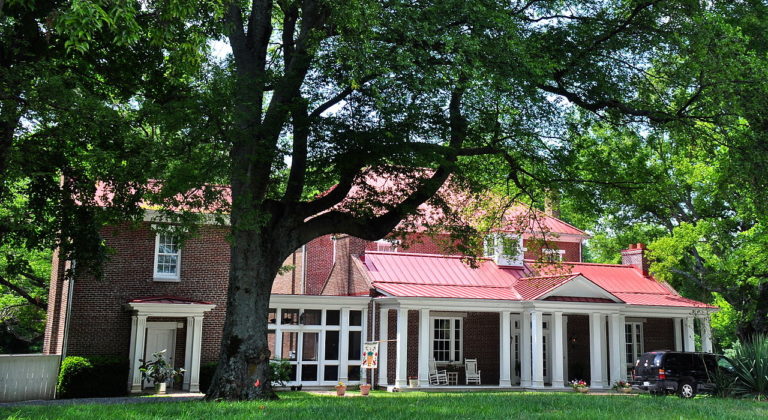
21 Grand Types of Oak Trees in Mississippi
Do you wish to grow Oak Trees in your home garden? Well, you will be pleased to know that Mississippi…
Oak
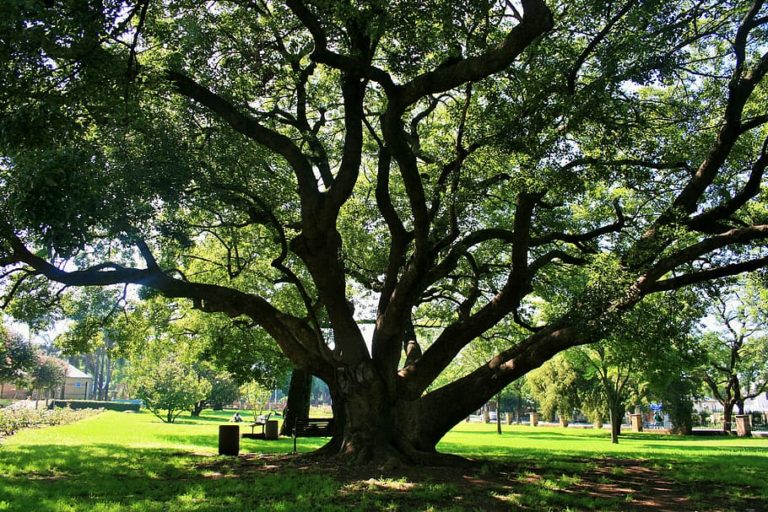
19 Types of Oak Trees in Tennessee
Not only does the state of Tennessee have a lot of different trees, but the state is also home to…
Oak
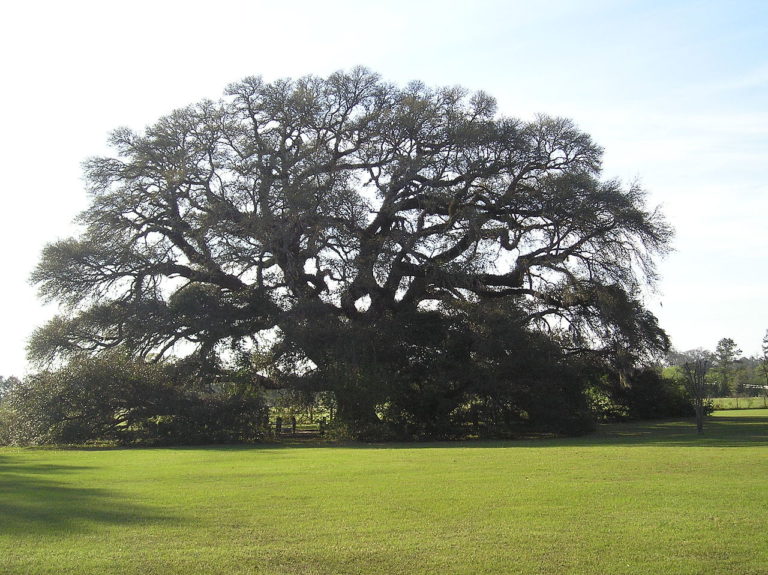
10 Prevalent Types of Oak Trees in Oklahoma
Trees in Oklahoma include everything from elms to black walnuts and pines to dogwoods, and that doesn’t even include the…
Oak
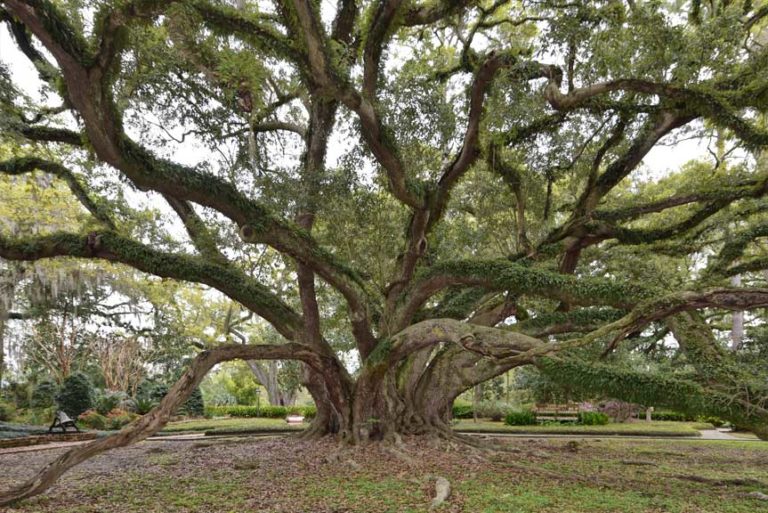
22 Types of Oak Trees in Alabama
The fact that Alabama has a lot of trees shouldn’t be a surprise to anyone. After all, nearly 70% of…
Oak
8 Common Types of Oak Trees in Louisiana
Louisiana’s warm weather means that there are lots of plants and trees in the state and you can even see…

Oak
15 Types of Oak Trees in North Carolina
There are hundreds of species of trees in North Carolina, in part because there are mountains on one side of…
Oak
17 Great Types of Oak Trees in Georgia
That states like Georgia have a lot of trees should be no surprise to anyone. Because of its mild climate,…

Oak
16 Types of Oak Trees in Florida
With more than 16 million acres of forests and 180 state parks and forests, Florida is definitely a nature-lover’s paradise.…

Oak
76 Types of Oak Trees in North America (foliage photos)
Because of all the forests in North America, you can find just about every tree you can think of if…