
Key Facts
- Tuberous perennial often grown as an annual in cold climates.
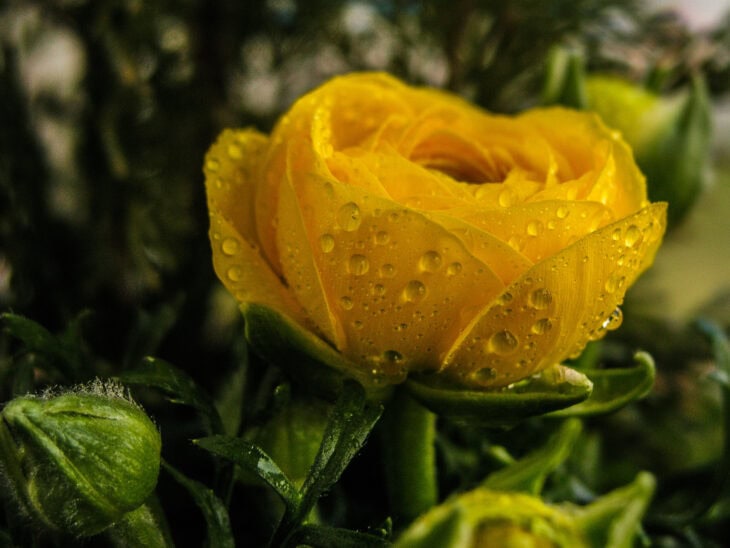
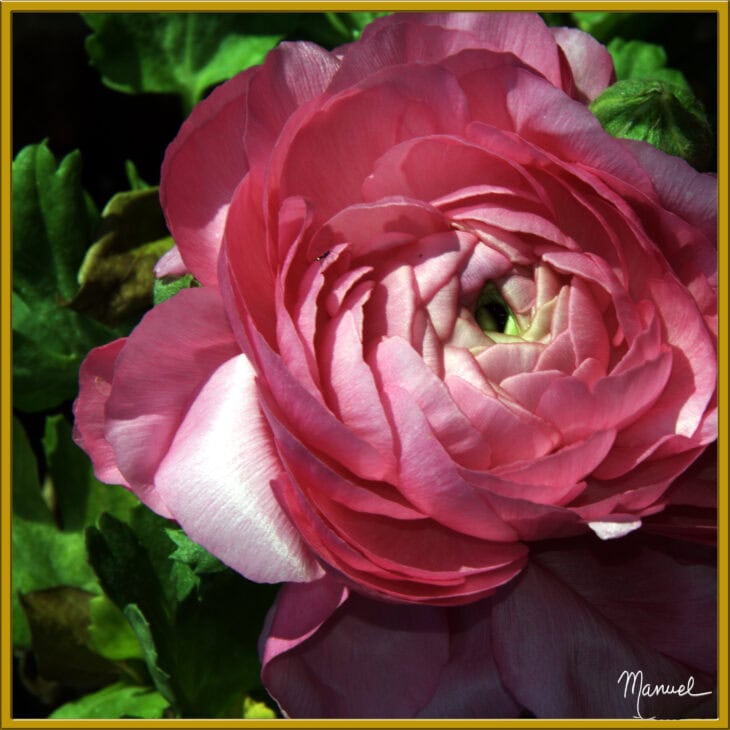
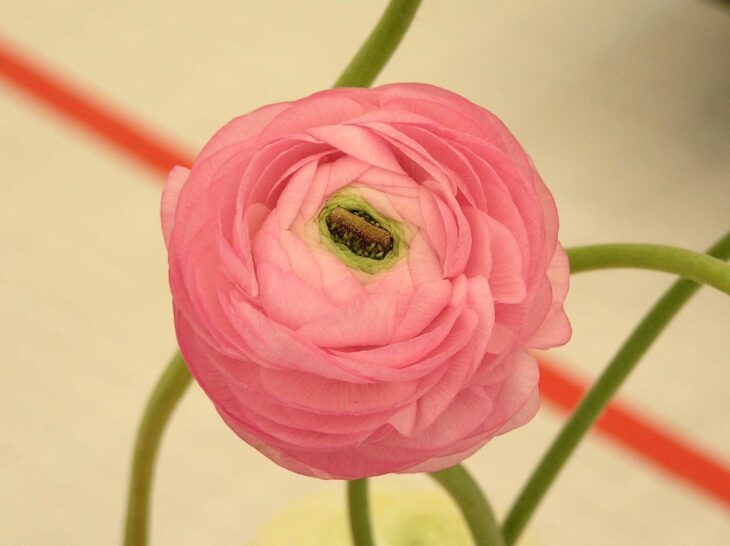
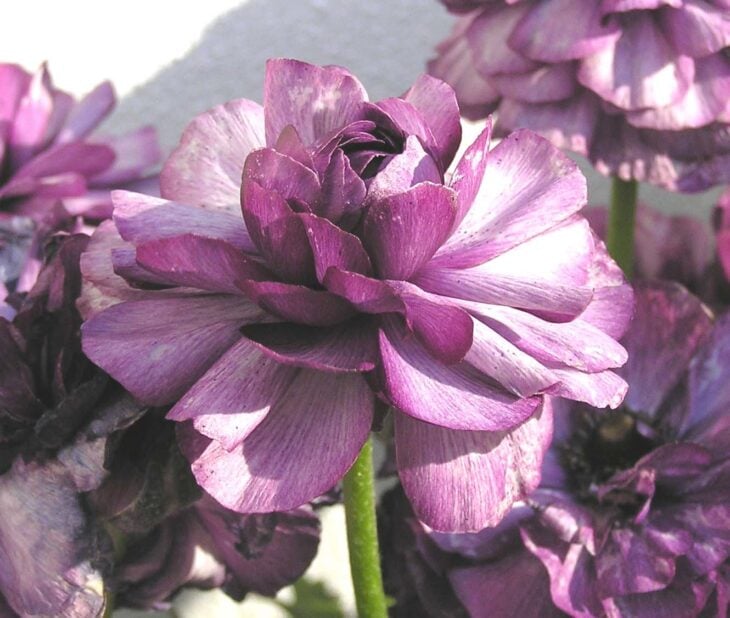
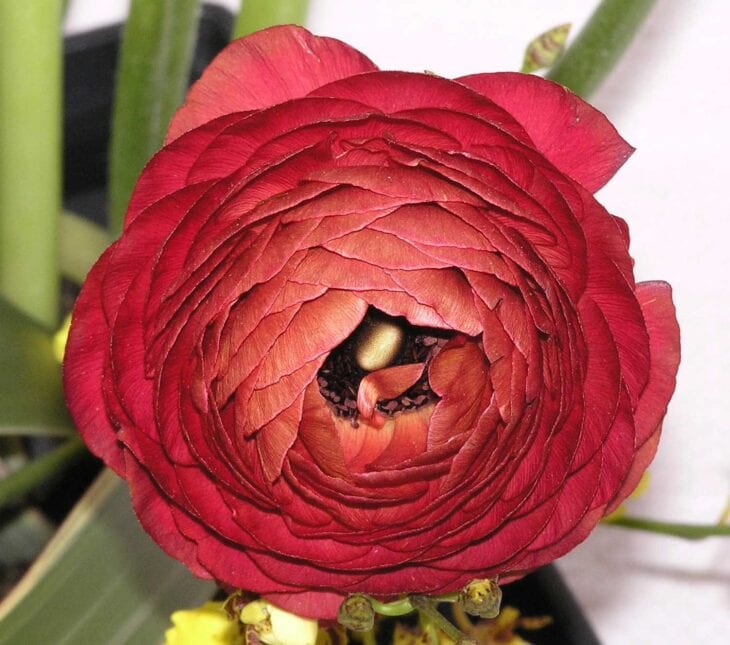
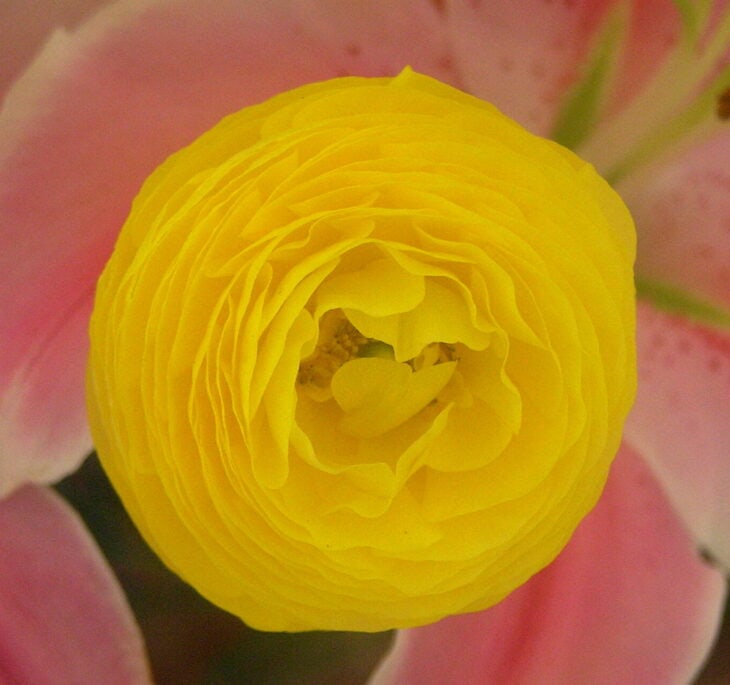
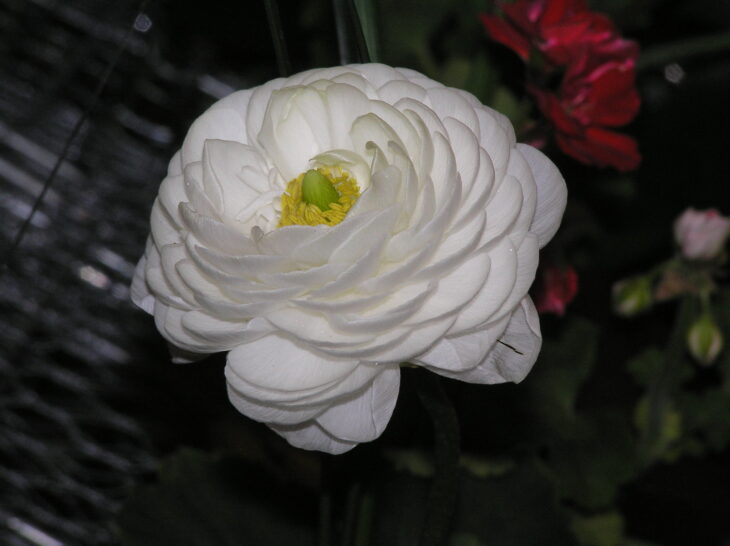
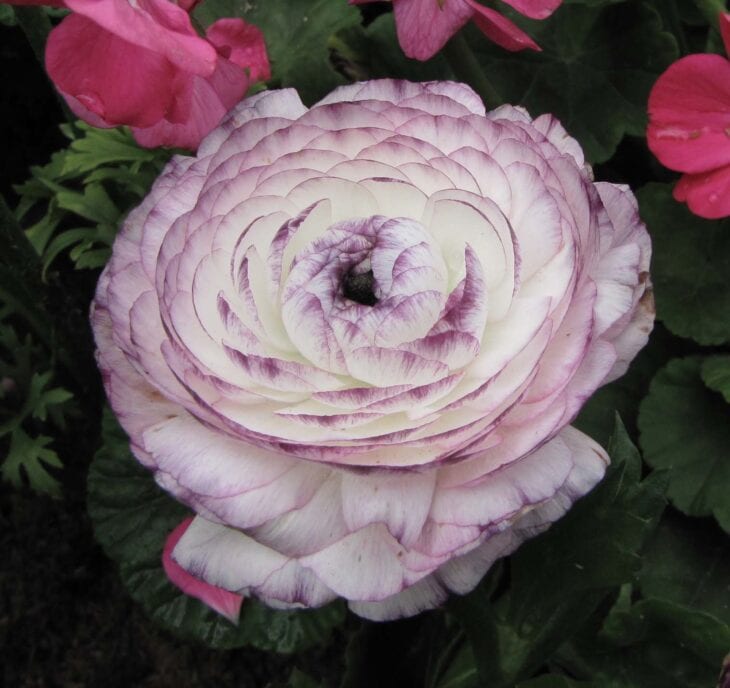
- Produces rose‑like, multi‑petaled blooms in spring.
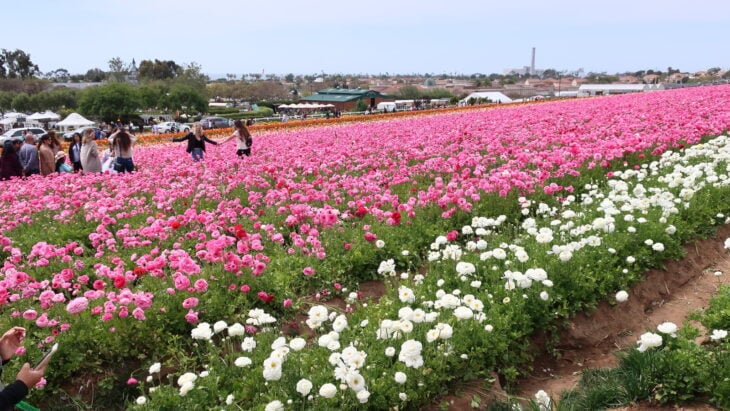
- Flowers are popular for cut bouquets and mass plantings.
- Prefers full sun and fertile, well drained soil.
- Propagated from overwintering tubers or from seed.
- Does not tolerate waterlogged soil and may rot in heavy wet soils.
- Sap can irritate skin and the plant is toxic if ingested.
- Best performance follows a period of cool, moist rest before growth.
Persian buttercup (Ranunculus asiaticus) is a tuberous flowering plant grown for its roselike, multipetaled spring blooms, useful for massed beds and cut flowers but intolerant of waterlogged soil. It performs best in full sun and is often treated as a tender perennial in mild climates or grown as an annual where winters are cold.
Identification
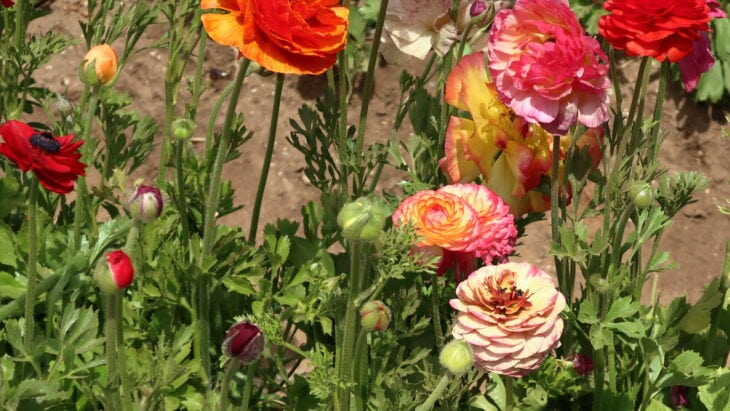
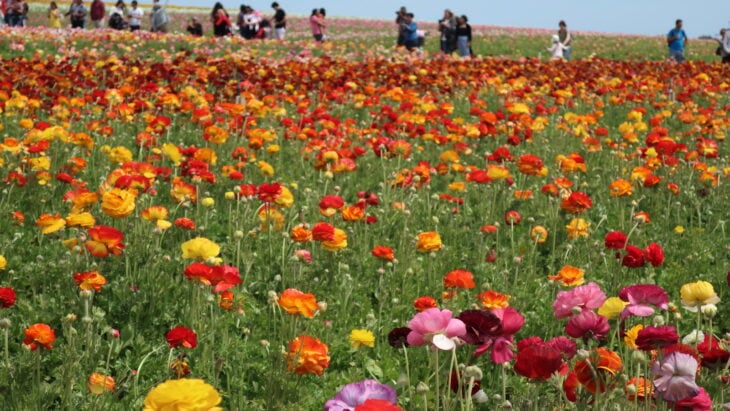
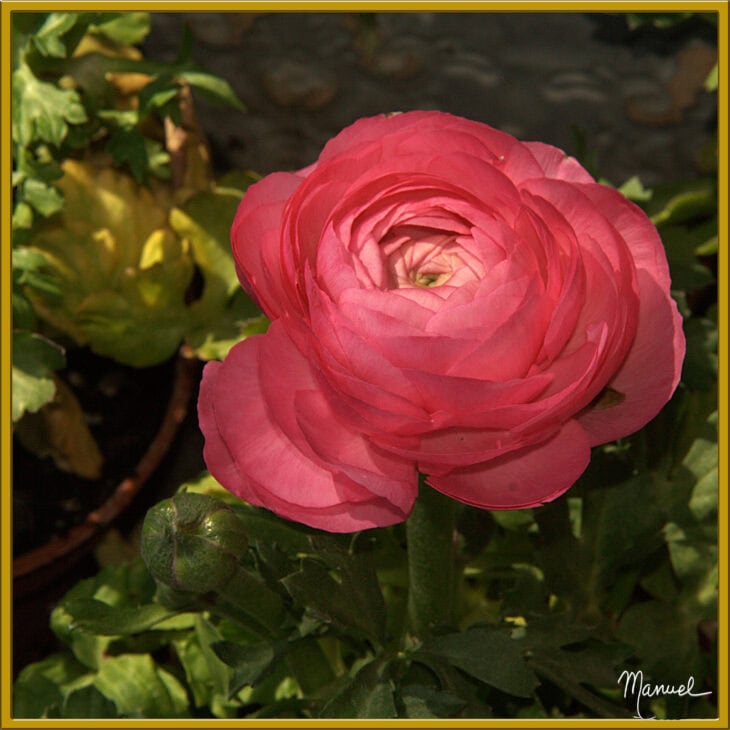
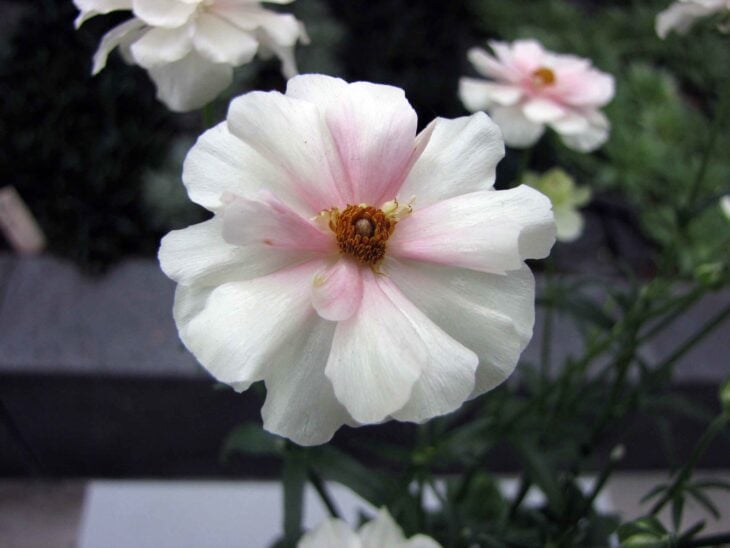
Plants reach about 12 to 18 inches tall depending on cultivar and produce double or single roselike blooms in spring. Clumps form 6 to 12 inches across and leaves are basal and ferny. Flower colors range widely and flowers are prized for bouquets and seasonal displays rather than long summer interest.
Best uses and where to grow
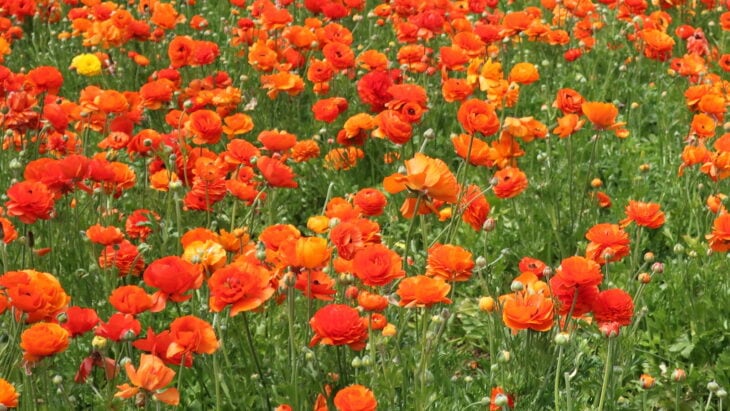
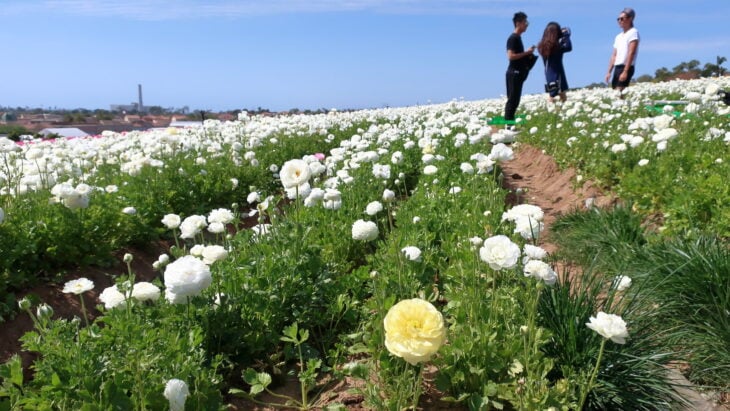
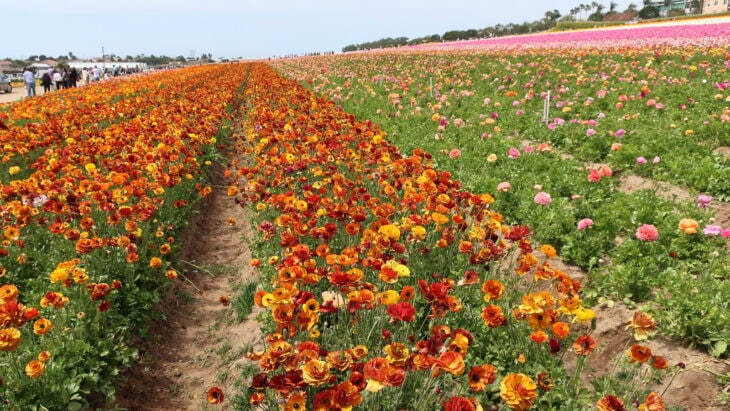
Use Persian buttercup in spring borders, cottage beds and mass plantings where a burst of color is wanted and soil drains well. They are excellent for cut flowers and short-term displays. In USDA 8 to 10 they can return as a tender perennial; in colder areas lift tubers or treat plants as annuals.
Planting and timing
Plant dry tubers in autumn in mild areas or in spring after danger of frost in colder climates so they receive winter chilling before growth. Spacing for beds and massing is 4 to 8 inches apart; allow clumps to develop 6 to 12 inches. Follow supplier timing for best bloom scheduling in your region.
Soil, light and spacing
Give fertile, welldrained soil with moderate moisture and a neutral to slightly acidic pH near 6.0 to 7.0 for best results. Full sun produces the best flowering while light afternoon shade helps in very hot climates. Avoid heavy clay or waterlogged sites which cause tuber rot.
Watering and common problems
Keep soil evenly moist while plants are growing but avoid standing water. Persistent wet soil commonly causes tuber rot and weak spring growth. Pests are not usually severe for healthy plants but poor drainage and overly wet conditions are the main cause of failure.
After flowering and overwintering
After blooms fade allow foliage to ripen naturally to feed tubers for next year. In areas colder than USDA 8 lift tubers and store them dry until replanting, or treat plants as annuals. In milder zones tubers can remain in the ground if soil drains well and a cool, moist rest occurs.
Propagation
Propagate from tubers for reliable, earlier flowering or from seed when willing to wait longer for blooms. Tubers benefit from a cool, moist resting period before sprouting. Seeds often require cool conditions and frequently do not flower the first year, making tubers the faster option for spring displays.
Toxicity and handling
Ranunculus species contain irritant compounds. Sap can cause skin irritation and ingestion may upset people or pets. Keep plants away from curious pets and children and wear gloves when handling tubers or cutting stems if you are sensitive to plant sap.
Frequently asked questions
- How fast does Persian buttercup grow?
- From planted tubers Persian buttercups typically reach their 12 to 18 inch bloom height within the same season and flower in spring. Seedlings often take longer and may not bloom the first year.
- When do Persian buttercups bloom?
- They bloom in spring, generally March through May in the Northern Hemisphere, with exact timing depending on local climate and planting date.
- Can Persian buttercups survive winter in my area?
- They are generally hardy as a tender perennial in USDA zones 8 to 10. Colder than zone 8, lift and store tubers or grow them as annuals.
- How far apart should I plant them?
- Space plants about 4 to 8 inches apart for beds and mass plantings. Individual clumps typically spread 6 to 12 inches.
- Are Persian buttercups toxic to pets?
- Yes. Ranunculus species are toxic if ingested and their sap may irritate skin. Keep away from pets and consult local poison control for exposure details.
- How deep do I plant Persian buttercup tubers?
- Recommended planting depth varies by supplier and tuber type. Plant in autumn in mild areas or in spring after frost and follow the tuber suppliers instructions for depth.
Gallery


Related Plants


Mentioned In (1)
Plants
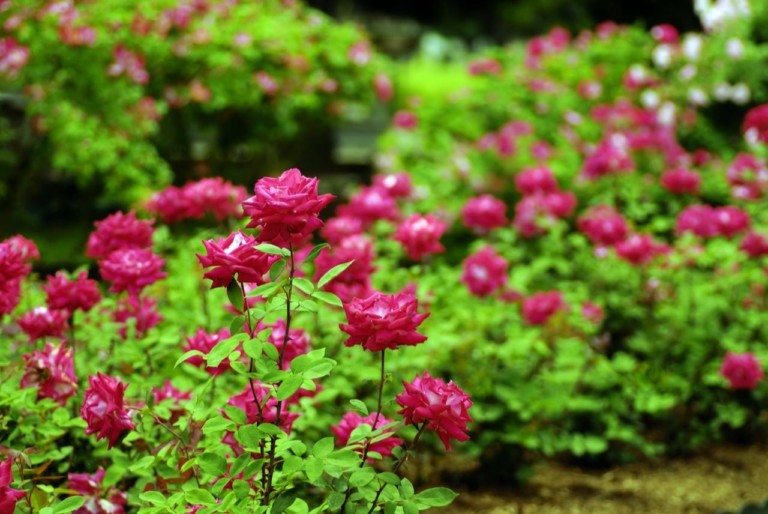
9 Plants That Look Like Roses
Roses are a classic choice for gifts and gardens, but they’re not the only plants that can deliver that layered,…