
Key Facts
- Evergreen shrub or small tree commonly grown as a houseplant.
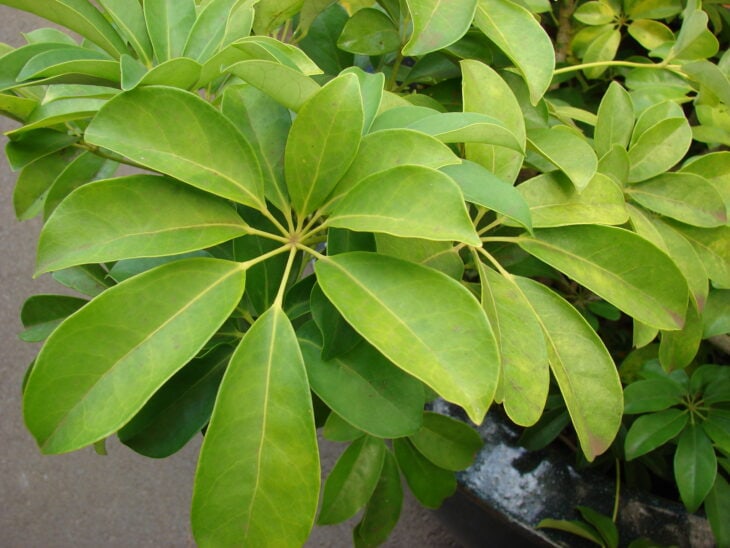
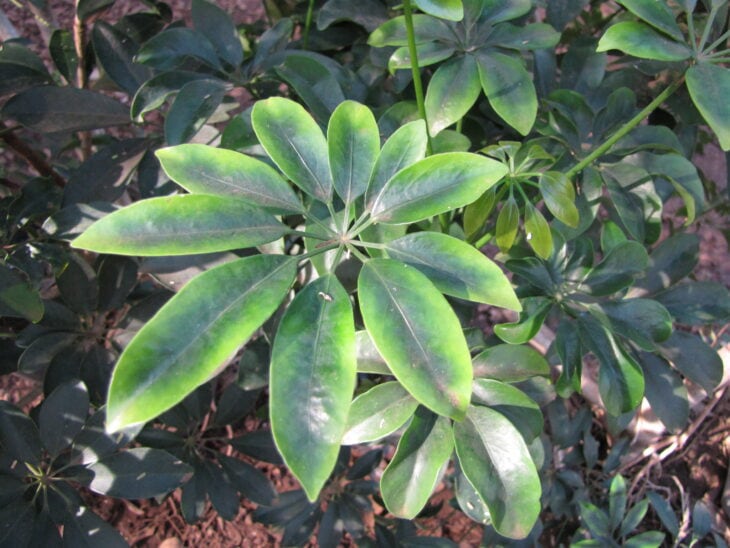
- Has glossy compound leaves arranged like an umbrella.
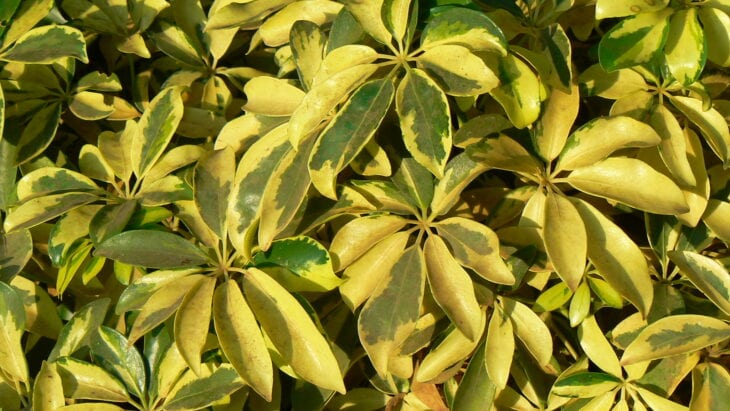
- Many variegated cultivars are available for indoor use.
- Prefers bright indirect light and regular but moderate watering.
- Does not tolerate waterlogged soil and is prone to root rot if overwatered.
- Readily propagated by stem cuttings or by air layering.
- Contains calcium oxalate crystals and is toxic to pets if ingested.
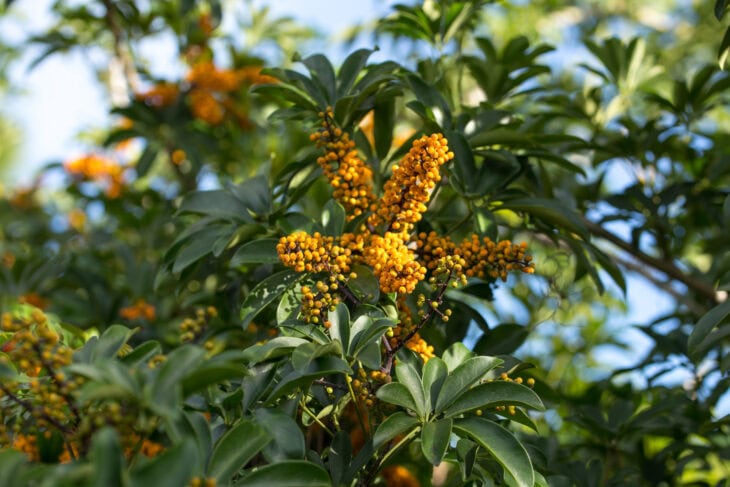
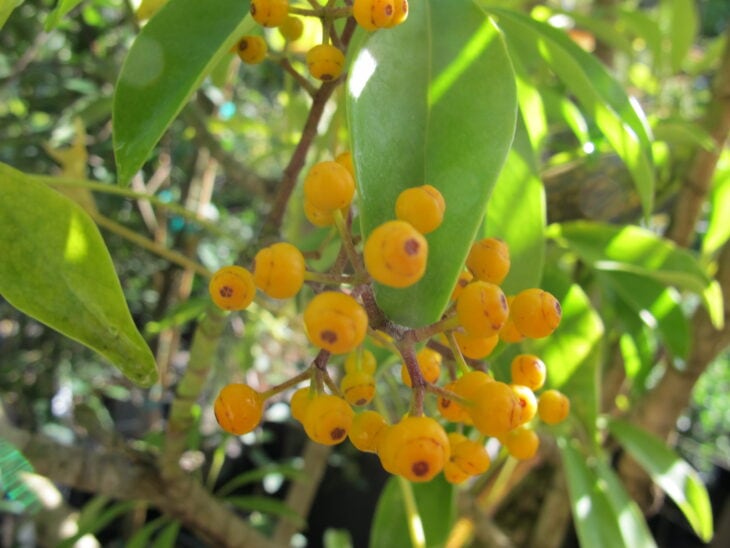
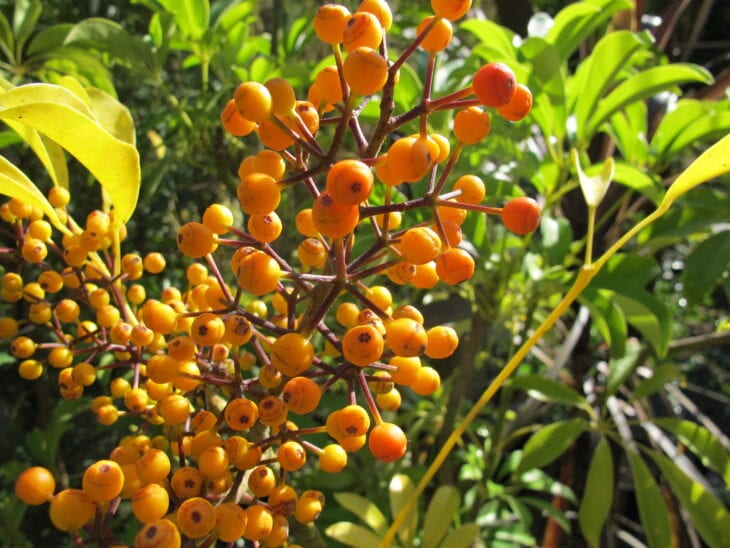
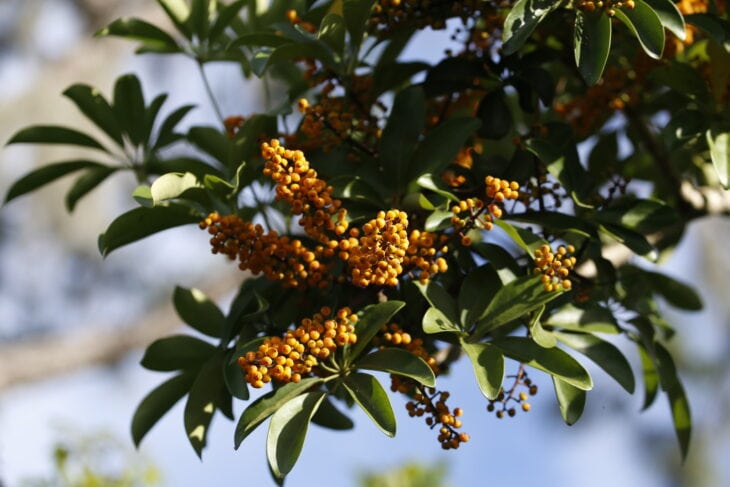
- Flowers are uncommon on indoor plants but can appear outdoors in warm climates.
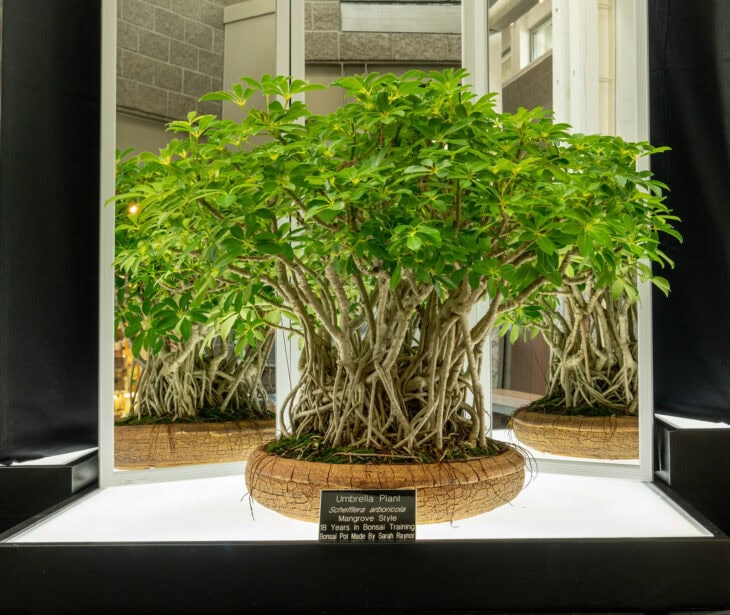
Hawaiian Umbrella (Schefflera arboricola) is an evergreen shrub commonly grown indoors for its glossy compound leaves arranged like an umbrella. It makes a bold container specimen with relatively simple care, but it is not frost hardy and contains crystals that are toxic to pets if chewed.
Identification
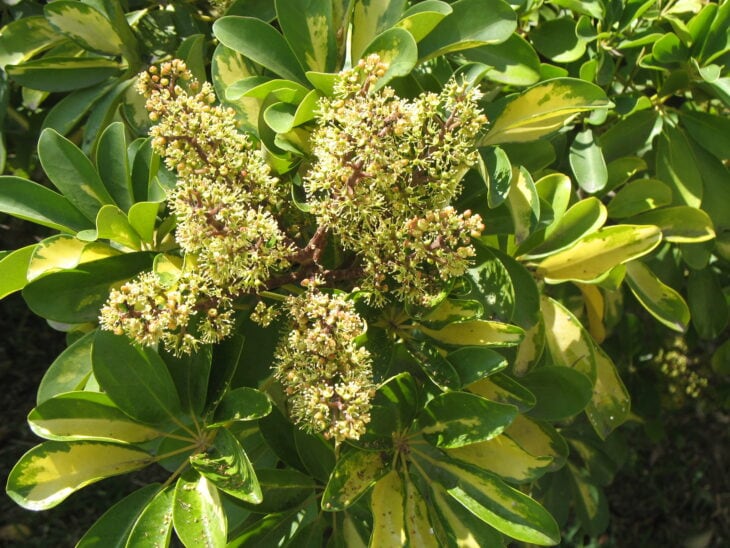
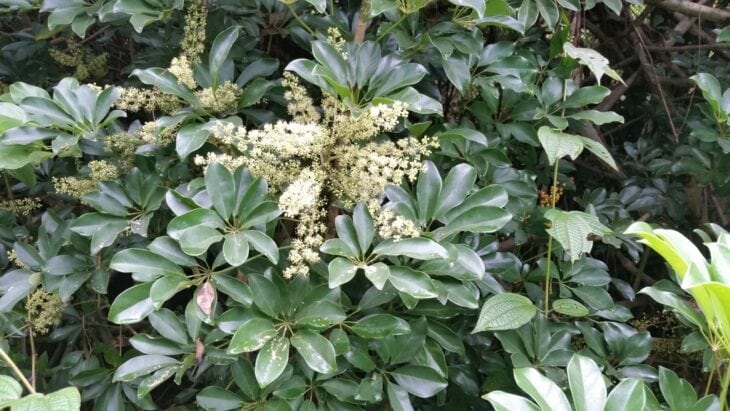
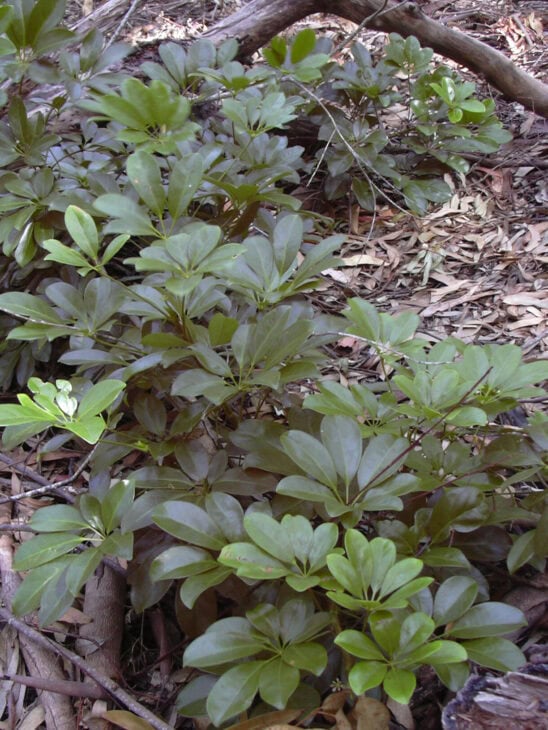
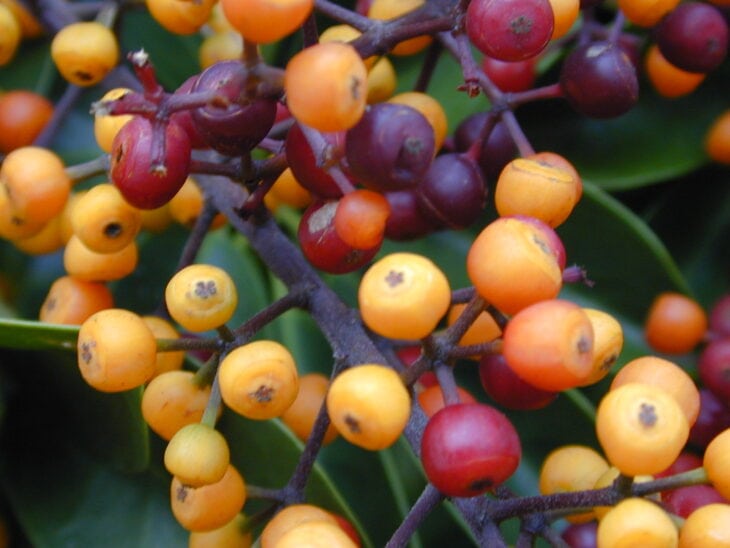
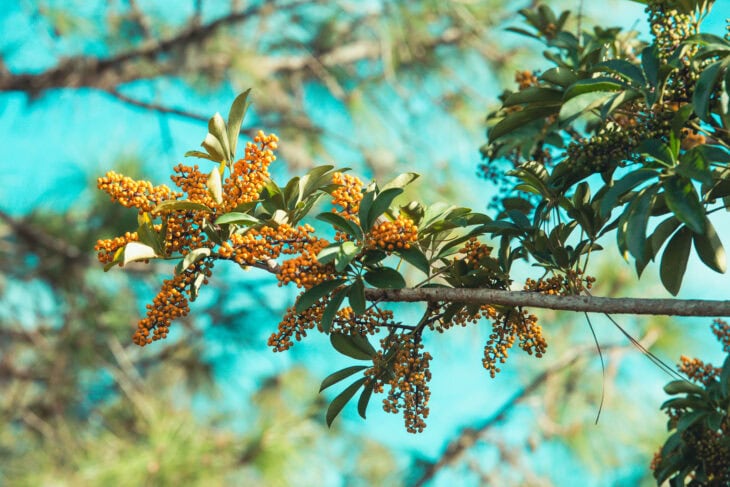
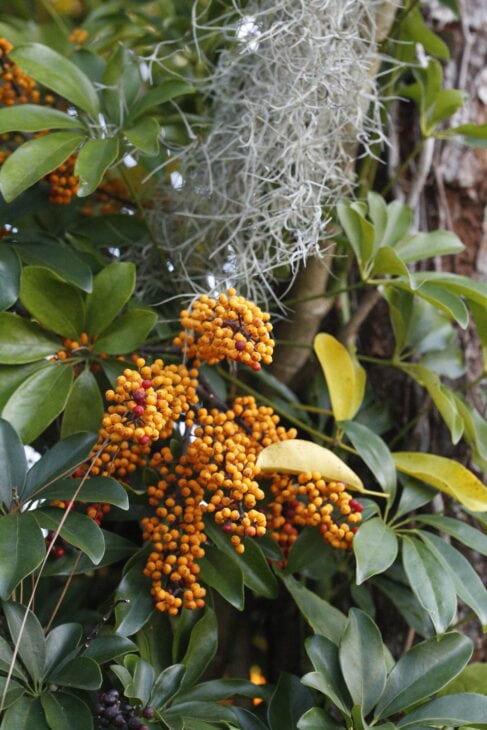
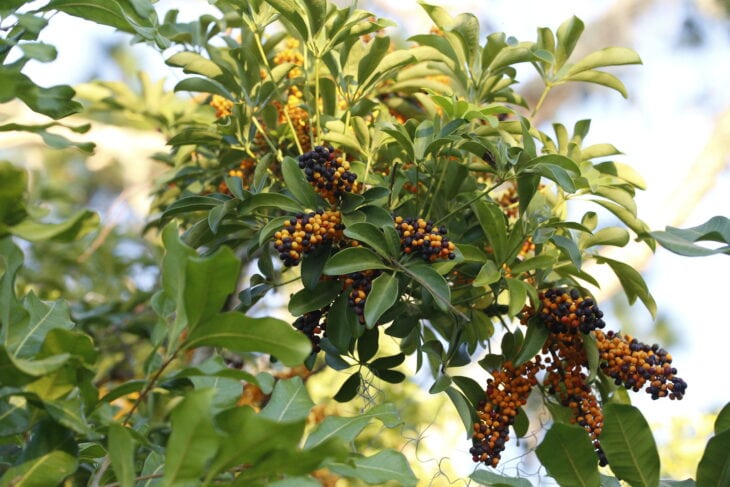
Glossy compound leaves form radiating leaflets that resemble a small umbrella, a signature trait of the plant. Variegated cultivars are common for indoor use and showier leaf patterns. Flowers are small and uncommon on houseplants and appear only when the plant is grown outdoors in warm climates.
Where to grow and best uses
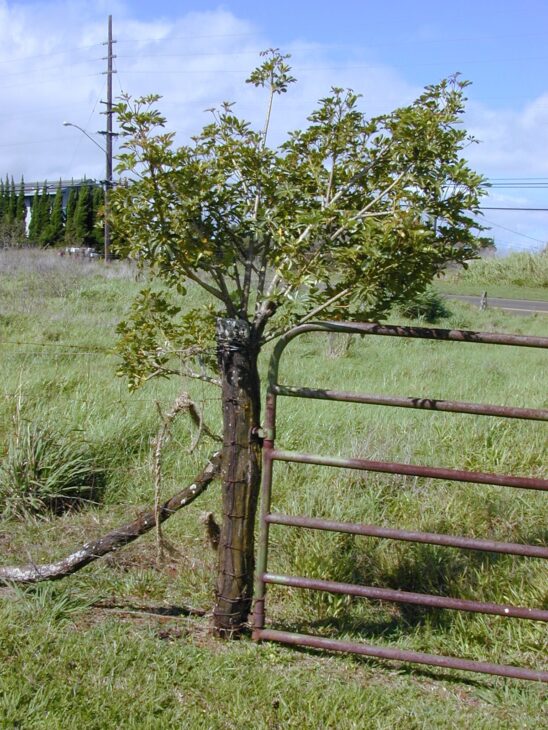
Most often grown as a houseplant or patio container plant in frost free areas. Outdoors it is suitable for sheltered landscaping in USDA zones 10 to 12. Use it as a focal container specimen or a trimmed screen, keeping in mind it will die back in colder climates and is toxic to curious pets.
Light and placement
Performs best in bright indirect light to partial shade. Variegated types need brighter light than solid green forms to maintain color. Avoid prolonged hot direct sun which can scorch leaves especially on variegated cultivars. In lower light the plant will grow more slowly and may drop lower leaves.
Soil and watering
Use a well drained fertile potting mix that drains freely and holds moderate moisture. The plant tolerates a roughly neutral to slightly acidic pH near 6.0 to 7.5. Water regularly but moderately, letting the topsoil dry slightly between waterings, because waterlogged soil leads to root rot and poor growth.
Potting and container care
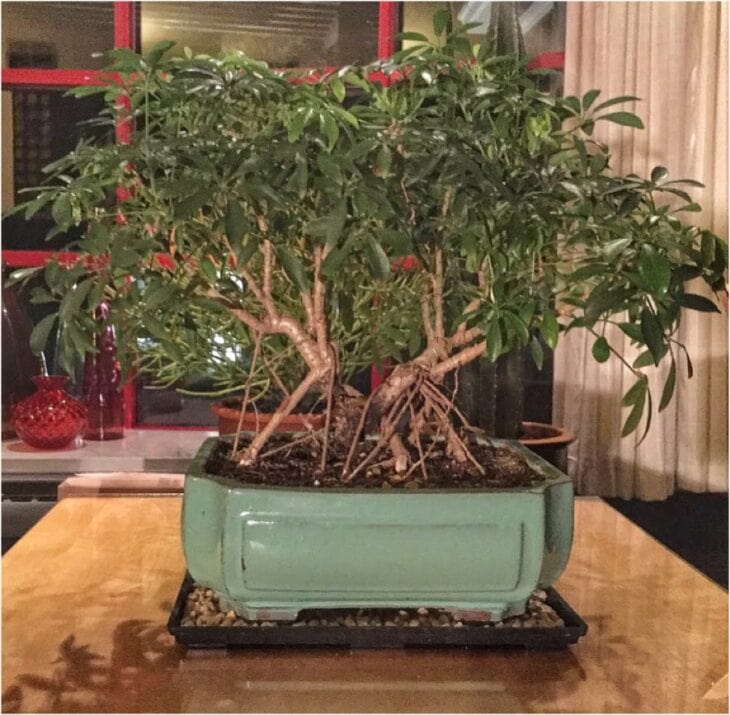
Grows reliably in containers and in pot culture is commonly kept between about 3 and 10 feet depending on light and pruning. Choose a porous potting mix and move to the next size up when the rootball becomes crowded. In cooler regions bring containers indoors before temperatures fall toward freezing.
Pruning and maintenance
Prune to control height and encourage branching, cutting back leggy stems just above a node. Remove any dead or yellowing leaves to keep the canopy tidy. Because flowers are uncommon indoors there is little after flowering care, but any spent outdoor umbels can be removed to tidy the plant.
Propagation
Propagate by stem cuttings or by air layering. Cuttings root readily in water or in a well drained potting medium and will produce clones of the parent cultivar. Seed propagation is possible but uncommon for named cultivars since seedlings may not match the parent.
Problems and common issues
The main risks are overwatering and poor drainage which cause root rot and decline. Leaf drop can follow low light, inconsistent watering, or temperature stress. Keep the plant away from freezing conditions and from pets and children that might chew foliage because of toxic calcium oxalate crystals.
Frequently asked questions
- How fast does Hawaiian Umbrella grow?
- Growth is moderate and varies with light and care, with many plants reaching roughly 3 to 10 feet in cultivation depending on pruning and growing conditions.
- Is Hawaiian Umbrella toxic to pets?
- Yes, the plant contains calcium oxalate crystals and can cause oral irritation, drooling and vomiting if ingested by cats or dogs.
- Can I grow Hawaiian Umbrella outdoors?
- Yes, in frost free climates roughly USDA zones 10 to 12 it can be grown outdoors. In cooler areas keep it as a houseplant or move it indoors for winter.
- How do I propagate Hawaiian Umbrella?
- Use stem cuttings or air layering. Cuttings root readily in water or in a free draining potting medium and will produce true to parent plants for named cultivars.
- Does it need direct sun?
- No, bright indirect light to partial shade is best. Avoid strong hot direct sun which can scorch leaves, especially on variegated plants.
Gallery
Related Plants

Mentioned In (1)
Trees
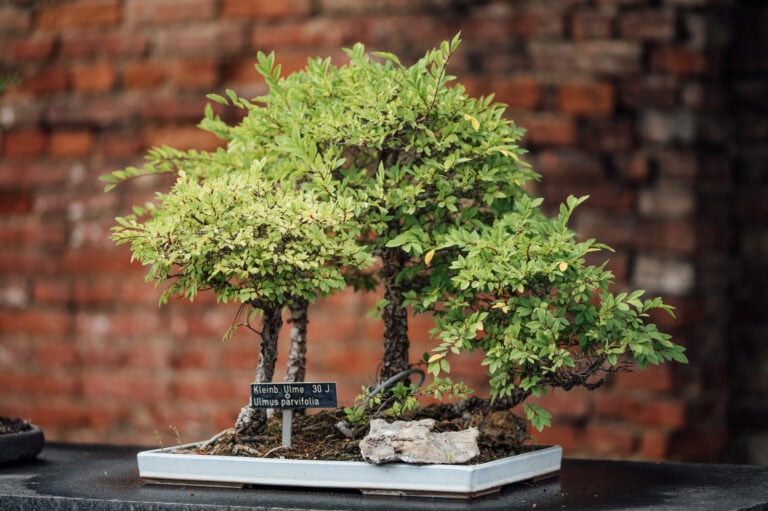
The Best Types of Bonsai Trees for Beginners
Bonsai doesn't demand a master's touch to thrive. Some species forgive missed waterings, tolerate low light, and actually improve when…