
Key Facts
- Evergreen shrub or small tree in the buckthorn family.
- Native to China and nearby parts of East Asia.
- Glossy small oval leaves with small inconspicuous flowers.
- Produces small round drupes often orange to red when ripe.
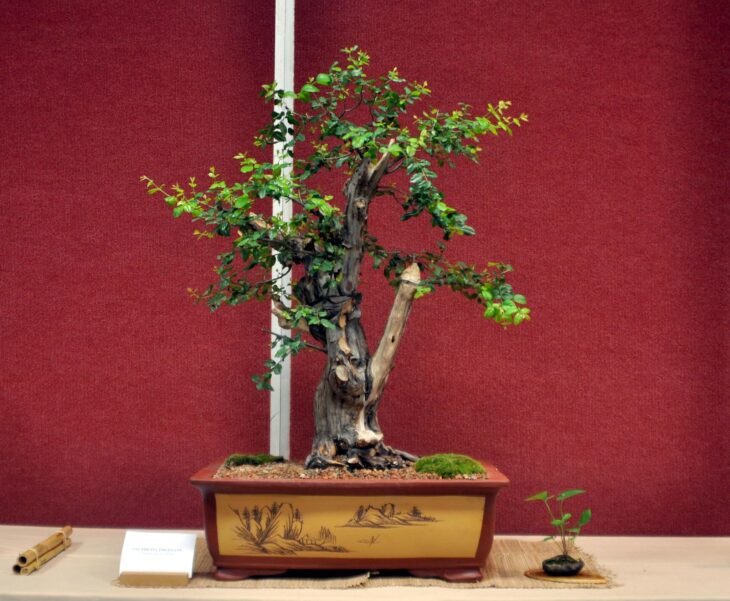
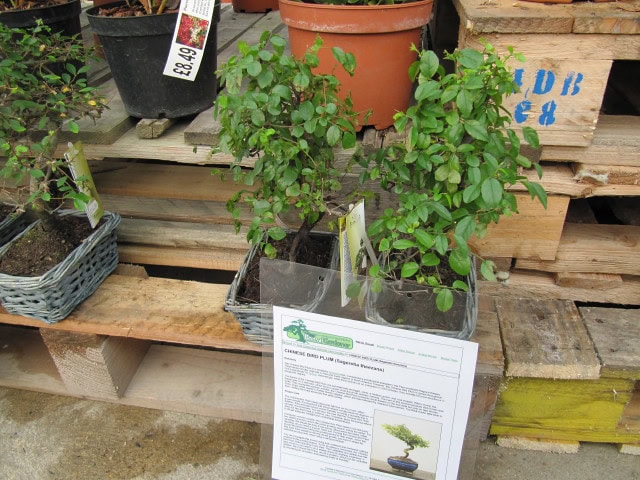
- Used as an ornamental shrub and commonly trained as bonsai.
- Prefers well drained soil and tolerates a range of soil types.
- Grows best in full sun to part shade.
- Propagate by seed, layering, or semi ripe cuttings.
Sweet Plum (Sageretia theezans) is an evergreen ornamental shrub with glossy small oval leaves and small round drupes that ripen orange to red. It is prized as a specimen plant and is commonly trained as bonsai because it takes pruning and shaping well.
Identification
Sweet Plum is an evergreen shrub or small tree with glossy small oval leaves and inconspicuous clusters of tiny flowers in the warm season. Fruits are small round drupes often orange to red when ripe. Mature plants usually sit between roughly two and four meters tall in favorable conditions and can be kept much smaller by pruning.
Where to grow and best uses
Grow Sweet Plum as a specimen shrub in mixed borders and as a low informal hedge where an evergreen texture is wanted. It is widely used in bonsai practice and adapts well to containers. In landscapes allow room for a natural spread of around two to three and a half meters unless pruning keeps it narrower.
Planting and spacing
Space plants to match their mature spread with about two to three and a half meters between specimens for an unpruned planting. Set the root ball level with surrounding soil and avoid planting into waterlogged sites. Good establishment follows planting in the local growing season when soil conditions let roots settle before cold weather.
Soil and watering
Sweet Plum prefers well drained fertile soil and tolerates loam and some clay as long as drainage is good. Avoid poor drainage because it commonly causes root decline and plant stress. Water regularly while the plant establishes and then adjust based on rainfall and how quickly the soil drains in your site.
Light and temperature
Provide full sun to part shade. Growth and fruiting increase with more sun while in very hot inland sites some afternoon shade reduces leaf scorch and stress. Estimated winter hardiness falls near USDA zones eight to ten so colder sites may see dieback or need protection through harsh winters.
After flowering and pruning
Flowers are small and appear in the warmer part of the season and any pruning for shape or size is best done after flowering to preserve blooms. Light pruning controls spread and encourages denser foliage. Severe pruning is tolerated but will reduce flowering the following season until the plant regrows.
Propagation
Propagate Sweet Plum by seed layering or semi ripe cuttings. Cuttings root readily under mist and bottom heat in nursery practice while layering produces clones that match the parent. Seed grown plants may vary from the parent so use vegetative methods when you want consistent traits.
Containers and bonsai
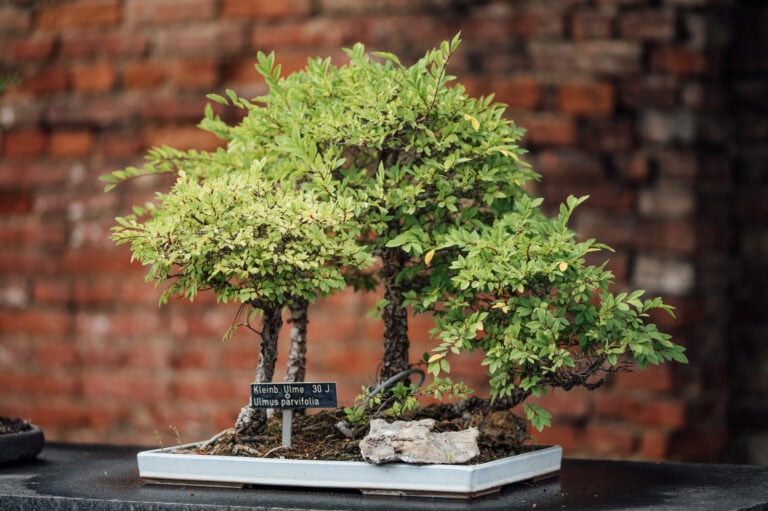
Sweet Plum is commonly trained as bonsai and adapts to containers when grown in a free draining mix. Use regular pruning and root pruning for container specimens and watch watering closely because restricted pots dry out faster yet also suffer if the mix stays waterlogged.
Frequently asked questions
- How fast does Sweet Plum grow?
- Growth rate varies by climate soil and care. Plants typically reach the two to four meter mature height range over several years under favorable conditions while pruning can keep them much smaller.
- Is Sweet Plum hardy where I live?
- Estimated hardiness is around USDA zones eight to ten. Colder areas can experience winter dieback and may need protection or sheltered siting.
- Are the fruits edible?
- Sources differ and major poison control listings do not provide clear guidance. Confirm edibility and pet safety with a local authority before consuming fruits.
- What is the best way to propagate Sweet Plum?
- Semi ripe cuttings and layering are commonly used for reliable results. Cuttings often root quickly under mist and bottom heat while layering produces true to parent plants.
- Can Sweet Plum be grown in a pot or as bonsai?
- Yes. It is commonly trained as bonsai and performs well in containers with a well draining mix regular pruning and careful watering.
- How do I control spread in the landscape?
- Control spread with regular pruning and selective thinning. Allow a natural canopy when you want wildlife value or tighten the habit with routine trimming.
Gallery
Related Plants

Mentioned In (1)
Trees
The Best Types of Bonsai Trees for Beginners
Bonsai doesn't demand a master's touch to thrive. Some species forgive missed waterings, tolerate low light, and actually improve when…