
Key Facts
- Succulent woody shrub commonly kept as a houseplant.
- Native to southern Africa region.
- Stores water in thick, fleshy leaves.
- Produces small star shaped white to pink flowers in late winter to early spring.
- Prefers very well drained soil and tolerates periods of drought.
- Sensitive to overwatering which often leads to root rot.
- Listed as toxic to cats and dogs if ingested.
- Easily propagated from stem or leaf cuttings.
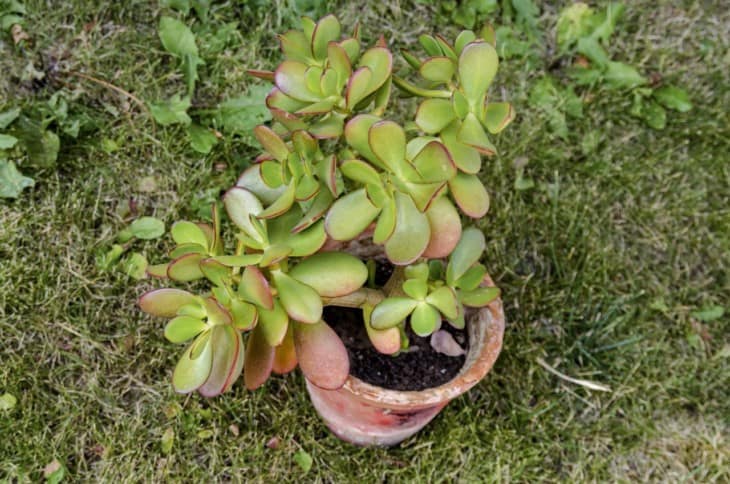
Jade (Crassula ovata) is a succulent woody shrub commonly kept as a houseplant or grown outdoors in frost free climates. It stores water in thick fleshy leaves so bright light and sparse watering keep it compact and healthy while overwatering often causes root rot.
Identification
Jade has thick opposite leaves that are glossy and spoon shaped and a woody stem that becomes trunk like with age. Mature cultivated plants commonly reach about two to three feet in height and spread under typical indoor conditions and can form a rounded shrub when grown outdoors for many years.
Where to grow and best uses
Use Jade as a sun loving container specimen for patios and balconies in frost free climates or as a bright indoor plant elsewhere. It performs well as a small sculptural shrub for container displays and sunny windows where low watering and good drainage are available.
Light and location
Provide bright light to full sun outdoors and a bright sunny window indoors with a few hours of direct sun daily. Insufficient light causes leggy stems and sparse foliage while sudden intense sun can scorch leaves on plants not gradually acclimated to higher light.
Soil and watering
Plant Jade in a very well drained sandy or cactus potting mix and avoid moisture retentive soils. The plant tolerates periods of drought and sparse watering encourages firm leaves while frequent wet soil leads to root rot and decline.
Bloom and after flowering care
Jade typically blooms in late winter to early spring with small star shaped white to pink flowers when nights are cooler. After flowering prune lightly to shape and remove any dead wood then return to regular bright light and conservative watering to support new growth.
Propagation and pruning
Propagate easily from stem or leaf cuttings that are allowed to dry and callus for one to three days before planting. Cuttings root readily in bright indirect light. Prune to control size and encourage branching and leave cut surfaces to dry briefly to reduce risk of rot.
Containers and indoor care
Choose a pot with good drainage and a free draining cactus mix for indoor culture. Pot size and pruning strongly influence eventual height and spread. Repot only when roots outgrow the container and avoid rich moisture retentive mixes that increase rot risk.
Controlling spread and overwintering
Give Jade about two to three feet of space for mature spread when grown in the landscape. Outdoors keep plants in frost free climates or move containers indoors for winter in colder areas because the species is not frost hardy in cooler zones.
Pet safety and cautions
Crassula ovata is toxic to cats and dogs if ingested and can cause vomiting and lethargy. Keep the plant out of reach of pets and children and contact local poison control or a veterinarian for specific exposure advice.
Frequently asked questions
- How fast does Jade grow?
- Growth is moderate and depends on light pot size and care. Typical cultivated specimens reach about two to three feet over several years with good light and occasional pruning.
- Is Jade safe for pets?
- No. Jade is toxic to cats and dogs and ingestion can cause gastrointestinal upset and lethargy. Keep plants out of reach and seek professional advice if a pet eats the plant.
- How often should I water Jade?
- Water sparingly and allow the soil to dry between waterings. The plant tolerates drought better than wet soil. Persistent damp soil often leads to root rot and decline.
- Can Jade be grown outdoors?
- Yes in frost free climates corresponding to USDA 10 to 11. In colder areas grow Jade as an indoor or greenhouse plant or provide winter protection for containers.
- How do I propagate Jade?
- Take stem or leaf cuttings and allow cut ends to callus for one to three days before planting in a free draining mix. Keep cuttings in bright indirect light until roots form.
Gallery
Related Plants
Mentioned In (1)
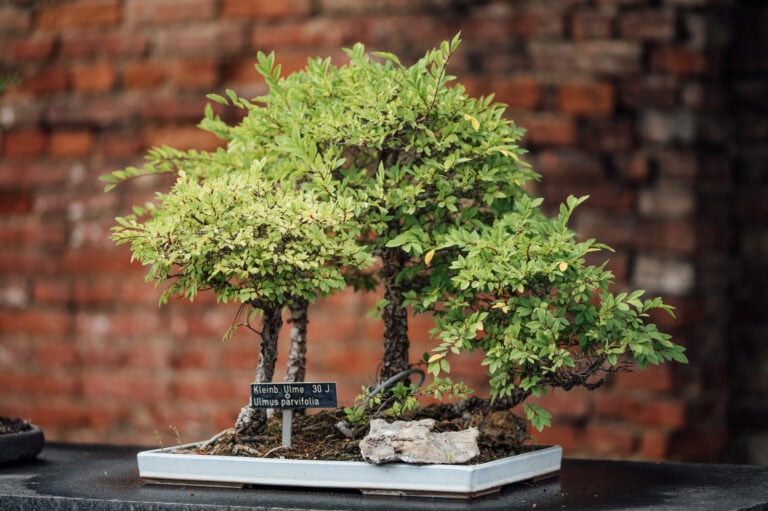
Trees
The Best Types of Bonsai Trees for Beginners
Bonsai doesn't demand a master's touch to thrive. Some species forgive missed waterings, tolerate low light, and actually improve when…