
Key Facts
- Small to medium deciduous or semi evergreen landscape tree.
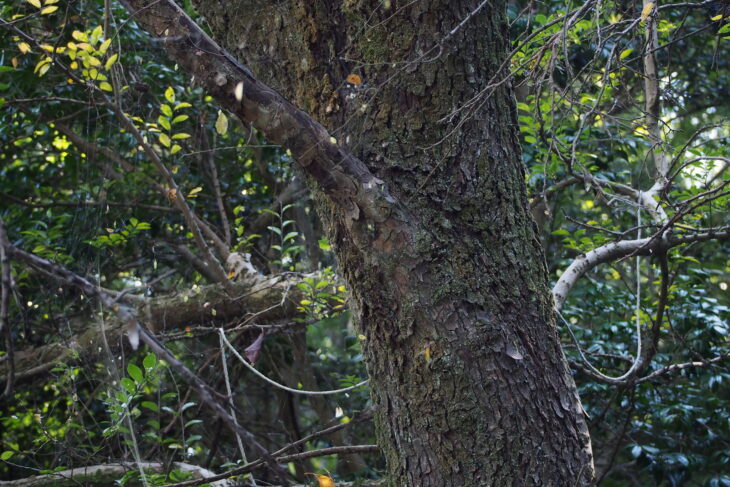
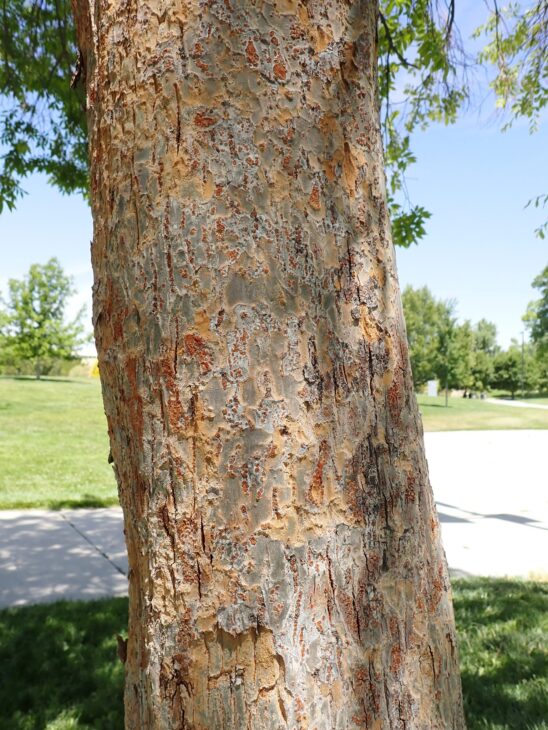
- Distinctive peeling mottled bark that becomes ornamental with age.
- Tolerant of urban stress including heat, drought and compacted soils.
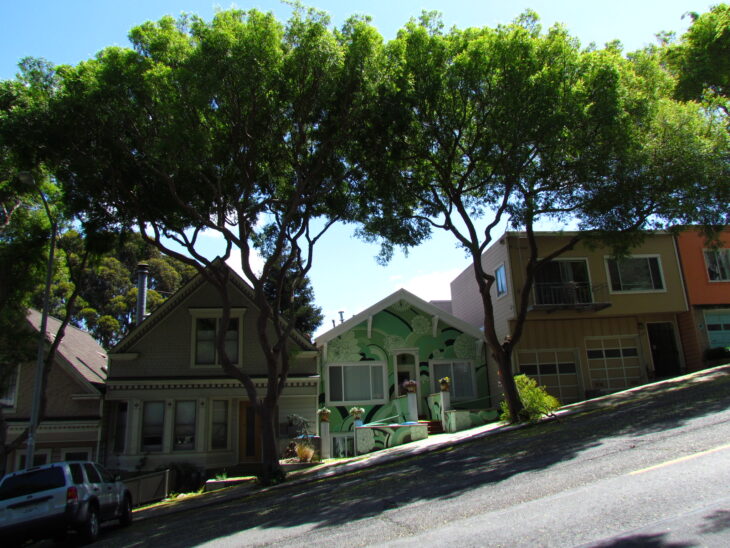
- Commonly used as a street tree, shade tree and for bonsai.
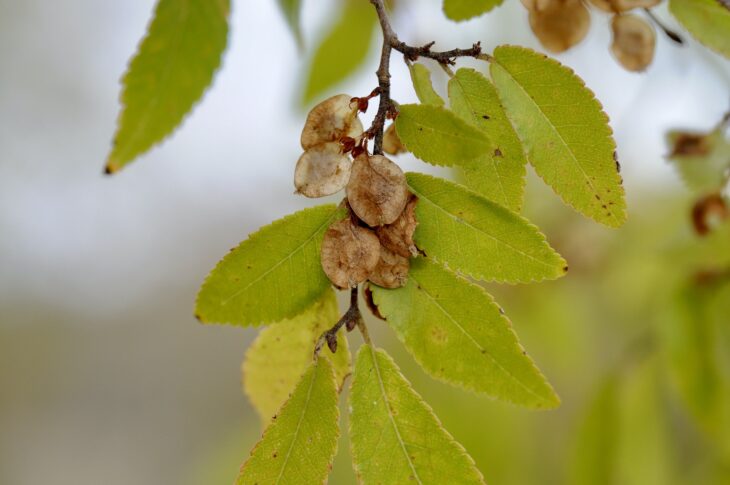
- Produces small inconspicuous flowers and samara fruits in late summer to fall.
- Often planted in well drained soils but tolerates clay if drainage is adequate.
- Frequently listed as hardy in USDA zones 5–9.
- Propagation by seed, cuttings, grafting or layering.
Chinese Elm (Ulmus parvifolia) is a small to medium deciduous or semi evergreen ornamental tree prized for its peeling mottled bark and tolerance of urban stress. It is commonly used as a street tree or shade tree and adapts to well drained loam or heavier soils when drainage is adequate.
Identification
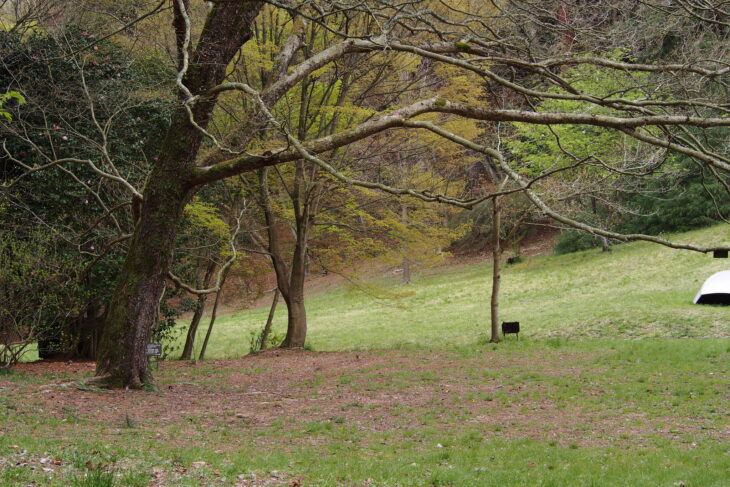
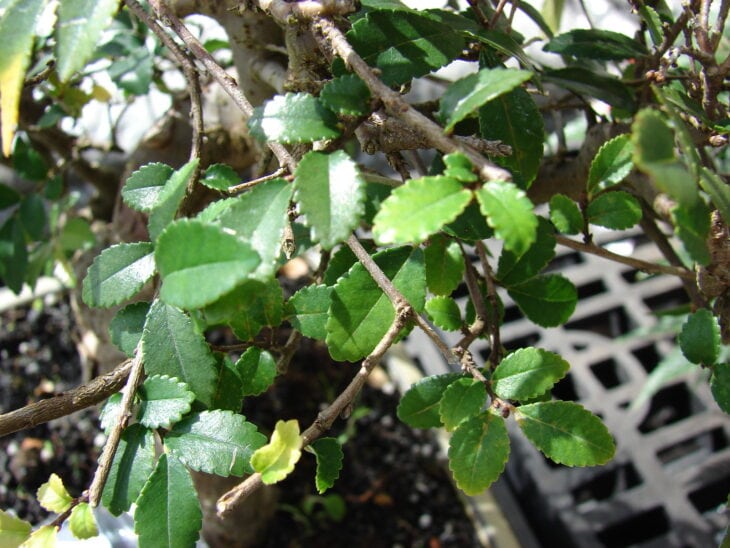
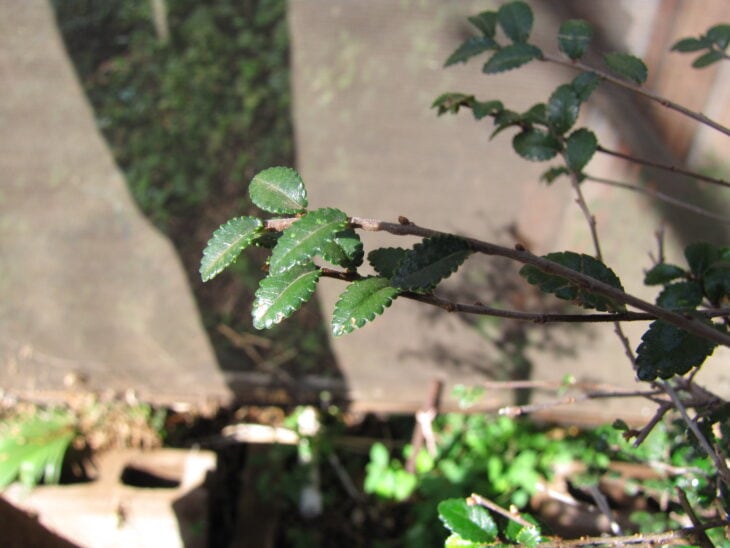
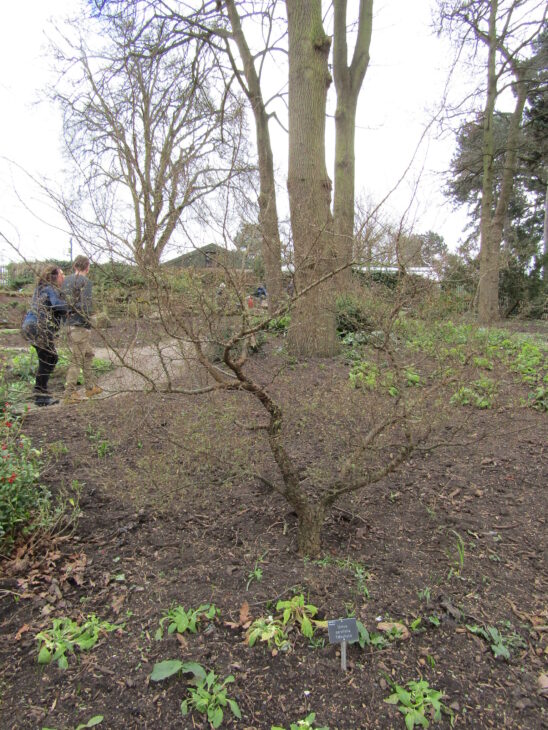
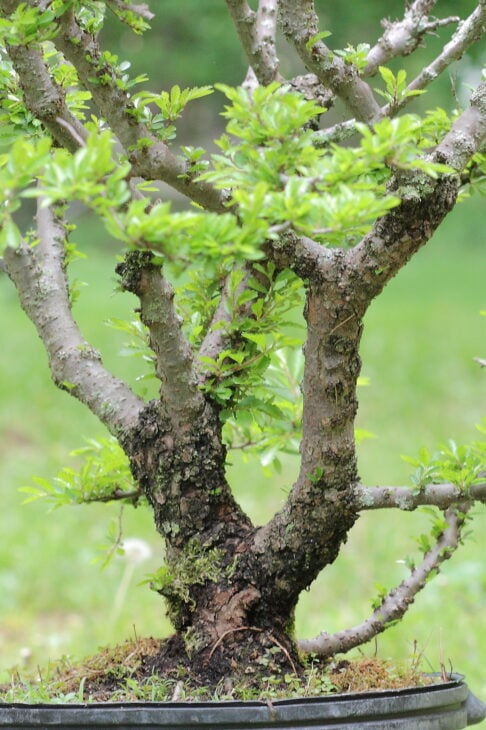
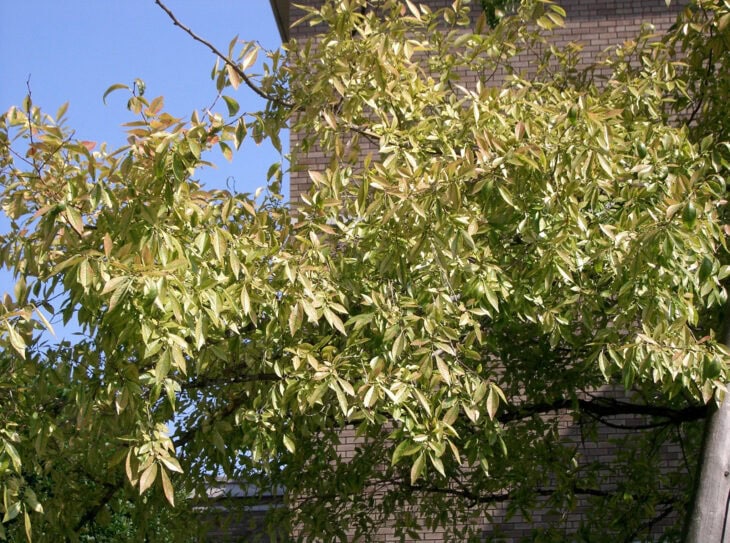
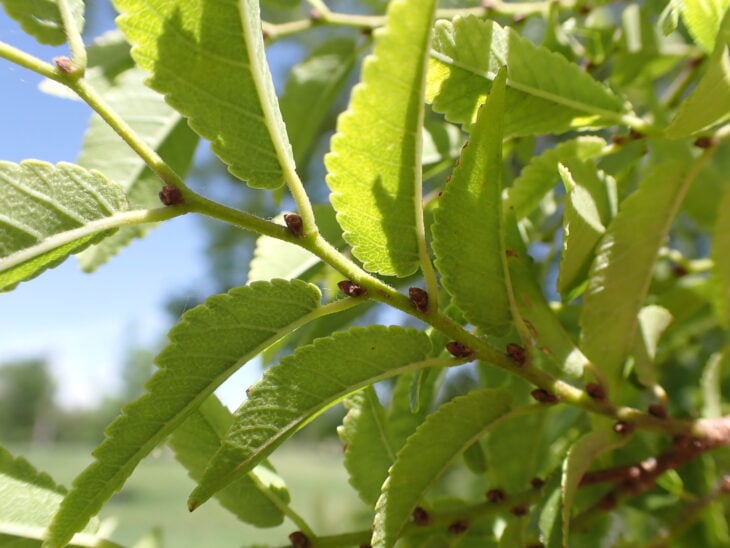
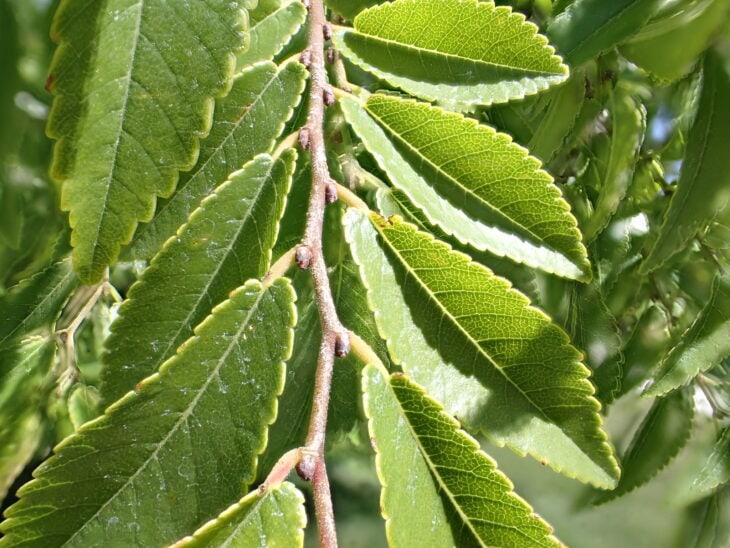
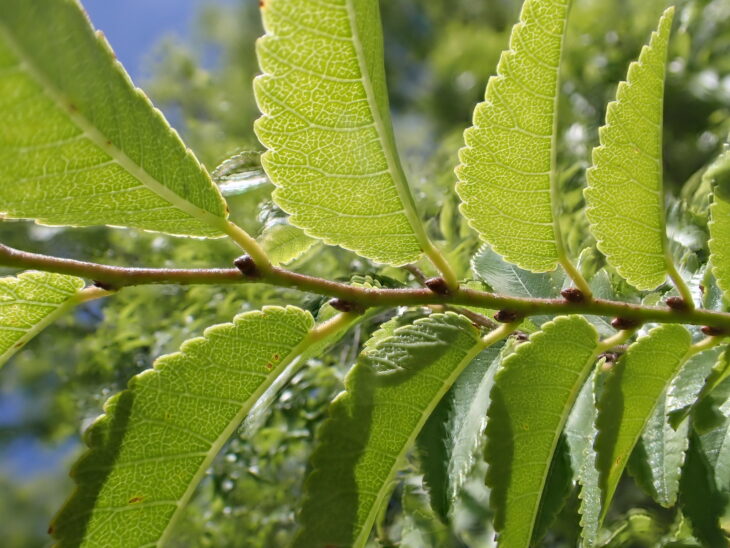
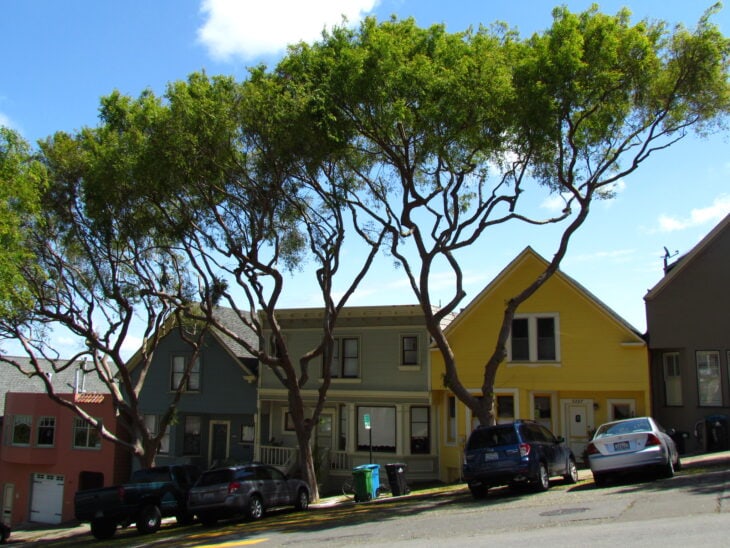
Chinese Elm forms a rounded crown that often reaches 30 to 50 ft tall with a canopy commonly 30 to 40 ft across in favorable sites. Leaves are small and the tree produces tiny inconspicuous flowers and samara fruits in late summer to fall. The peeling mottled bark becomes the main ornamental feature as trunks mature.
Best uses and where to grow
Use Chinese Elm as a street tree, shade tree or specimen where heat, drought and compacted soils challenge other species. It grows in full sun to partial shade and is generally listed as hardy in USDA zones 5 to 9. Choose it for urban planting strips, parks and yards where tolerance of tough sites is needed.
Planting and spacing
Place new trees so they have room for a mature canopy about 30 to 40 ft across and keep clear of buildings and crowded tree lines. Select a site with good drainage and workable soil such as a well drained loam. Give root space and avoid planting too close to pavement where roots may lift surfaces.
Planting time
Plant in spring or fall to give roots time to establish before summer heat or winter cold. Young trees need regular watering while roots develop. Timing helps reduce transplant stress and improves early anchoring in the landscape without demanding exact month ranges that vary by local climate.
Watering and soil
Chinese Elm prefers well drained loam but tolerates clay and a range of pH when drainage is adequate. Keep young trees evenly moist until root systems establish and then reduce frequency. Poor drainage or waterlogged soils increase risk of root decline and long term health problems.
After flowering care and pruning
Flowers are small and inconspicuous in late summer to fall so no special care is required after bloom. Prune to maintain structure, remove crossing or weak branches and cut out suckers or root sprouts. Routine pruning preserves a tidy crown and lowers the chance of storm damage from crowded limbs.
Containers and bonsai
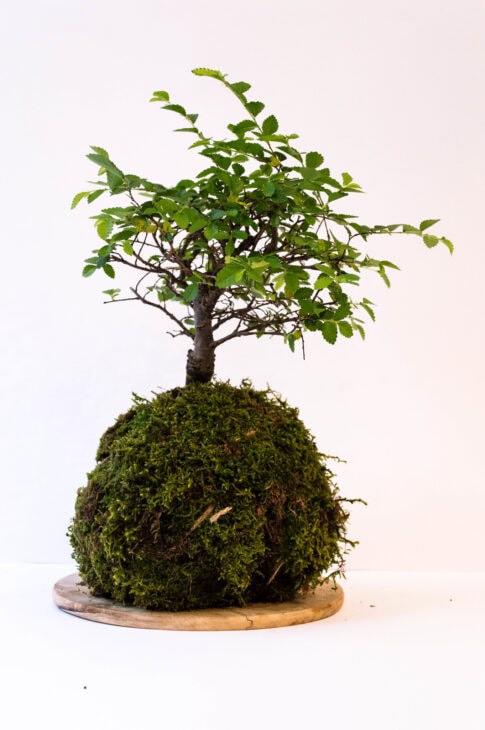
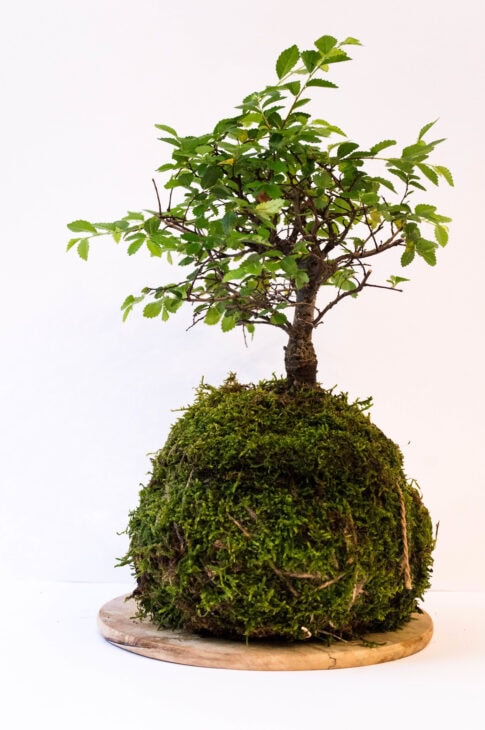
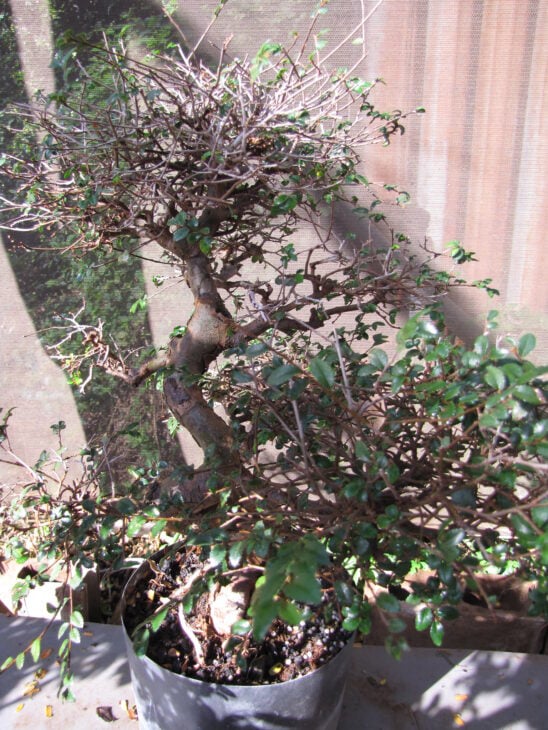
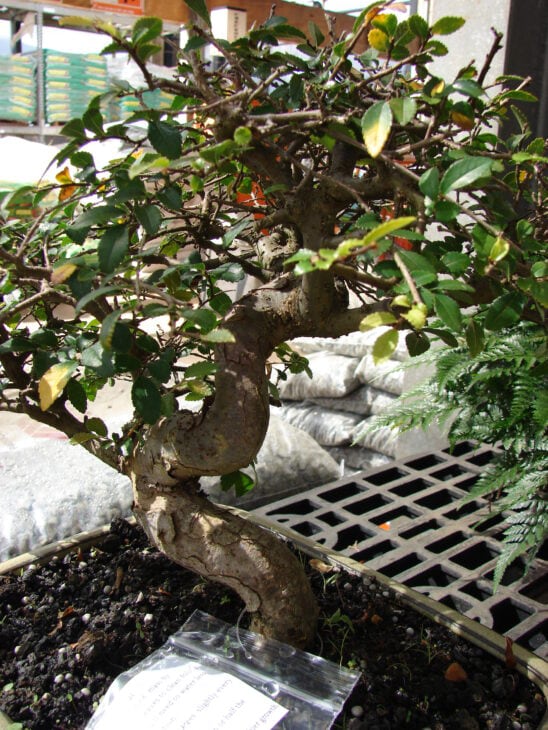
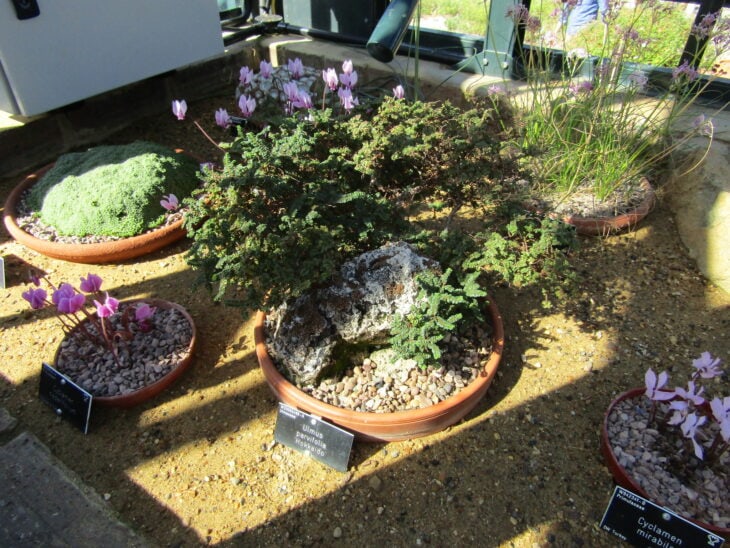
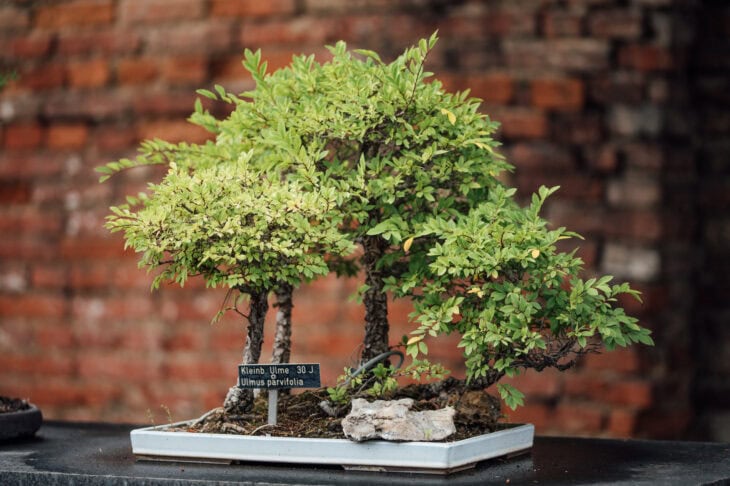
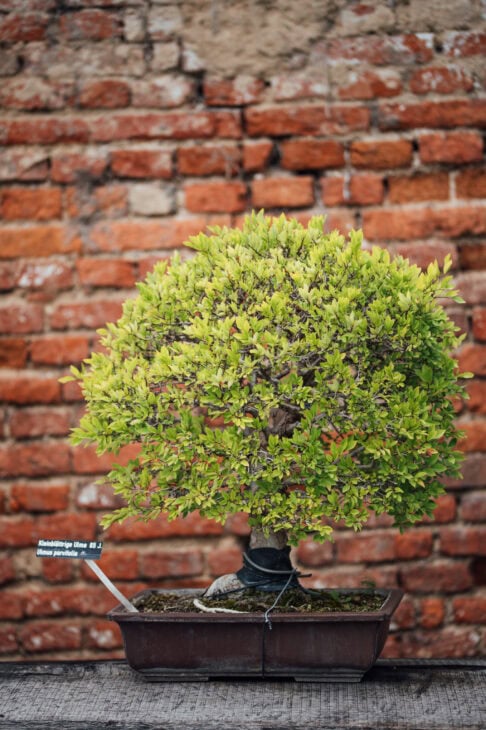
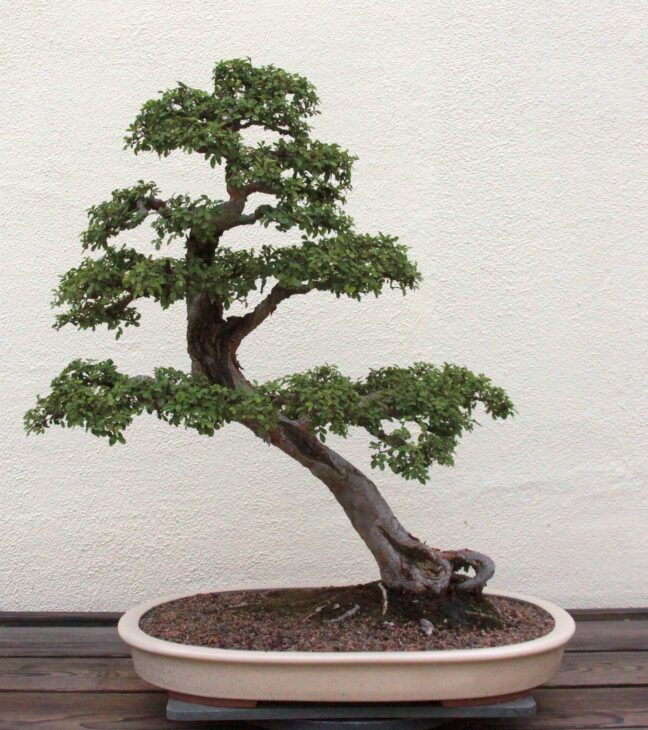
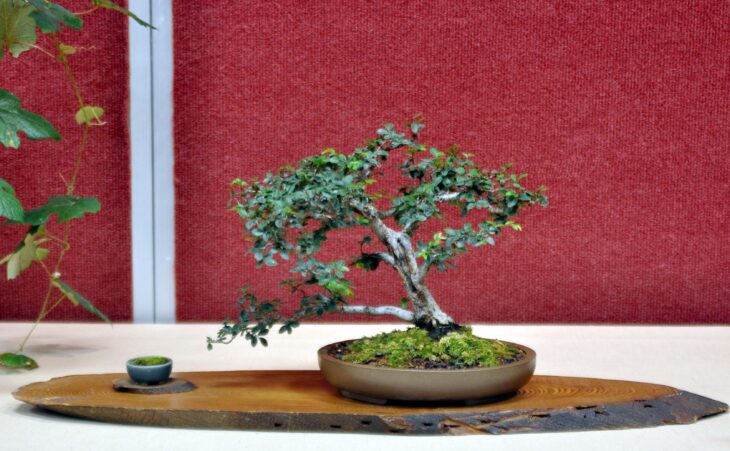
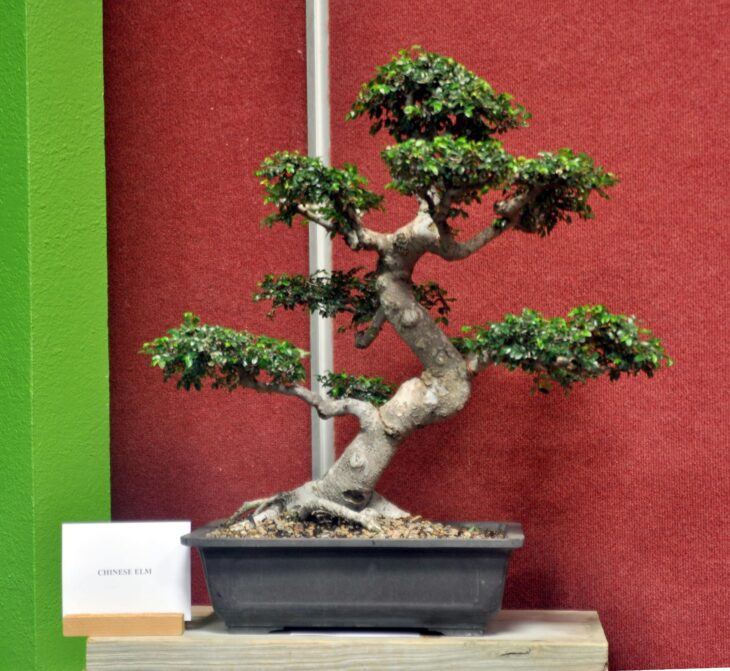
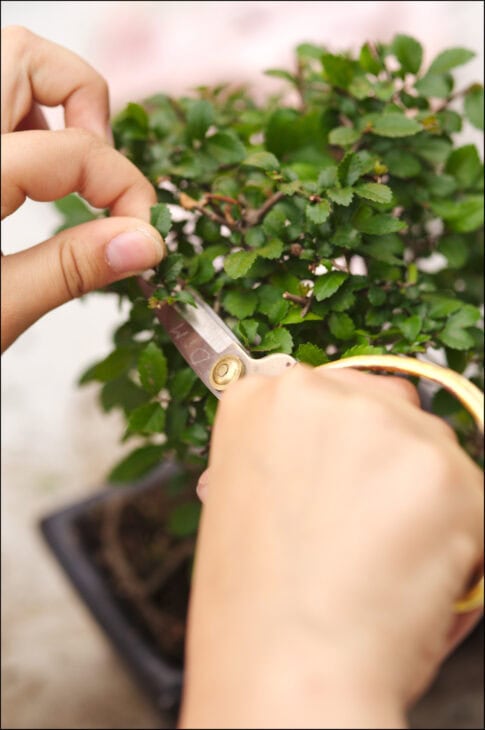
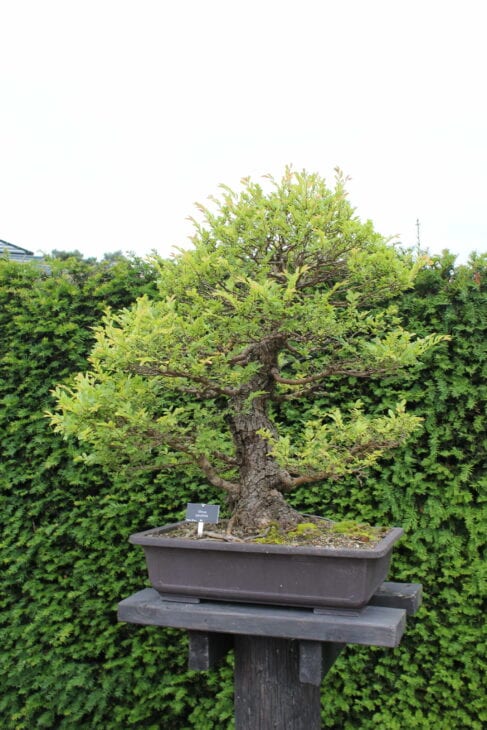
Chinese Elm adapts well to bonsai and to container culture for several seasons while young. Full sized landscape specimens need substantial root space and are not suited to long term container life. For bonsai and pots prune roots regularly and provide well draining media and steady moisture management.
Propagation
Propagate by seed, hardwood or semi hardwood cuttings, grafting and layering. Nurseries use cuttings or grafting to preserve named cultivars while seed is used where true to type is not required. Suckers and root sprouts can also be used for local propagation in some settings.
Spread and control
The species can spread more vigorously in warmer climates and may produce suckers or root sprouts that lead to naturalizing. Control spread by removing suckers, pruning out seedlings at the edge of beds and monitoring open ground. Regular maintenance and timely removal of unwanted shoots prevents expansion into lawns and plantings.
Frequently asked questions
The following short answers cover growth rate size flowering toxicity and container use. Specific performance varies with cultivar and climate so treat these points as practical starting guidance for landscape decisions.
- How fast does Chinese Elm grow?
- Growth ranges from moderate to fast depending on cultivar, soil and root space. Trees tend to grow more slowly in colder zones and more vigorously in warm, well drained sites.
- How tall and wide does Chinese Elm get?
- Mature trees commonly reach about 30 to 50 ft tall with a canopy often 30 to 40 ft across depending on cultivar, pruning and site conditions.
- When does Chinese Elm flower?
- Flowers are small and typically appear in late summer to fall. They are inconspicuous and are not usually grown for their blooms.
- Is Chinese Elm toxic to pets?
- Chinese Elm is not commonly listed as toxic to people or pets, but absence from toxic lists is not definitive. Consult local poison control or veterinary sources for medical concerns.
- Can I grow Chinese Elm in a container?
- Yes for bonsai and for young trees kept small. Long term container culture is not suitable for landscape specimens that reach substantial mature size.
Gallery
Related Plants


Mentioned In (2)
Trees
The Best Types of Bonsai Trees for Beginners
Bonsai doesn't demand a master's touch to thrive. Some species forgive missed waterings, tolerate low light, and actually improve when…

Trees
31 Most Common Trees in Japan
In the land of the rising sun, trees are a major part of Japan's culture and history. Trees in Japan…