
Key Facts
- Evergreen shrub or small tree with glossy oval leaves.
- Native to New Zealand and used widely in coastal planting.
- Valued for hedging and windbreaks.
- Tolerant of wind and some salt spray.
- Produces small yellowish flowers in spring followed by black berries.
- Prefers fertile, well drained soil and dislikes waterlogging.
- Grows in full sun to partial shade.
- Easily propagated by semi ripe cuttings and by seed.
New Zealand Broadleaf (Griselinia littoralis) is an evergreen shrub or small tree with glossy oval leaves, valued for dense hedges and coastal planting. It tolerates wind and some salt spray yet prefers fertile, well drained soil and may suffer where roots remain waterlogged.
Identification
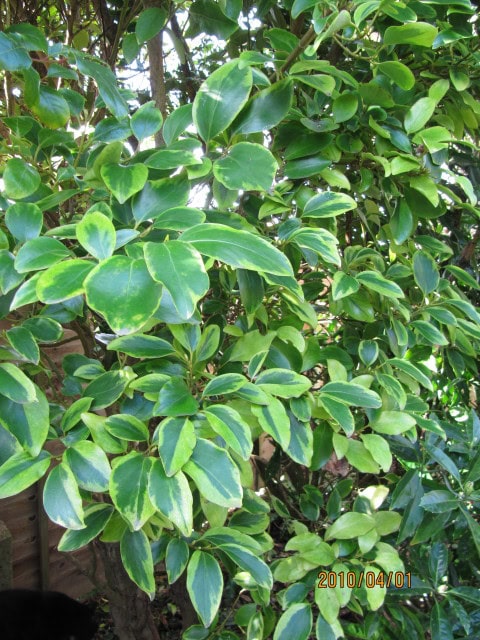
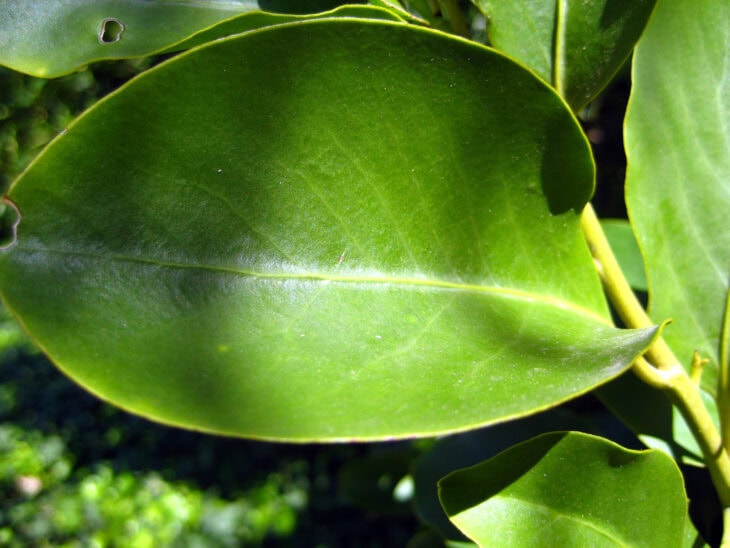
Glossy, oval evergreen leaves give New Zealand Broadleaf a neat, year round screen. Mature plants produce small yellowish flowers in late spring to early summer followed by black berries. Depending on cultivar and pruning this species ranges from about 6 to 30 feet tall, taking shrub or small tree form in the landscape.
Where to grow and best uses
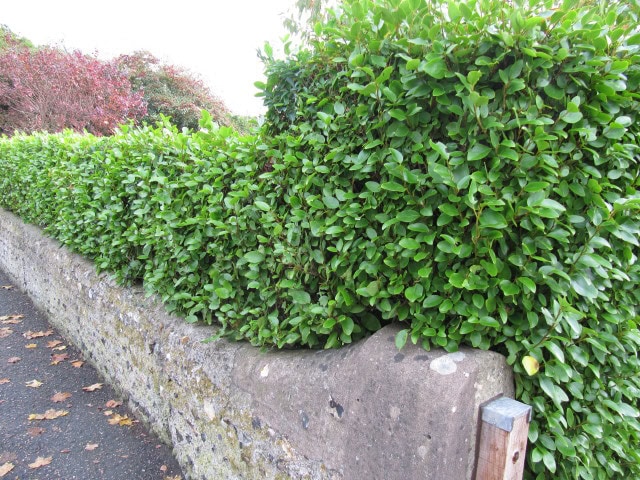
This species is widely used for hedging, windbreaks and coastal shelter because it tolerates exposed, windy sites and some salt spray. It suits gardens in milder maritime climates and performs well in full sun to partial shade. In colder inland or high elevation sites plants may suffer dieback.
Soil and planting
Plant in fertile, well drained soil and avoid low spots that hold water. The plant tolerates sandy coastal soils as well as loams but will decline in poorly drained ground. If your soil is heavy consider raised beds or improved drainage at the planting site to protect roots from decline.
Watering and after flowering care
Keep young plants watered while roots establish but avoid waterlogging which leads to root problems. After flowering, light shaping maintains density and form; this species responds well to pruning for a formal hedge or informal screen. Monitor exposed plants for winter dieback in colder sites.
Pruning and maintenance
Prune to maintain a narrow hedge or to control overall height and spread. Regular trimming encourages dense growth and keeps the spread narrower than the 6 to 20 foot natural breadth. Cultivar choice and pruning regime largely determine final size so plan maintenance to match the planting purpose.
Propagation
Semi ripe cuttings are commonly used for reliable, true to cultivar propagation. Seed and layering are also possible but seed raised plants may vary from the parent. Cuttings give faster establishment and predictable characteristics for hedging and landscape use.
Controlling spread and landscape impact
When unpruned plants can spread to several metres across, so regular pruning prevents accidental crowding of adjacent beds or paths. This species is not described here as broadly invasive, but its size and tendency to form dense screens mean it should be sited where growth can be managed.
Further reading
Authoritative sources for regional detail include the Royal Horticultural Society, Royal Botanic Gardens Kew and the New Zealand Plant Conservation Network. Check local extension resources for cultivar recommendations and site specific hardiness guidance.
Frequently asked questions
- How fast does New Zealand Broadleaf grow?
- Growth rate varies by cultivar, soil and climate. Plants can reach the typical range of 6 to 30 feet over several years with faster growth in fertile, well drained coastal sites and where pruning encourages vigor.
- Is New Zealand Broadleaf salt tolerant?
- Yes. It tolerates wind and some salt spray, making it suitable for many coastal exposures and windbreaks.
- What soil does it prefer?
- Fertile, well drained soils are best. It tolerates sandy coastal soils and loams but performs poorly in waterlogged locations.
- Can it be used as a hedge?
- Yes. It is commonly used for hedging and responds well to regular pruning to maintain a narrow, dense screen.
- Is New Zealand Broadleaf safe for pets and children?
- Sources on toxicity are inconsistent. Verify safety with local poison control or veterinary guidance before planting where ingestion is a concern.
Gallery

Related Plants


Mentioned In (1)

Hedge
The Best Evergreen Hedge Shrubs For Privacy
Evergreen hedge shrubs provide year-round privacy, wind protection, and visual interest. Choosing the right plant depends on your climate, available…