
Key Facts
- Evergreen broadleaf shrub with small glossy leaves.
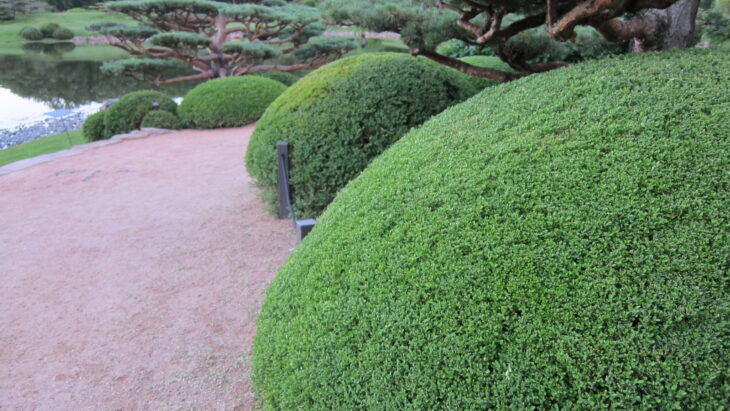
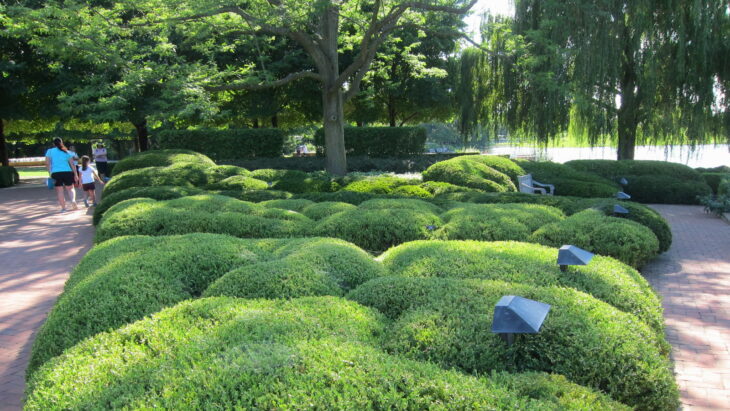
- Commonly used for low hedges, borders and topiary.
- Slow to moderate growth rate and tolerates pruning well.
- Prefers well drained soils and can tolerate heavier soils if drainage is adequate.
- Flowers are small and inconspicuous in late spring.
- Susceptible to boxwood blight and root rots in poorly drained sites.
- Can be propagated by semi hard wood cuttings and layering.
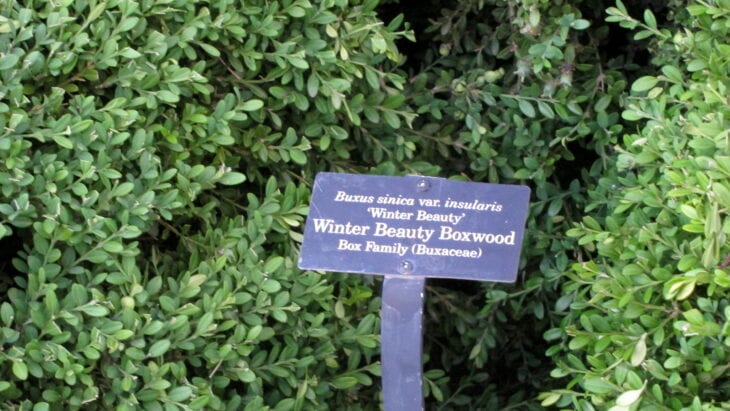
Korean Boxwood (Buxus sinica var. insularis) is a small evergreen shrub valued for low hedges and formal plantings. It holds small glossy leaves and tolerates frequent pruning, but it dislikes prolonged wet feet and can be vulnerable to root rot in poorly drained sites.
Identification
This evergreen broadleaf shrub has small glossy leaves and a dense rounded habit. Mature size commonly ranges from 2 to 6 feet or about 60 to 180 centimeters depending on cultivar and pruning. Flowers are small and inconspicuous in late spring and are not an ornamental feature.
Best uses and where to grow
Use Korean Boxwood for low hedges, border edging and topiary where a compact, formal green backdrop is wanted. It performs well in temperate gardens roughly USDA zones 5 to 9. Plant in locations with full sun to part shade and where air circulation and drainage reduce disease risk.
Planting time and soil
Plant in spring or fall when soil is workable and temperatures are moderate. It prefers well drained soils from loam to heavier clay and does best in neutral to slightly alkaline conditions with a pH around 6.5 to 7.5. Avoid sites that remain waterlogged to reduce the chance of root rot.
Planting depth spacing and containers
Set the shrub so the root ball sits at the same level it was in the container. Space plants according to mature spread which commonly ranges from 2 to 6 feet or about 60 to 180 centimeters depending on cultivar and pruning goals. Smaller cultivars can be maintained in tighter spaces or containers with good drainage.
Watering and establishment
Keep soil evenly moist during the first growing season to establish roots, then reduce frequency as the shrub matures. Prolonged wet feet cause root rots and decline, while drought stress leads to leaf drop and reduced vigor. Mulch to conserve moisture but keep mulch away from the trunk base to avoid trapped moisture.
Pruning and after flowering care
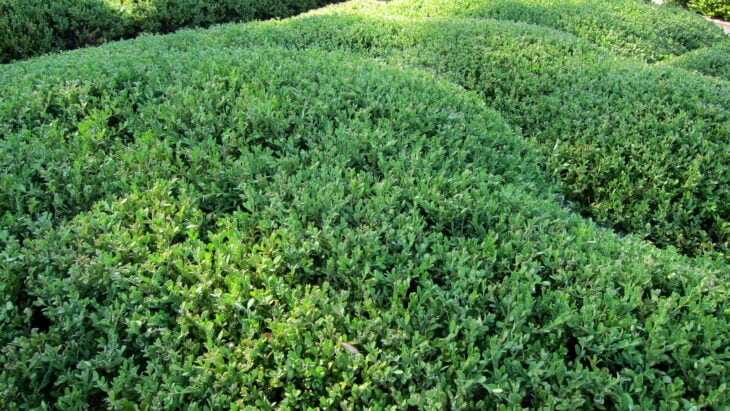
Korean Boxwood tolerates pruning well and responds to frequent light shearing for formal shapes. Prune after flowering if shaping is needed, removing only a portion of new growth to preserve a dense habit. Slow to moderate growth means maintenance pruning is usually seasonal rather than continuous.
Pests diseases and toxicity
Watch for boxwood blight and root rots in poorly drained sites, both of which can cause rapid decline. Warmer, humid conditions increase disease pressure. The species contains compounds that are toxic if ingested and can cause gastrointestinal and cardiac symptoms in people and animals, so keep livestock and pets from eating the foliage.
Propagation
Propagate by semi hard wood cuttings or by layering for true to parent plants. Seed propagation is possible but slower and may not produce plants true to cultivar. Cuttings are commonly used in nursery production and offer the most reliable way to reproduce named varieties.
Frequently asked questions
- How fast does Korean Boxwood grow?
- Growth is slow to moderate. Mature size commonly falls between 2 and 6 feet depending on cultivar and pruning, so expect gradual increase in size rather than rapid annual leaps.
- Can Korean Boxwood be used for formal hedges?
- Yes. It is commonly used for low hedges and topiary and tolerates frequent shearing to maintain a formal shape.
- What soil and light does it prefer?
- It prefers well drained soils from loam to clay and does best in full sun to part shade. Avoid poorly drained sites to reduce root rot risk.
- Is Korean Boxwood toxic to pets?
- Yes. It contains compounds that can be toxic if ingested and may cause gastrointestinal and cardiac symptoms, so prevent pets and livestock from eating foliage.
- How should I plant and space these shrubs?
- Plant the root ball at the same depth as in the container and space plants based on mature spread which commonly ranges from 2 to 6 feet or about 60 to 180 centimeters depending on cultivar.
Gallery
Related Plants


Mentioned In (1)

Hedge
The Best Evergreen Hedge Shrubs For Privacy
Evergreen hedge shrubs provide year-round privacy, wind protection, and visual interest. Choosing the right plant depends on your climate, available…