
Key Facts
- Genus of succulent perennial plants native mainly to the Americas.
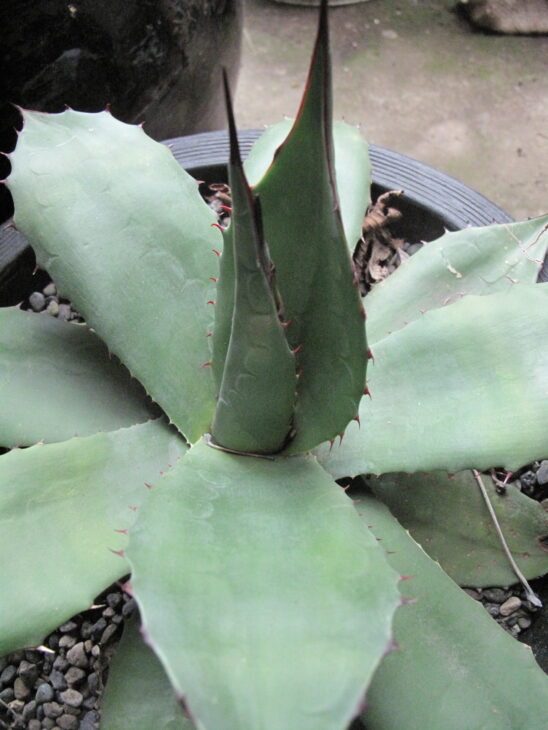
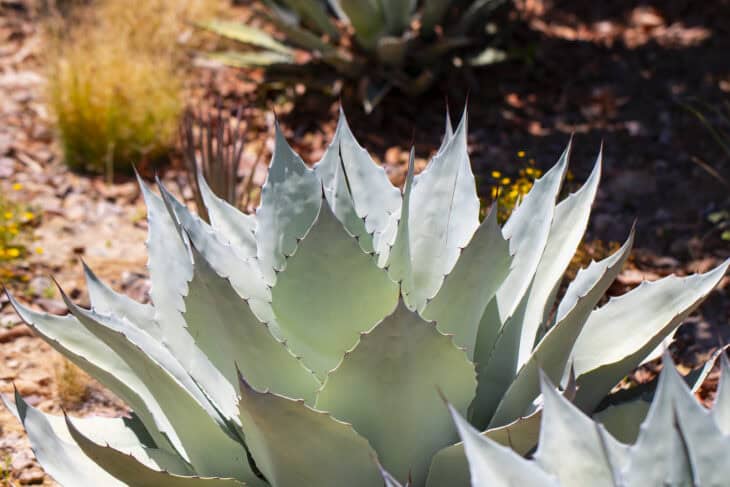
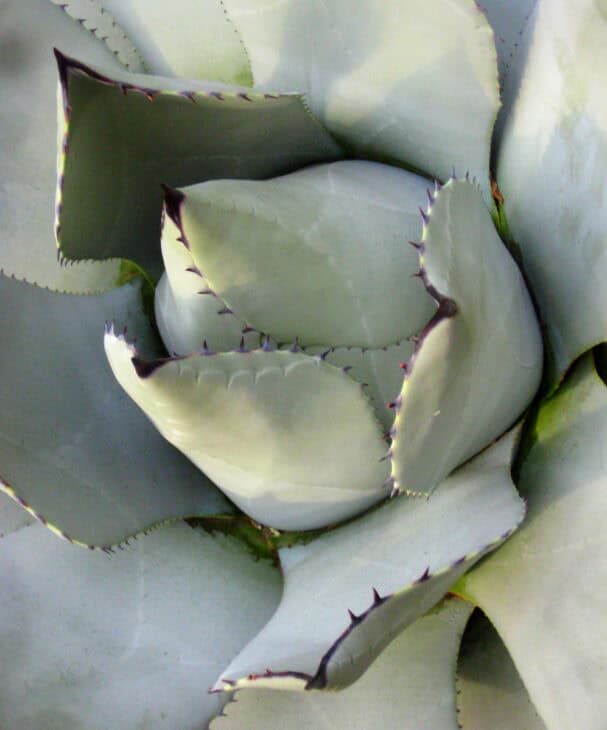
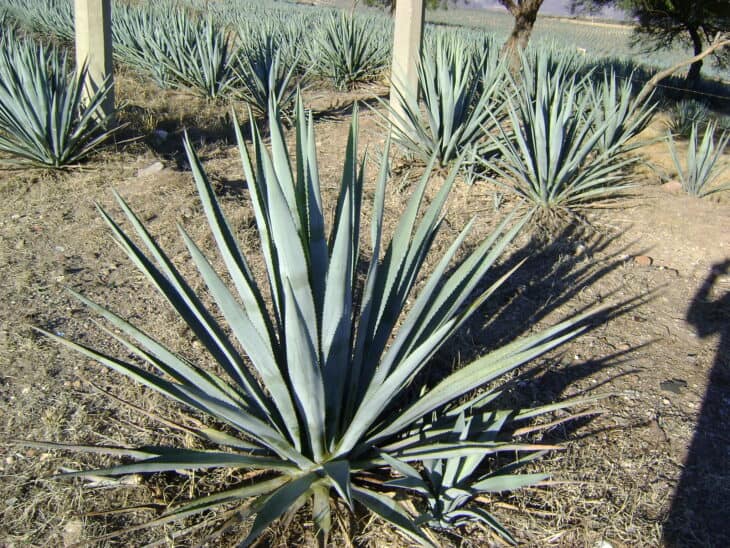
- Forms a basal rosette of fleshy, often spiny leaves.
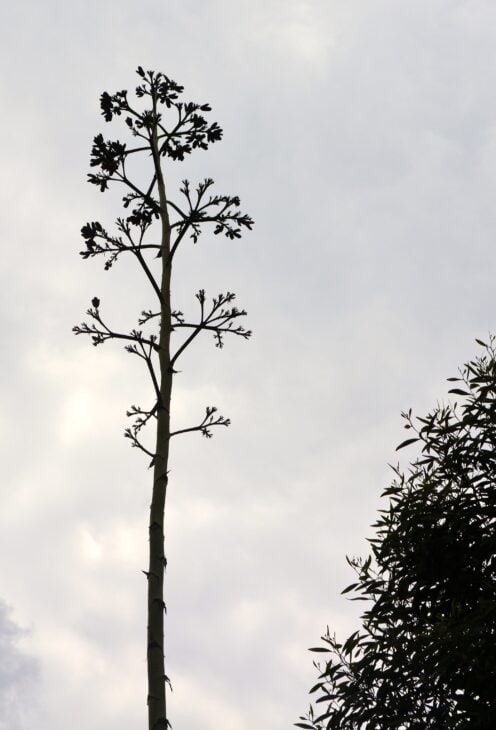
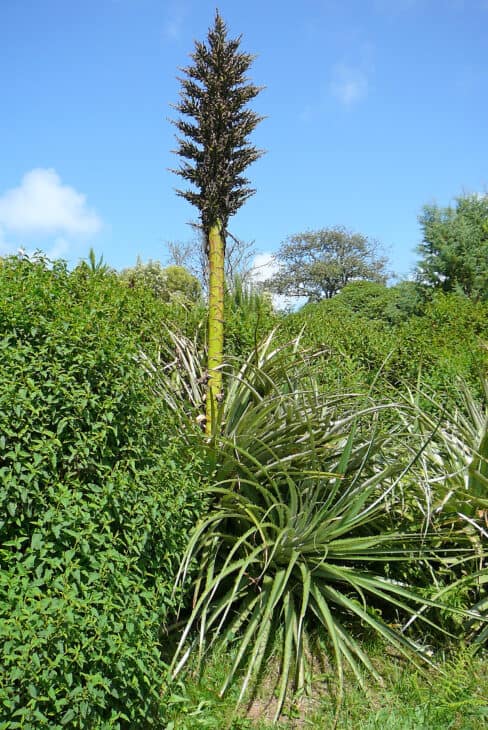
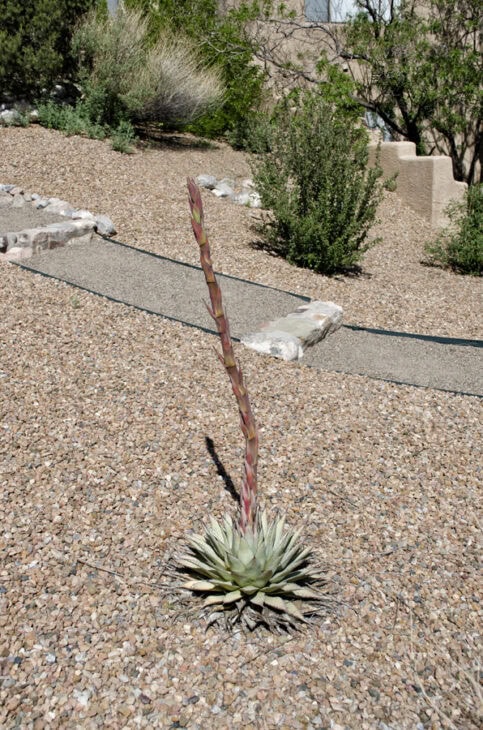
- Many species are monocarpic and produce a single tall flower stalk then the rosette dies.
- Widely used in xeriscaping for drought tolerant landscaping.
- Some species produce bulbils or offsets that form new plants.
- Leaves and sap can cause skin irritation in sensitive people.
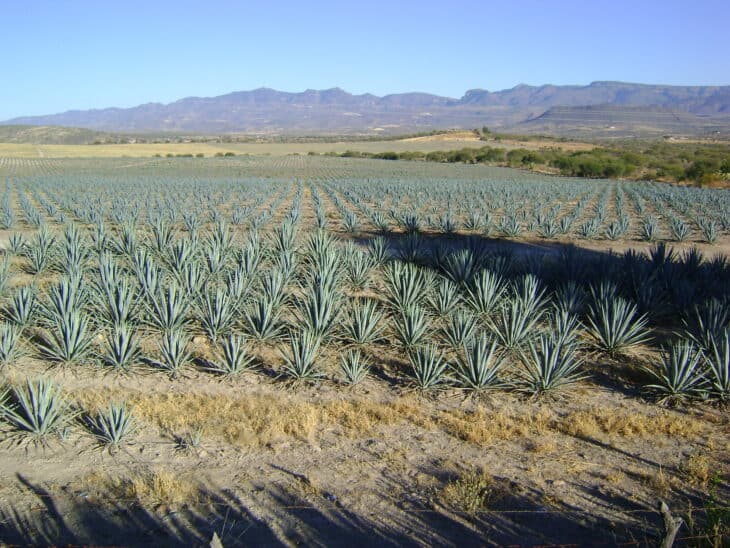
- Certain species are used to make pulque and tequila.
- Prefers well drained soil and tolerates poor, rocky substrates.
- Flowering time and cold tolerance vary widely by species.
Agave is a genus of succulent rosette plants prized for bold architectural form and drought tolerance, used as specimen plants, xeriscape accents and in rock gardens. Many species send up a single tall flower stalk after several years and then the rosette dies while offsets often replace it.
Identification
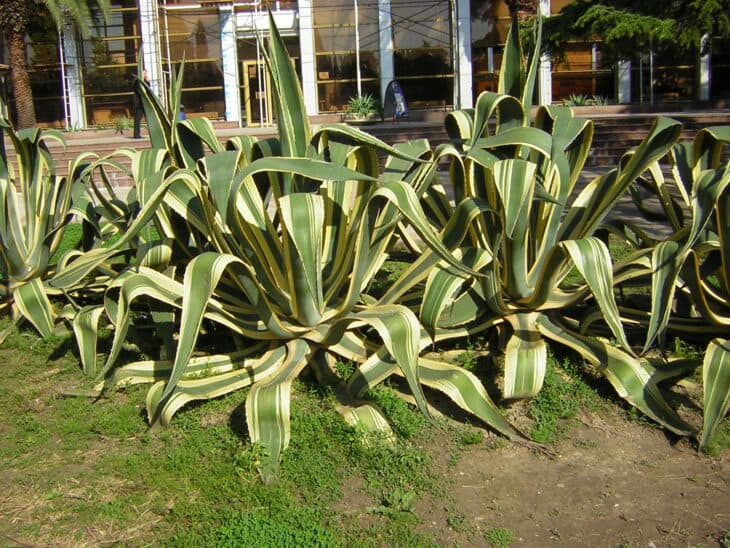
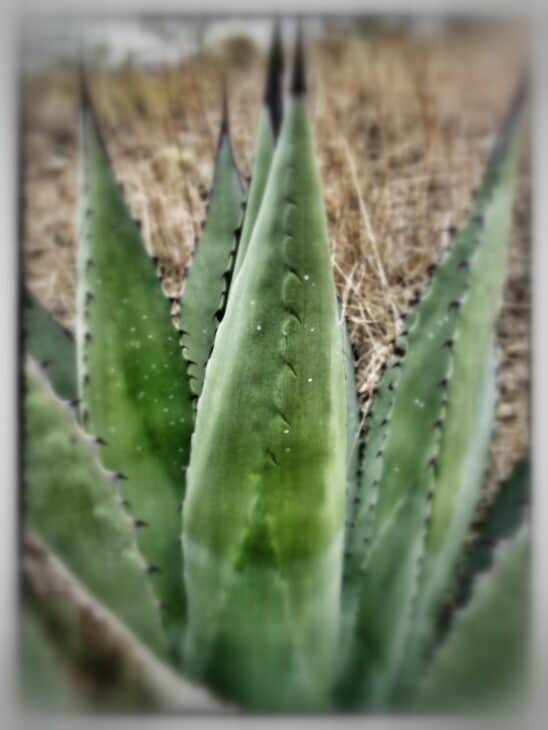
Rosettes of fleshy, often spiny leaves define agave. Many species are monocarpic and produce a dramatic, tall inflorescence before the mother rosette dies. Leaf shape, spine size and color vary widely by species.
Best uses and placement
Use agave as a focal specimen, low-maintenance accent in xeriscapes, a drought tolerant groundcover where spread is allowed, or in rock and gravel gardens. Avoid siting spiny varieties where children or pets run frequently and keep plants away from windows and narrow walkways to reduce risk of physical injury and sap contact.
Hardiness and size
Cold tolerance varies by species with a genus level range roughly USDA zones 5 to 11. Most garden agaves form rosettes about 1 to 6 feet high and wide while flowering stalks can rise many feet above the rosette. Verify hardiness and mature size for the exact species before planting near structures or in small beds.
Soil and light
Plant agave in very well drained sandy or rocky soils. They tolerate poor and alkaline substrates but will fail in heavy, waterlogged soil. Full sun to light afternoon shade produces the firmest, most compact growth; some sensitive types benefit from afternoon shade in very hot climates.
Planting and spacing
Set the crown level with the soil surface and use a gritty, fast-draining mix or plant on a raised mound in heavy soils. Space plants according to expected rosette spread which commonly ranges from 1 to 6 feet depending on species. Allow extra room if you want a clumping colony from pups.
Watering and maintenance
Agaves are drought adapted and need only occasional watering once established. Prolonged wet soil or frequent irrigation leads to root rot and crown collapse; signs of overwatering include soft, discolored leaves and a collapsing crown. Remove dead leaves and slow-drip irrigate in dry spells rather than frequent shallow waterings.
After flowering and spread control
When a rosette flowers it usually dies. Remove the spent flower stalk if desired and leave or replant pups that form at the base. To control spread remove offsets at the base and replant or compost them; some species also produce bulbils on the stalk that can be rooted.
Containers and winter care
Agave works in containers if grown in a very fast-draining potting mix and watered sparingly. Containers dry faster and may need protection or move indoors in climates where the species is not cold hardy. Check species hardiness before relying on container wintering.
Propagation
Propagate commonly by removing and rooting offsets or pups. Some species produce bulbils on the flower stalk that root readily. Seed and division are additional options depending on the taxon.
Toxicity and handling
Agave sap can cause skin and eye irritation and ingestion may cause vomiting or gastrointestinal upset in people and pets. Wear gloves and eye protection when handling and rinse exposed skin promptly. Confirm species specific risks with local poison control or veterinary sources.
Frequently asked questions
- How fast does Agave grow?
- Growth rate varies widely by species and climate. Many garden agaves are slow growers that take years to reach mature size while warmer climates tend to speed growth and increase pup production.
- Will an Agave return after flowering?
- Most agaves are monocarpic so the flowering rosette dies. Young offsets or bulbils often replace the mother plant and can be left to form a colony or removed and replanted.
- Where should I plant Agave?
- Plant in full sun to light afternoon shade on very well-drained sandy or rocky soil. Avoid poorly drained sites to prevent root rot and crown failure.
- How do I propagate Agave?
- Remove and root offsets or pups, root bulbils from a flower stalk, grow from seed, or divide clumps where appropriate.
- Are Agaves toxic to pets?
- Sap can cause skin irritation and ingestion may cause vomiting or diarrhea in pets. Check with local veterinary resources for species specific guidance.
Gallery
Related Plants


Mentioned In (1)

Plants
8 Plants That Look Like Yucca
With their starburst of spikey leaves, yuccas bring structure and texture to the garden. The genus encompasses many species –…