
Key Facts
- Tropical evergreen climber commonly grown as a houseplant.
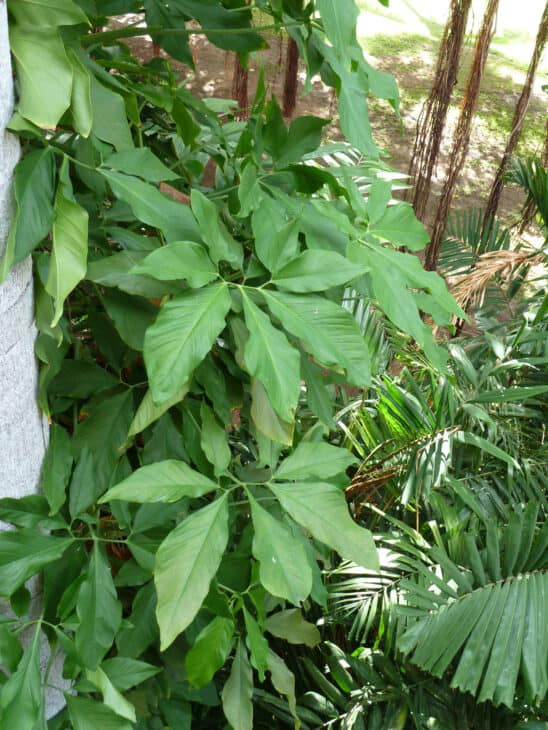
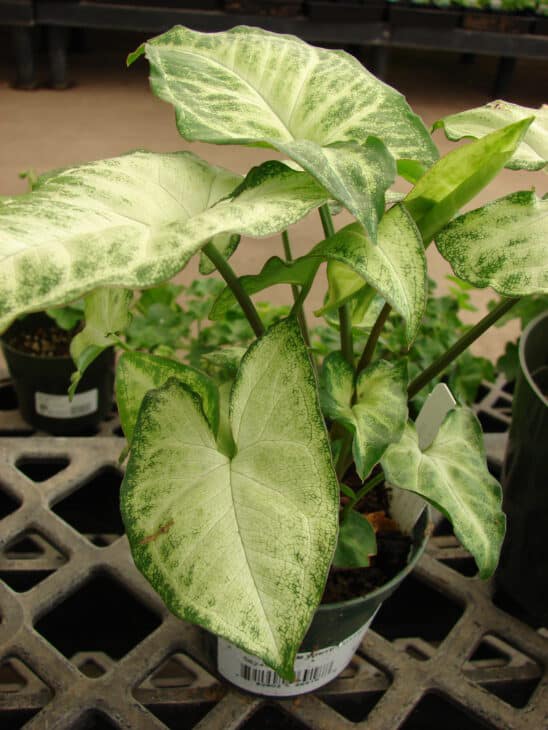
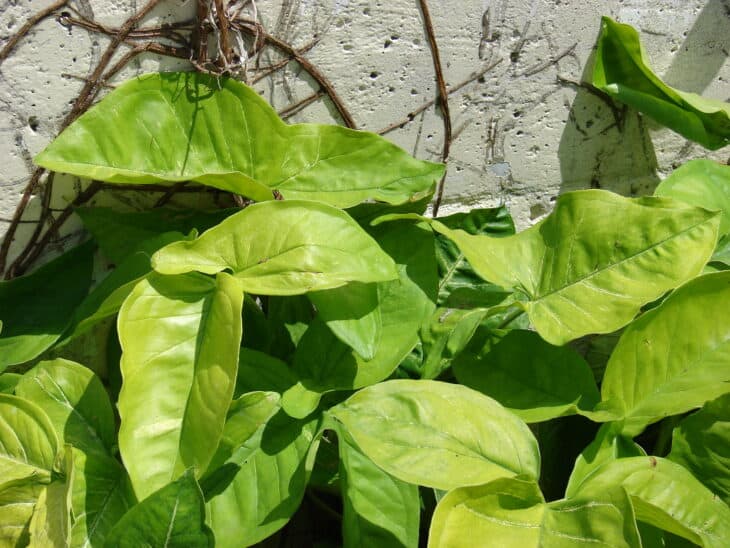
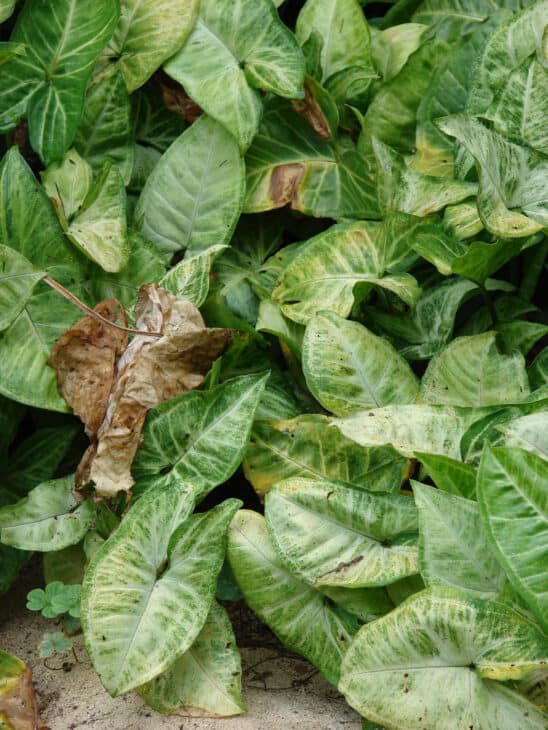
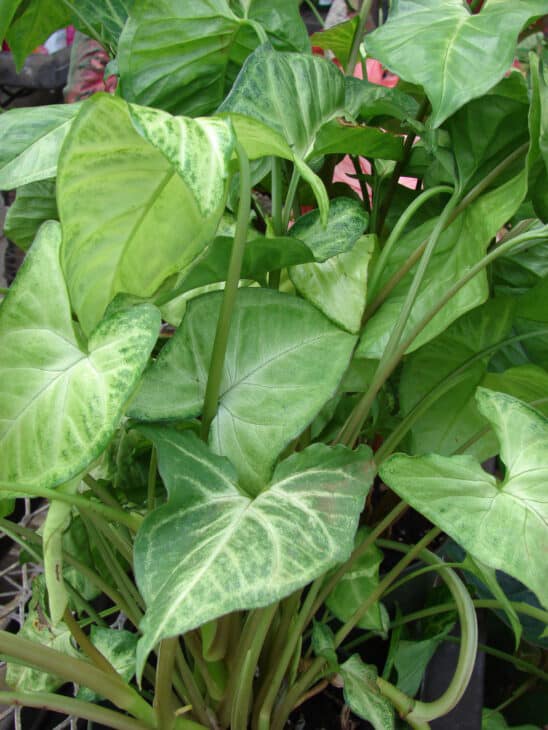
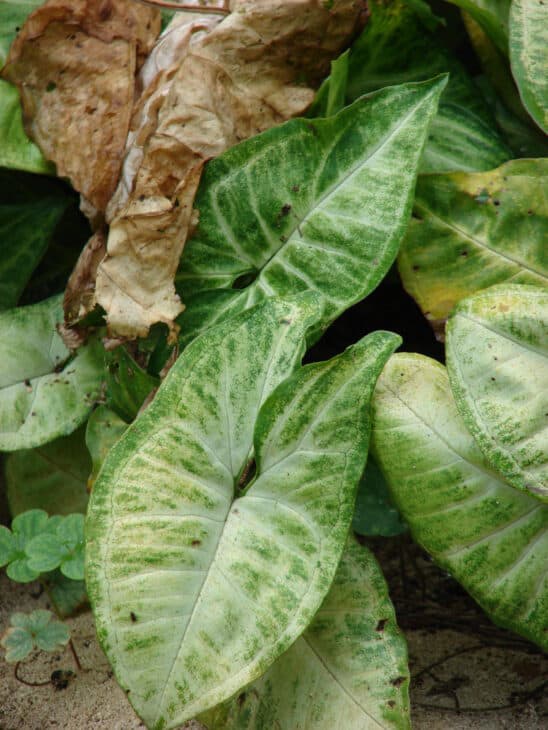
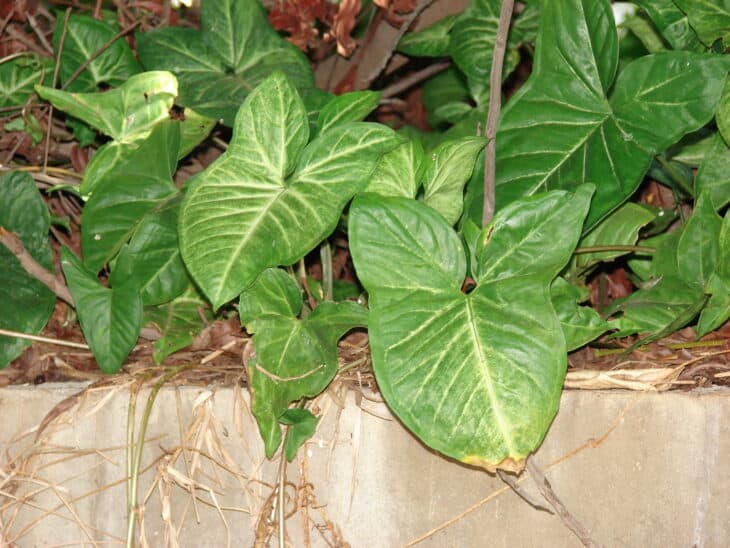
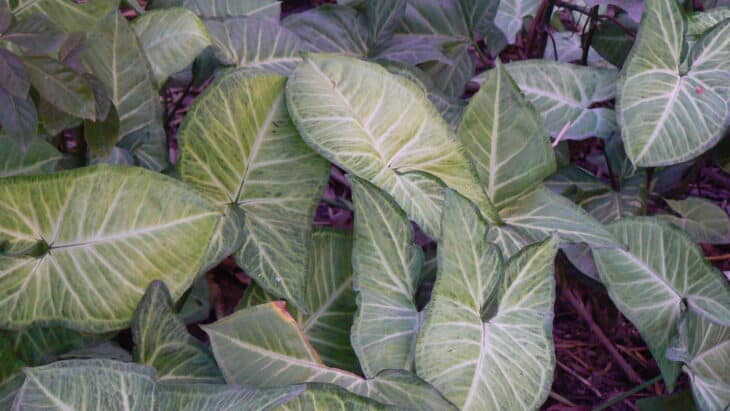
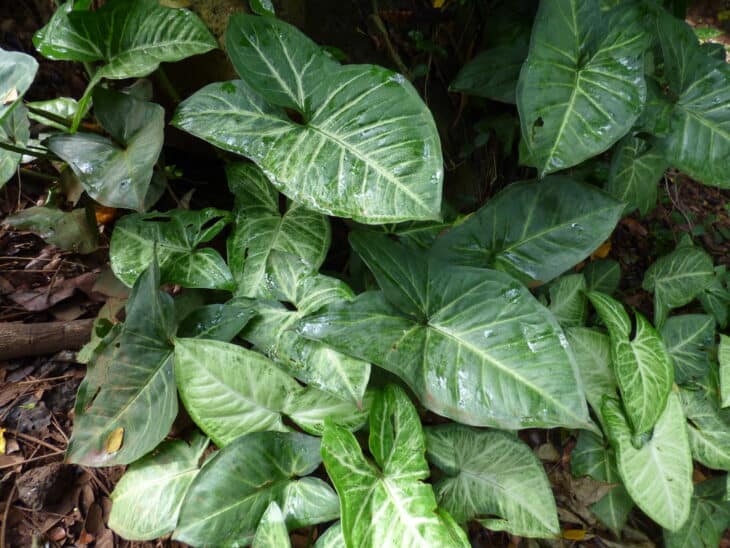
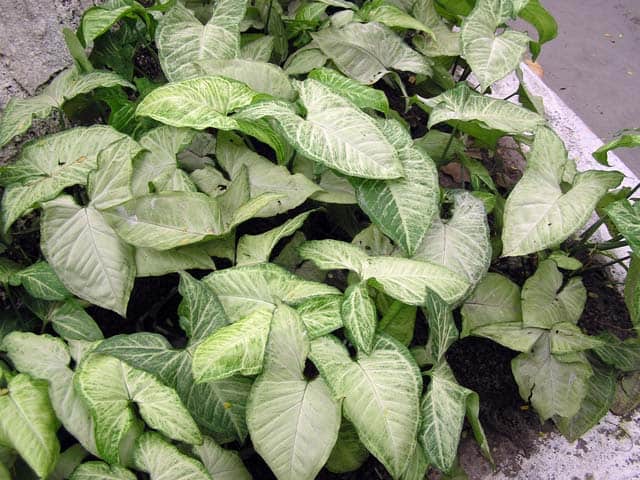
- Leaves are arrowhead shaped and many cultivars show variegation.
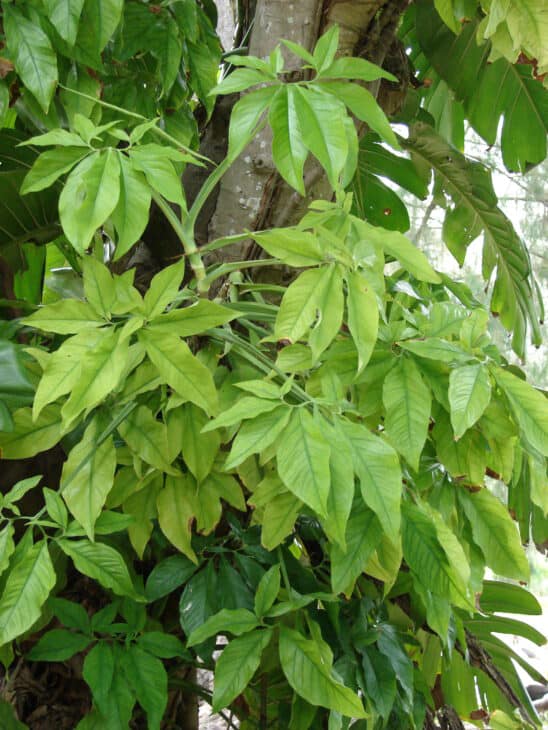
- Grows as a trailing or climbing plant when given support.
- Prefers bright indirect light and evenly moist but well drained soil.
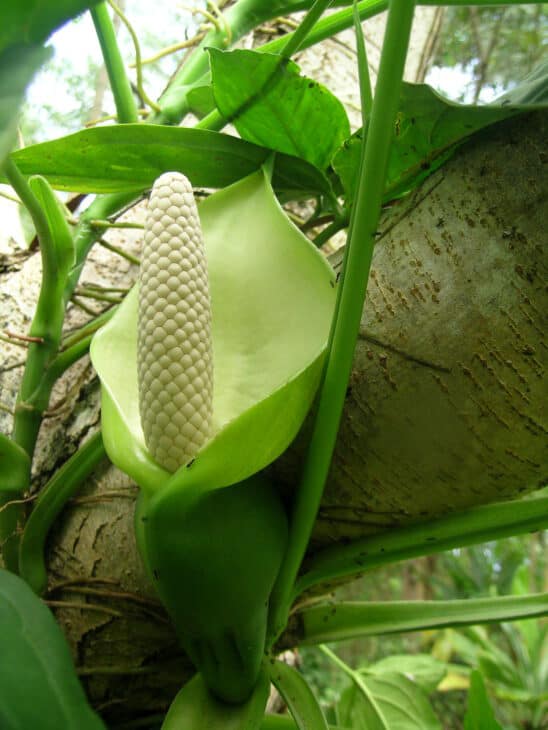
- Rarely flowers when kept as an indoor plant.
- Contains calcium oxalate crystals and is toxic if ingested.
- Easily propagated from stem cuttings or by division.
- Cold sensitive and treated as a houseplant in cooler climates.
Arrowhead is a tropical evergreen climber grown indoors for its arrowhead shaped leaves and many variegated cultivars. It makes a trailing basket or a small climbing specimen but is cold sensitive and toxic if ingested.
Identification
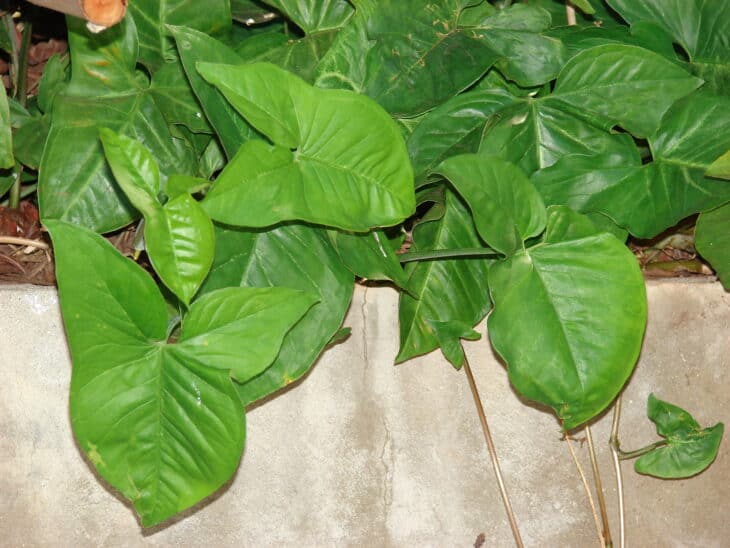
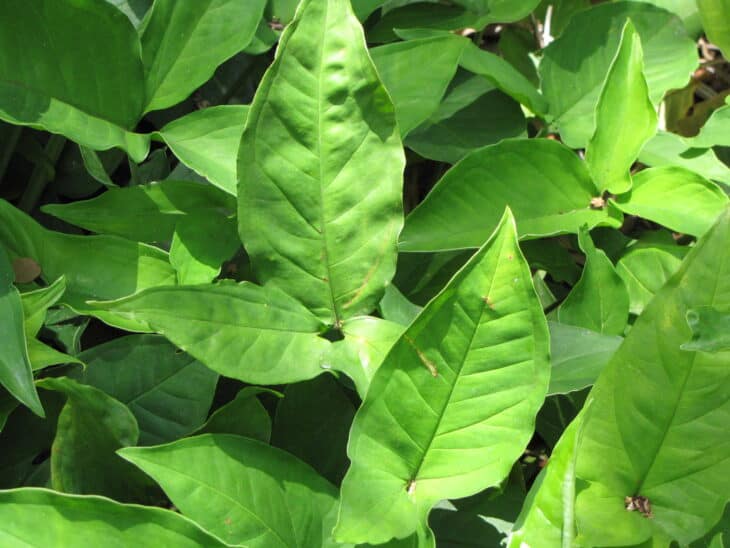
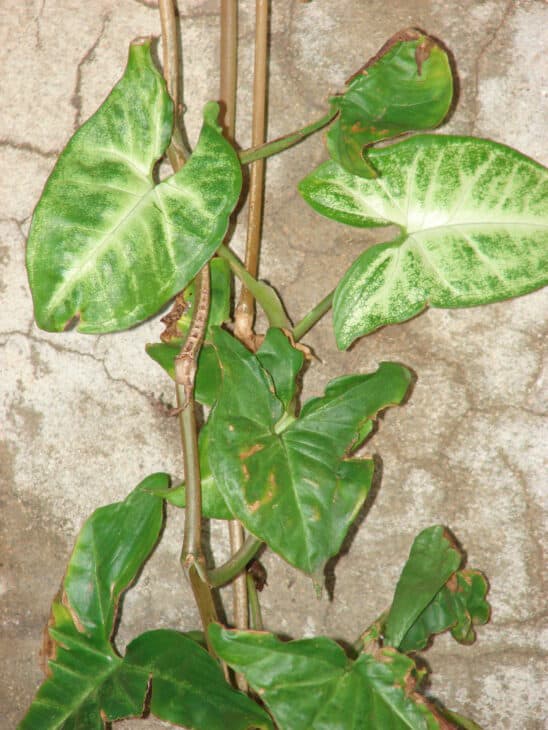
Leaves are arrowhead shaped and many varieties show white, cream or green variegation. As a houseplant it usually reaches 1 to 3 feet tall and spreads similarly, and it will climb higher outdoors when given support.
Light and location
Best kept in bright indirect light to partial shade. Prolonged direct sun can scorch leaves and lower light slows growth and may reduce variegation.
Soil and watering
Use a rich organic potting mix that drains well while holding some moisture. Keep soil evenly moist but not waterlogged because standing wet soil leads to root rot and decline.
Temperature and hardiness
Cold sensitive and treated as a houseplant in cooler climates. Outdoors it is generally suitable in USDA zones 10 to 12 and becomes more vigorous in warm protected sites.
Planting and containers
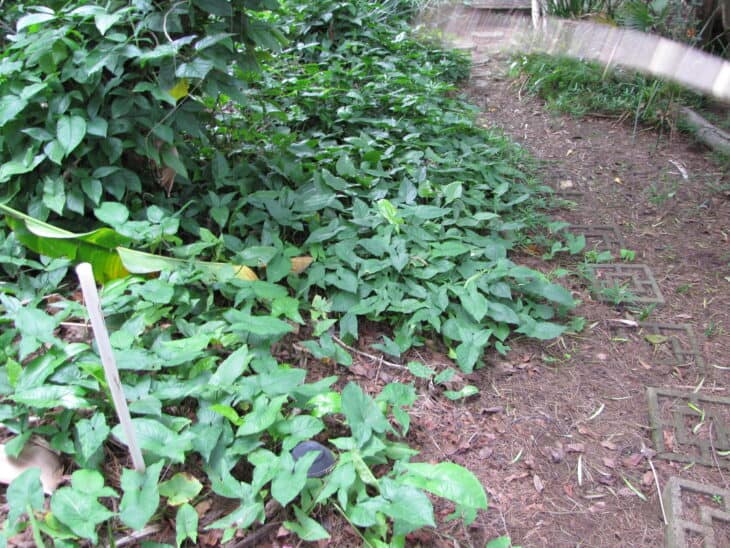
Grows well in pots, hanging baskets or trained on a moss pole. Potted plants typically spread about 1 to 3 feet so allow that room in containers and remove or repot when roots crowd the pot.
Propagation and pruning
Easily propagated from stem cuttings placed in water or in potting mix, by division of clumps, or by air layering on larger vines. Prune back stems to control size and to encourage bushier growth.
Blooming and after flowering care
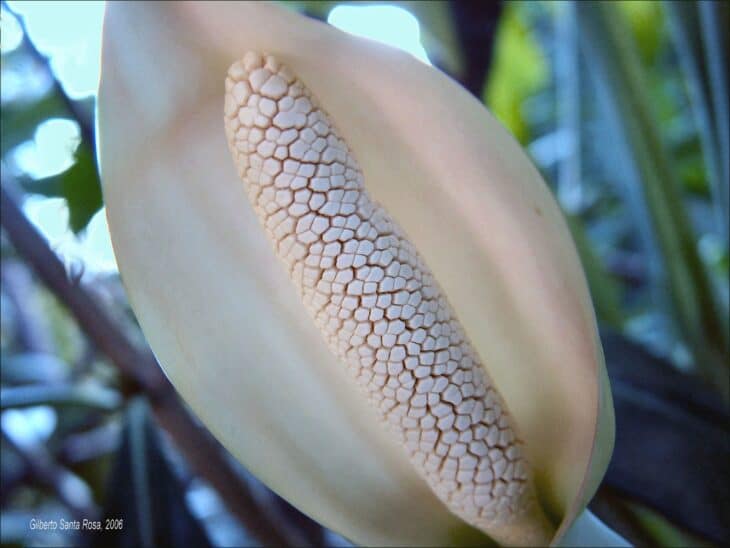
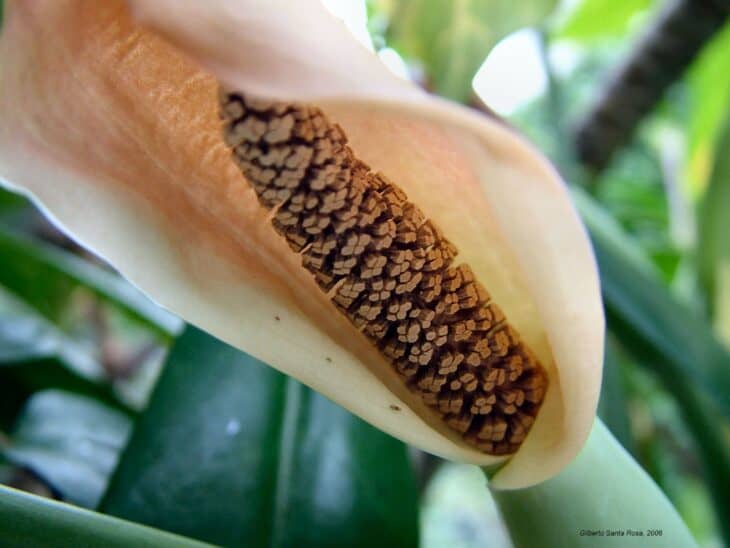
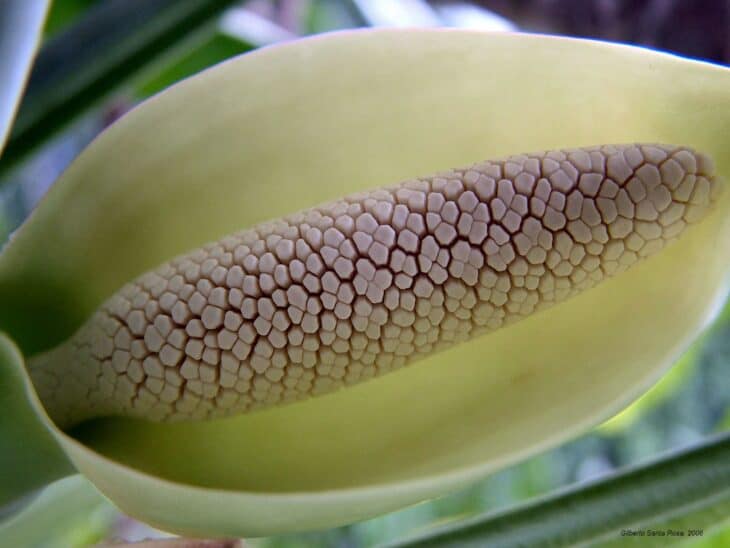
Flowers are rare on indoor specimens and are small aroid inflorescences when they occur. There is no special after flowering care beyond normal pruning and regular moisture management.
Toxicity and safety
Contains insoluble calcium oxalate crystals and is toxic if ingested. Ingestion causes oral irritation drooling and vomiting and the sap can irritate skin. Keep plants away from pets and small children and wash hands after handling.
Common problems and control
Overwatering is the main cause of decline because it causes root rot. Loss of variegation often signals too little light. Control size by pruning or by keeping plants in containers rather than in ground plantings.
Frequently asked questions
- How fast does Arrowhead grow?
- Growth rate varies with light temperature and moisture. In bright indirect light and warm conditions it produces new leaves regularly and reaches the typical houseplant size of 1 to 3 feet more quickly than in low light.
- Is Arrowhead toxic to pets?
- Yes. It contains calcium oxalate crystals that cause oral irritation drooling and vomiting and it can irritate skin. Keep it out of reach of cats dogs and children.
- Can Arrowhead be grown outdoors?
- Yes in warm climates. Outdoors it performs year round in USDA zones 10 to 12 and can climb higher when given support. In cooler zones keep it in containers and bring it indoors before cold weather.
- How do I propagate Arrowhead?
- Take stem cuttings with at least one node and root them in water or a free draining potting mix. Division and air layering are effective for larger plants.
- Will my Arrowhead flower indoors?
- It rarely flowers when kept as an indoor plant. Mature specimens in tropical outdoor conditions are more likely to produce aroid inflorescences.
Gallery
Related Plants


Mentioned In (2)
Plants
21 Poisonous Plants in Wisconsin
Wisconsin has an abundant variety of flora, and summer is a great time to explore it all! If you love…

Plants
24 Poisonous Plants in Florida
When we think about plants, we usually think about how magnificent and beautiful they are. They are a source of…