
Key Facts
- Evergreen perennial grown commonly as a houseplant.
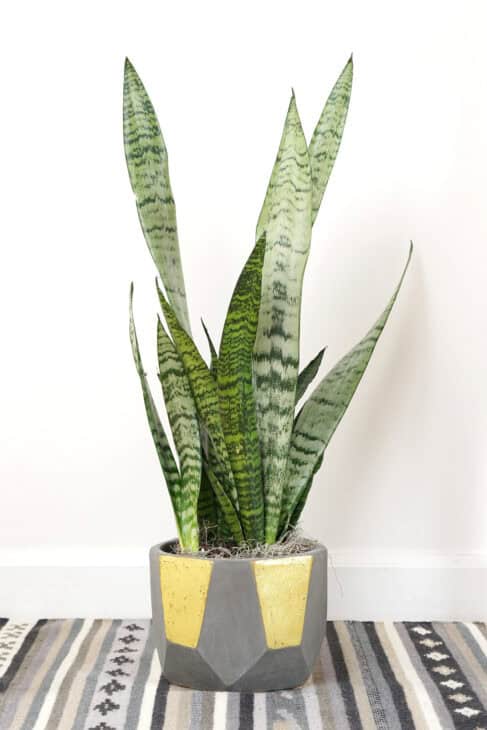
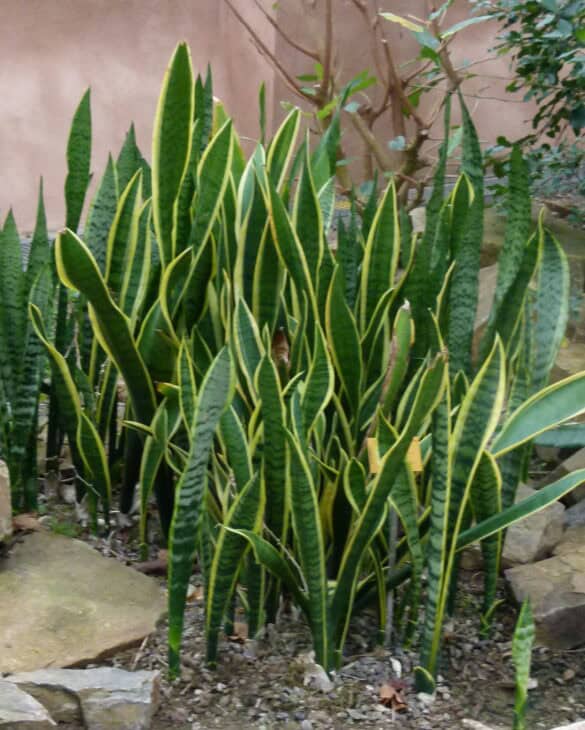
- Forms upright, stiff, swordlike leaves in clumping rosettes.
- Tolerant of low light but grows faster in bright indirect light.
- Prefers well draining soil and is susceptible to root rot in waterlogged conditions.
- Drought tolerant and tolerates missed waterings.
- Propagation is by division, rhizome offsets and leaf cuttings.
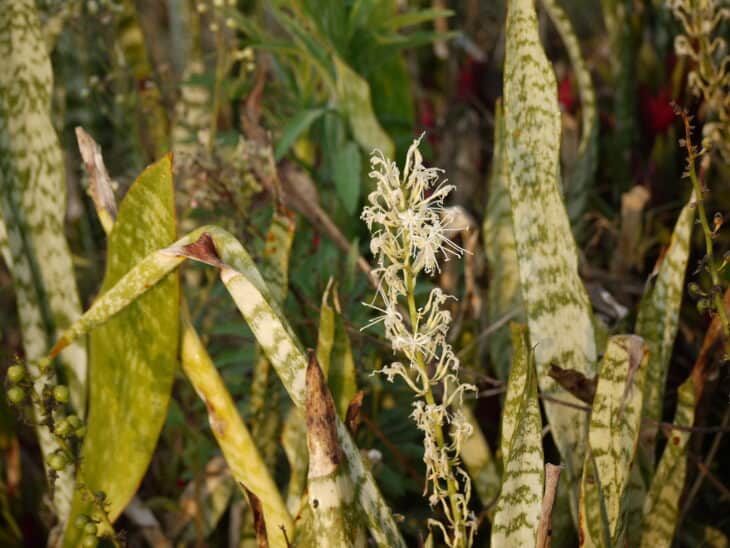
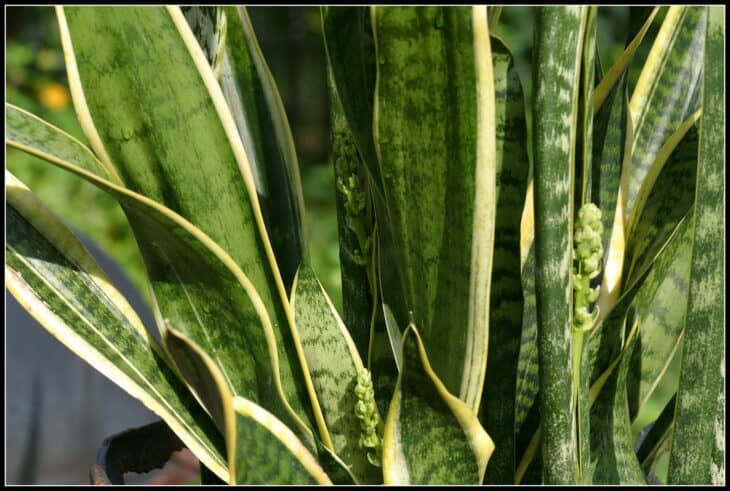
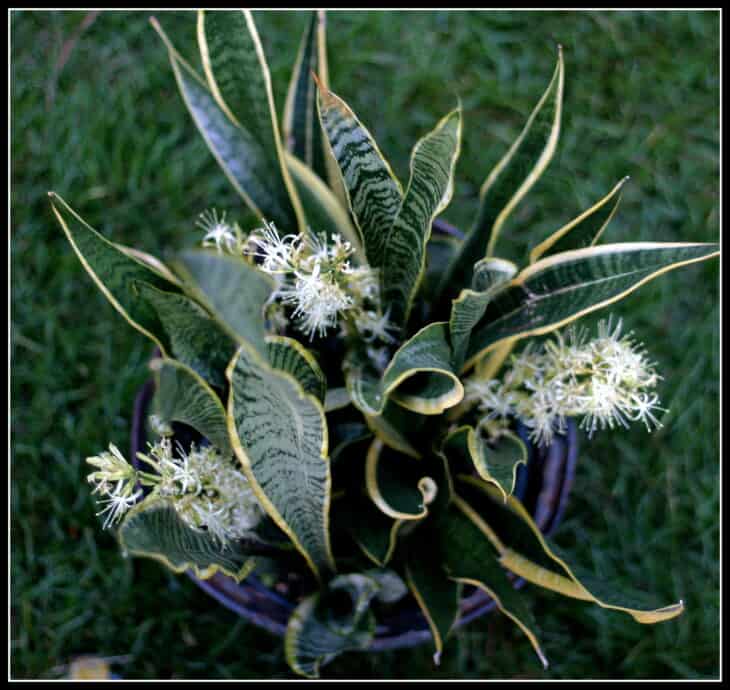
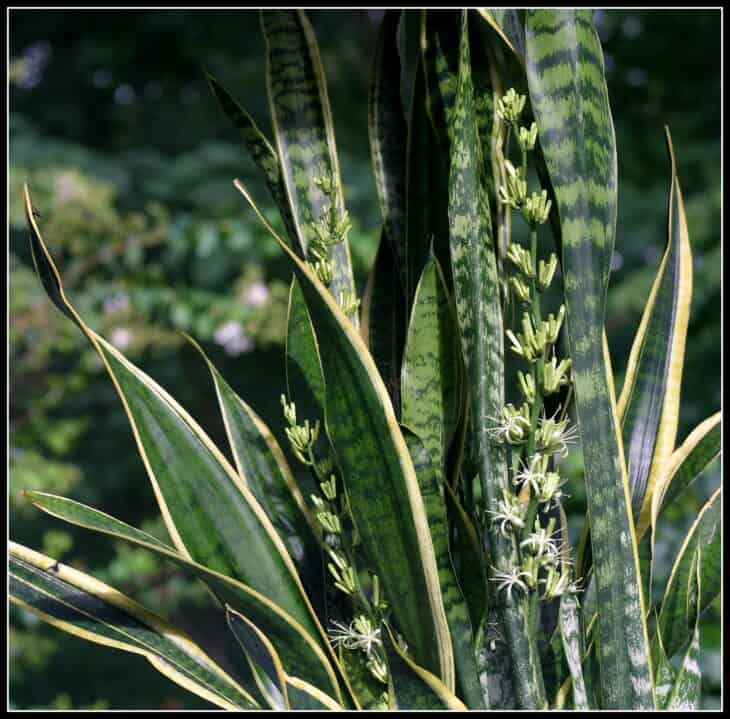
- Can produce small fragrant white or greenish flowers but flowering is uncommon indoors.
- Toxic to cats and dogs if ingested.
Snake Plant is an evergreen perennial often grown as an easy care houseplant. It forms upright, stiff swordlike leaves in clumping rosettes and tolerates low light while growing faster in bright indirect light.
Identification
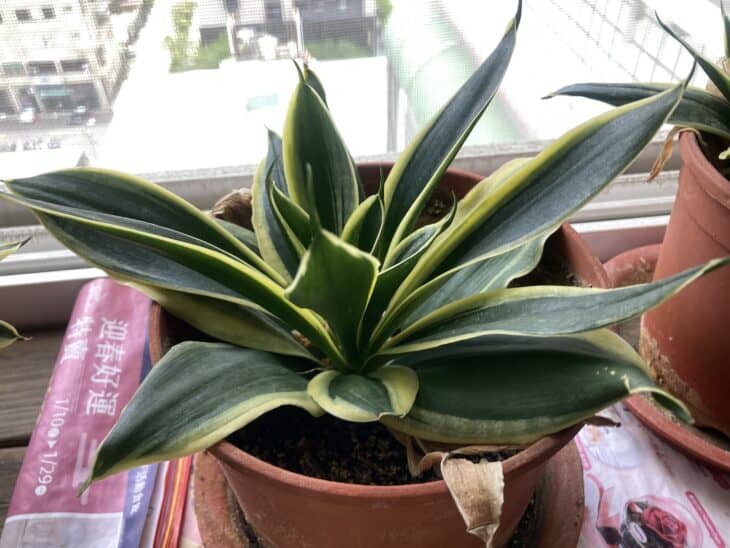
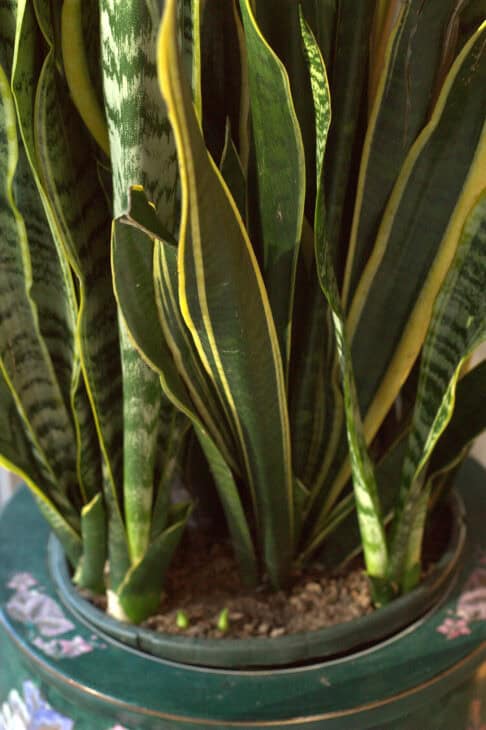
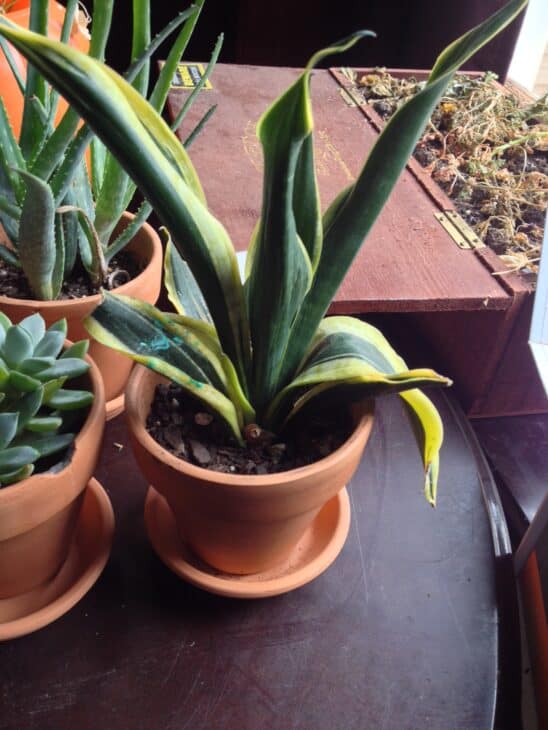
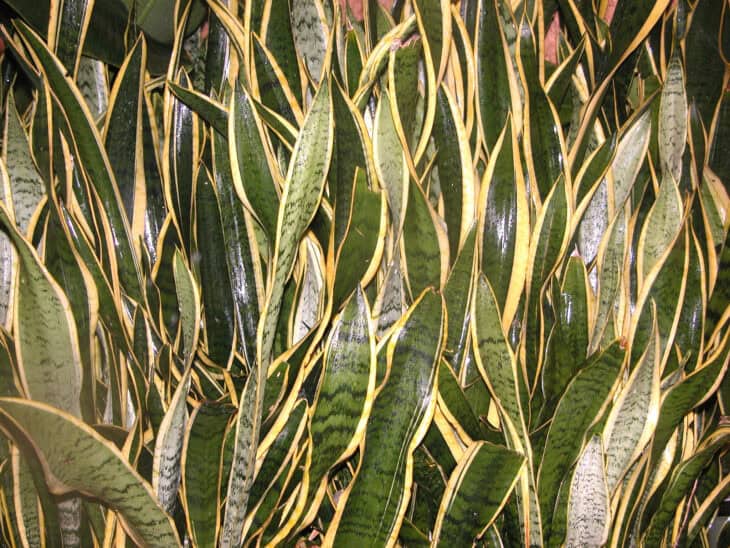
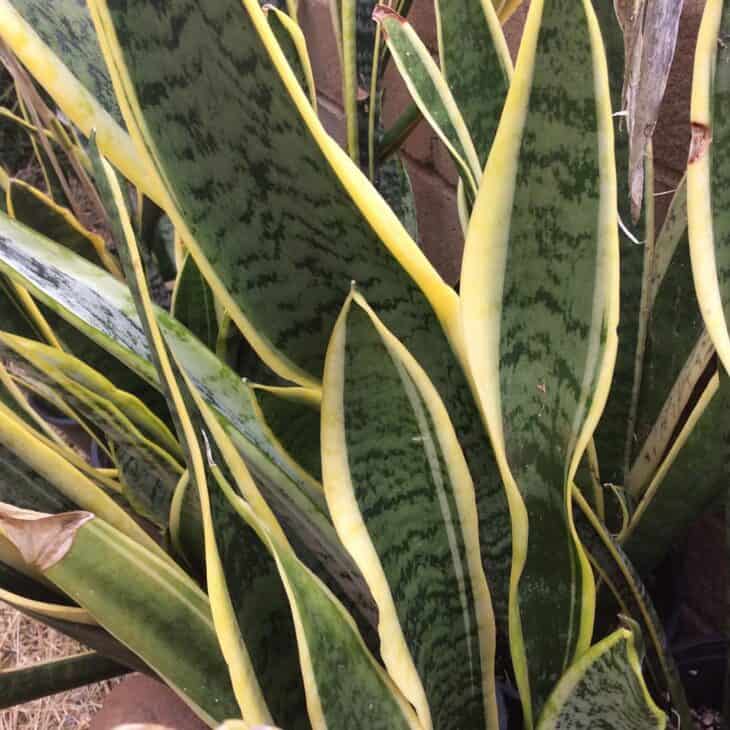
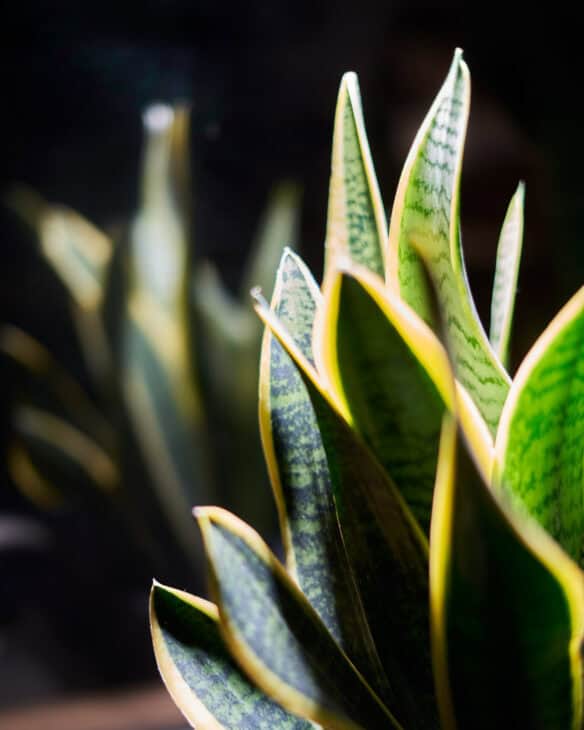
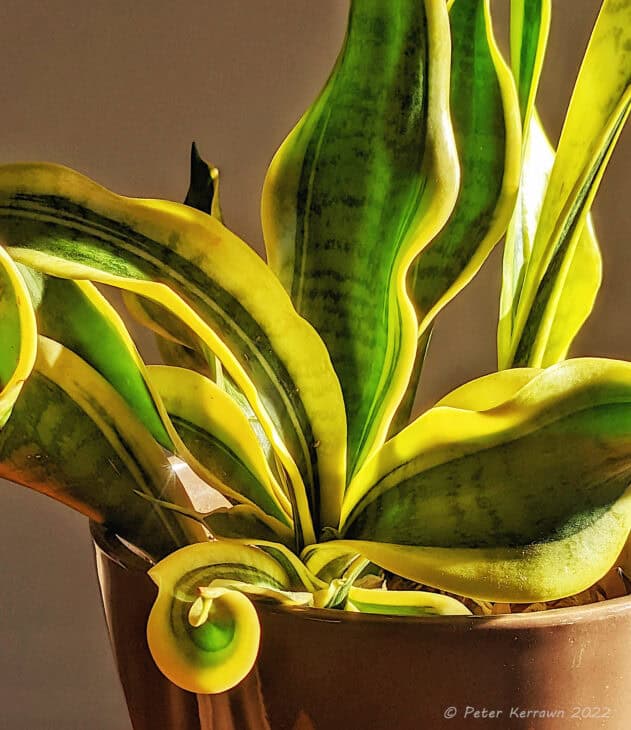
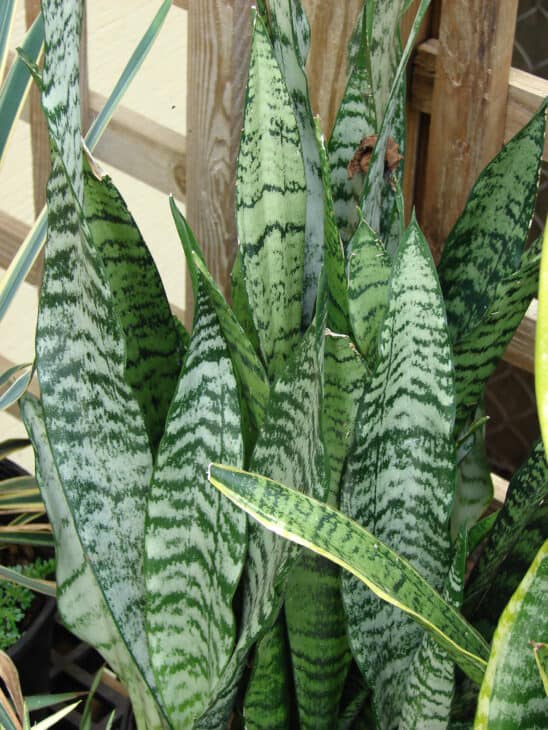
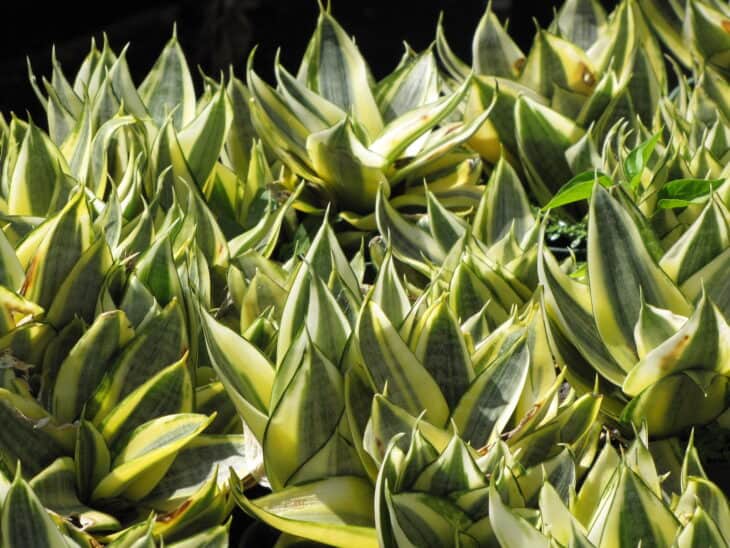
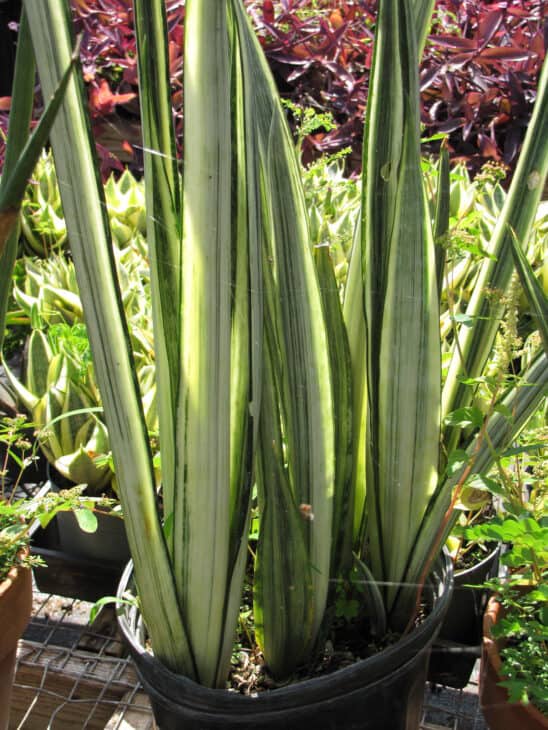
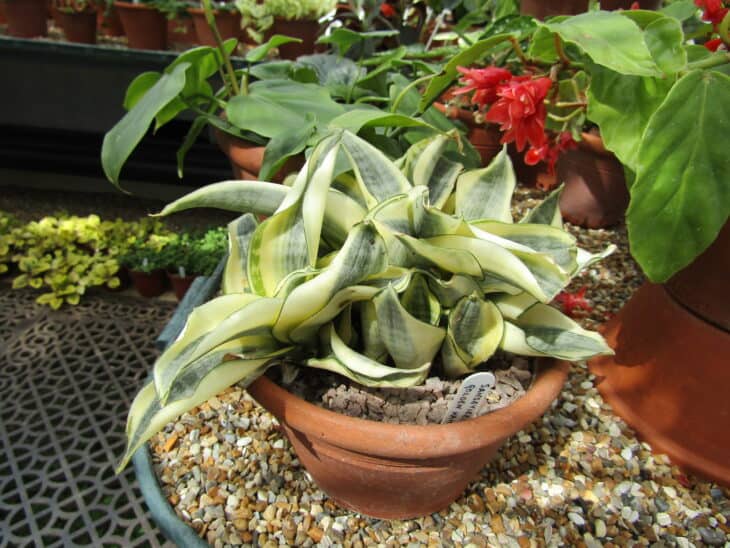
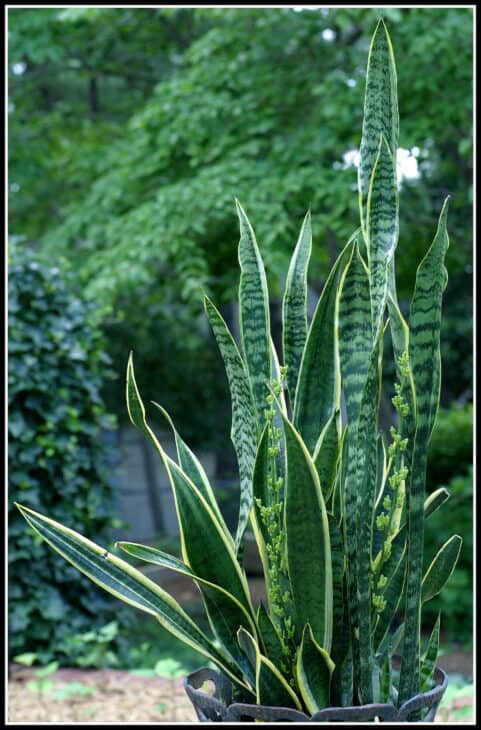
Upright, stiff leaves emerge from a clumping base. Leaves are sword shaped and may be plain green or banded depending on the cultivar. Plants make rhizomes and produce offsets that enlarge the clump over time.
Where to grow and best uses
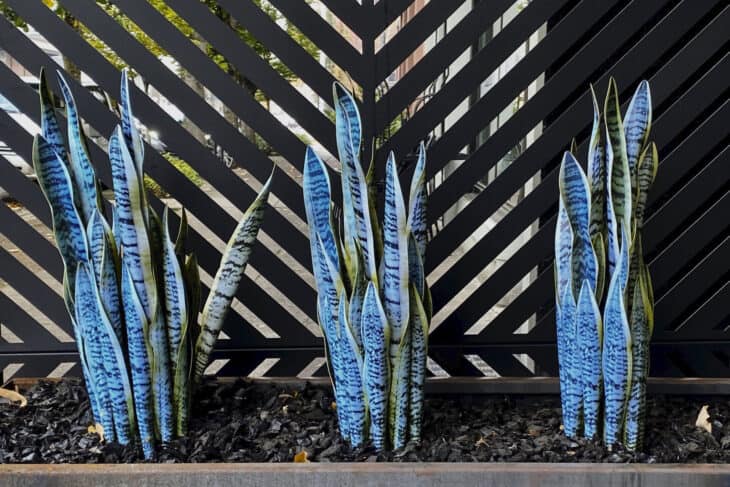
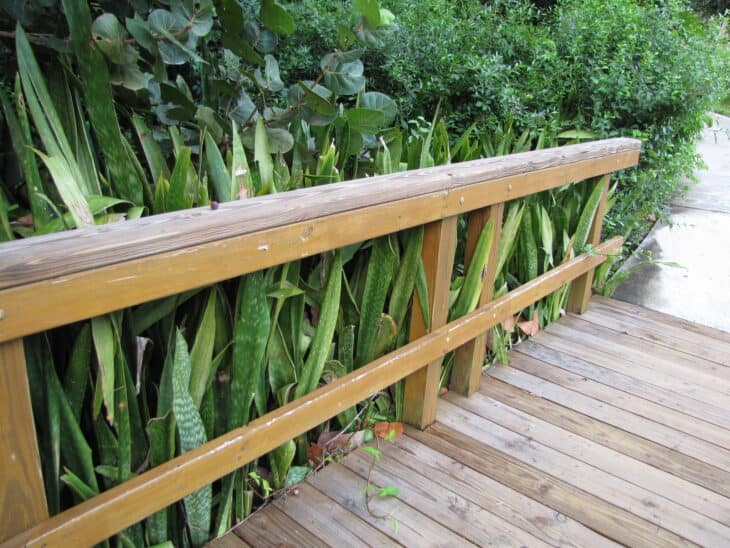
Commonly used as an indoor plant and in containers on porches. In warm climates it can be planted outside year round in USDA zones 9 to 11. In cooler areas keep as a houseplant or move containers indoors for winter.
Soil and watering
Use a well draining sandy to loamy mix. Plants are prone to root rot in waterlogged soil. Allow the top layer of soil to dry between waterings. Missed waterings are tolerated but persistent wet soil leads to soft yellow leaves and crown failure.
Light and placement
Tolerates low light but performs best in bright indirect light. Low light slows new leaf production and results in a smaller, less vigorous clump. Avoid prolonged saturation combined with low light which increases risk of rot.
Planting depth spacing and containers
Plant so the crown sits at soil level. Space clumps about 30 to 90 cm 1 to 3 ft apart when planting in the landscape. In pots choose a mix that drains quickly and a container that gives room for rhizomes if you want a larger clump.
Propagation and maintenance
Propagate by dividing the clump and separating rhizome offsets for true to type plants. Leaf cuttings will root but may vary from the parent. Divide crowded clumps to control spread and refresh potting mix every few years.
After flowering care
Flowering is uncommon for indoor plants. If blooms appear allow them to fade then remove the spent stalk and continue normal watering and light. Flowering does not require special care to follow.
Spread control and landscape impact
The species spreads by rhizomes and can form larger clumps over time. Contain spread with containers or by periodically removing offsets. It is not listed here as an invasive plant but clumping can be vigorous in warm sites.
Toxicity
Contains compounds that are toxic to cats and dogs if ingested. Pets may develop vomiting and diarrhea. Skin contact can cause mild irritation in some people. Contact poison control or a veterinarian for exposures.
Frequently asked questions
- How fast does Snake Plant grow?
- Growth is generally slow to moderate and depends on light and container size. Plants grow faster in bright indirect light and more slowly in shade.
- Is Snake Plant safe for pets?
- No. The plant is toxic to cats and dogs if eaten and can cause gastrointestinal upset.
- How often should I water?
- Water only after the top layer of soil has dried. The plant tolerates missed waterings and is more damaged by overwatering than drought.
- Can I grow it outdoors?
- Yes in frost free climates within USDA zones 9 to 11. Outside that range keep plants in containers and move them indoors for cold weather.
- How do I propagate it?
- Divide the clump and separate rhizome offsets for true to type plants. Leaf cuttings will root but may not match the parent plant exactly.
Gallery


Related Plants


Mentioned In (4)

Plants
The Best Types of Snake Plant for Your Garden
Walk into almost any plant shop and you will find a snake plant, but the one on the shelf may…

Plants
10 Plants That Look Like Chinese Evergreen
When it comes to indoor plants, few make such a striking impression as a Chinese evergreen. Also known as Philippine…

Plants
25 Poisonous Plants in Illinois
Want to increase your knowledge of the poisonous plants in Illinois? The Prairie State is home to a large variety…

Plants
21 Poisonous Plants in Wisconsin
Wisconsin has an abundant variety of flora, and summer is a great time to explore it all! If you love…