
Key Facts
- Perennial groundcover that spreads by underground rhizomes.
- Produces fragrant, nodding white bell flowers in spring.
- Forms a low basal clump of glossy leaves.
- Can form dense colonies and be locally aggressive.
- All parts of the plant are poisonous if ingested.
- Prefers shady, woodland style plantings.
- Low maintenance once established.
Lily of the Valley (Convallaria majalis) is a low, shade tolerant perennial groundcover prized for fragrant white, nodding bell flowers in spring. It spreads by underground rhizomes and can form dense colonies that are attractive in woodland style plantings but require monitoring.
Identification
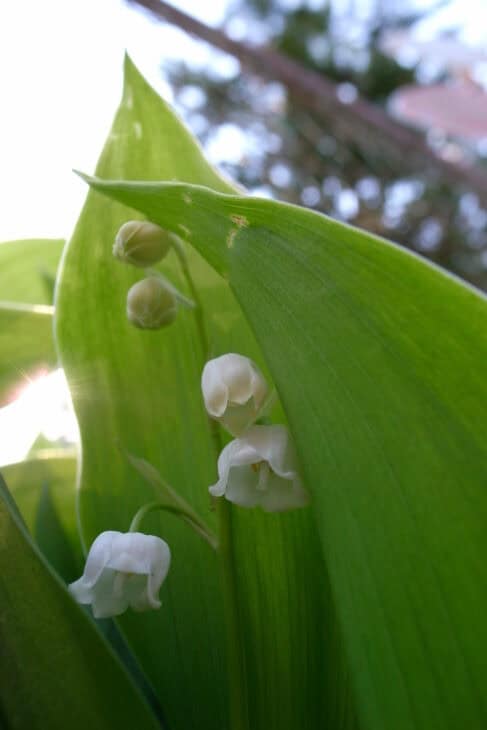
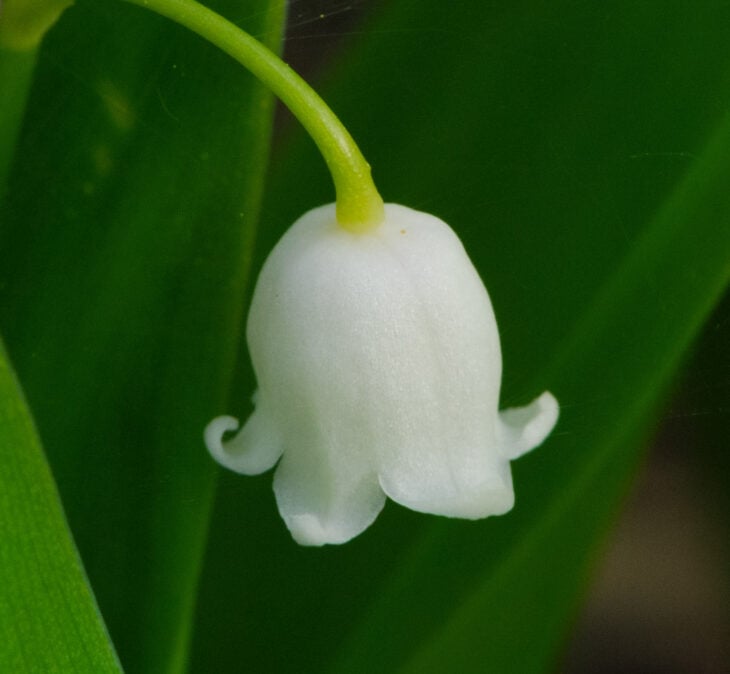
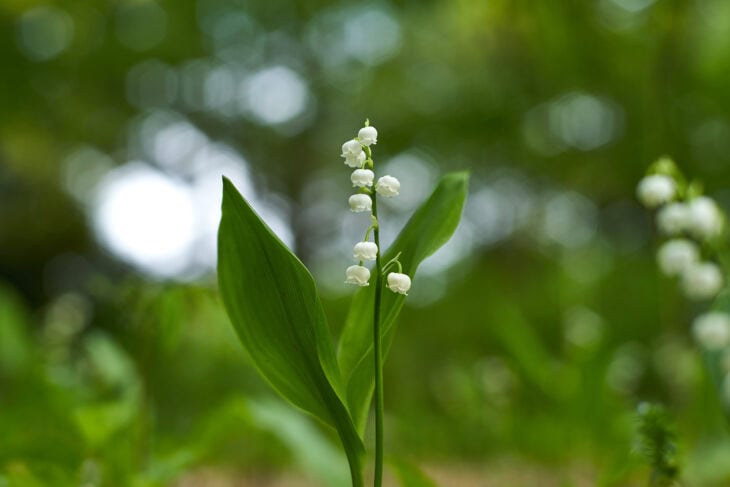
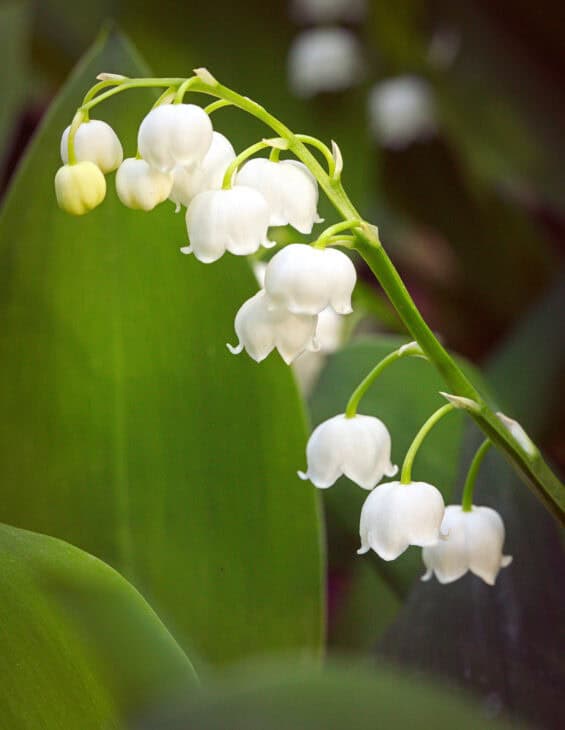
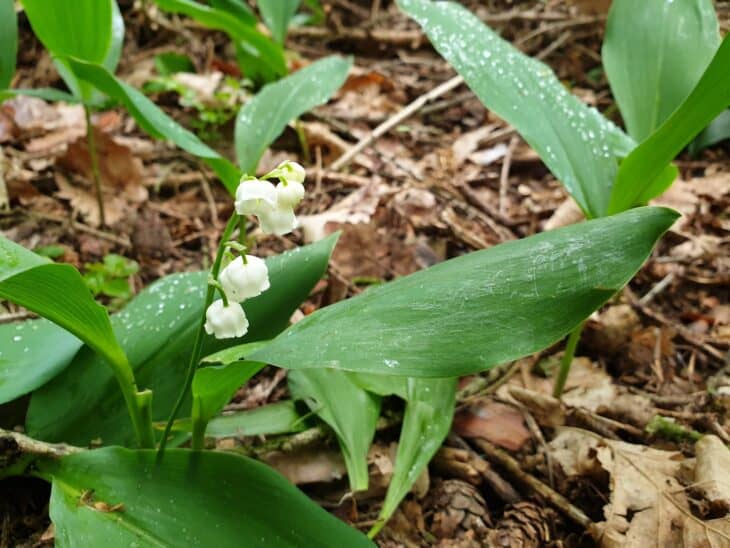
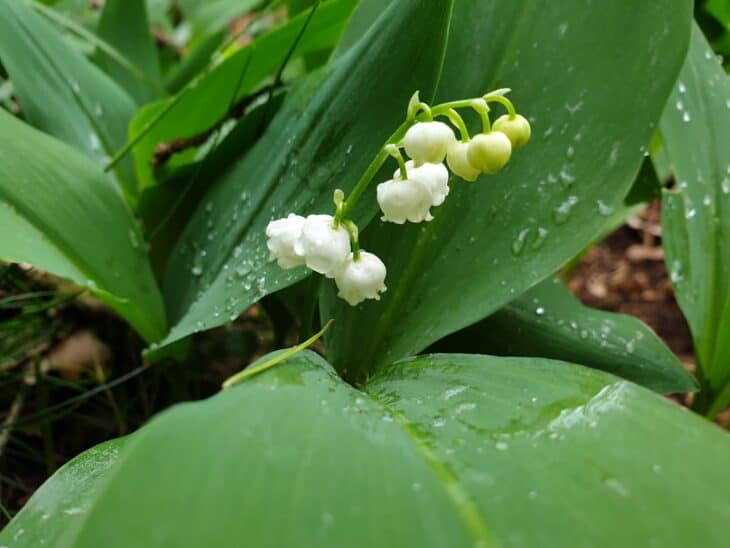
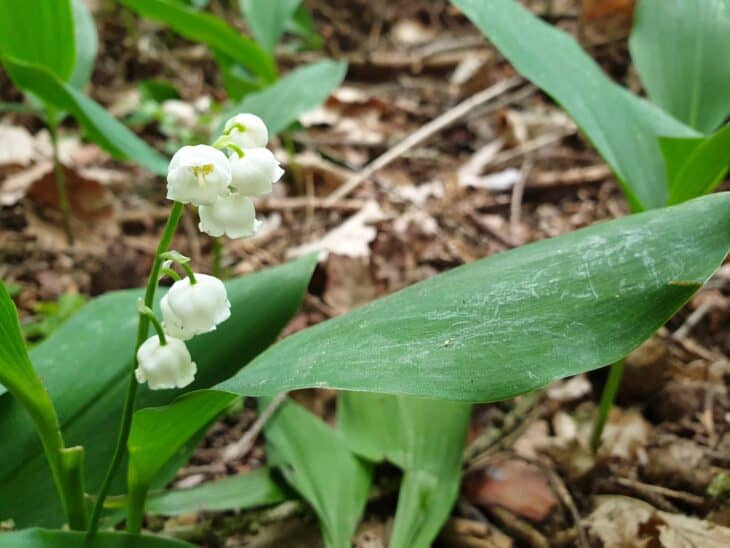
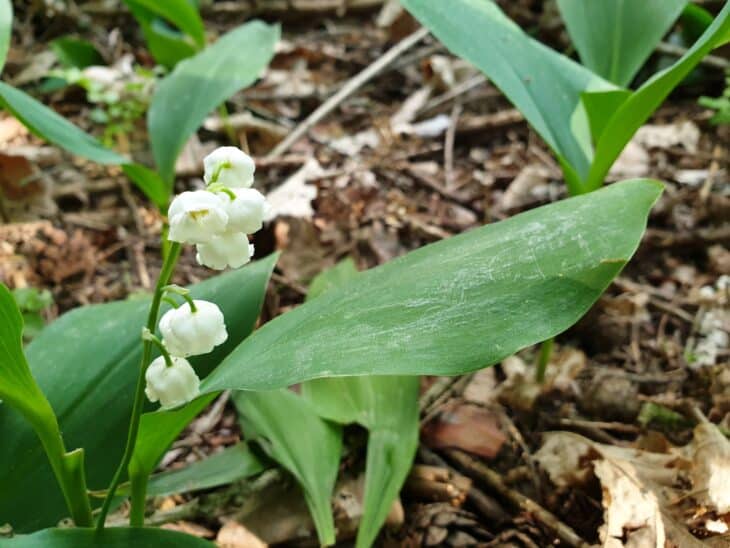
Glossy basal leaves form a low clump about 6 to 12 inches tall. Flower stalks rise above the leaves in spring with small, fragrant white bells. All parts of the plant are poisonous if ingested.
Best uses and where to grow
Use Lily of the Valley as a shaded groundcover beneath trees or in a woodland border where a low, carpeted look is wanted. It performs best in partial to full shade and tolerates dappled sun or morning sun in cool climates. Reported hardiness ranges from USDA zone 2 to 9 with some sources listing zones 3 to 8 so check local recommendations for your area.
Planting and propagation
Propagate by dividing rhizomes in fall or spring for fastest establishment. Divisions can be spaced roughly to match the plant’s natural spread which commonly reaches 12 to 24 inches or wider as colonies form. Seed is possible but slow and less reliable for quick groundcover.
Soil and watering
Grow in moist, humus rich, well drained soil. The plant tolerates heavier soils but poor drainage can cause rot and drought reduces flowering. Adding organic matter helps maintain consistent moisture and supports reliable blooms.
Bloom and seasonal notes
Flowers appear in spring, typically April to May in the Northern Hemisphere. After flowering the clump remains a low mass of leaves and is low maintenance once established.
Managing spread and control
Lily of the Valley spreads by creeping rhizomes and can be locally aggressive, forming dense patches that crowd out other plants. Control by digging and dividing clumps in fall or spring and by removing unwanted runners. Consider border edging or containers where spread needs to be limited.
Safety and toxicity
All parts of Lily of the Valley contain cardiac glycosides and are poisonous to people and pets. Handle plants and soil with care around children and animals and seek immediate medical or veterinary help if ingestion is suspected.
Frequently asked questions
- How fast does Lily of the Valley grow?
- It spreads gradually by underground rhizomes and can form dense colonies over several seasons. Typical mature spread is about 12 to 24 inches or wider as colonies establish.
- When should I divide Lily of the Valley?
- Divide rhizomes in fall or spring to expand plantings or reduce crowded patches.
- Can I plant Lily of the Valley in sun?
- It prefers partial to full shade but will tolerate some morning sun in cooler climates.
- What kind of soil does it need?
- Moist, humus rich and well drained soil is best. Too little moisture reduces flowering and poor drainage can cause rot.
- Is Lily of the Valley invasive?
- It can be locally aggressive because of rhizome spread. Use control measures such as dividing, digging out runners, or growing in containers when needed.
Gallery
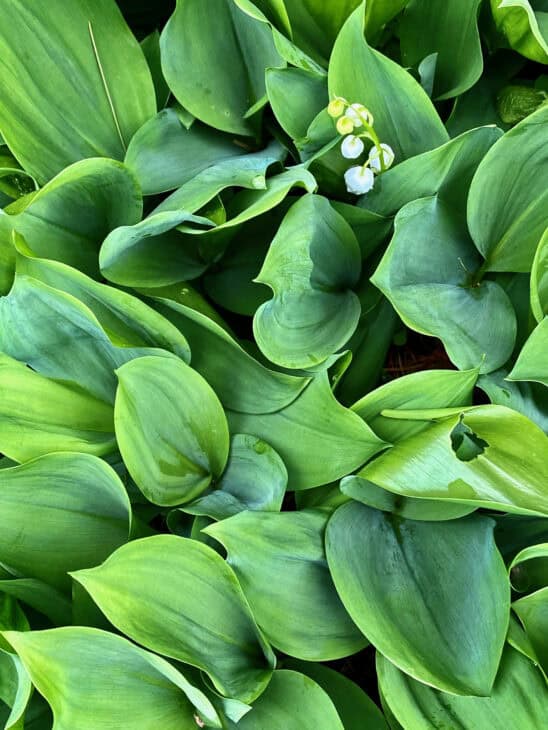
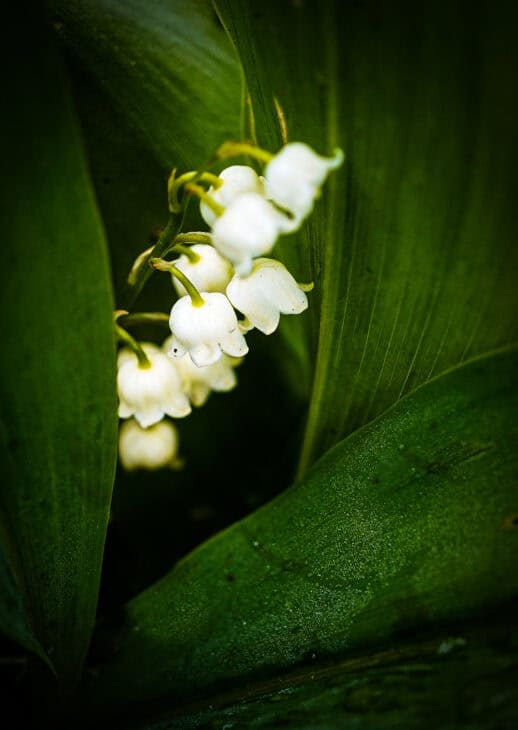
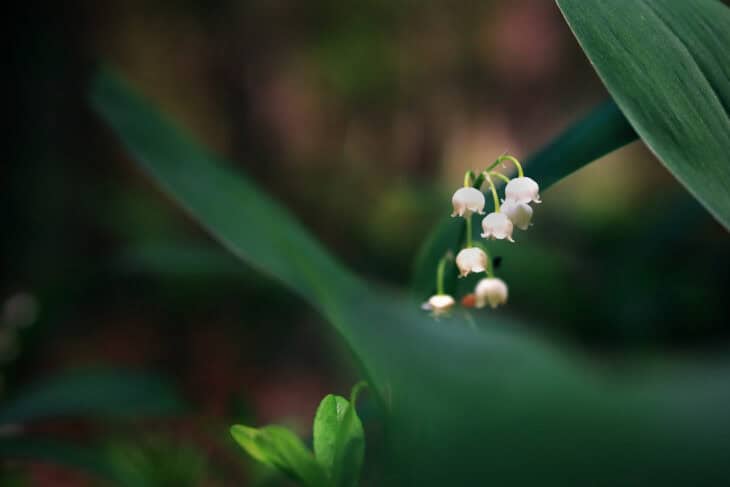
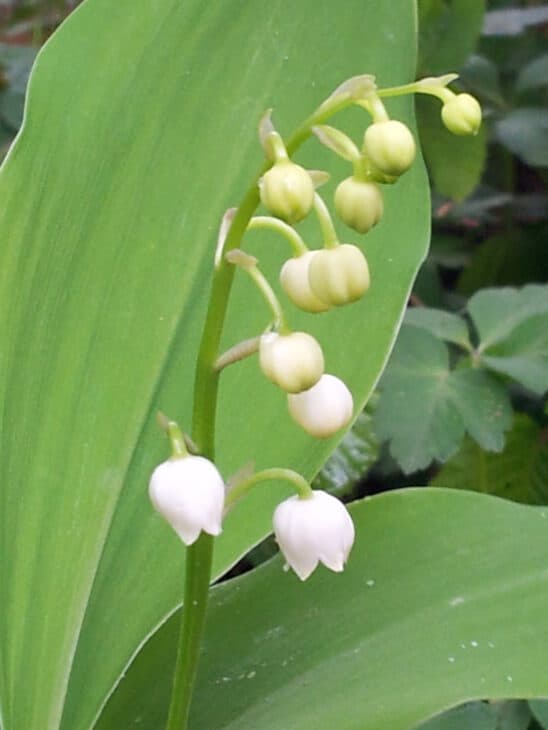
Related Plants


Mentioned In (11)

Plants
10 Plants That Look Like Bells
Bell-shaped flowers add graceful elegance to any garden, and they appear across a surprisingly wide range of plants—from delicate spring…

Plants
25 Poisonous Plants in Massachusetts
There are a few types of dangerous plants in Massachusetts. Some individuals, especially youngsters and animals, may be drawn to…

Plants
25 Poisonous Plants in North Carolina
North Carolina is home to hundreds of different species of poisonous plants. While some of these plants are more common…

Plants
25 Poisonous Plants in Illinois
Want to increase your knowledge of the poisonous plants in Illinois? The Prairie State is home to a large variety…

Plants
18 Poisonous Plants in Connecticut
Connecticut is home to a few varieties of poisonous plants. Some may look attractive, drawing more people, children, and animals…

Plants
19 Poisonous Plants in Missouri
Accidental poisonings by toxic plants throughout the United States are extremely common, estimated to be about 2 million every year.…

Plants
24 Poisonous Plants in Indiana
There are numerous advantages to having plants around, including the ability to beautify our surroundings while also serving as sources…

Plants
24 Poisonous Plants in Oklahoma
You can find several types of poisonous plants in the state of Oklahoma in a variety of natural landscapes. So,…
Plants
22 Poisonous Plants in Michigan
Known for its beautiful outdoor adventures, tourists and locals love spending their time hiking in Michigan. The weather is always…
Plants
21 Poisonous Plants in Wisconsin
Wisconsin has an abundant variety of flora, and summer is a great time to explore it all! If you love…
Plants
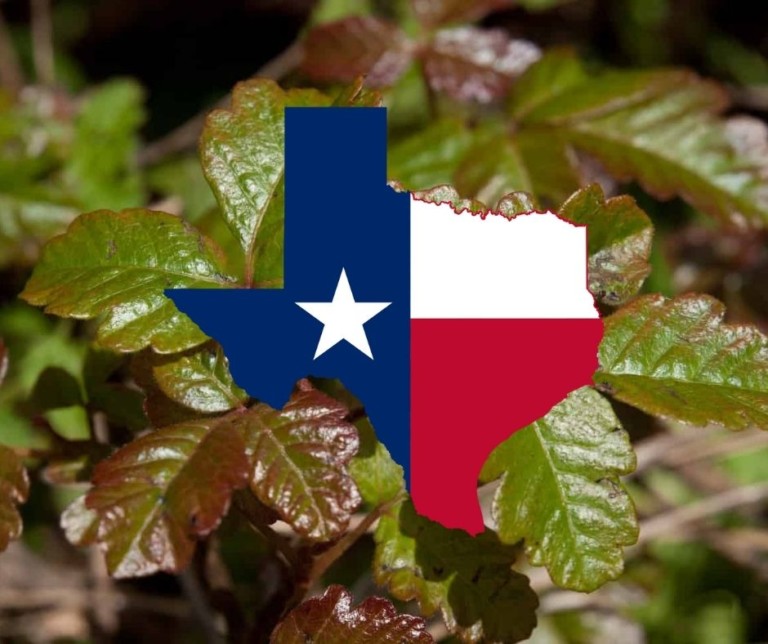
24 Poisonous Plants in Texas
If you live in Texas or are visiting and you love mother nature, be prepared to run into at least…