
Key Facts
- A small herbaceous perennial in the aster family.
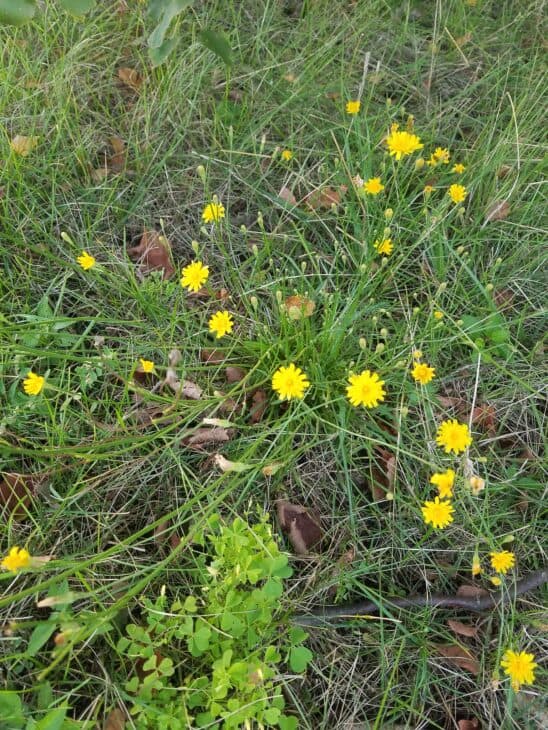
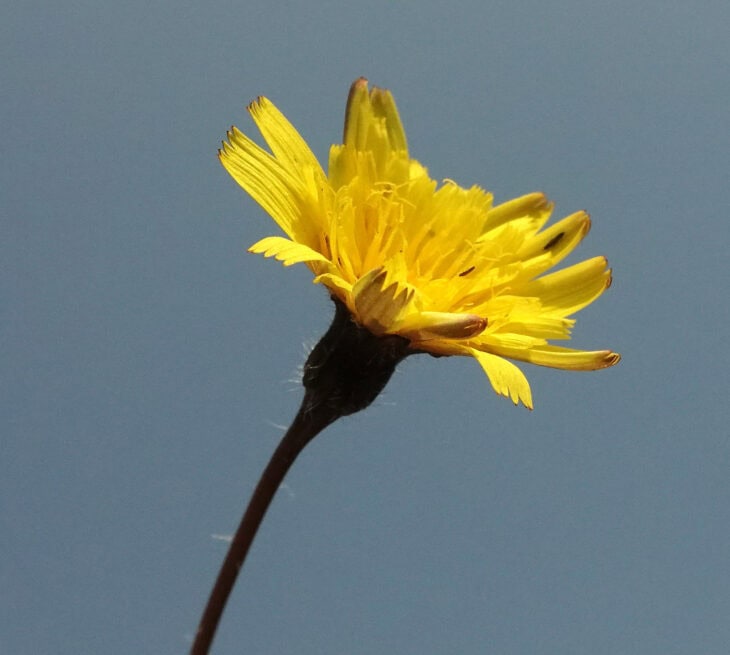
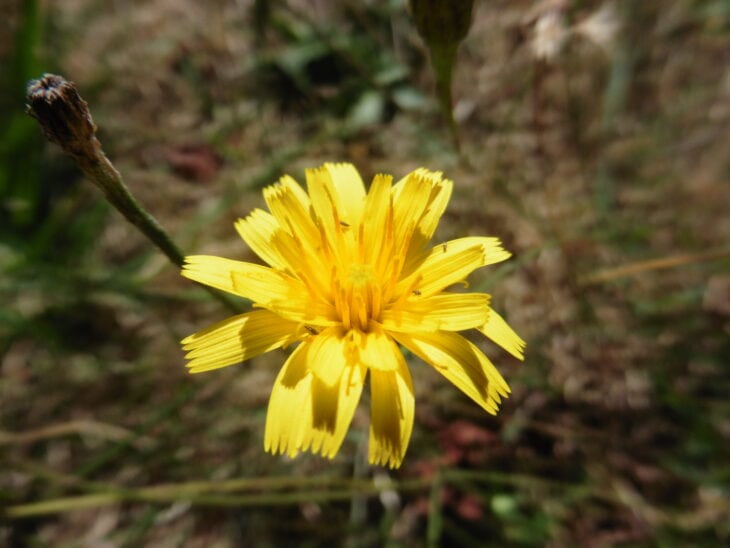
- Produces dandelion-like yellow flower heads in late summer and autumn.
- Forms a basal rosette of toothed or lobed leaves.
- Native to temperate Europe and parts of western Asia and naturalized in other regions.
- Prefers well drained, neutral to slightly acidic soils and open sites.
- Typically grown in meadows, naturalized lawns, and rough grassland.
- Reproduces by seed and by dividing clumps.
- Not widely documented as highly poisonous but verify before use around pets.
Autumn Hawkbit is a compact aster-family perennial that produces dandelion-like yellow flower heads from late summer into autumn. It fits well in meadows, naturalized lawns and rough grassland but performs poorly in waterlogged soil.
Identification
Low basal rosette of toothed or lobed leaves with leafless stems bearing single yellow flower heads that resemble small dandelions. Flowering stems are typically about 10 to 35 cm tall and individual clumps commonly occupy roughly 20 to 30 cm across.
Where to grow and best uses
Use Autumn Hawkbit in meadow mixes, naturalized lawns and dry, open grassland where a low, late-season splash of yellow is wanted. It prefers sunny sites but tolerates some part shade. It is suitable for USDA zones 4 6 with seasonal differences in winter behavior.
Soil and light
Choose well drained, neutral to slightly acidic soils. The plant tolerates poor and dry soils and tends to do better in lean ground than in rich, moisture-retentive soil. Waterlogged conditions reduce flowering and can cause crown rot.
Planting and propagation
Autumn Hawkbit reproduces by seed and by dividing clumps. Sow seed in spring or autumn, or lift and divide established clumps in spring to increase plants or rejuvenate crowded patches. Space new plants roughly 20 to 30 cm apart to allow clumps to form.
Watering and maintenance
In well drained sites little supplementary watering is needed once plants are established. Overwatering or poor drainage leads to reduced flowering and weakened crowns. Remove or deadhead spent flower heads if you want to limit self-seeding, or leave them to encourage naturalizing in meadows and low-maintenance areas.
After flowering
Cut back spent stems to tidy clumps or leave seedheads for wildlife and natural spread. Divide congested clumps in spring to restore vigor and control density.
Spread and control
Autumn Hawkbit forms small clumps rather than spreading by aggressive stolons, but it does set seed and can naturalize in suitable grassy areas. Control spread by mowing a naturalized lawn, removing seedheads before they disperse or by pulling seedlings where they are unwanted.
Frequently asked questions
- How fast does Autumn Hawkbit grow?
- It establishes as a low clump and expands by seed and by dividing crowns. Rate of spread varies with site and management and it is not known as an aggressively fast grower.
- When does Autumn Hawkbit bloom?
- It flowers in late summer into autumn. Exact months vary by climate and latitude.
- What soil does it prefer?
- Well drained, neutral to slightly acidic soils. It tolerates poor and dry soils but dislikes waterlogged ground.
- Is it hardy?
- Yes. Typical cultivation notes place it in USDA zones 4 to 8. In colder areas plants usually die back to the crown over winter and re-sprout in spring.
- Can it be used in lawns?
- Yes. It suits naturalized lawns and meadow strips where a low, late-season flower is welcome. Manage by mowing or removing seedheads if needed.
- Is Autumn Hawkbit poisonous to pets?
- Toxicity information is limited. It is not widely listed as highly poisonous, but verify with local poison control or your veterinarian before planting where young children or pets have access.
Gallery
Related Plants


Mentioned In (1)

Plants
7 Plants That Look Like Dandelions – Can You Distinguish Them?
Common dandelions (Taraxacum officinale) grow like weeds all over the world. Their happy little yellow flowers are a favorite for…