
Key Facts
- Perennial herb in the aster family with a basal leaf rosette.
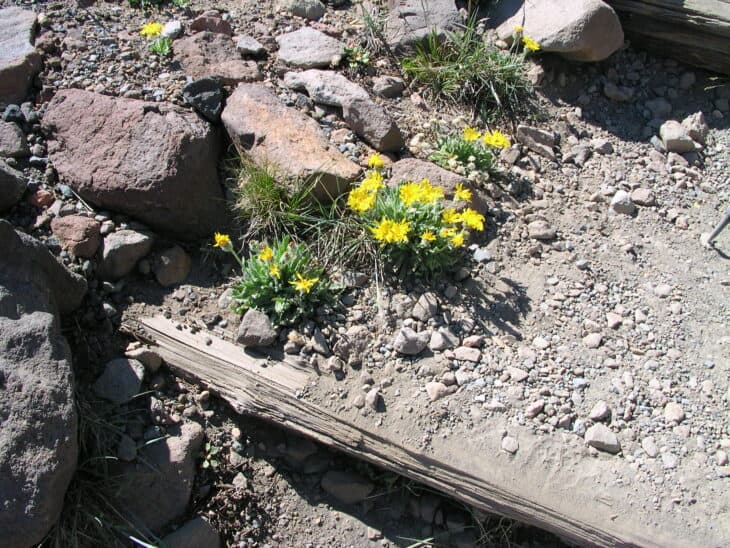
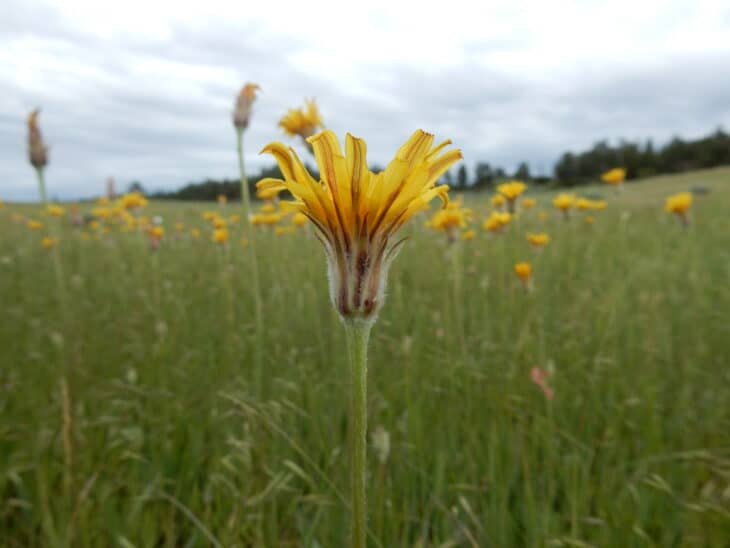
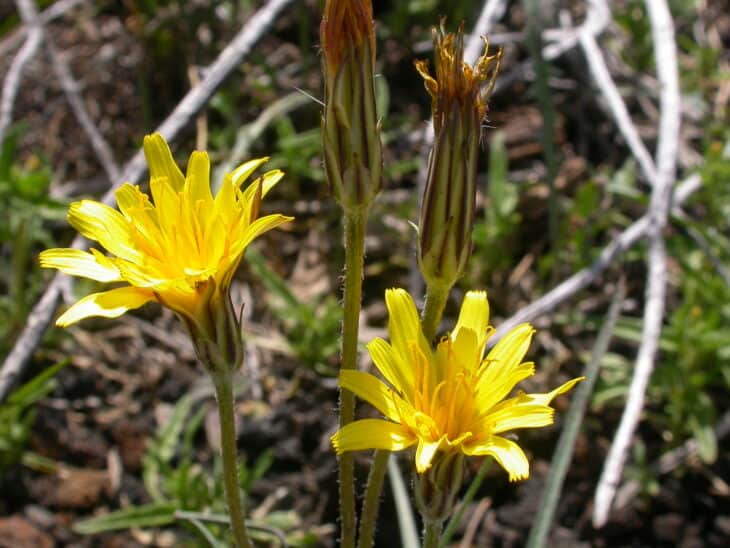
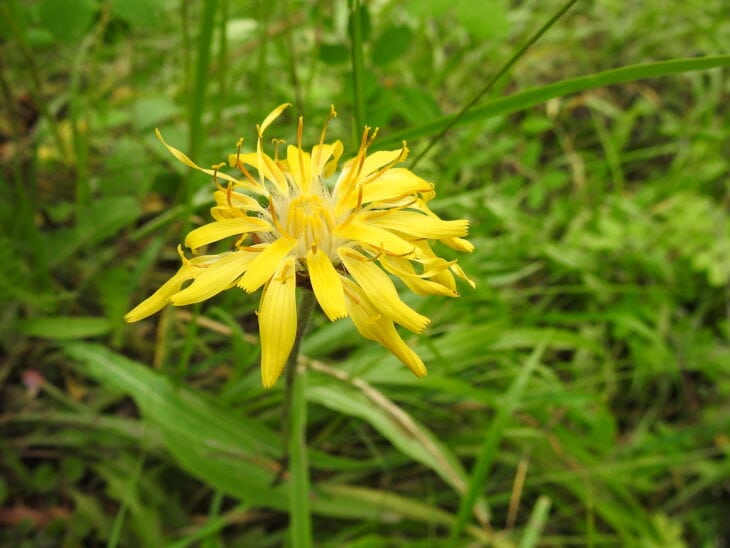
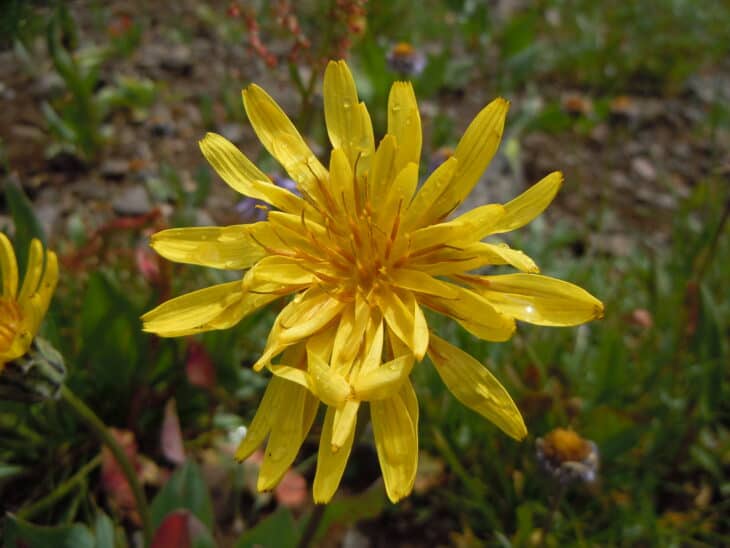
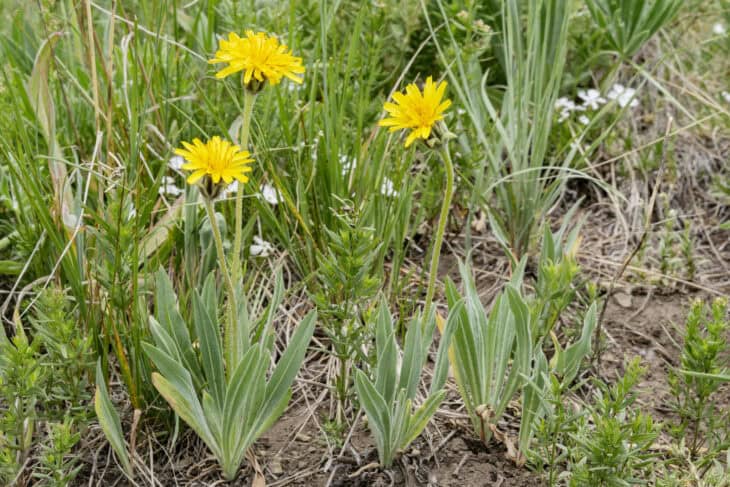
- Produces single yellow dandelion-like flower heads on leafless stalks.
- Native to much of western and northern North America.
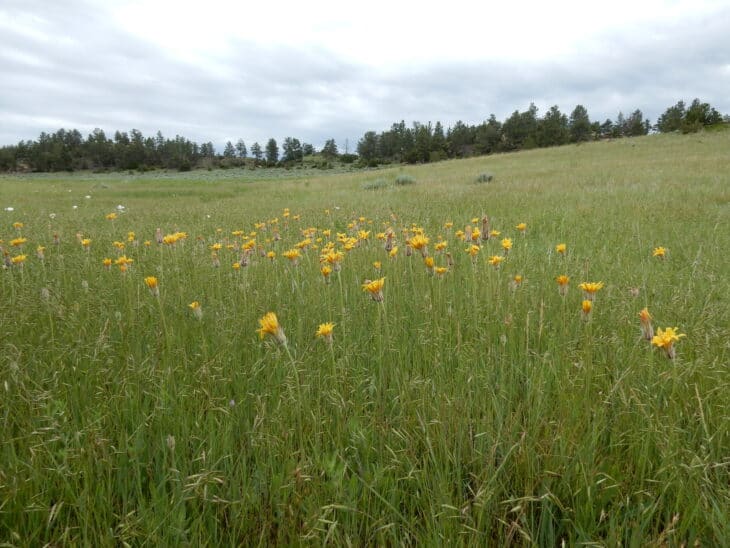
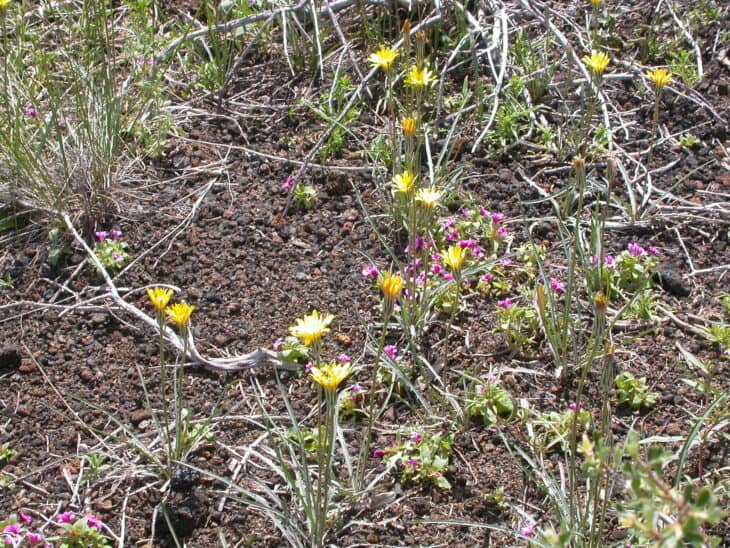
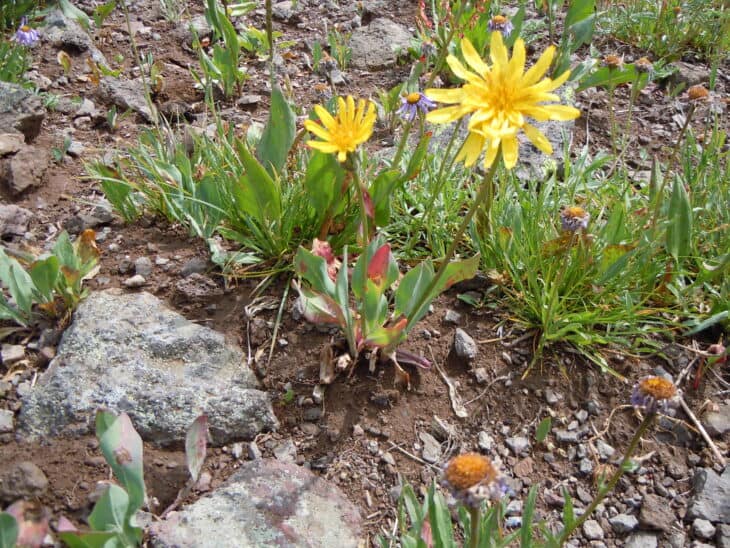
- Grows in meadows, open slopes, disturbed places and alpine openings.
- Leaves are toothed and often form a winter-persistent rosette.
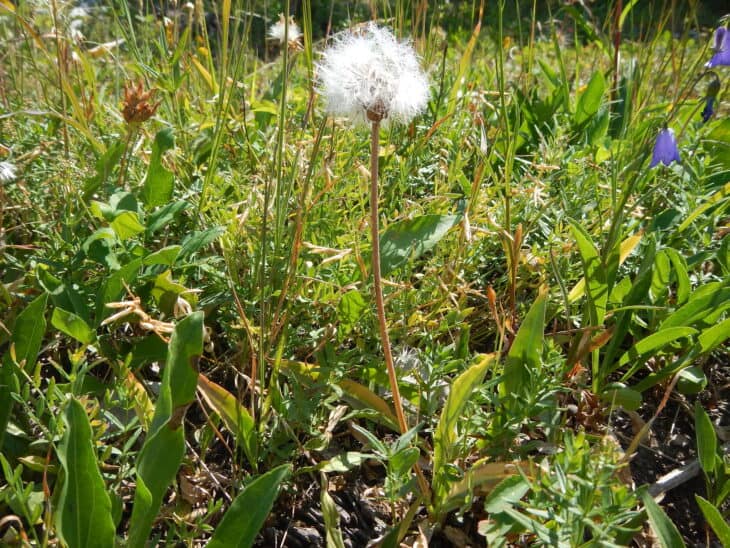
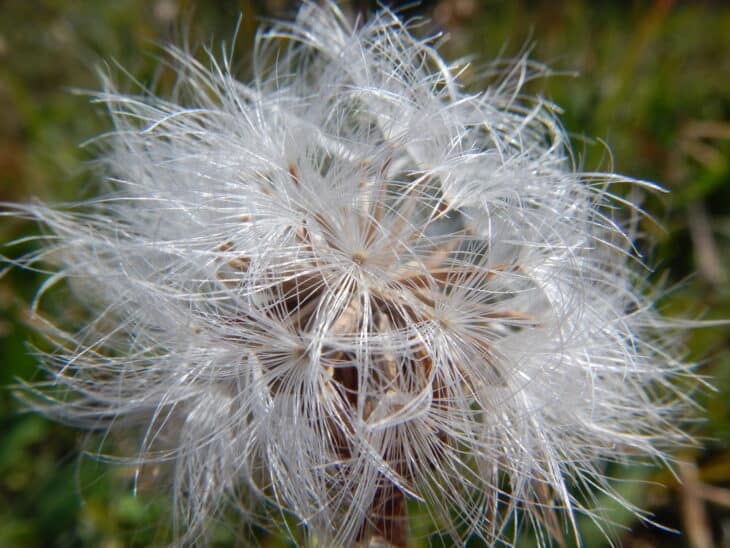
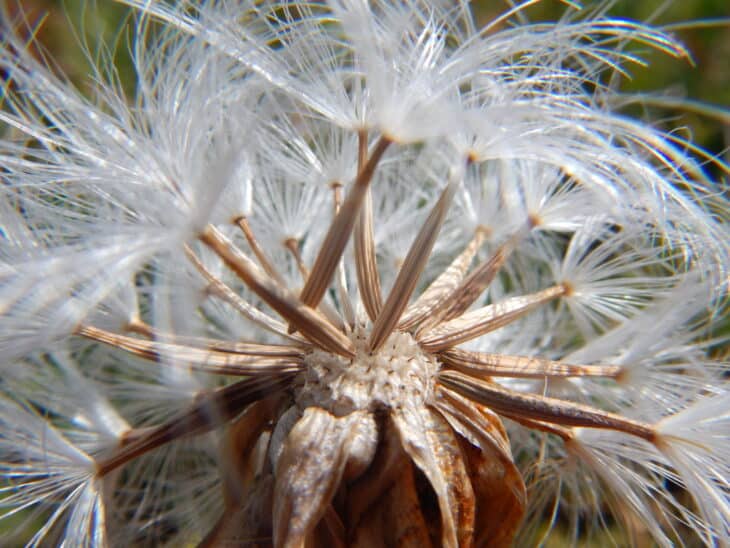
- Reproduces by seed with wind-dispersed achenes.
- Not widely listed as toxic and edible uses are reported historically.
Mountain Dandelion is a North American perennial that bears single yellow dandelion like flower heads above a basal rosette. It suits rock gardens and naturalized meadows where a low, sunny native plant is wanted, but it spreads by wind blown seed and can naturalize if left to set seed.
Identification
Leaves form a toothed rosette at ground level and often persist through winter. Flower stalks are leafless and carry a single yellow head that resembles a garden dandelion. Plants typically reach about 4 to 16 in (10 to 40 cm) to the top of the flower stalks.
Where to grow and best uses
Grows naturally in meadows, open slopes and alpine openings so plant it in full sun to part shade. It is suited to rock gardens, gravelly slopes and naturalized meadow patches where well drained soil is available. Expect stronger flowering in sunny open sites.
Hardiness and timing
Survives cold alpine winters and is generally hardy in USDA zones about 3 to 8. Bloom is usually in late spring to mid summer and shifts earlier at lower elevation and later at higher elevation.
Soil and watering
Prefers well drained soils from sandy or rocky to loamy and tolerates low fertility. Avoid heavy waterlogged clay because poor drainage leads to crown rot and weak plants. In dry sites plants remain small and in richer moister spots flower stalks tend to be taller.
Planting and spacing
Plant transplants or rosettes in spring or fall where the soil is settled and drains well. Mountain Dandelion is primarily propagated by seed but established rosettes can be moved or divided. Do not crowd plants if you want good flower display and air circulation.
After flowering and maintenance
Deadhead flower heads to reduce seeding and slow naturalizing. Leave the basal rosette intact unless you need to remove plants. Plants die back aboveground in winter and regrow from the root the following season.
Controlling spread and naturalizing
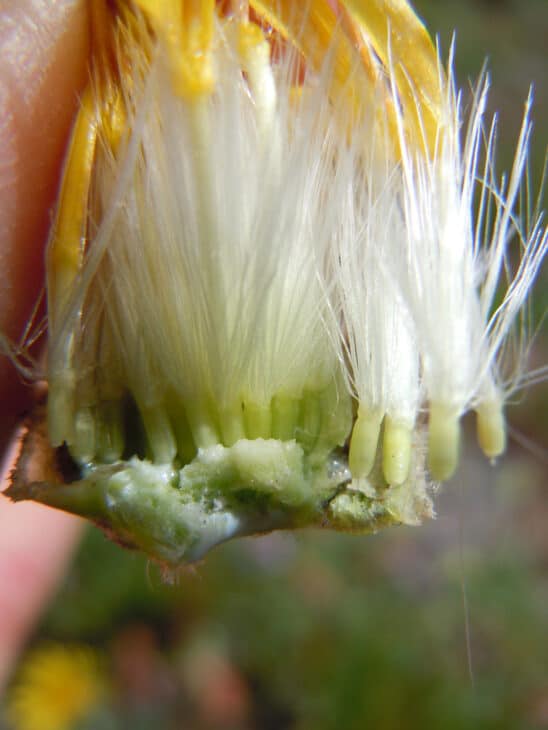
Achenes have a pappus adapted to wind dispersal so seed can travel and establish nearby. Control spread by removing seed heads before they open and pulling or digging out young rosettes. In naturalized or meadow plantings allow some seed for patch expansion and pollinator benefit.
Propagation
Most commonly grown from seed. Sow in a well drained seed mix and expect wind dispersed seed to be the main way it spreads in the landscape. Established rosettes can be divided or transplanted in spring or fall.
Frequently asked questions
- How fast does Mountain Dandelion grow?
- Growth rate varies with site. Plants form a rosette first and then send up flower stalks in spring or early summer. In sunny fertile spots stalks reach full height sooner than in poor rocky ground.
- Is Mountain Dandelion edible?
- Some historical ethnobotanical reports note edible uses but identification and safety should be confirmed with authoritative sources before eating any wild plant.
- What soil does it need?
- Well drained soil from sandy or rocky to loamy suits this species. Avoid heavy waterlogged clay which causes poor performance.
- When does it bloom?
- Bloom is typically late spring to mid summer, commonly May to July across much of its range, shifting with elevation and latitude.
- How do I propagate Mountain Dandelion?
- Propagate by seed or by transplanting and dividing mature rosettes in spring or fall.
- Will it take over a lawn?
- It can naturalize from wind dispersed seed and establish in open grassy places. Remove flower heads before seed set and dig rosettes to reduce spread in managed turf.
Gallery
Related Plants


Mentioned In (1)

Plants
7 Plants That Look Like Dandelions – Can You Distinguish Them?
Common dandelions (Taraxacum officinale) grow like weeds all over the world. Their happy little yellow flowers are a favorite for…