
Key Facts
- Native to temperate Europe and found in grassy places and woodland edges.
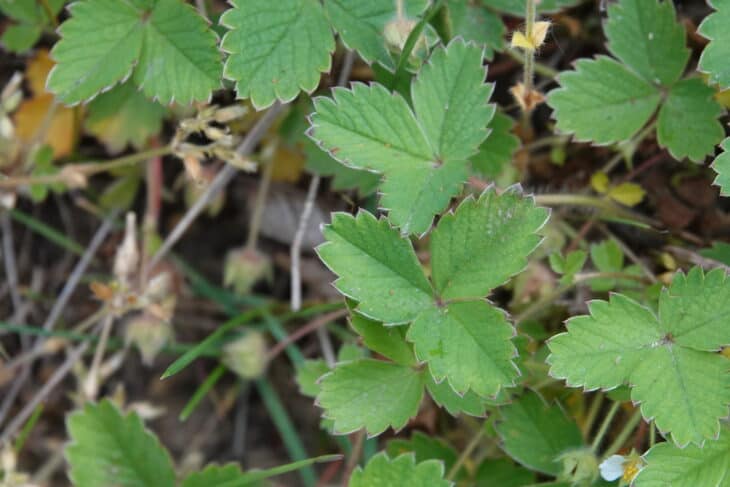
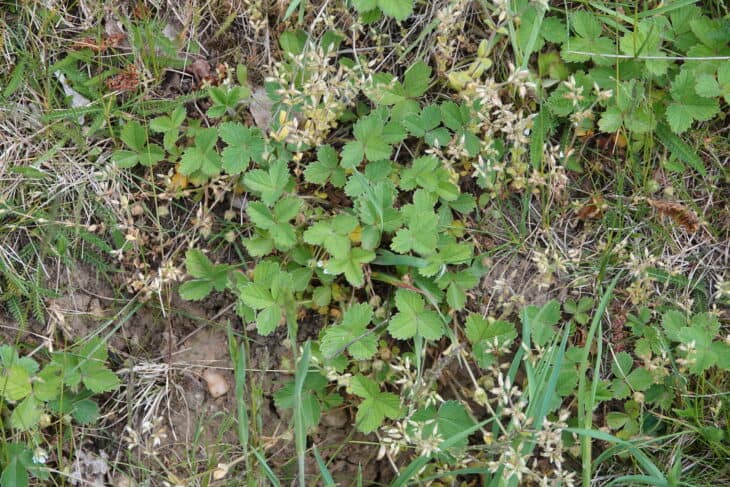
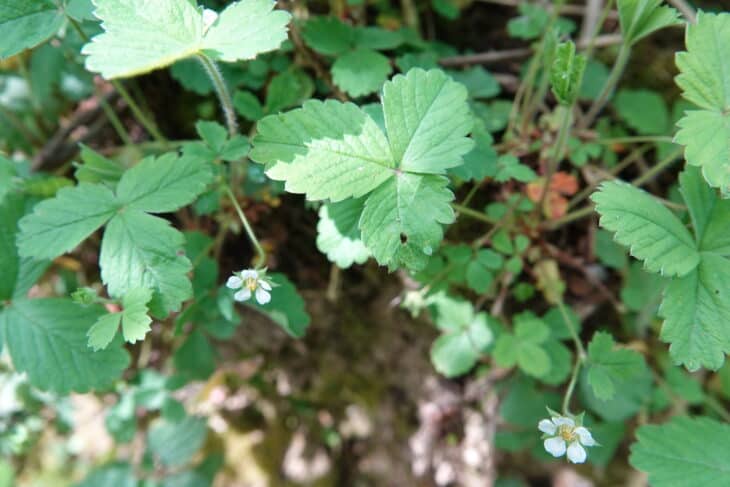
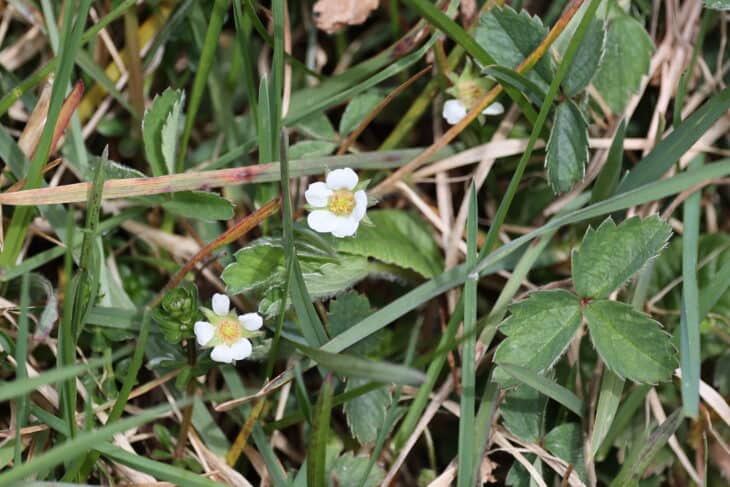
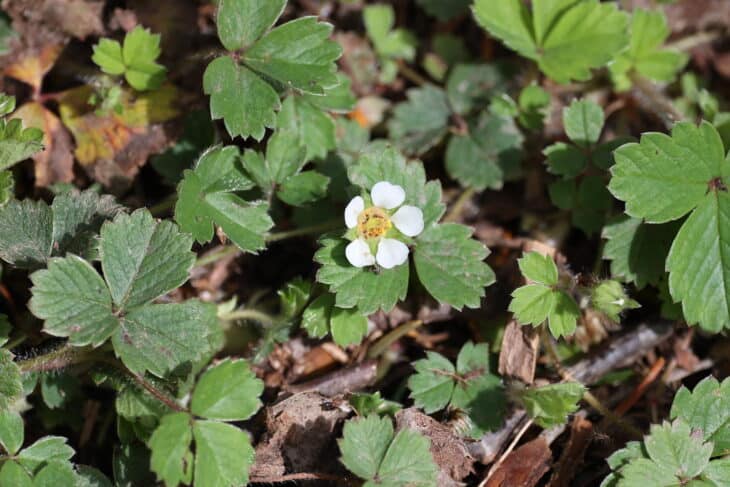
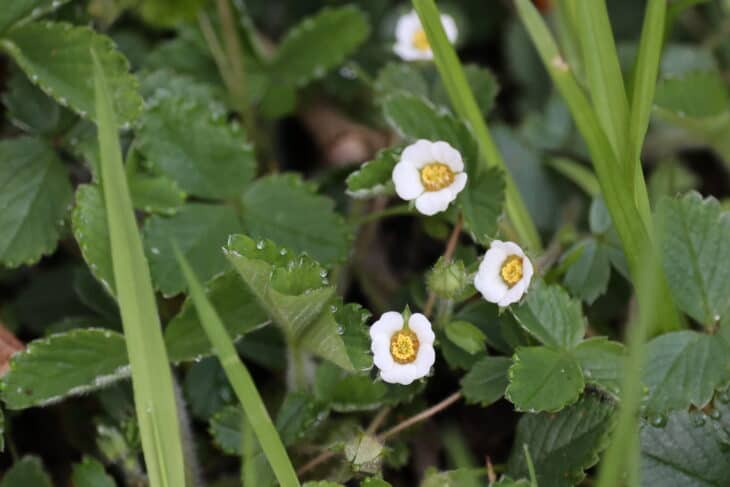
- Low mounding or clumping groundcover with a strawberry like appearance.
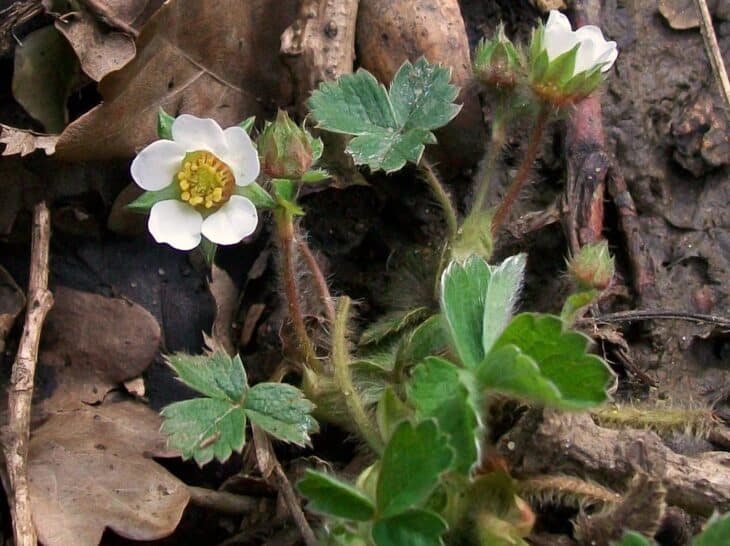
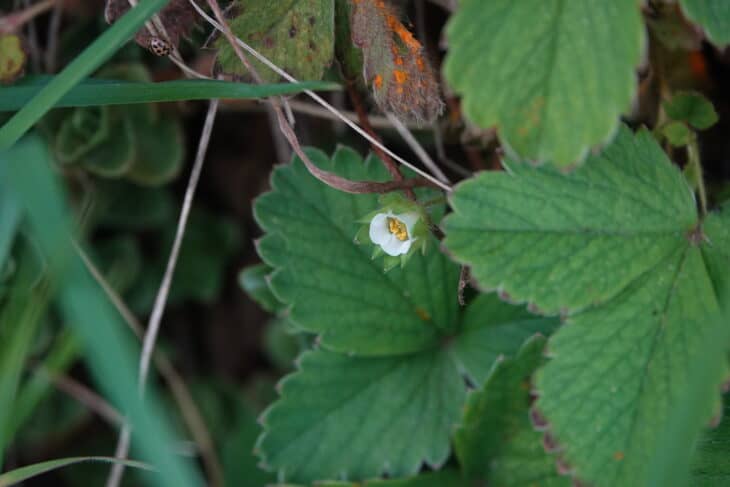
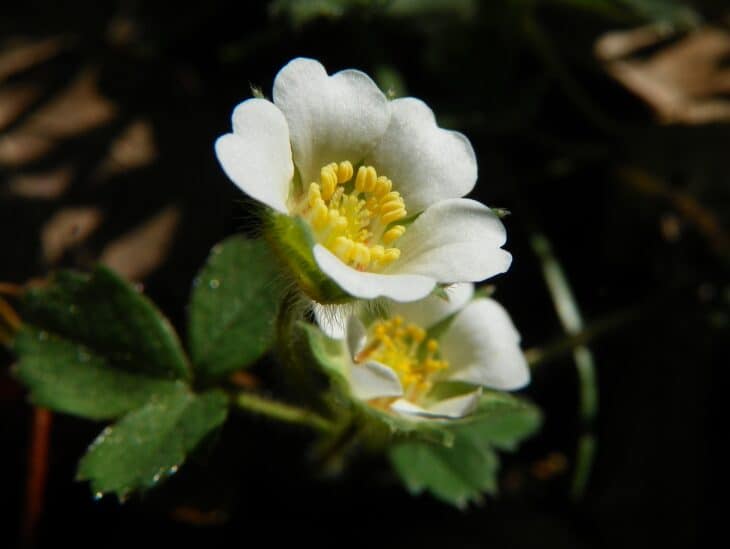
- Produces small white five petal flowers in spring.
- Often does not set a fleshy fruit and is called barren for that reason.
- Tolerates a range of soils but dislikes waterlogged ground.
- Flowers best in full sun but tolerates light shade.
- Used in rock gardens, borders, and naturalized groundcover areas.
- Not known to be highly invasive.
Barren Strawberries is a low, clump forming groundcover with white five petal flowers that resemble wild strawberry blooms. It adds spring color to rock gardens, borders and naturalized areas while rarely producing a fleshy fruit.
Identification
Potentilla sterilis is native to temperate Europe and forms a low mounding habit four to eight inches high at flowering. Each clump typically spreads six to eighteen inches. Small white five petal flowers appear in spring, often in April and May in northern temperate climates, and fruit is usually absent which gives the plant its common name.
Where to grow and best uses
Plants perform best in full sun where they flower most abundantly, and tolerate light shade in hotter sites. They thrive in well drained, moderately fertile soils and are used in rock gardens, borders and naturalized groundcover areas. Avoid heavy clay or waterlogged spots because poor drainage causes decline.
Planting and spacing
Plant so crowns sit level with the soil surface and space clumps roughly six to eighteen inches apart depending on desired cover. In northern temperate climates consider planting early enough for roots to establish before the April to May bloom window. Proper spacing keeps each clump distinct and helps air move through the foliage.
Watering and soil
The species prefers well drained soil and tolerates poorer soils but dislikes waterlogged ground. Persistently wet conditions reduce vigor and increase dieback, so improve drainage or avoid low spots. Once established plants are low maintenance, but newly planted clumps will benefit from regular moisture until roots spread.
After flowering care and maintenance
Remove dead flower stalks and old foliage to keep clumps tidy and to reduce disease risk. If clumps become crowded divide them to renew vigor and reshape the planting. Heavy mulches that hold moisture can promote decline, so use light mulches and avoid prolonged wet soil around the crowns.
Propagation
Propagation is by seed and by division, with division giving faster establishment. Divide mature clumps in spring or autumn to increase plants or rejuvenate older patches. Seed can be used for larger scale plantings but may take longer to form a dense mounding groundcover.
Controlling spread and naturalizing
The plant is not known to be highly invasive and tends to form discrete clumps rather than aggressive runners. To naturalize, allow clumps to enlarge and fill gaps, and thin by lifting and dividing every few years. Remove stray seedlings if containment is required in small beds.
Frequently asked questions
- How fast does Barren Strawberries grow?
- It forms a low mound that usually reaches its six to eighteen inch spread over one to several growing seasons depending on site and cultivar.
- Are the fruits edible?
- There is no widely reported serious toxicity, but the plant is not grown for edible fruit and flesh is usually absent. Check local poison control for ingestion concerns.
- What light does it need?
- Full sun gives the best flower display, and the plant tolerates light shade in hotter climates.
- What soil is best?
- Well drained, moderately fertile soil suits it best. Avoid heavy clay and waterlogged sites which cause decline.
- How do I propagate it?
- Propagate by division for quick results, or by seed for larger plantings.
Gallery
Related Plants


Mentioned In (1)

Plants
8 Plants That Look Like Strawberries
You may find several plants in your garden that look like strawberries. Mock strawberries and strawberry weed look like real…