
Key Facts
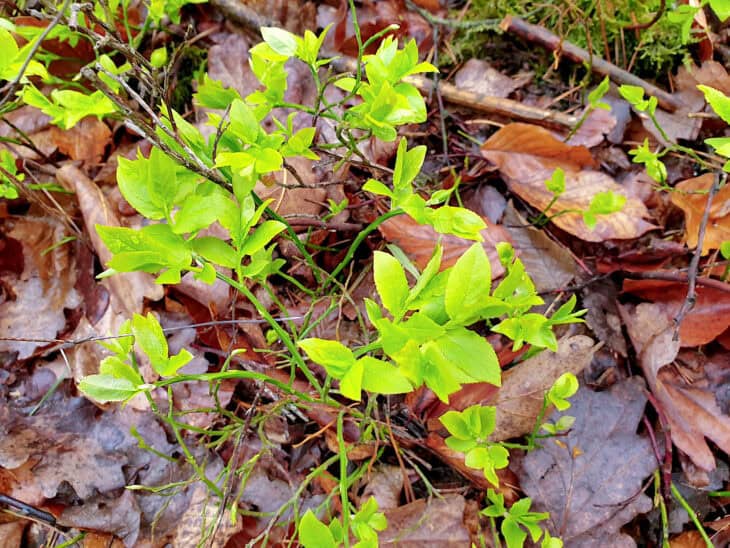
- A low growing deciduous shrub in the heath family.
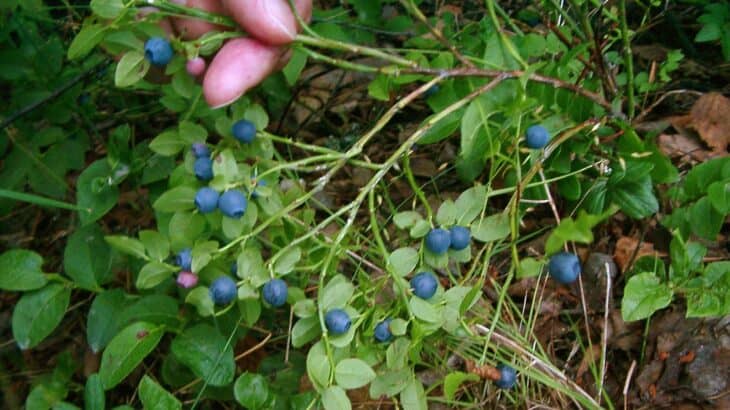
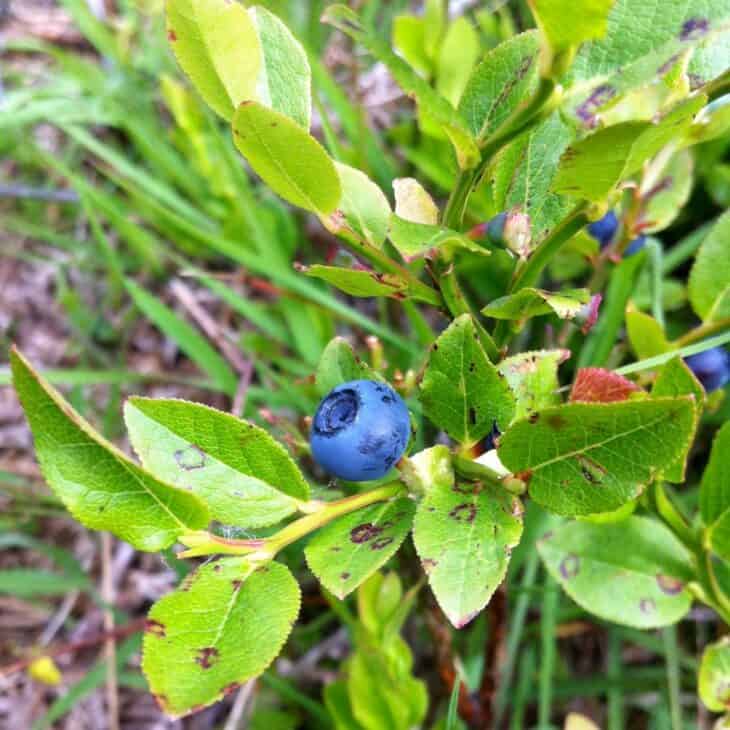
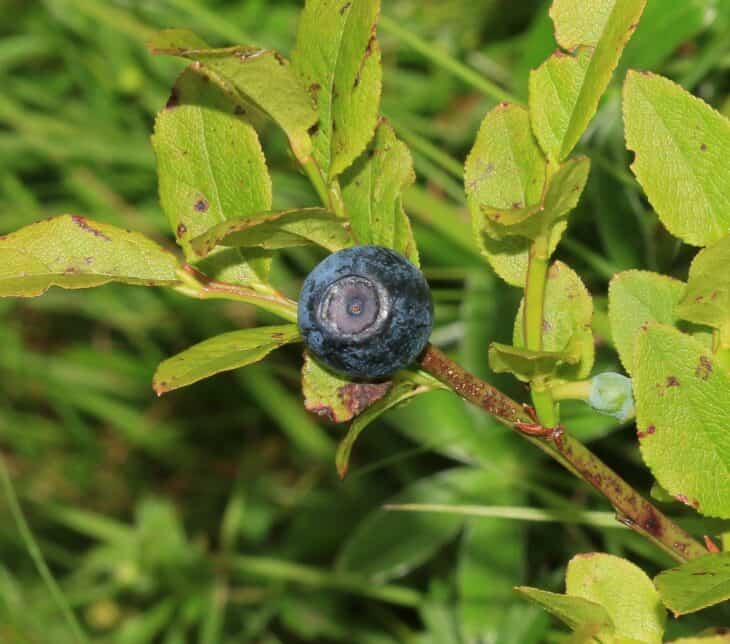
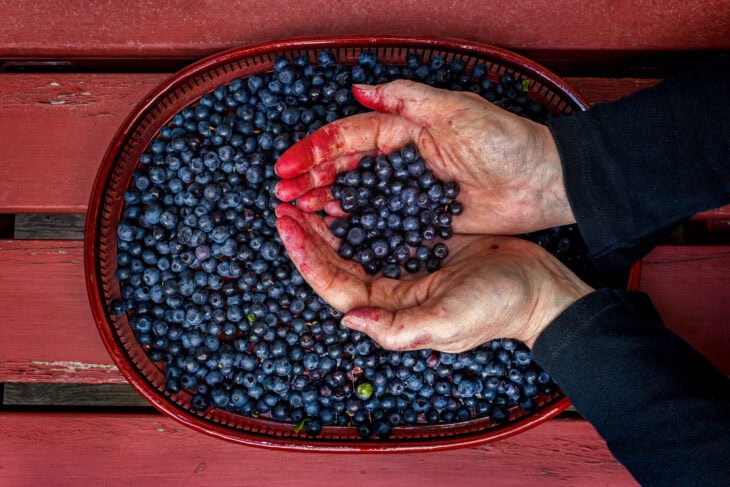
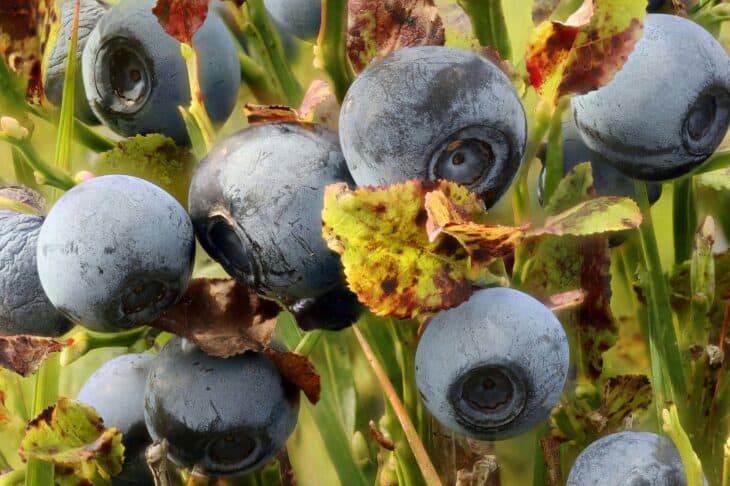
- Produces small dark blue edible berries often used in jams and desserts.
- Native to Europe and parts of northern Asia and found in acidic upland soils.
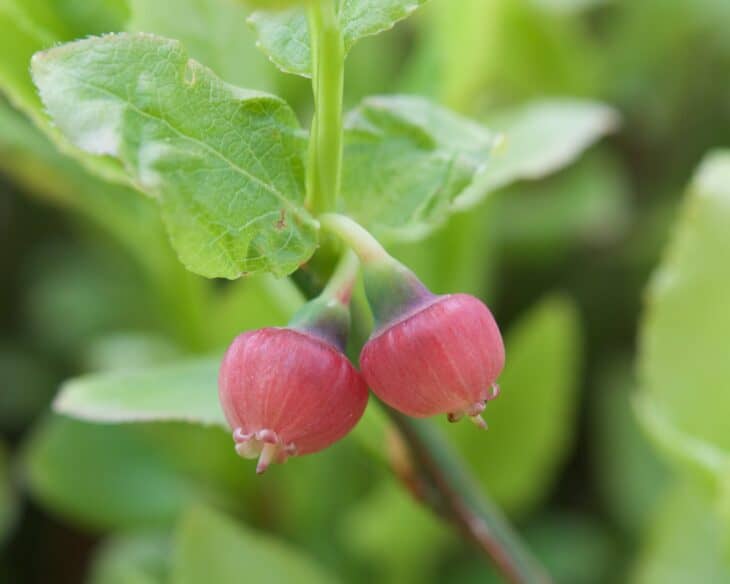
- Flowers are small, bell shaped and appear in late spring.
- Spreads clonally by rhizomes to form mats or patches.
- Prefers acidic, peaty soils and consistent moisture.
- Can be grown from seed, division, layering, or cuttings.
Bilberries are a low growing wild blueberry that forms mats of foliage and produces small dark blue edible berries. They suit acid, peaty soils and are often used as a ground cover or for small fruit patches in upland and cool temperate sites.
Identification
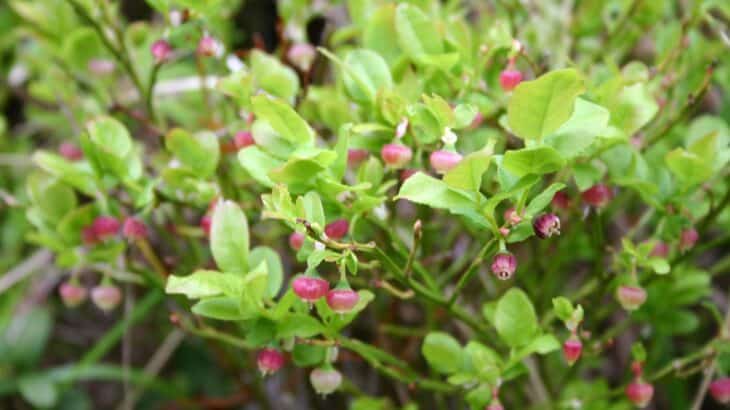
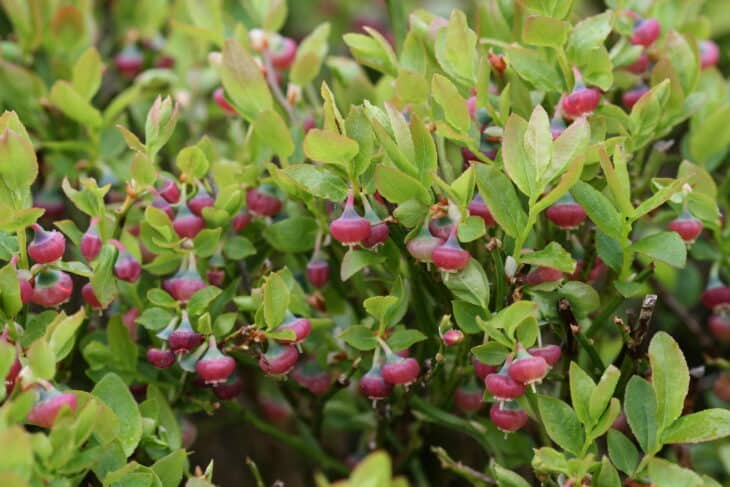
Vaccinium myrtillus grows about 10 to 40 cm high with rhizomes that form patches 20 to 60 cm across over time. Leaves are deciduous and the flowers are small and bell shaped, appearing in late spring. Fruit is dark blue and used fresh or cooked in jams and desserts.
Where to grow and best uses
Grow bilberries in USDA zones 3 to 7 where soils are acidic and moisture is steady. Use them as a low ground cover, a fruiting patch in a wild garden, or under light tree shade where dappled sun reduces heat stress. In cooler sites full sun improves berry set while in warm areas partial shade helps prevent stress.
Soil light and watering
Bilberries prefer peaty to humus rich soils with a pH around 4.5 to 5.5 and do poorly in neutral or alkaline ground. Keep soil consistently moist but avoid standing water. Dry soils reduce growth and fruiting so maintain moisture to support flowers and berry development.
Planting and spacing
Plant as patches rather than isolated specimens because plants spread clonally by rhizomes. Space plants so they can form mats roughly 20 to 60 cm apart depending on how quickly you want the patch to fill. Seed raised plants establish more slowly while divisions and layered plants fill in faster.
Propagation options
Propagate by seed, division, layering or semi ripe cuttings. Division and layering give the quickest establishment. Seed may require cold stratification and will take longer to produce a productive patch.
After flowering care
Monitor fruit as it ripens and keep the planting mulched with acidic organic material to conserve moisture and feed roots. Avoid heavy lime or alkaline fertilizers. Allow foliage to die back naturally in autumn to help the plant store reserves for the next season.
Controlling spread and naturalizing
Bilberries spread by underground stems and can form broad patches over time. Control size by lifting and dividing clonal patches or by removing rooting pieces when clearing. Established patches are long lived and will persist if soil acidity and moisture are maintained.
Frequently asked questions
- How fast does Bilberries grow?
- Plants reach about 10 to 40 cm high and spread by rhizomes to form mats. Speed varies with soil, moisture and light and patches usually expand gradually over several seasons.
- Are bilberries edible?
- Yes. The berries are edible raw or cooked and are commonly used in jams and desserts.
- What soil pH do bilberries prefer?
- They prefer acidic ground around pH 4.5 to 5.5 and perform poorly in alkaline soils.
- When do bilberries bloom?
- Flowers appear in late spring to early summer, typically May to June in the northern hemisphere.
- Can bilberries become invasive?
- They spread clonally by rhizomes and can form extensive mats. They are not generally classified as invasive in landscapes but plan placement and control by division if you want to limit spread.
- Are bilberries safe for pets?
- Berries are edible for humans and Vaccinium species are not known as significant toxins. Specific pet safety data for Vaccinium myrtillus is limited so check regional poison control if ingestion is a concern.
Gallery
Related Plants


Mentioned In (1)

Plants
9 Plants That Look Like Blueberries
Blueberries (Vaccinium spp.) are popular berries worldwide. They are eaten fresh or used in baking to make sauces, jams, and…