
Key Facts
- Genus of shrubs in the heath family Ericaceae.
- Native mainly to North America with several species in eastern and southeastern regions.
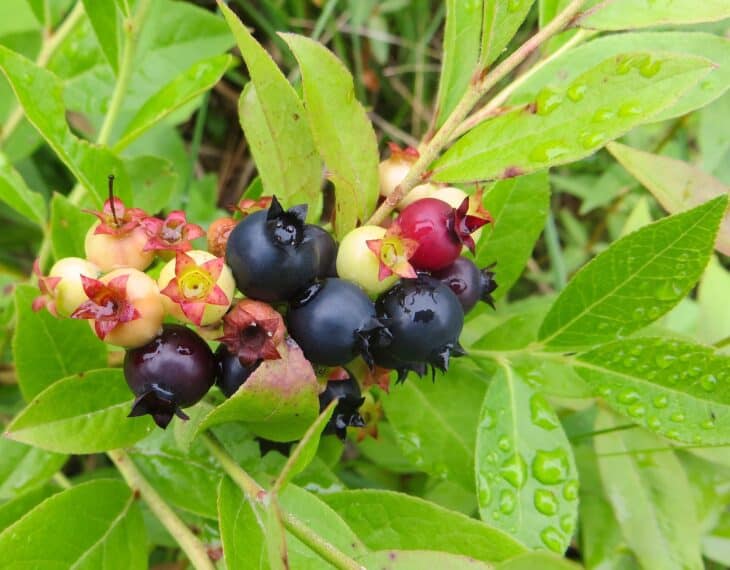
- Produces small berry fruits that resemble true blueberries.
- Prefers acidic soils and often grows where ericaceous conditions prevail.
- Many species spread by shallow rhizomes and form low colonies.
- Flowers appear in spring and are followed by berries in early to midsummer.
- Leaves may be evergreen to deciduous depending on the species and climate.
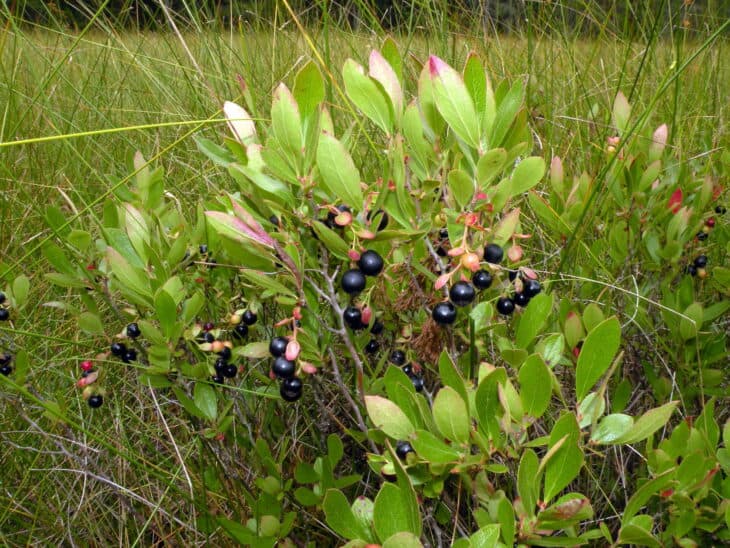
Huckleberry (Gaylussacia spp.) is a group of acid‑loving North American shrubs grown for low‑mounding habit and small, blueberry‑like edible berries. They work well as a native groundcover or in woodland edges but commonly spread by shallow rhizomes so plan for colony growth.
Identification
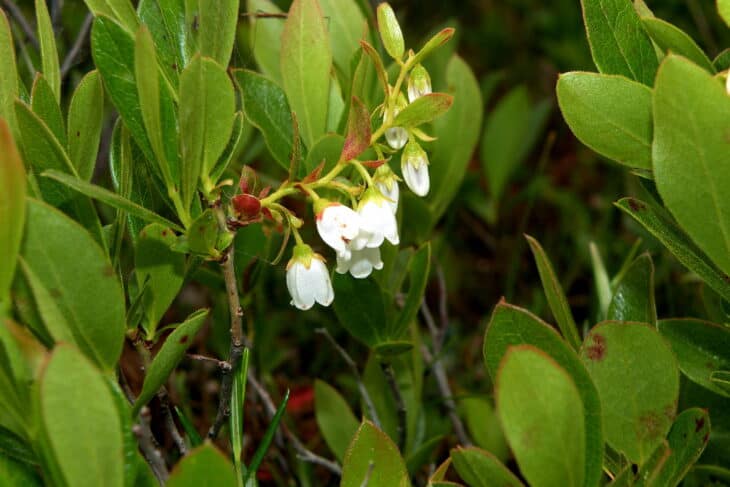
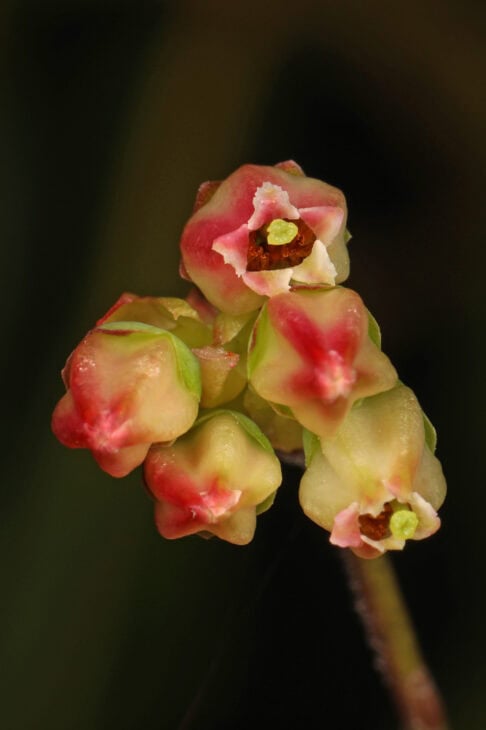
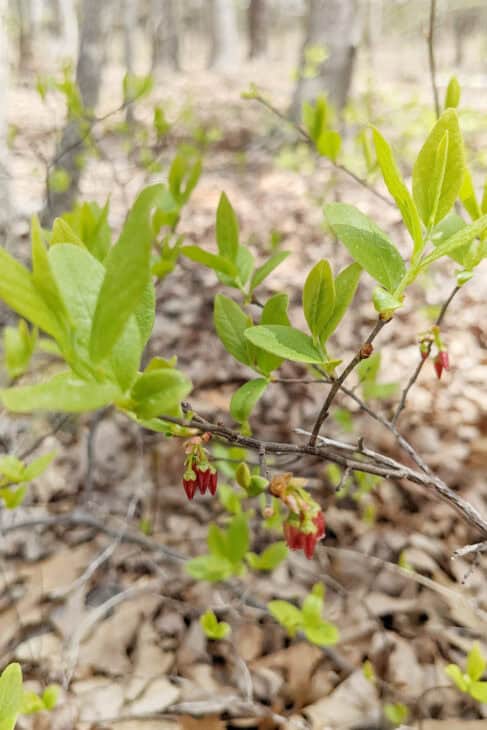
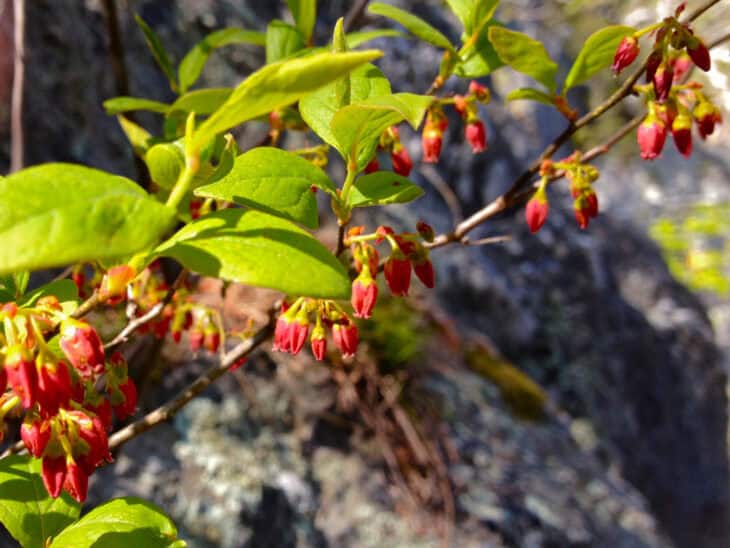
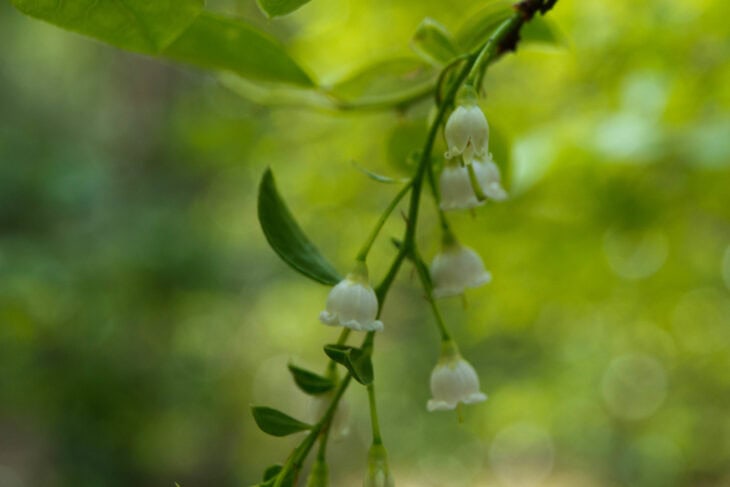
Gaylussacia is a genus in the heath family Ericaceae. Plants range from about 1 to 4 feet tall and typically form colonies 2 to 6 feet across where rhizomes are active. Leaves can be evergreen or deciduous depending on species and climate. Flowers appear in spring and are followed by berries in early to midsummer, with ripe fruit resembling small blueberries.
Where to grow and best uses
Use huckleberry as a low native shrub for woodland borders, ericaceous beds, or naturalized groundcover on slopes and understory sites. Fruit production improves with more sun but the plants tolerate part shade. Avoid alkaline or strongly calcareous soils where they do poorly.
Planting and spacing
Place plants to match their colony habit. Typical mature spread is about 2 to 6 feet so space transplants at similar distances to allow room for rhizome expansion. Establish during the growing season when soil is workable so roots can begin to grow before winter.
Soil light and watering
Huckleberries prefer acidic, well drained to consistently moist soils with a pH near 4.5 to 6.0. They suffer in alkaline conditions and in soils that remain waterlogged. Full sun to part shade suits most species; more sun usually means better fruit set while shade encourages taller, leggier growth.
After flowering care
Remove dead wood and thin crowded shoots to keep colonies healthy. If you want to limit spread, lift and divide portions of the colony in spring or fall and remove stray runners. Routine removal of weak shoots helps maintain vigor and fruiting.
Propagation
Propagate from seed, division of root suckers, or from softwood to semi‑hardwood cuttings depending on species. Many gardeners expand plantings by dividing rhizomatous clumps because that is often the fastest and most reliable method.
Controlling spread and naturalizing
Several Gaylussacia species spread by shallow rhizomes and will form dense colonies when happy. Control measures include regular division, digging out unwanted runners, and removing new suckers before they establish. Plan planting locations accordingly to avoid unwanted spread into beds.
Safety and use of fruit
Ripe huckleberry fruit is generally edible for people and is collected for eating and preserves. The plant is not widely listed as highly toxic but unripe fruit or large ingestions may cause mild stomach upset in people or pets. Confirm edible status and pet safety for the specific species with local extension or poison control before consuming or allowing pets access.
Frequently asked questions
- How fast does Huckleberry grow?
- Growth is typically slow to moderate. Many species expand gradually by shallow rhizomes and form larger colonies over several seasons rather than rapidly in a single year.
- Are huckleberries edible?
- Ripe berries are generally edible and resemble small blueberries. Verify the species locally before eating and avoid unripe fruit.
- What soil do huckleberries need?
- They prefer acidic soils with good drainage to consistent moisture and do best at roughly pH 4.5 to 6.0.
- What USDA zones do huckleberries grow in?
- Commonly cultivated Gaylussacia species are hardy in about USDA zones 3 through 8, though exact hardiness varies by species.
- How do I propagate huckleberry?
- Propagate by seed, division of root suckers, or from cuttings. Division of rhizomatous colonies is often the fastest method.
Gallery
Related Plants


Mentioned In (1)

Plants
9 Plants That Look Like Blueberries
Blueberries (Vaccinium spp.) are popular berries worldwide. They are eaten fresh or used in baking to make sauces, jams, and…