
Key Facts
- Evergreen shrub native to the Pacific Northwest of North America.
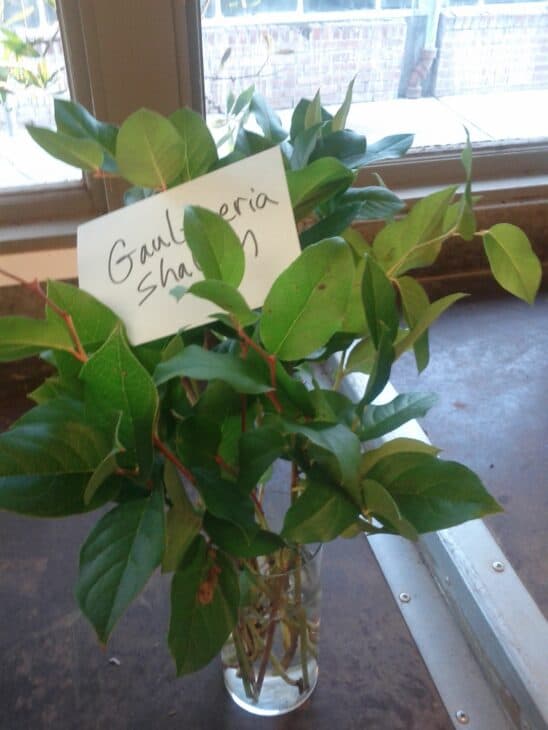
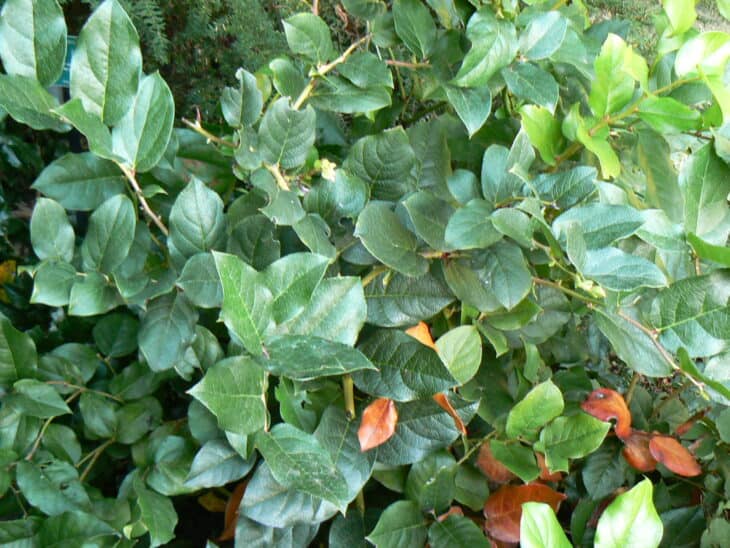
- Glossy, leathery leaves make it useful as cut foliage for floral work.
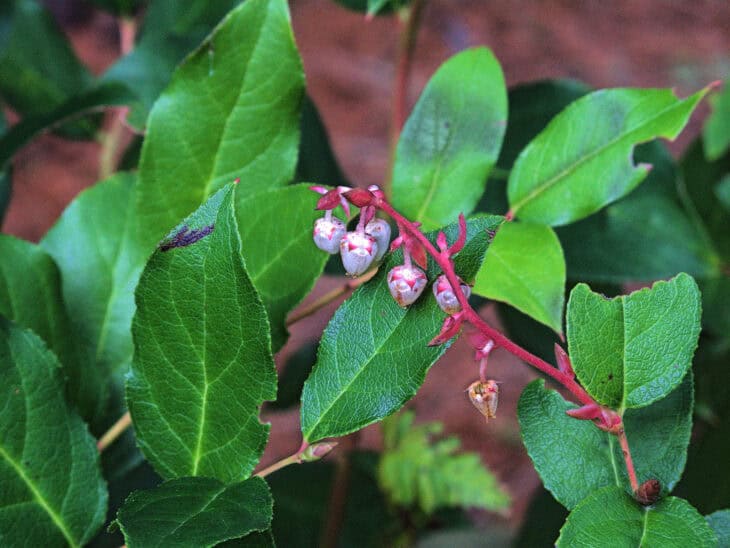
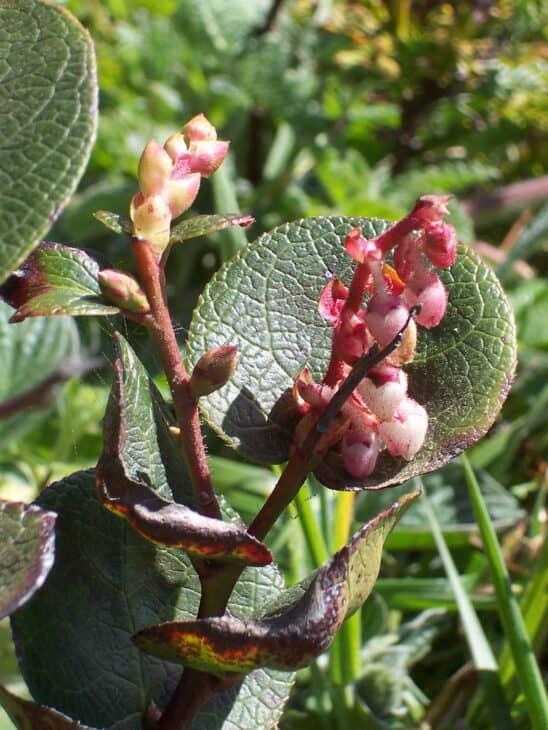
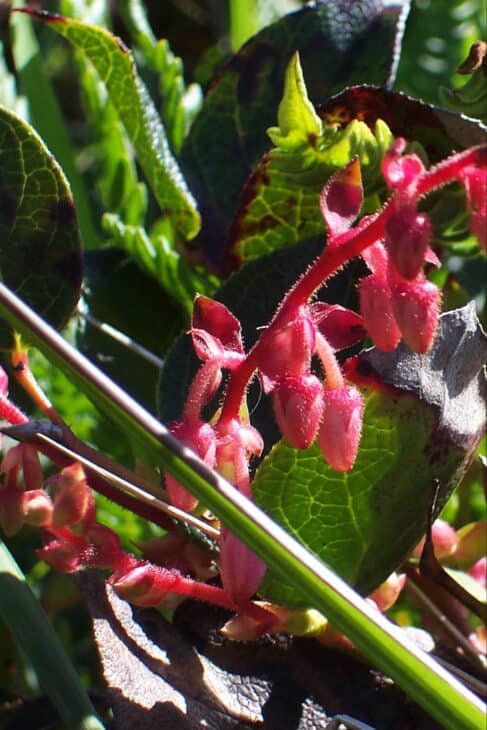
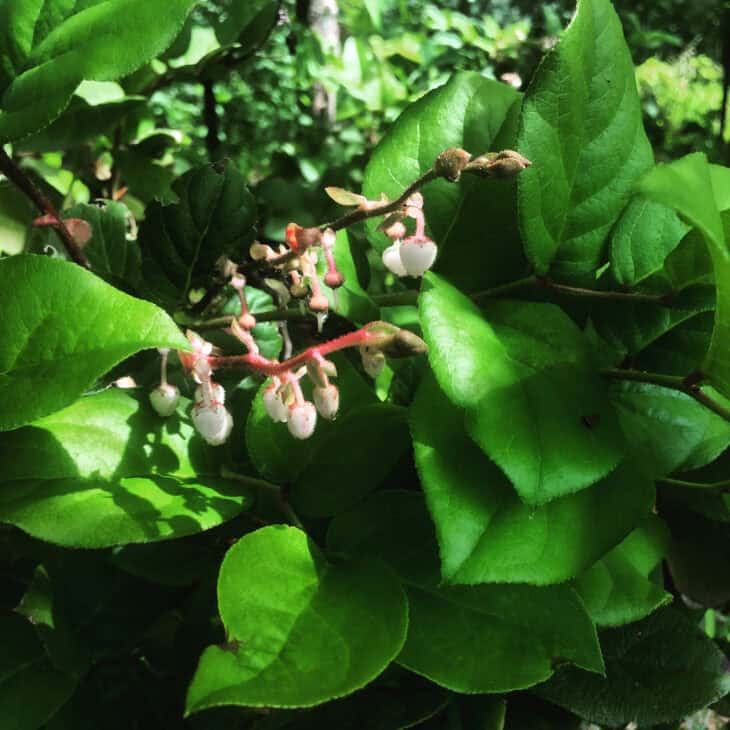
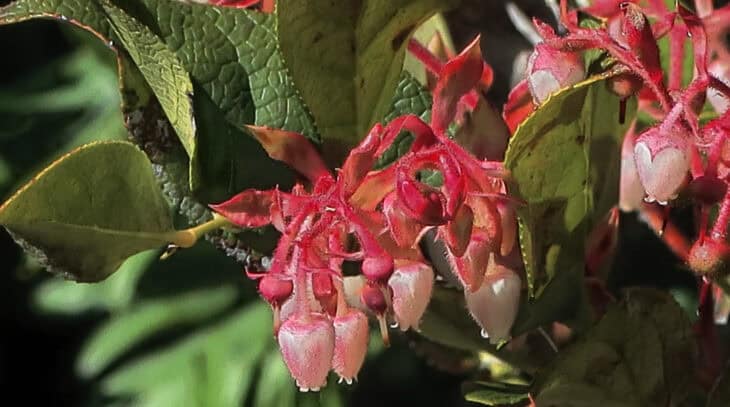
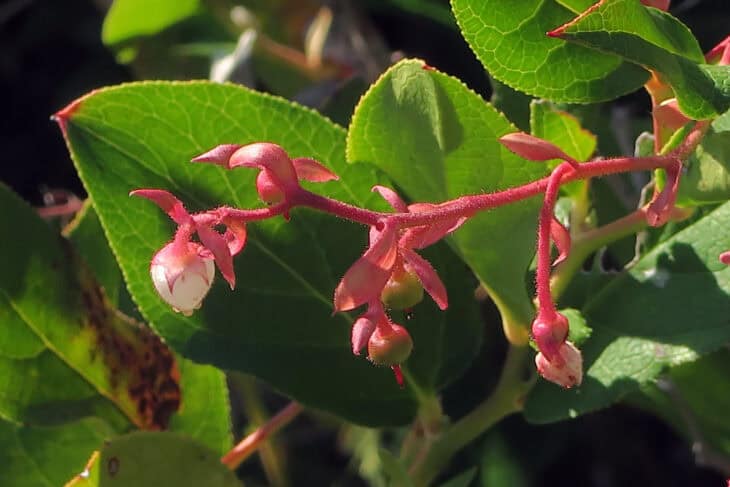
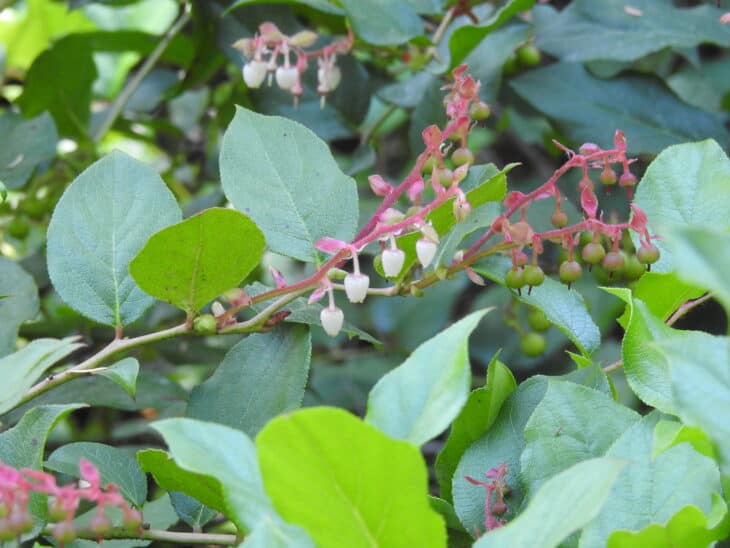
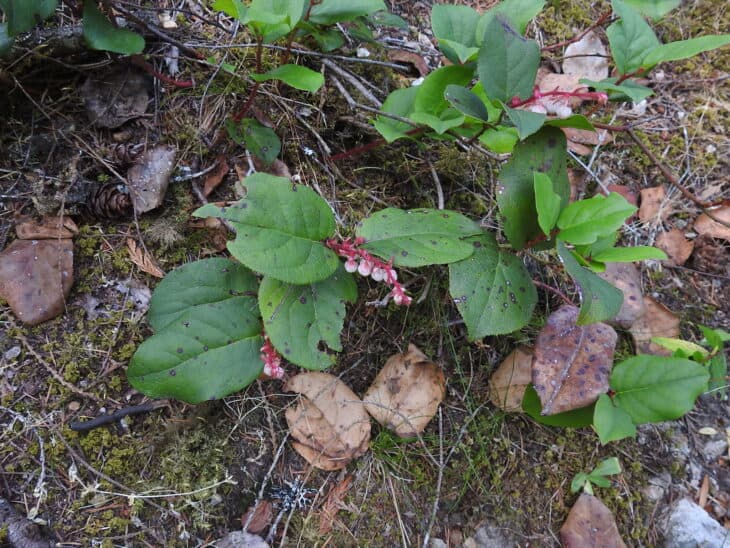
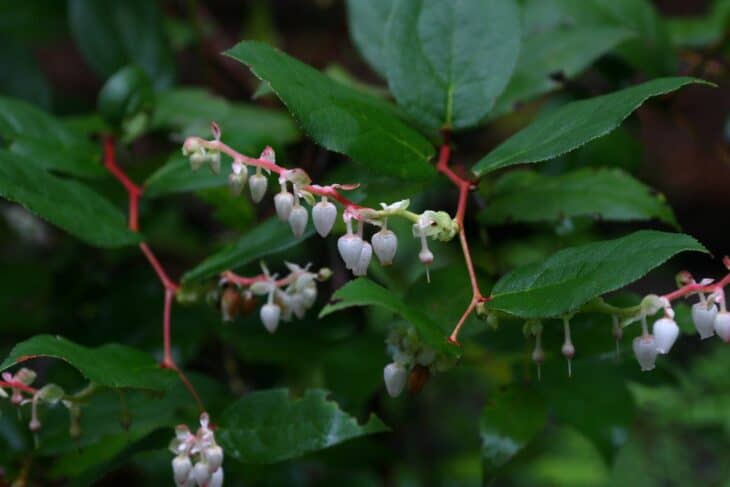
- Small white to pink urn shaped flowers appear in spring.
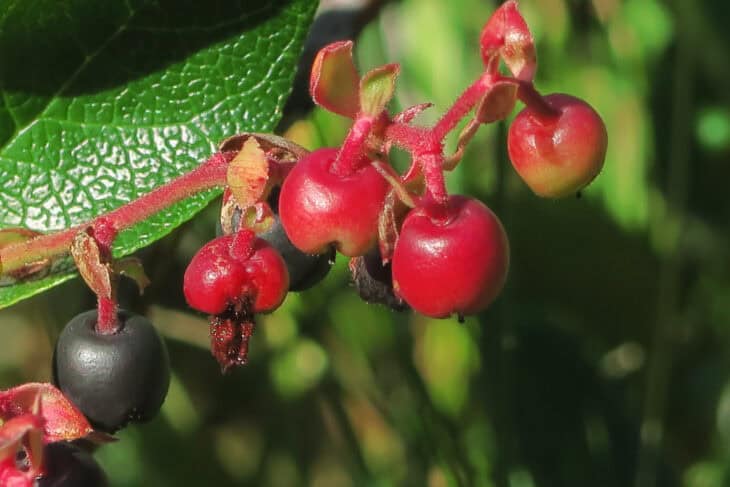
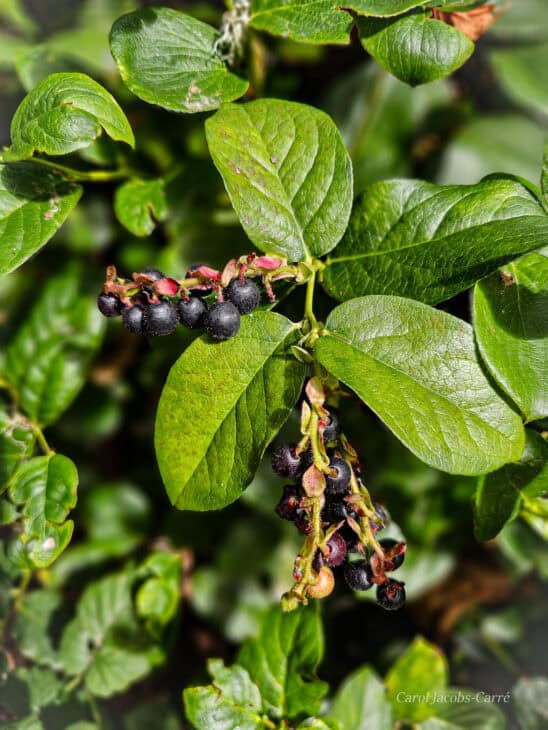
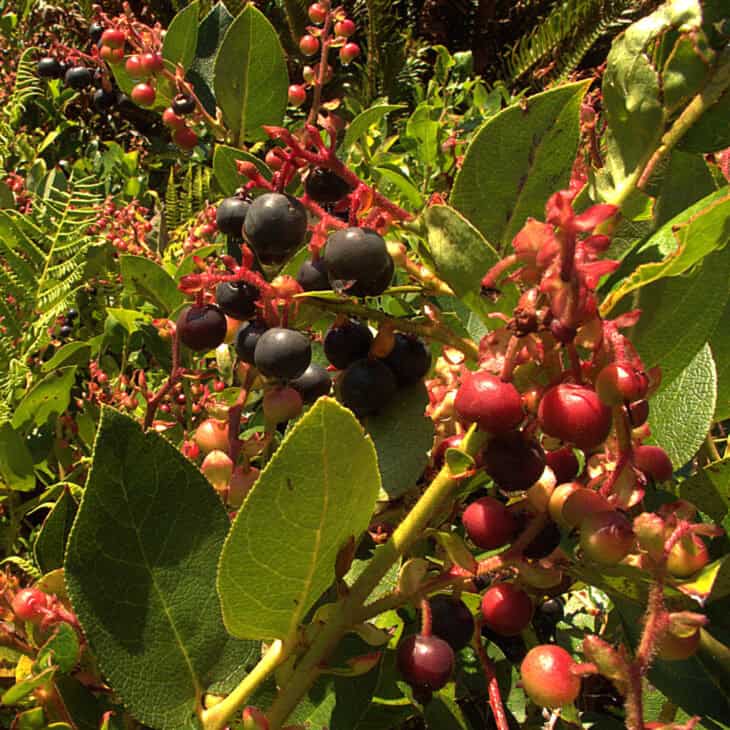
- Berries are dark purple to black and eaten by people and wildlife.
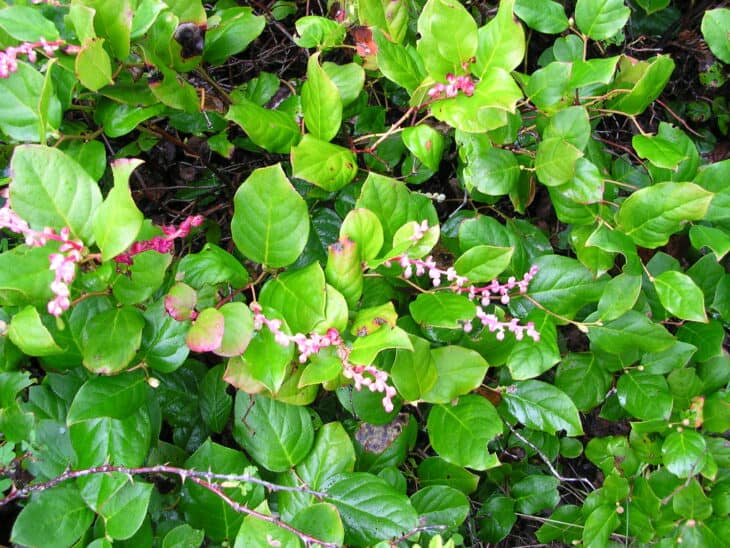
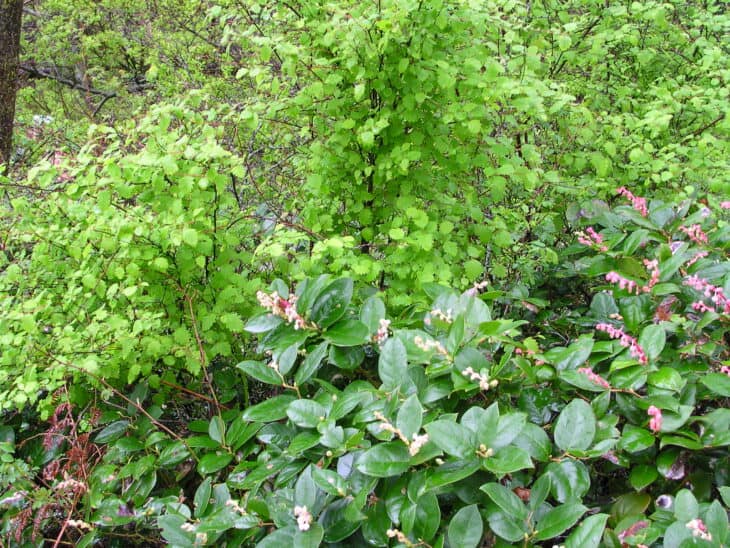
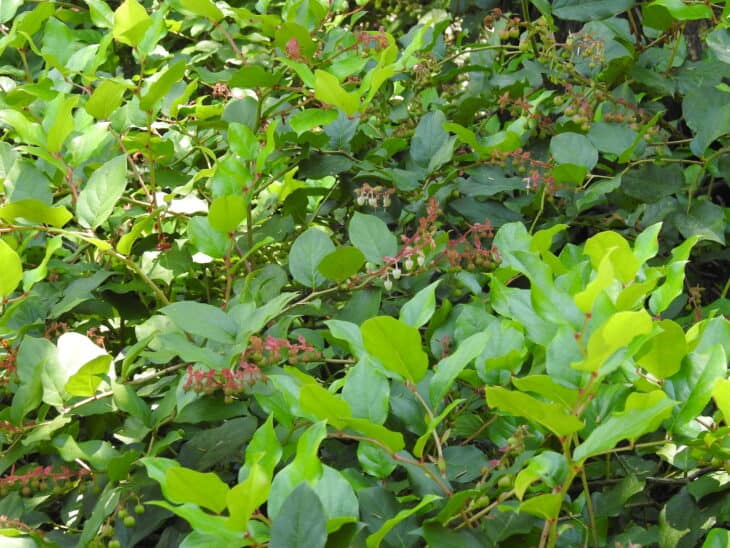
- Forms dense stands and can spread by shallow rhizomes.
- Prefers acidic, humus rich soils and good drainage.
- Performs best in part shade to full shade in warm sites.
Salal is an evergreen shrub from the Pacific Northwest valued for glossy leathery foliage and dark edible berries that also feed wildlife. It makes a dense shady groundcover but spreads by shallow rhizomes so plan for containment in managed plantings.
Identification
Leaves are thick glossy and leathery. Small urn shaped flowers appear in spring, typically April to June in the northern hemisphere. Fruits mature to dark purple or black and are used as food by people and wildlife.
Size and hardiness
Plants commonly range from 1 to 6 feet tall and form clumps 3 to 6 feet across. Salal is rated for USDA zones 6 to 8 and performs best in cooler coastal or temperate sites.
Where to grow and best uses
Salal performs best in part shade to full shade and suits understory planting and shady groundcover. It prefers acidic humus rich well drained soils with a typical pH of about 4.5 to 6.5. Poorly drained or alkaline soils reduce vigor.
Planting and spacing
Place plants to allow 3 to 6 feet between crowns so clumps can form without overcrowding. Work organic matter into the planting area to improve moisture retention and soil acidity when needed.
Watering and maintenance
Keep young plants evenly moist while roots establish. Mature stands tolerate typical woodland moisture but decline in waterlogged ground. Cut foliage is long lasting which makes the plant useful for floral work.
Controlling spread and naturalizing
Salal spreads by shallow rhizomes and can form dense stands. Control options include regular trimming to check lateral spread and physical barriers in beds where containment is required.
Propagation
Propagation is commonly by seed by semi ripe cuttings and by layering. Stratification can improve seed germination and timing for cuttings varies by climate so check local extension recommendations for best results.
Frequently asked questions
- How fast does Salal grow?
- Growth varies with light soil and moisture. Plants can reach their typical height and form clumps over several years and will expand laterally by rhizomes.
- When does Salal bloom?
- Flowers appear in spring and commonly bloom from April to June depending on latitude and elevation.
- Can Salal be used as a groundcover?
- Yes it works well as a shady groundcover beneath trees and in woodland style beds provided soil is acidic and well drained.
- Are the berries edible?
- Berries are traditionally eaten by people and are wildlife food. Consult local foraging guidance and local authorities if you have concerns about safety for pets or people.
- What soil does Salal prefer?
- Salal prefers acidic humus rich soils with good drainage and tends to do poorly in alkaline or waterlogged soils.
Gallery
Related Plants


Mentioned In (1)

Plants
9 Plants That Look Like Blueberries
Blueberries (Vaccinium spp.) are popular berries worldwide. They are eaten fresh or used in baking to make sauces, jams, and…