
Key Facts
- Deciduous broadleaf tree native to Europe, western Asia, and northwest Africa.
- Dioecious species with separate male and female catkins that flower in spring.
- Fast growing and long lived when established.
- Commonly used for timber, windbreaks, and specimen planting.
- Tolerates wet soils and periodic flooding but dislikes prolonged drought.
- Can produce vigorous root suckers and spread from cuttings.
- Mature height often 60–100 ft (18–30 m) with a wide crown.
Black poplar (Populus nigra) is a fast growing deciduous tree used for timber, windbreaks and specimen planting. It produces separate male and female catkins in early spring and performs best in full sun on moist fertile soils.
Identification
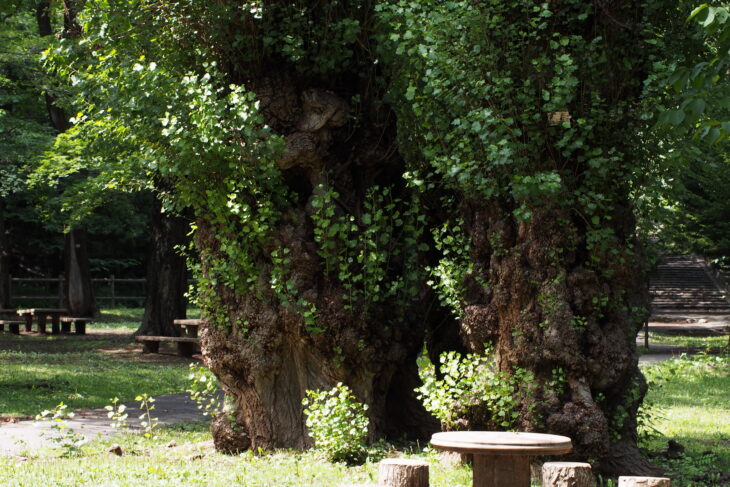
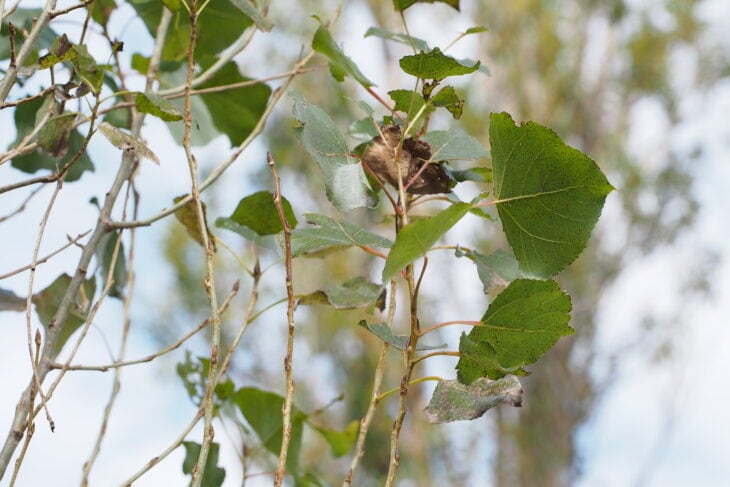
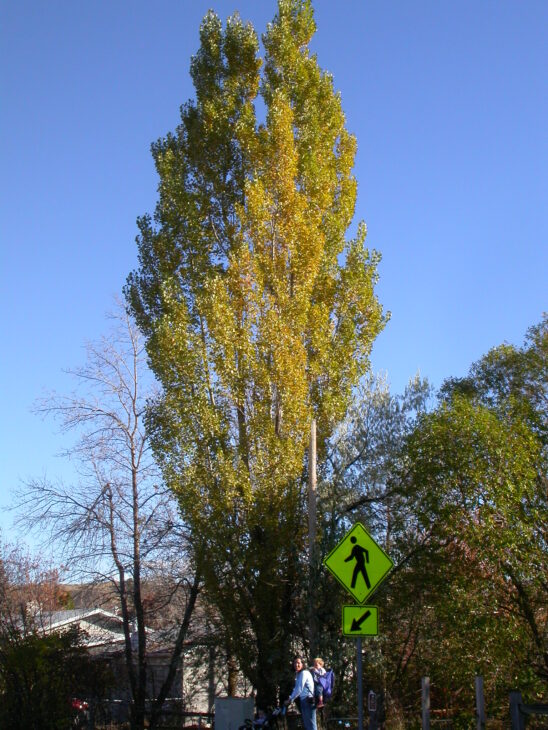
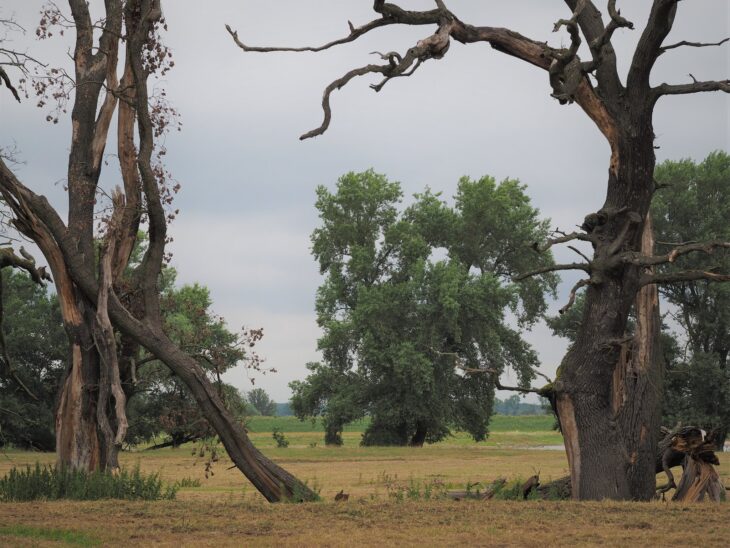
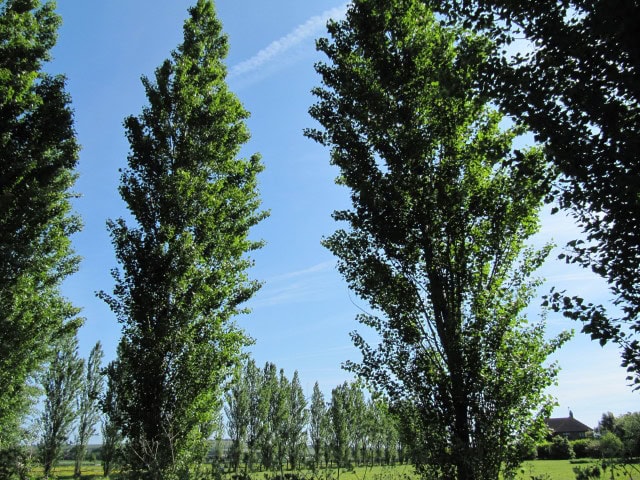
Populus nigra is a large deciduous broadleaf tree native to Europe, western Asia and northwest Africa. The species is dioecious with male and female catkins that appear in early spring before or with the leaves. Mature trees commonly form a broad crown and reach substantial height in favorable sites.
Best uses and where to grow
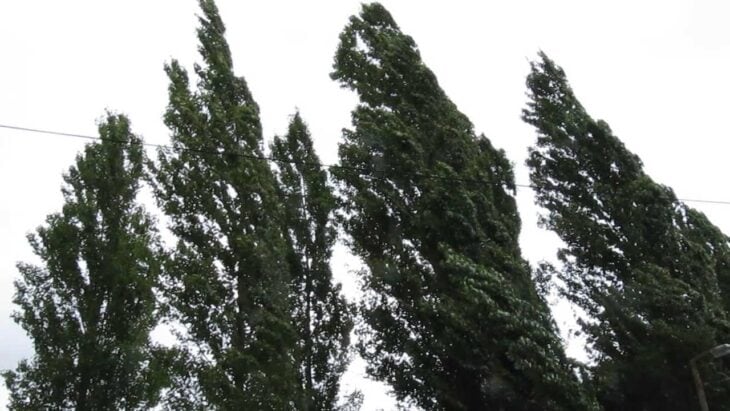
Use black poplar for timber, shelterbelts, windbreaks and as a specimen tree where rapid screening or shade is needed. It tolerates wet soils and periodic flooding, so it suits low-lying or riparian sites. Avoid small urban plots because the tree becomes very large and can produce root suckers that spread.
Planting and spacing
Space trees to allow for a wide crown since typical mature spread is 30 to 60 feet. Plant in a sunny location where soil stays moist and fertile. Avoid planting near foundations, drains or septic systems because mature roots and suckering can extend widely and interfere with structures or other plantings.
Watering and soil
Black poplar prefers moist fertile soils and tolerates heavy clay and occasional flooding. It dislikes prolonged drought and will show reduced growth and stress in consistently dry sites. Maintain regular water during establishment and mulch to retain soil moisture on free-draining sites.
Growth, hardiness and size
In favorable conditions black poplar is fast growing and commonly reaches 60 to 100 feet tall with a broad crown. Typical hardiness falls within USDA zones 4 to 9, though performance varies by cultivar and local climate. Urban trees and restricted sites often remain smaller than wild specimens.
Care, pruning and managing spread
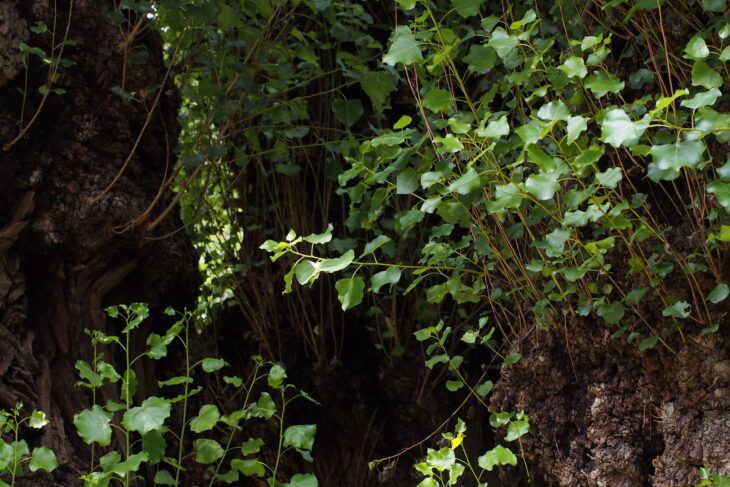
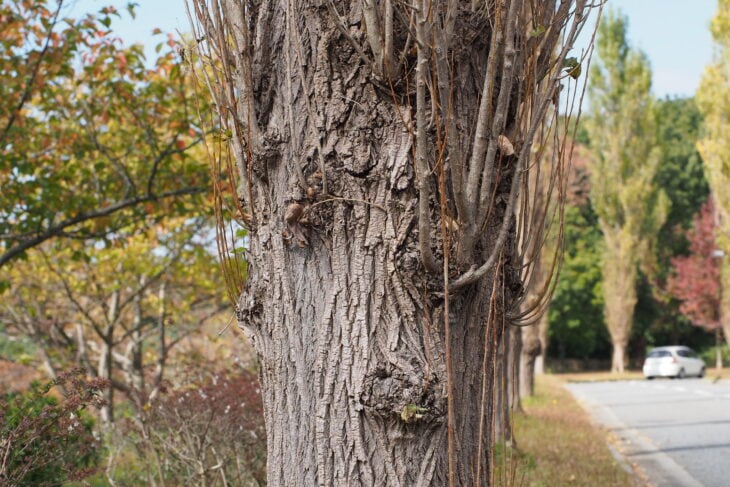
Prune to shape young trees and to remove crossing branches; selective pruning can reduce crown width. Expect vigorous root suckering in some soils and climates, so remove suckers promptly or install root barriers where spread is a concern. Regular inspection and removal of unwanted shoots limits naturalizing.
Propagation
Black poplar roots readily from hardwood and softwood cuttings and commonly spreads by root suckers in the landscape. Cultivars such as Lombardy poplar are usually propagated vegetatively to preserve form. Seed-grown trees may differ from the parent, so cuttings are the usual choice to reproduce a selected cultivar.
Frequently asked questions
- How fast does Black Poplar grow?
- Black poplar is fast growing, with rapid early height gain in moist fertile soils and the potential to reach 60 to 100 feet at maturity in good sites.
- Is Black Poplar invasive?
- The species can produce vigorous root suckers and spread from cuttings. In some soils and climates this leads to naturalizing or aggressive spread, so check local rules and manage suckers.
- What hardiness zones suit Black Poplar?
- Black poplar is typically grown in USDA zones 4 to 9, though cultivar performance and local conditions affect success.
- When do catkins appear?
- Catkins appear in early spring, for example March to April in temperate Northern Hemisphere locations. Exact timing shifts with latitude and local climate.
- How do I propagate Black Poplar?
- Propagate by hardwood or softwood cuttings which root readily. Expect root suckers to develop from established trees; cultivars are often propagated vegetatively to preserve form.
Gallery
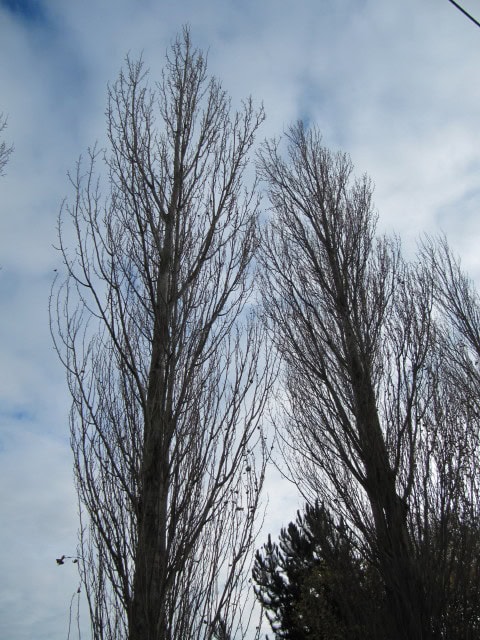
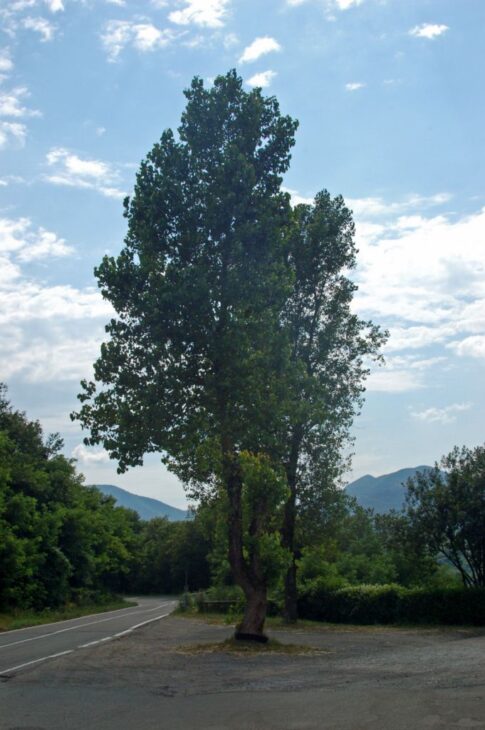
Related Plants


Mentioned In (2)

Trees
8 Trees Similar To Italian Cypress
Italian cypress, Cupressus sempervirens, is a tall columnar tree that is iconic of Mediterranean landscapes and villages. Italian cypresses feature…

Trees
28 Most Common Trees in the World
Our world is filled with nature’s wonders. From mountains and oceans to beaches and forests, every region is filled with…