
Key Facts
- Tall, narrow evergreen conifer with a columnar habit.
- Native to the eastern Mediterranean region.
- Commonly used as a formal screen, windbreak, or specimen tree.
- Drought tolerant once established.
- Prefers well drained soils and dislikes waterlogged sites.
- Susceptible to cypress canker and root rots in poor drainage.
- Propagated by seed and semi hard wood cuttings.
Mediterranean Cypress is a tall, narrow evergreen conifer valued for formal screens and specimen plantings. It keeps a tight columnar shape in full sun and tolerates drought once established, but it needs well drained soil to avoid root rot and canker problems.
Identification
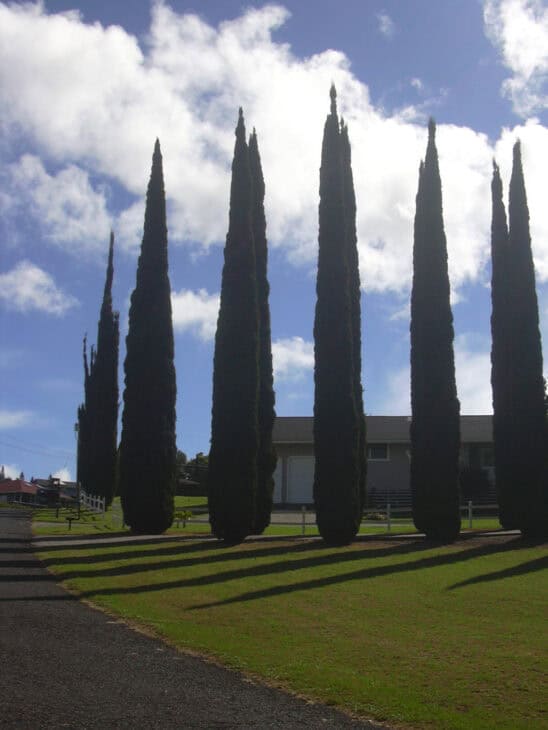
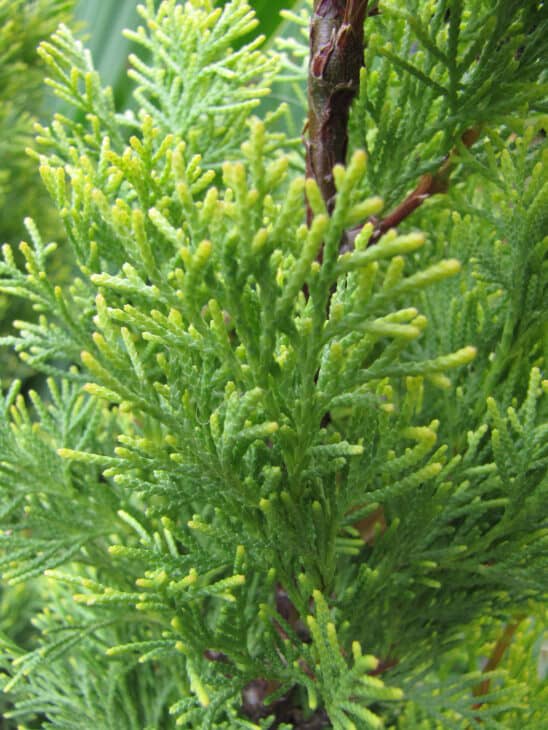
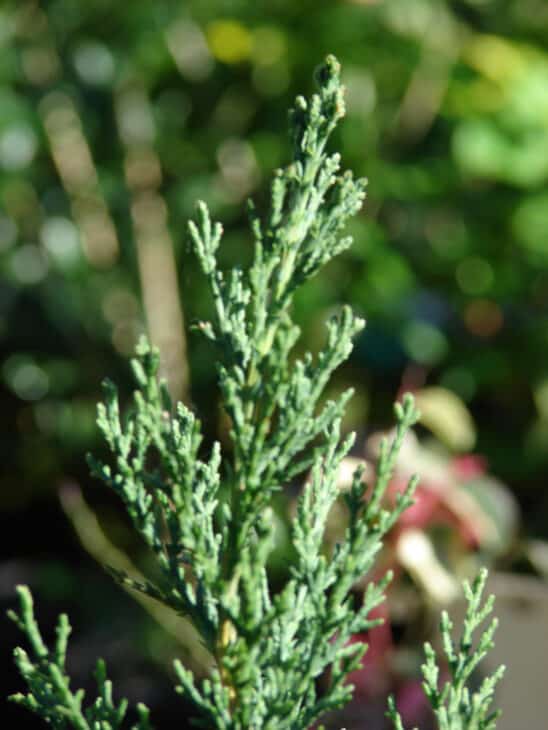
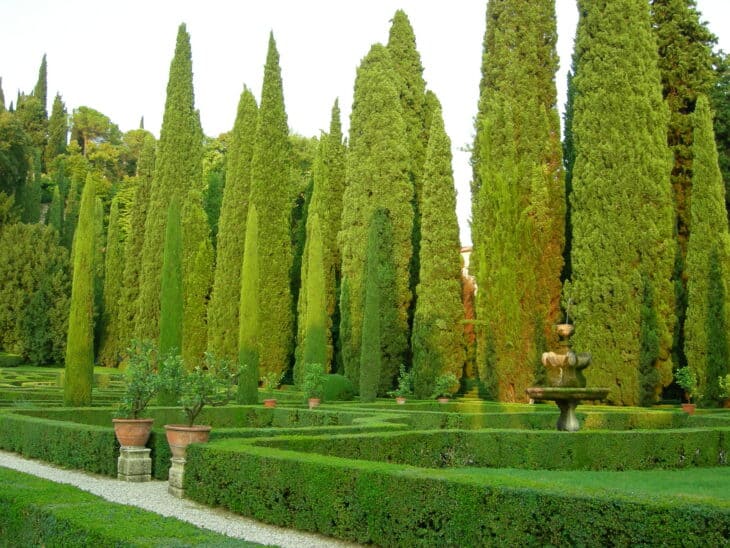
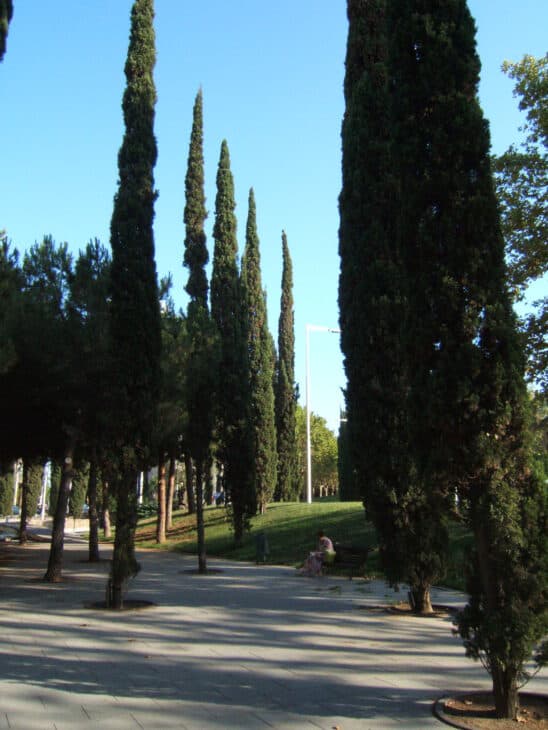
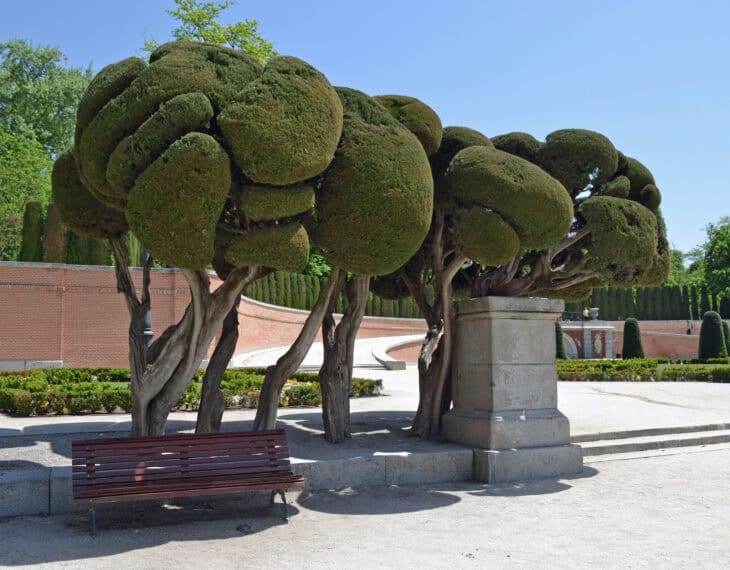
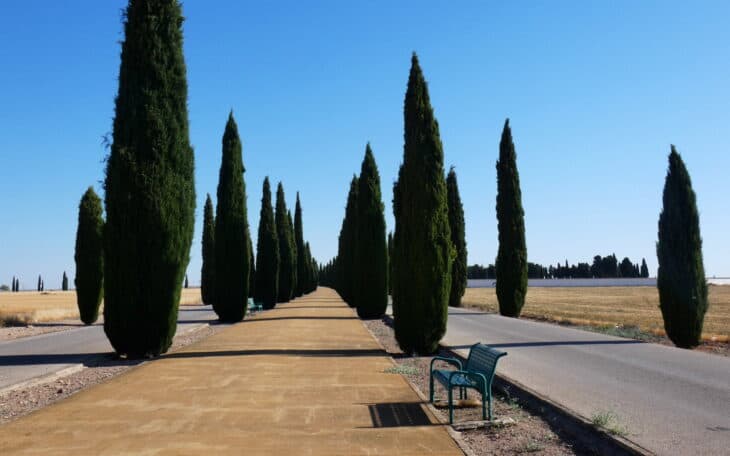
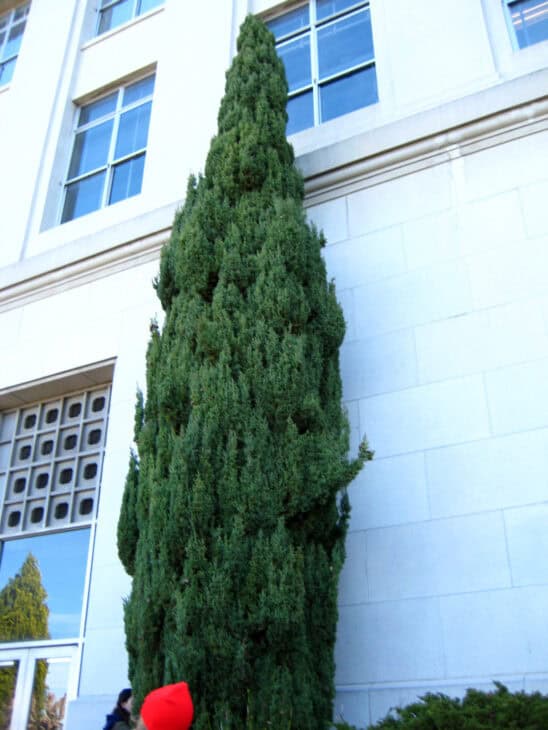
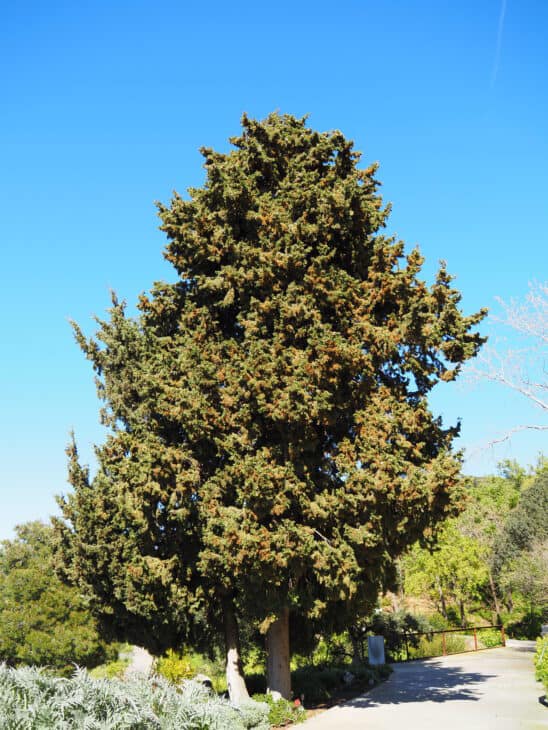
Cupressus sempervirens is a columnar evergreen conifer often called Italian Cypress. Mature plants typically reach about 40 to 65 feet tall with a narrow spread of roughly 3 to 6 feet. Foliage is scale like and cones are small and inconspicuous, so the tree is grown for silhouette more than flowers.
Best uses and where to grow
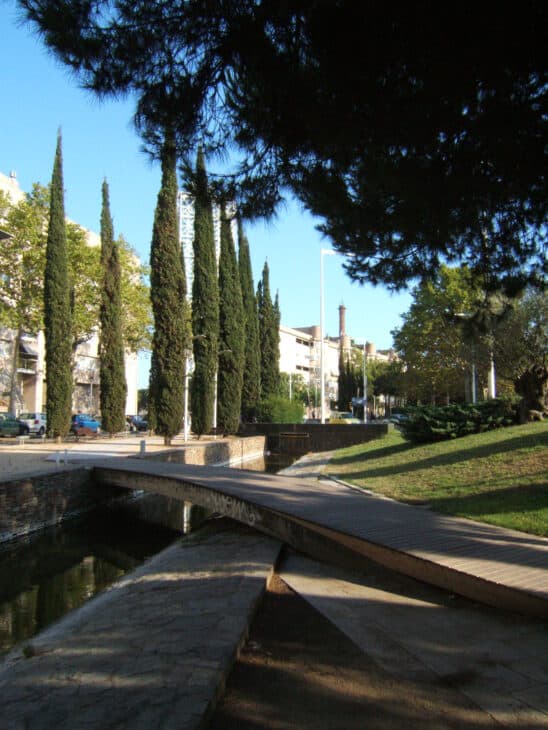
Use Mediterranean Cypress as a formal screen, narrow windbreak, or striking specimen where vertical emphasis is desired. It performs best in full sun and is recommended for climates within USDA zones 7 to 10. The narrow habit makes it useful where lateral space is limited but headroom is available.
Planting and spacing
Plant to match the mature spread and leave room for air circulation to reduce disease risk. For a tight formal screen space trees roughly the expected mature spread apart, about 3 to 6 feet for many landscape selections. For specimens allow several times the spread so trunks and crowns develop without crowding.
Soil, light and watering
Choose well drained, moderately fertile soil and full sun for best form. Mediterranean Cypress tolerates poor and alkaline soils but dislikes waterlogged or compacted sites. Water regularly until established then cut back; excessive moisture or poor drainage promotes root rot and stresses trees, reducing drought tolerance and increasing disease susceptibility.
Care and maintenance
Maintenance needs are modest. Light pruning preserves a neat column and removes dead or crossing branches. Avoid heavy pruning into old wood and try to prune when weather is dry to limit infection risk. Minimal fertilizer is usually sufficient unless site is very poor; overwatering and crowding increase problems more than lack of nutrients.
Pests and diseases
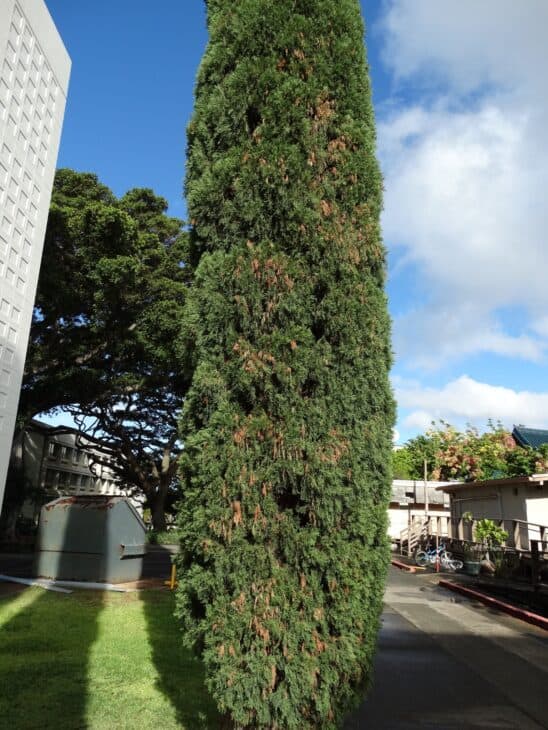
Cypress canker and root rots are the primary disease concerns, especially where drainage is poor or trees are crowded. Monitor for dead branch tips and cankered bark and improve airflow by proper spacing. Selective pruning and correcting wet soil conditions reduce losses; check for regionally resistant cultivars if disease pressure is high.
Propagation
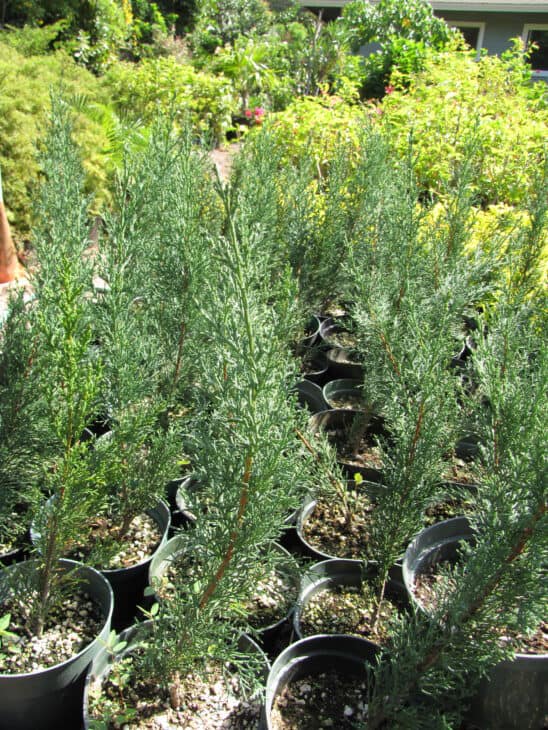
Propagate Mediterranean Cypress by seed or semi hard wood cuttings. Seedlings can vary from the parent so cuttings are preferred to preserve named cultivars and specific traits. Rooting and establishment are easier in well drained media and with consistent moisture until roots develop.
Frequently asked questions
- How fast does Mediterranean Cypress grow?
- Growth rate varies by cultivar and site but it is often moderate to fast in favorable climates. Mature heights typically reach 40 to 65 feet, so expect substantial vertical growth over years.
- Is Mediterranean Cypress suitable for small gardens?
- Its narrow spread makes it usable in tight lateral spaces, but tall mature height can overwhelm small yards. Choose planting sites with enough vertical space or consider smaller cultivars where available.
- Is Mediterranean Cypress drought tolerant?
- Yes once established it tolerates drought, but young trees need regular watering until they are well rooted. Avoid prolonged wet soils which cause root disease and weaken drought resilience.
- Are Mediterranean Cypress trees toxic to pets?
- There are no widely reported severe toxicity listings, but foliage or sap may cause mild skin irritation in sensitive people. Verify ingestion risks with local poison control or veterinary sources for definitive guidance.
- How can I reduce cypress canker risk?
- Plant in well drained soil, avoid crowding, prune to improve air movement, and remove infected wood promptly. Where canker is common choose well adapted cultivars and maintain good site drainage.
Gallery

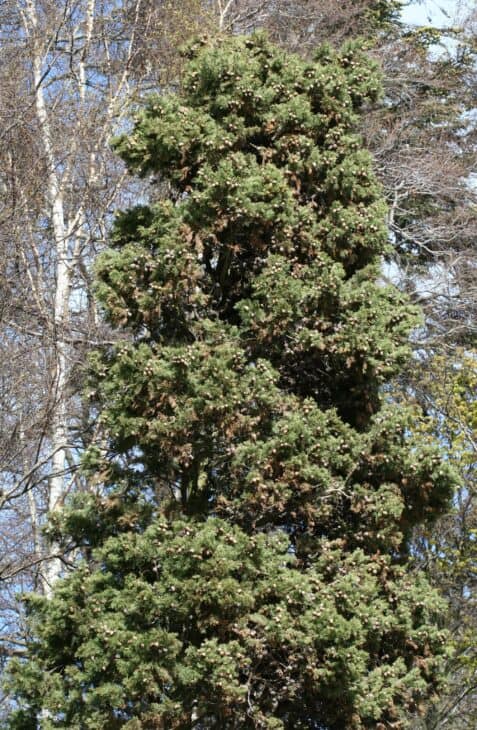
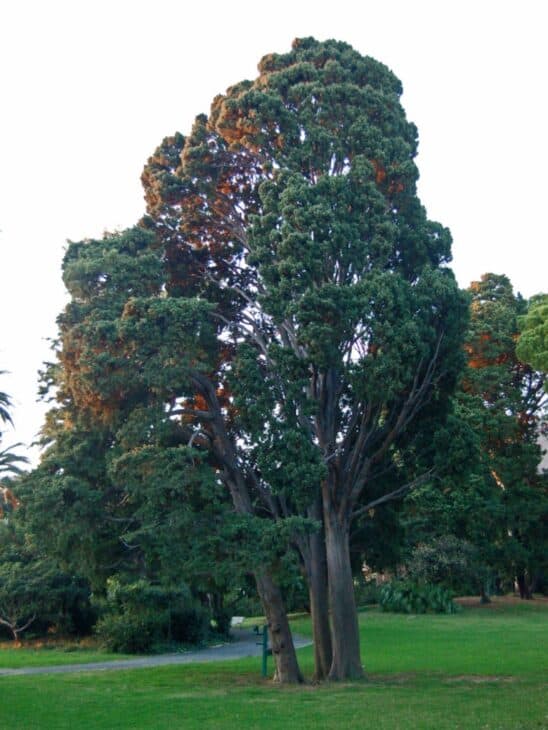
Related Plants


Mentioned In (6)

Trees
4 Pros And 3 Cons Of Italian Cypress Trees
Italian cypress trees (Cupressus sempervirens) are tall, graceful trees sometimes known as the Persian cypress, Mediterranean cypress, Tuscan cypress, or…

Trees
8 Trees Similar To Italian Cypress
Italian cypress, Cupressus sempervirens, is a tall columnar tree that is iconic of Mediterranean landscapes and villages. Italian cypresses feature…

Trees
37 Most Common Trees in Texas
Texas is located in the Southernmost region of the United States and is bordered by New Mexico and other Mexican…

Trees
17 Evergreen Trees in Alabama
Evergreen trees are beautiful, but what you may not know is that there are many different types of evergreens native…

Trees
33 Most Common Trees in Los Angeles
Los Angeles may be a sprawling metropolis, but it's not without its natural beauty. In fact, the city is home…

Trees
28 Most Common Trees in the World
Our world is filled with nature’s wonders. From mountains and oceans to beaches and forests, every region is filled with…