
Key Facts
- Evergreen tree or large houseplant in the mulberry family Moraceae.
- Native to Asia and Australasia and grown indoors worldwide.
- Popular indoor specimen that is sensitive to light and environment changes and may drop leaves.
- Produces very small, hidden fig flowers and occasional small figs in warm climates.
- Contains milky sap that can irritate skin and is toxic to pets if ingested.
- Propagated easily by stem cuttings and by air layering.
- Best grown in moist, well drained soil and bright filtered light.
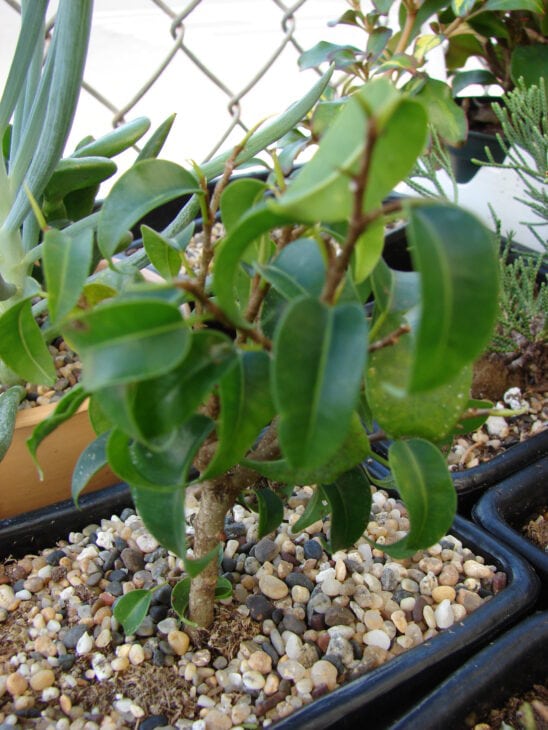
Weeping Fig (Ficus benjamina) is an evergreen tree commonly grown as a houseplant or outdoor specimen in frost free climates. It offers glossy arching foliage and a formal look indoors but is sensitive to light changes and environmental stress which often causes leaf drop.
Identification
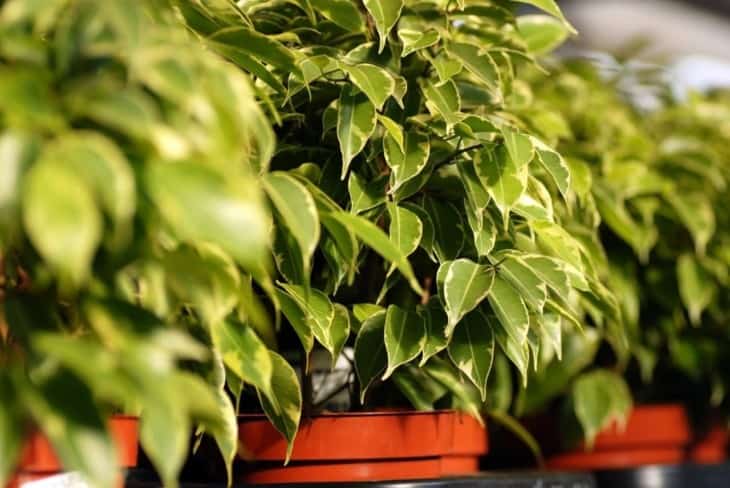
Ficus benjamina is an evergreen member of the mulberry family with slender arching branches and glossy leaves. It produces tiny hidden fig flowers and only rarely fruits in cool indoor settings. The plant contains a milky sap that can irritate skin and is toxic to cats and dogs if eaten.
Best uses and where to grow
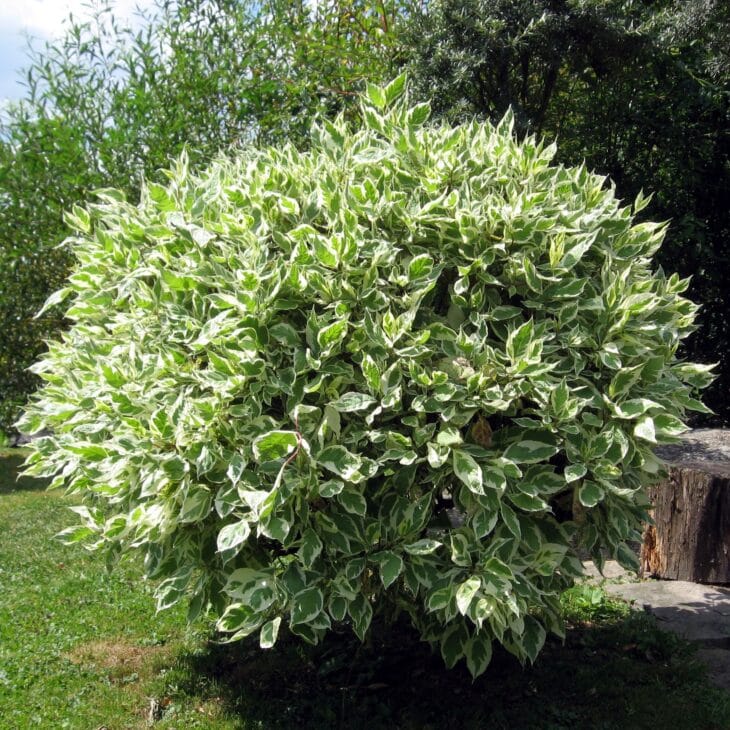
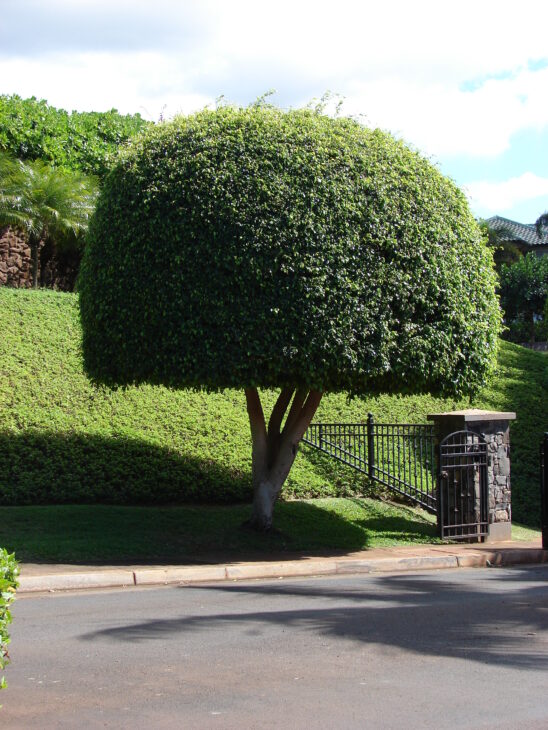
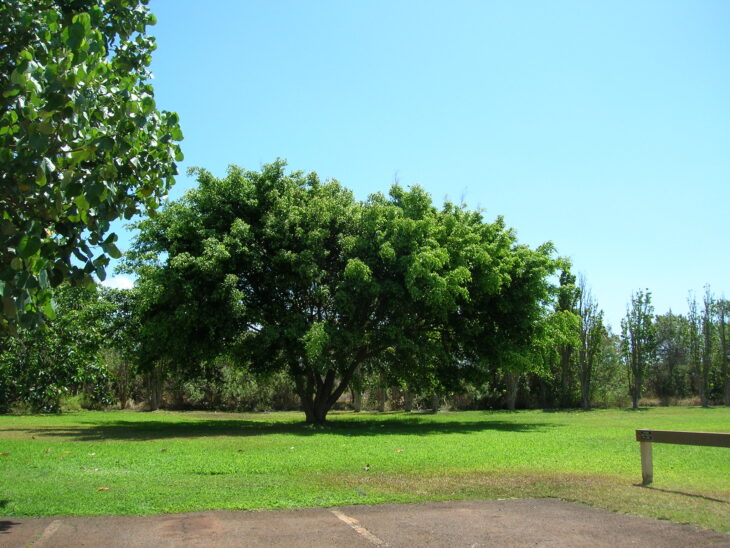
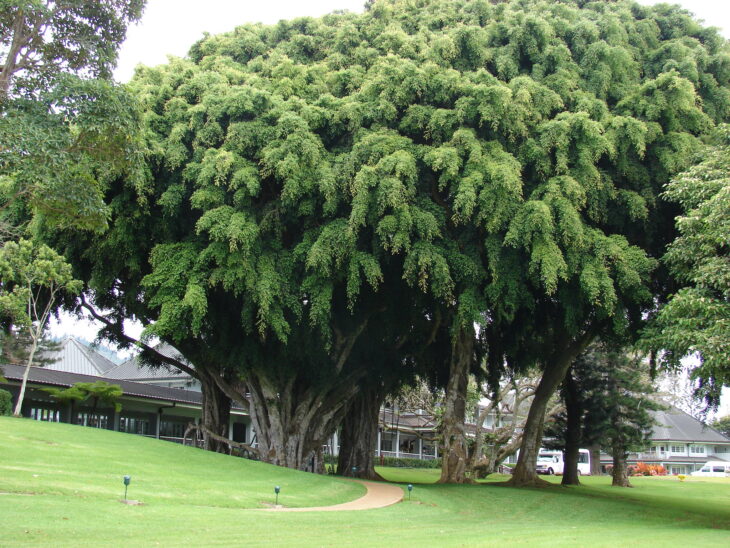
Use the Weeping Fig as a tall indoor specimen tree or patio focal point in climates without frost. For outdoor landscape planting limit use to frost free areas matching USDA zones 10 through 11. Expect much larger size and broad canopy when grown in the landscape compared with container specimens.
Light and soil
Place the plant in bright filtered light or morning sun and avoid sudden moves into very different light which trigger leaf drop. It tolerates moderate shade. Plant in a moist fertile potting mix or garden soil that drains well and avoid waterlogged conditions that encourage root rot.
Watering and maintenance
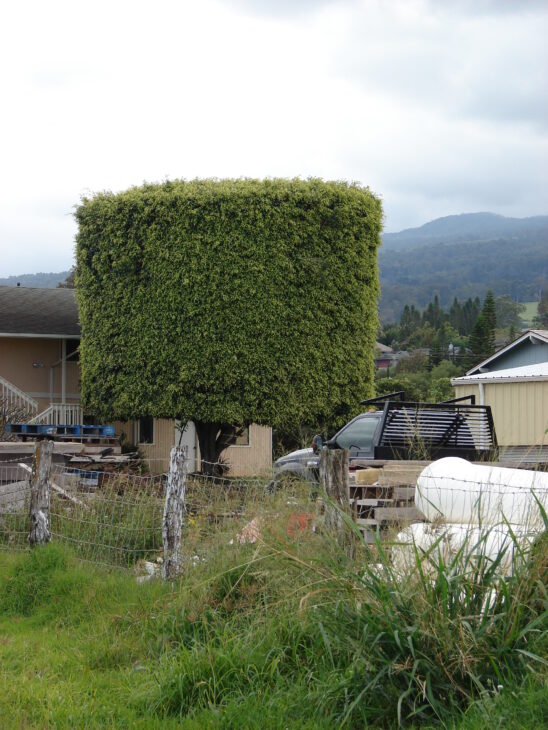
Keep soil evenly moist but not saturated to support steady growth and avoid root problems. Sudden changes in light, drafts or cold conditions commonly cause leaves to drop. Prune to shape and control size and remove low or crowded branches to improve air flow and light penetration.
Containers and indoor care
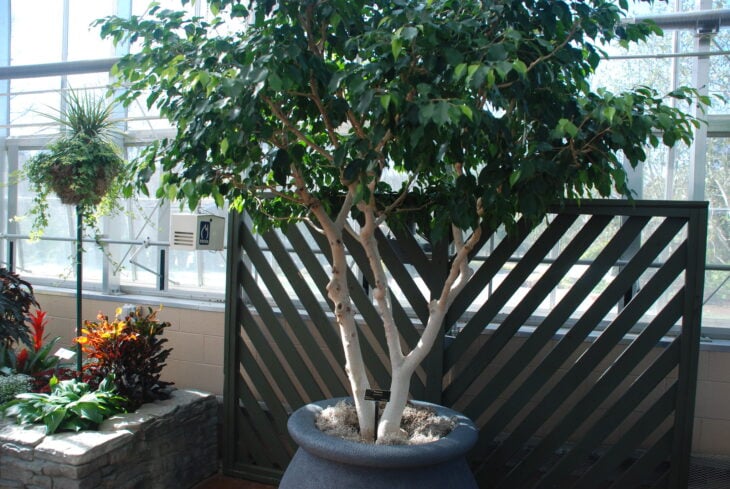
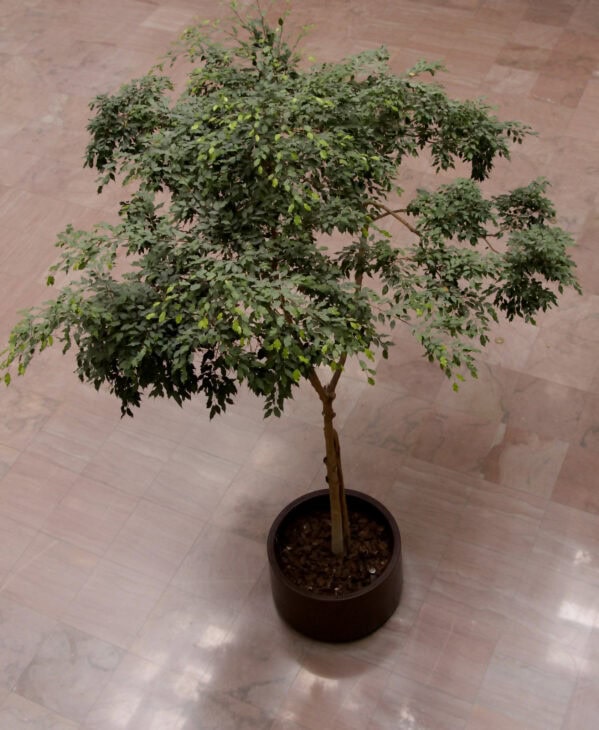
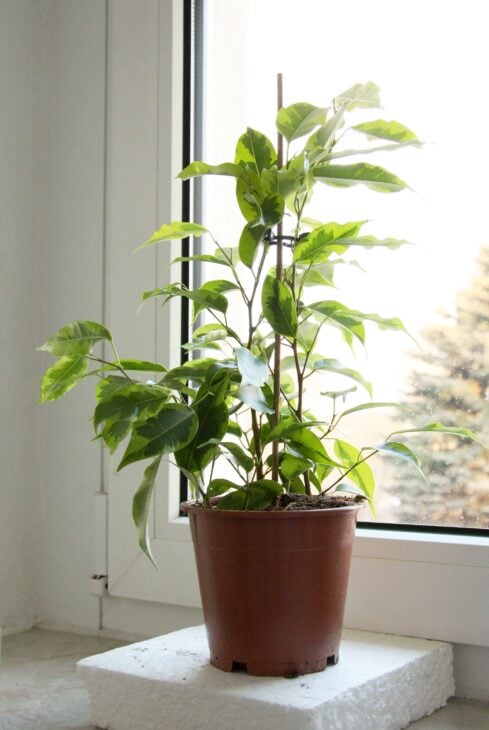
As a houseplant it typically reaches about 3 to 10 feet tall with a 3 to 6 foot spread depending on pot size and pruning. Use a well drained potting mix and increase humidity if indoor air is very dry. Move plants gradually when changing light levels to reduce stress and leaf loss.
Problems and safety
The milky sap can cause contact dermatitis in sensitive people and ingestion is toxic to pets producing oral irritation and vomiting. Cold exposure leads to leaf drop and dieback in non frost free areas. For suspected poisoning seek veterinary or poison control advice.
Propagation
Propagate by softwood to semi ripe stem cuttings or by air layering for larger specimens. Use a well drained cutting medium, keep cuttings humid and warm and expect faster success when light and moisture are consistent.
Frequently asked questions
- How fast does a Weeping Fig grow?
- Growth rate varies with light water and root space. Indoors growth is typically moderate and slows with limited light or pot space. Outdoors in frost free climates plants can grow into large trees over many years.
- When can I plant a Weeping Fig outdoors?
- Plant outdoors only in frost free sites appropriate for USDA zones 10 to 11. In colder areas keep the plant as a container specimen and move it indoors before cold weather arrives.
- When should I repot a container plant?
- Repot when roots fill the pot or when growth slows despite good light. Move up one pot size and refresh the potting mix to restore fertility and drainage.
- Why is my Weeping Fig dropping leaves?
- Leaf drop commonly follows sudden changes in light or location or exposure to cold drafts. Root problems from poor drainage and prolonged wet soil also cause leaf loss. Restore consistent light and proper drainage to reduce drop.
- Is the Weeping Fig safe around pets?
- No. The plant is toxic to cats and dogs if ingested and its sap can irritate skin. Keep it out of reach of pets and wash skin after sap contact. For exposures contact a veterinarian or poison control center.
Gallery




Related Plants

Mentioned In (2)
Trees
The Best Types of Bonsai Trees for Beginners
Bonsai doesn't demand a master's touch to thrive. Some species forgive missed waterings, tolerate low light, and actually improve when…

Trees
28 Most Common Trees in the World
Our world is filled with nature’s wonders. From mountains and oceans to beaches and forests, every region is filled with…