
Key Facts
- Tropical evergreen perennial grown as a houseplant or outdoor groundcover in warm climates.
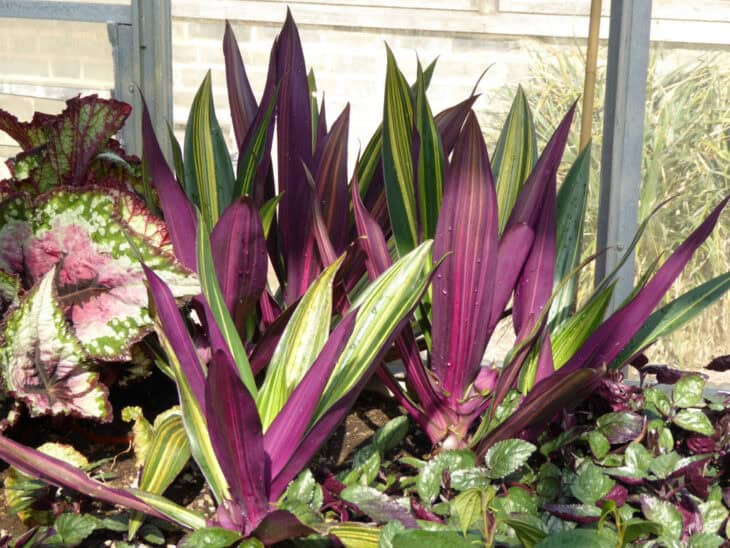
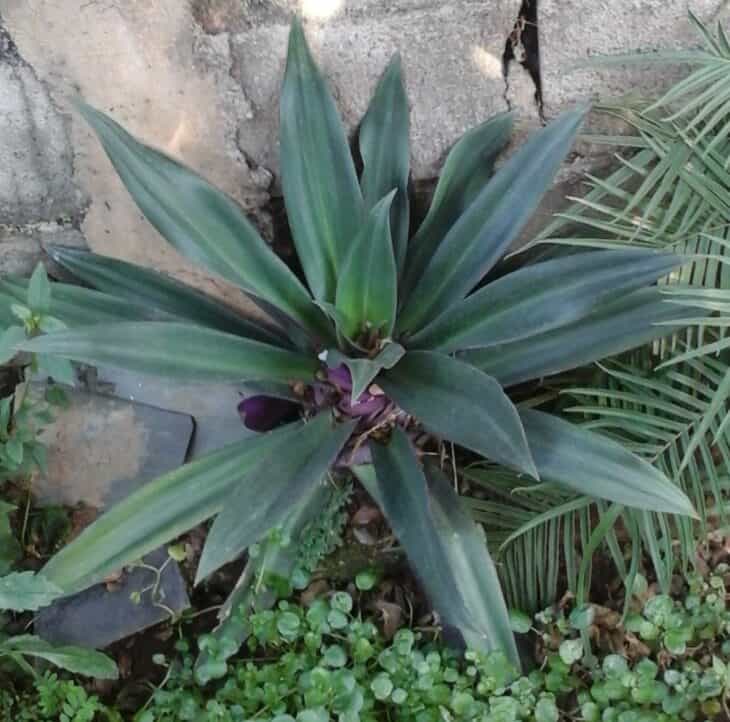
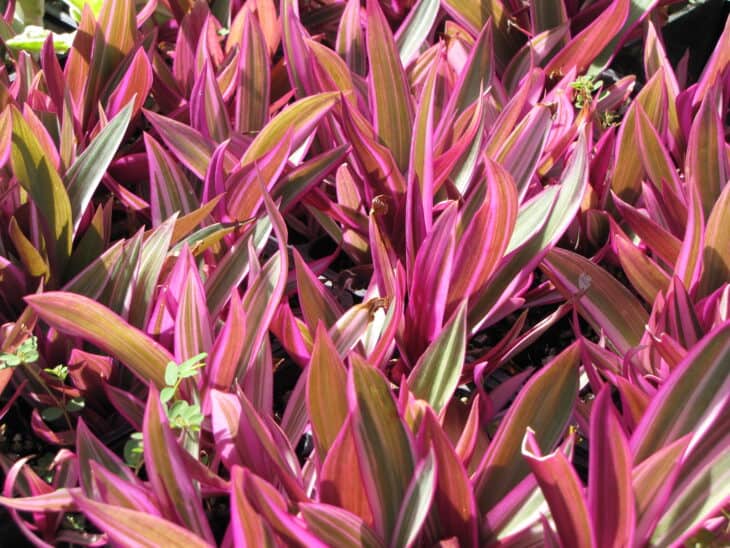
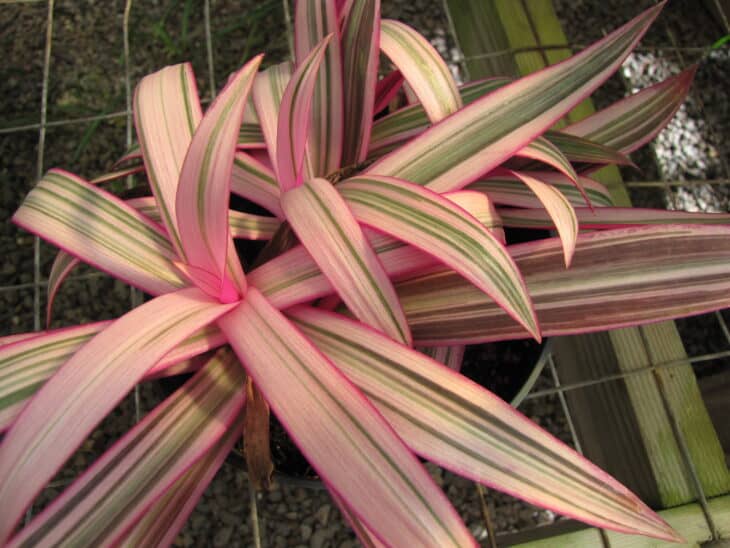
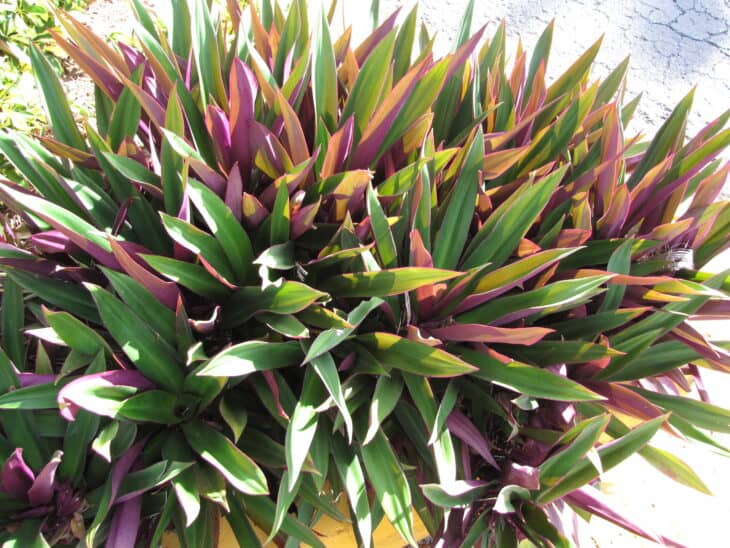
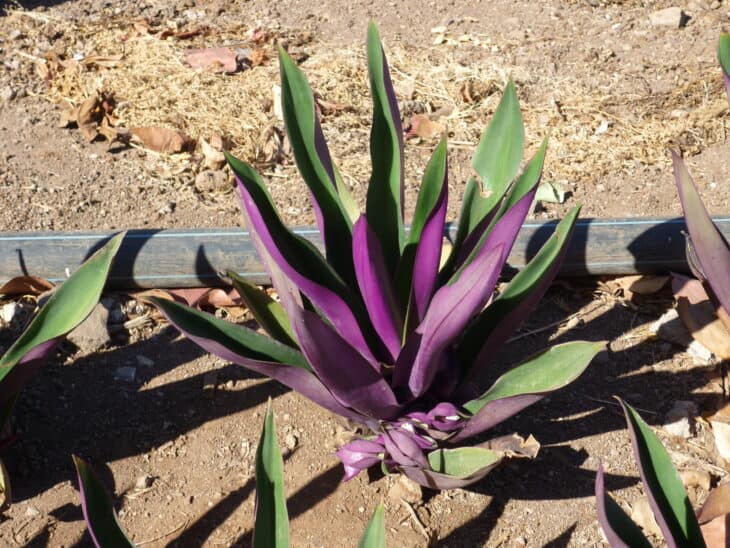
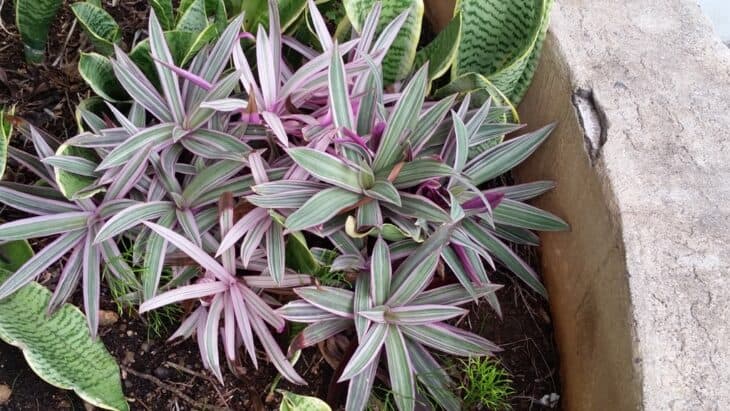
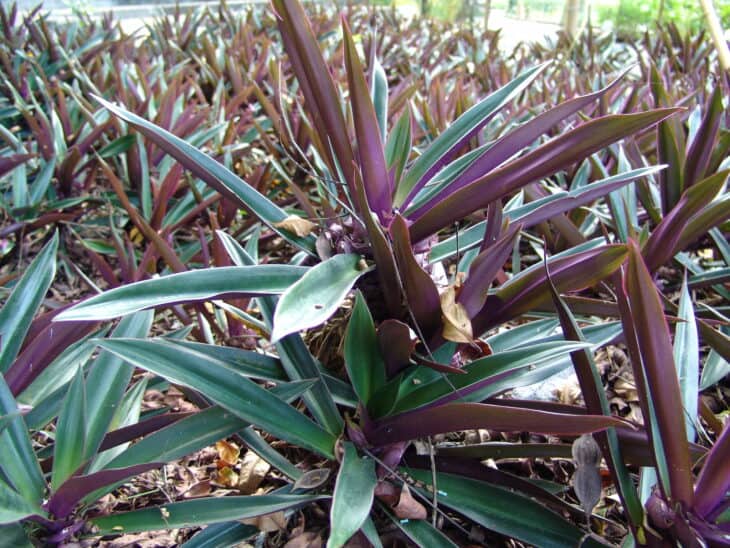
- Leaves form a low rosette with green upper surfaces and purple undersides.
- Produces small three-petaled pink to purple flowers in the leaf axils.
- Spreads by offsets and can form dense mats in suitable climates.
- Easy to propagate by division or stem and tip cuttings.
- Prefers moist well-drained soil and tolerates a range of soil types.
- Does best in bright indirect light to partial shade.
- Can be grown in containers and brought indoors in colder regions.
- Handling the sap may cause mild skin irritation in sensitive people.
- Ingestion may cause mild gastrointestinal upset in pets.
Boat Lily is a low tropical perennial grown as a houseplant or as a groundcover in warm climates. The foliage forms a rosette with green upper surfaces and purple undersides and small pink to purple three petaled flowers appear in the leaf axils.
Identification
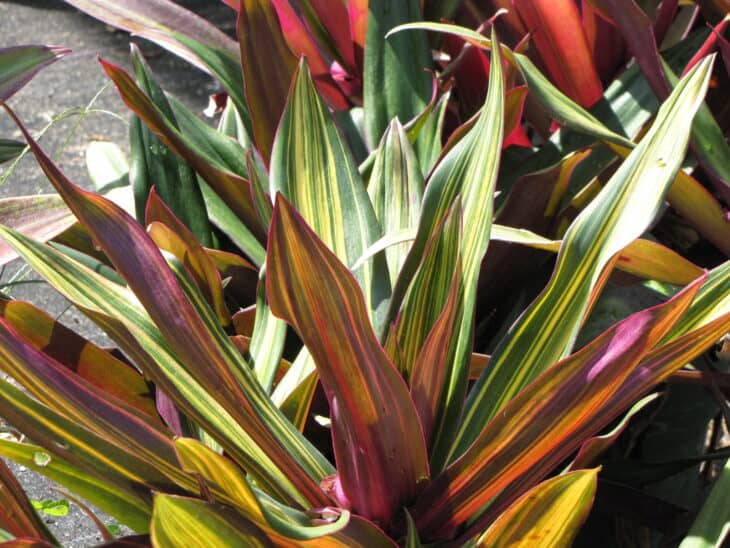
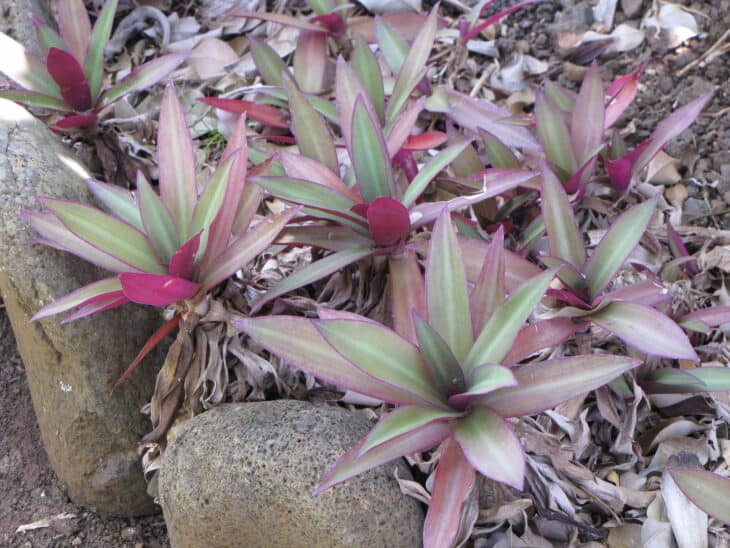
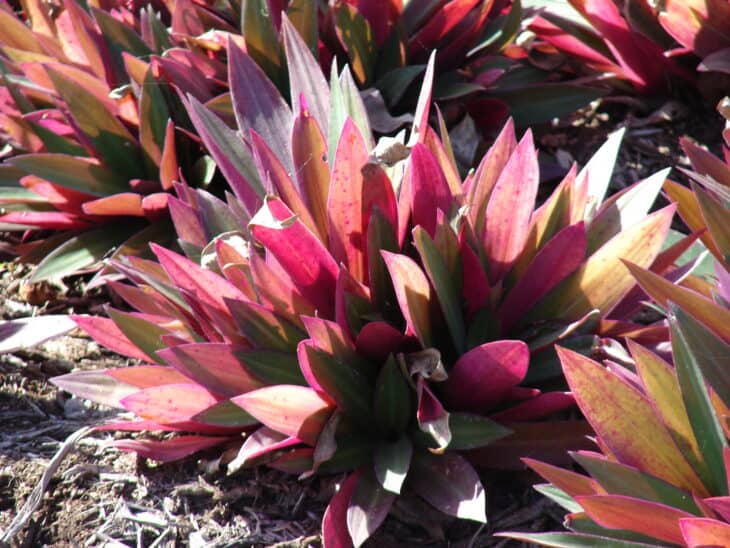
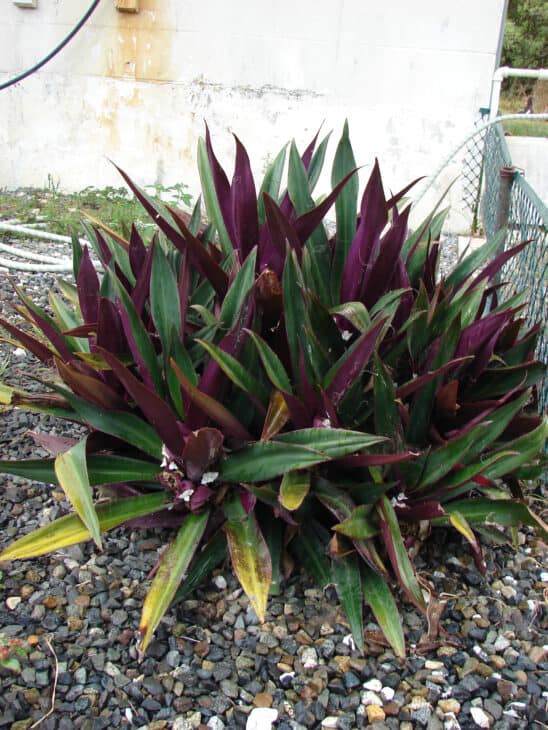
Leaves form a compact rosette with glossy green tops and distinctive purple undersides that are visible when the plant is disturbed. Foliage height is typically 6 to 10 inches from ground to leaf tips and clumps commonly reach about 12 to 24 inches across. Flowers are small three petaled pink to purple blooms tucked in the leaf axils.
Where to grow and best uses
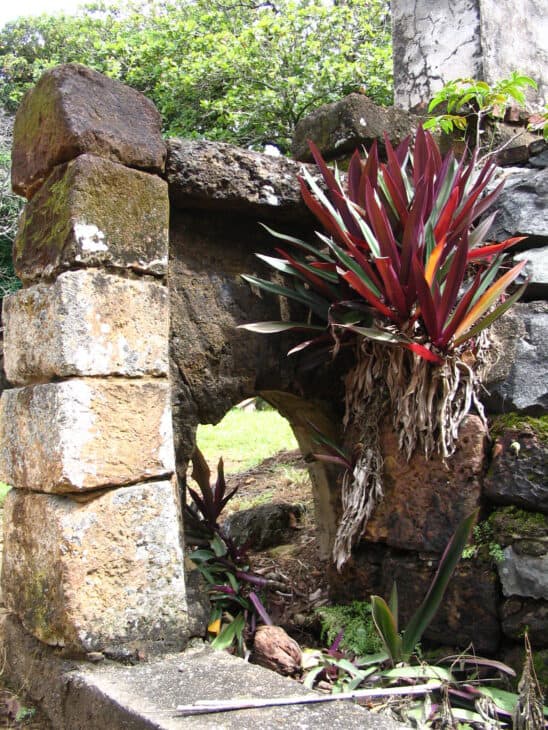
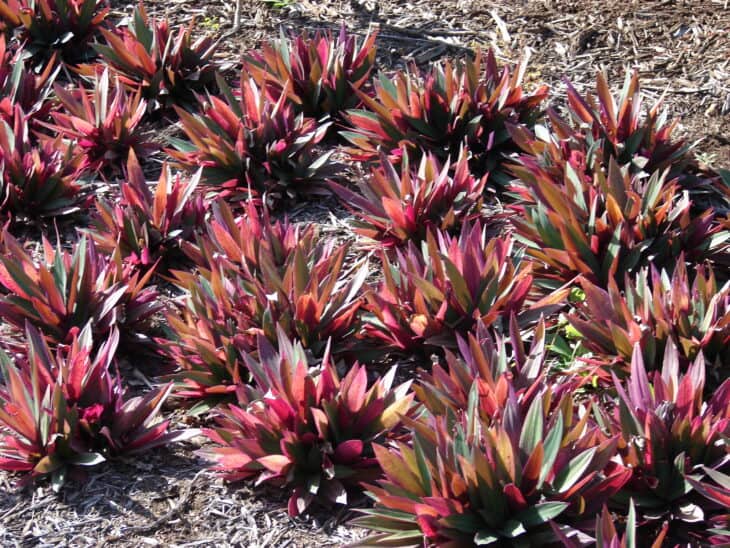
Use Boat Lily as a tropical container specimen indoors or as a low groundcover in frost free landscapes. It is suitable for USDA zones 9 to 11 and is frost tender outside those areas. In colder climates grow it in pots that can be brought indoors before temperatures drop.
Planting and spacing
Place plants with 12 to 24 inches between crowns to allow clumps to spread by offsets. Set plants at the same depth as they grew in the nursery container and choose a spot with good drainage to prevent soggy soil. For outdoor planting wait until soil and air are reliably frost free in your area.
Light and soil
Boat Lily does best in bright indirect light to partial shade and tolerates deeper shade with reduced vigor. Select moist well drained soil such as loam or sandy loam and avoid waterlogged conditions. Leaf color and overall vigor are usually better with some filtered light rather than dense shade.
Watering
Keep the soil consistently moist but not saturated to prevent root rot. In containers allow the top inch of potting mix to dry slightly between waterings. Overwatering in poorly drained soil causes yellowing and decay while extended dry periods reduce growth and can dull the purple underside of the leaves.
After flowering care
Flowers are small and often short lived so focus on maintaining tidy foliage. Remove spent flower parts and old leaves to improve appearance and air circulation. In landscapes thin crowded clumps by dividing offsets to rejuvenate the planting and reduce disease risk.
Controlling spread and naturalizing
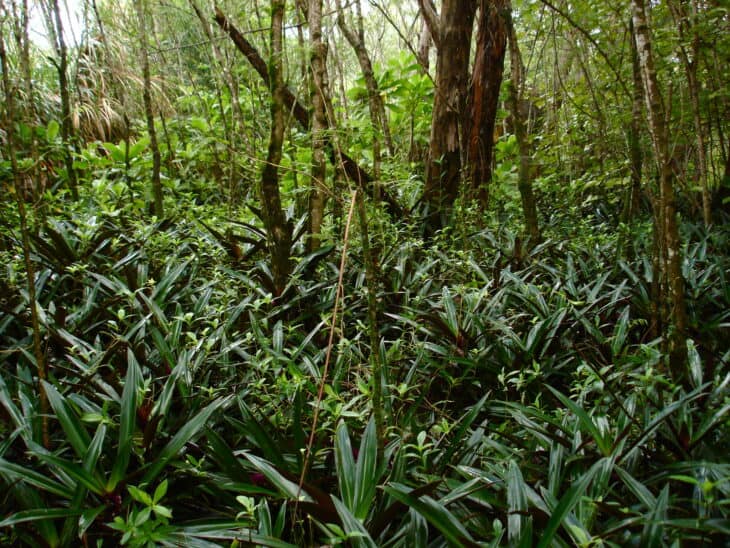
Boat Lily spreads by offsets and can form dense mats in suitable climates. Control expansion by digging out excess offsets or by planting in edged beds and containers. In warm regions where it naturalizes monitor borders and separate clumps annually to prevent overcrowding of nearby plants.
Containers and overwintering
Growing in pots is an easy way to enjoy Boat Lily outside the frost free range. Bring containers indoors before freezing weather and place in bright indirect light. Reduce watering during cool indoor winters but avoid letting the potting mix dry completely while the plant acclimates indoors.
Propagation
Propagate by division or by stem and tip cuttings. Offsets lift and replant easily and stem cuttings root readily in water or a moist potting mix. Keep cuttings warm and humid until roots establish and pot on once new growth confirms a good root system.
Frequently asked questions
- How fast does Boat Lily grow?
- Growth rate varies with light water and temperature. It spreads by offsets and can form dense mats in suitable climates when conditions are favorable.
- How much light does it need?
- Bright indirect light to partial shade is best. Strong direct sun may bleach leaves and deep shade can make the plant leggy and reduce leaf color.
- Is Boat Lily toxic to pets?
- Handling the sap can irritate sensitive skin and ingestion may cause mild gastrointestinal upset in pets. Confirm current listings with poison control or the ASPCA for definitive guidance.
- Can it survive frost?
- It is frost tender and typically grown outdoors only in USDA zones 9 to 11. In colder regions grow it in containers and overwinter indoors before freezing temperatures arrive.
- How do I propagate Boat Lily?
- Divide clumps or root stem and tip cuttings. Offsets replant readily and cuttings root well in water or moist potting mix under warm humid conditions.
Gallery

Related Plants


Mentioned In (1)
Plants
7 Plants That Look Like Wandering Jew (Inch plant)
The Wandering Jew plant or Inch Plant as they are commonly known, are incredibly diverse. With a wide variety of…