
Key Facts
- Herbaceous clump forming perennial.
- Native to eastern North America.
- Three petaled flowers appear in spring to early summer.
- Flower colors include blue purple pink and white.
- Forms grassy, strap like foliage.
- Typically grown in borders and native plant gardens.
- Attracts bees and other pollinators.
- Spreads by seed and by clumping rhizomes or divisions.
Spider Lily is a clump forming perennial with grassy, strap like leaves and three petaled flowers that appear in spring to early summer. Often used in borders and native plantings it attracts bees and other pollinators yet spreads by seed and by clumping rhizomes so placement matters.
Identification
Tradescantia virginiana forms herbaceous clumps of strap like foliage and produces three petaled flowers in spring to early summer. Flower colors include blue purple pink and white. Typical height ranges from 12 to 36 inches and clumps commonly spread about 12 to 24 inches across as plants mature.
Where to grow and best uses
Grow Spider Lily in borders native plant gardens and naturalized masses where seasonal color and pollinator value are desired. It is suitable for USDA zones 4 to 9 and performs best in full sun to part shade. Use it as a midborder filler or in meadow style plantings where modest spreading is acceptable.
Planting time and spacing
Divide and plant clumps in spring or fall when soil is workable to reduce transplant shock. Space plants roughly 12 to 24 inches apart to allow clumps to fill in without crowding. Seedlings and divisions establish more predictably when planted into moist well drained soil at the start of the growing season.
Soil light and watering
Spider Lily prefers fertile consistently moist well drained soil but tolerates average to clay soils and short dry periods once established. Give it full sun to part shade for best flowering with stronger foliage in lighter shade. Avoid poorly drained sites as waterlogged soil can reduce vigor and cause crown problems.
After flowering care
Remove spent flower stalks and any persistent seed capsules to limit self seeding and keep the bed tidy. In colder parts of its range plants may die back to the ground and reemerge in spring. Rejuvenate crowded clumps by lifting and dividing in spring or fall to restore vigor and control size.
Propagation
Propagate by division in spring or fall for true to type results. Seed will produce new plants but offspring may vary from the parent. Basal cuttings can also root. Division is the simplest method to expand a planting or share clumps and produces immediate established plants.
Controlling spread and naturalizing
Spider Lily spreads both by seed and by clumping rhizomes so it can naturalize in favorable conditions and expand more rapidly in warmer zones. Limit unwanted spread by removing seed heads before they set and by periodically dividing and thinning clumps. Contain masses with edging if you need to prevent drift into nearby beds.
Frequently asked questions
- How fast does Spider Lily grow?
- Growth is generally moderate. It spreads slowly by forming clumps and can expand over time by division and seed. Typical clump spread is about 12 to 24 inches but expansion can be faster in warmer climates.
- When does Spider Lily bloom?
- Flowers appear in spring to early summer commonly from May through July in the Northern Hemisphere. Exact timing shifts with local climate and site conditions.
- How tall does Spider Lily get?
- Expect heights of about 12 to 36 inches depending on cultivar and growing conditions. Some plants stay at the low end while others reach the taller range in rich soil and full sun.
- Can I grow Spider Lily in part shade?
- Yes it tolerates part shade and often develops stronger foliage there. For best flowering provide at least part of the day in sun as blooms are generally more profuse with more light.
- What is the easiest way to propagate Spider Lily?
- Division in spring or fall is the simplest reliable method. It produces clones of the parent and quickly restores established clumps in the garden.
Related Plants


Mentioned In (1)
Plants
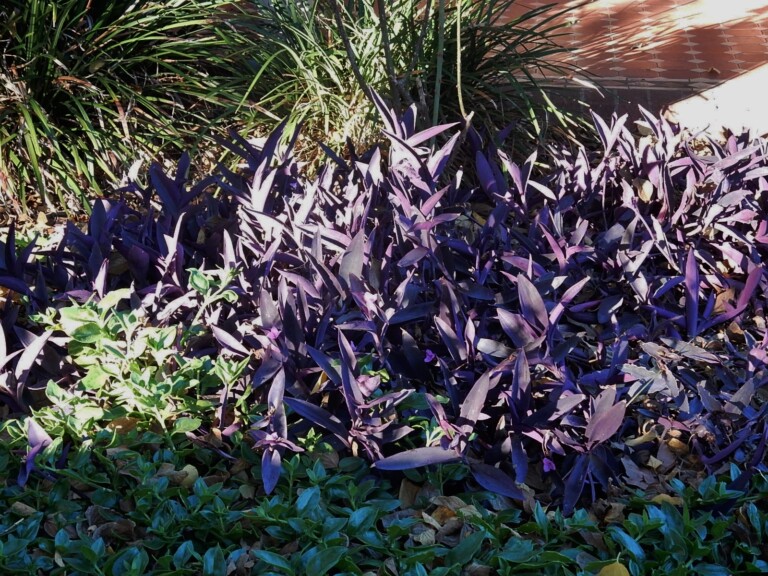
7 Plants That Look Like Wandering Jew (Inch plant)
The Wandering Jew plant or Inch Plant as they are commonly known, are incredibly diverse. With a wide variety of…