
Key Facts
- Belongs to the Tradescantia genus in the spiderwort family Commelinaceae.
- Herbaceous perennial growth habit reported for many Tradescantia species.
- Flowers typically three petaled and produced in spring to early summer.
- Spreads by short rhizomes or clumping stems in similar Tradescantia species.
- Prefers moist, well drained garden soil and tolerates part shade.
- Easily propagated by division and stem cuttings.
- Common name is ambiguous and can be confused with true crocus species.
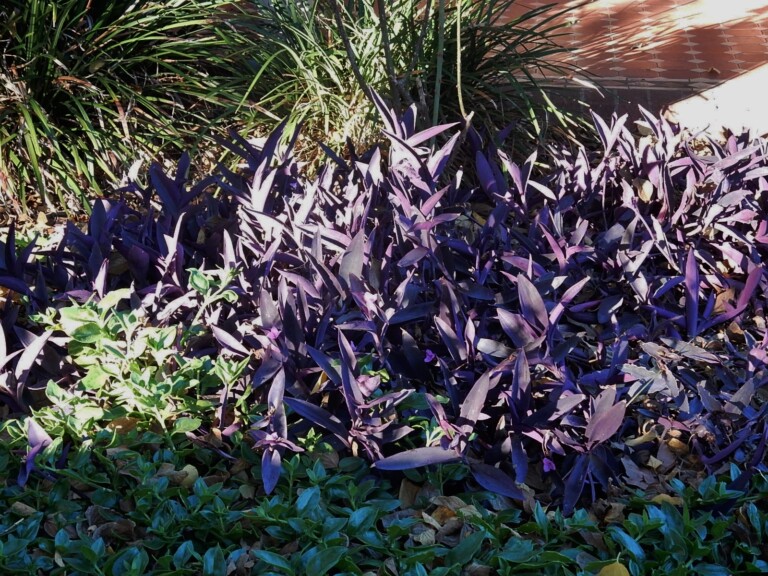
Wild Crocus, listed as Tradescantia longipes, is a clumping herbaceous plant valued for spring to early summer three petaled flowers and easy propagation. The common name can be confused with true crocus species so confirm identity before labeling or buying.
Identification
Belongs to the Tradescantia genus in the spiderwort family Commelinaceae. Plants typically form low clumps 12 to 24 inches tall with similar spread. Flowers are usually three petaled and appear in spring to early summer. Confirm species identity by comparing foliage and flower details with an authoritative source.
Best uses and where to grow
Useful as a perennial clump for borders ground cover or naturalized patches in temperate gardens. Suggested USDA hardiness zones are 4 to 9 as a starting point. In cooler zones plants may die back and in warmer zones they can persist longer or spread more aggressively.
Planting and spacing
Place plants where they can reach a mature spread near 12 to 24 inches. Set spaced plants to allow room to form clumps and short rhizomes. Establish plants during the active growing season when soil is workable so roots can settle before cold or extreme heat.
Soil and watering
Prefers moist fertile well drained soil but tolerates average garden soils including some clay. Avoid waterlogged conditions because standing wet soil encourages root rot and decline. Regular soil moisture during establishment helps plants form healthy clumps and flowering displays.
Light and maintenance
Performs in full sun to part shade with afternoon shade helpful in hot climates to protect foliage and preserve flowering. Too much shade reduces blooms. Maintain tidy clumps by removing dead stems and dividing crowded plants every few years to renew vigor.
After flowering and propagation
Cut back spent flower stalks to tidy the planting and encourage fresh growth. Tradescantia are easily propagated by division and stem cuttings and by seed when available. Dividing crowded clumps in spring or fall renews plants and supplies material for new beds.
Controlling spread and naturalizing
Related Tradescantia species spread by short rhizomes or clumping stems and can naturalize in favorable sites. Control spread with periodic division physical edging and by removing runners. Expect modest to moderate spreading and plan planting locations accordingly.
Containers and indoor growing
Works in containers for patios or raised beds when given moist well drained mix and adequate light. Containers help limit spread and make division and overwintering easier in colder climates. Allow soil to dry slightly between waterings to avoid waterlogged root conditions.
Frequently asked questions
- How fast does Wild Crocus grow?
- Growth rate varies by site and cultivar. Many Tradescantia reach a 12 to 24 inch height and spread and often fill that space over one to a few seasons in favorable conditions.
- What months does Wild Crocus bloom?
- Flowering generally occurs from spring into early summer. Exact months depend on local climate and latitude.
- What soil does Wild Crocus prefer?
- It prefers moist fertile well drained soil and tolerates average garden soils including some clay. Avoid soils that stay waterlogged.
- How do I propagate Wild Crocus?
- Division and stem cuttings are the easiest methods. Seed propagation is possible when seed is available.
- Is Wild Crocus invasive?
- It can naturalize by short rhizomes or spreading stems in favorable conditions. Monitor plantings and divide or edge beds to prevent unwanted spread.
Related Plants


Mentioned In (1)
Plants
7 Plants That Look Like Wandering Jew (Inch plant)
The Wandering Jew plant or Inch Plant as they are commonly known, are incredibly diverse. With a wide variety of…