
Key Facts
- Native to much of eastern and central North America.
- A member of the milkweed family and a host plant for monarch caterpillars.
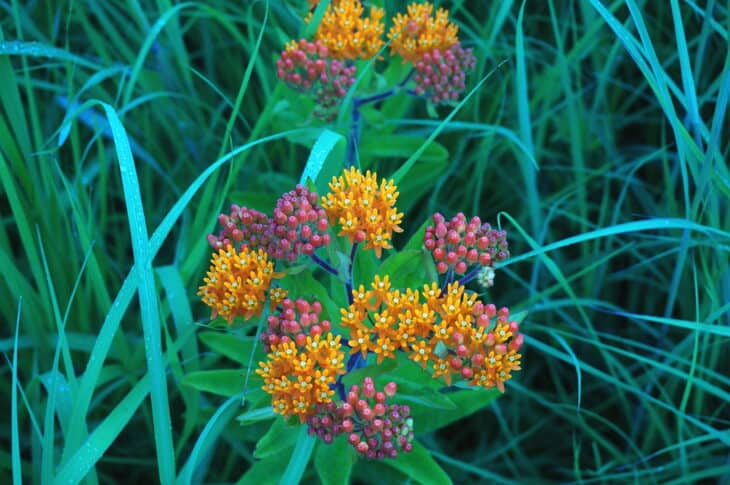
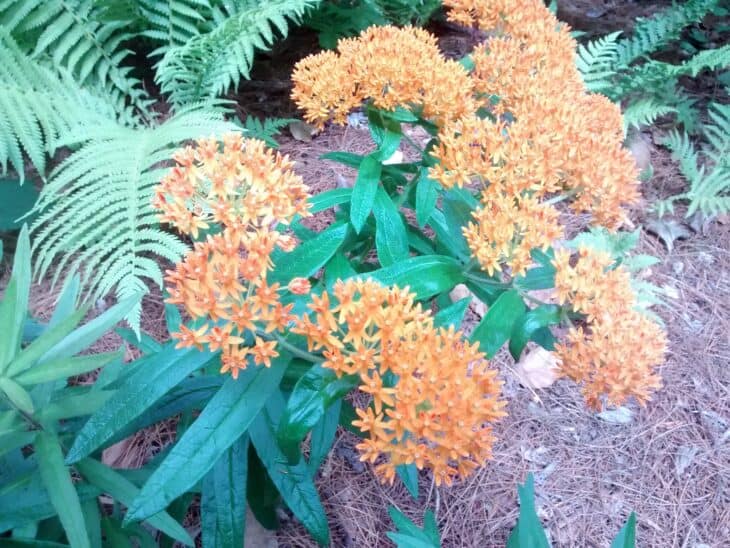
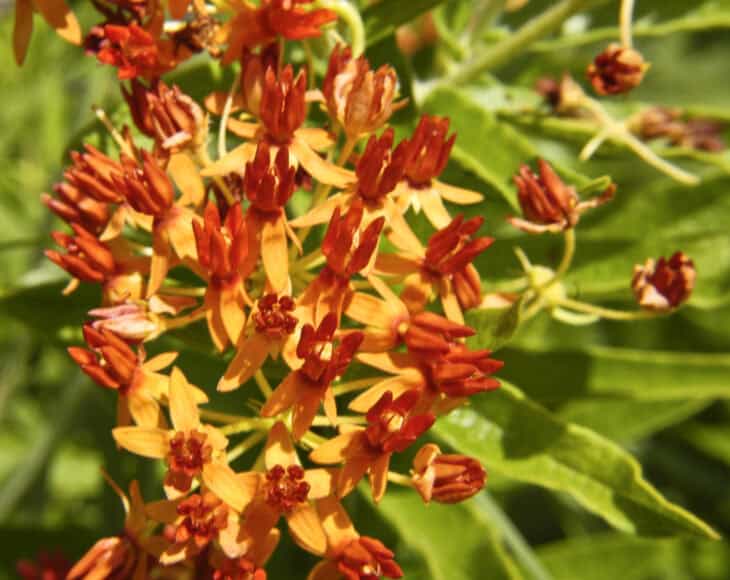
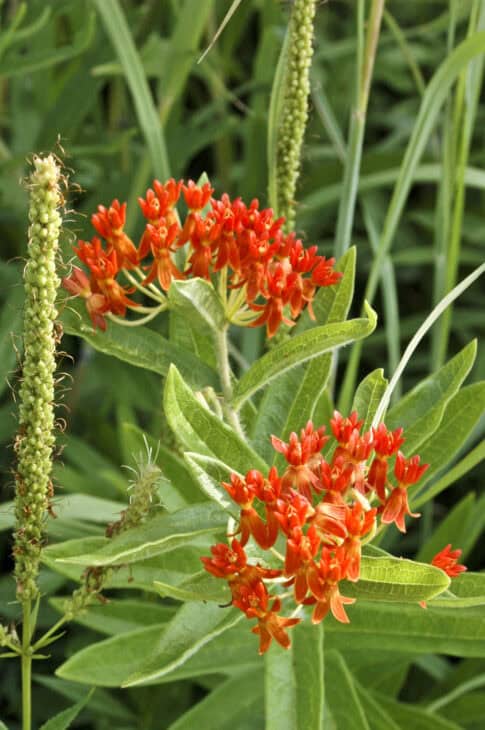
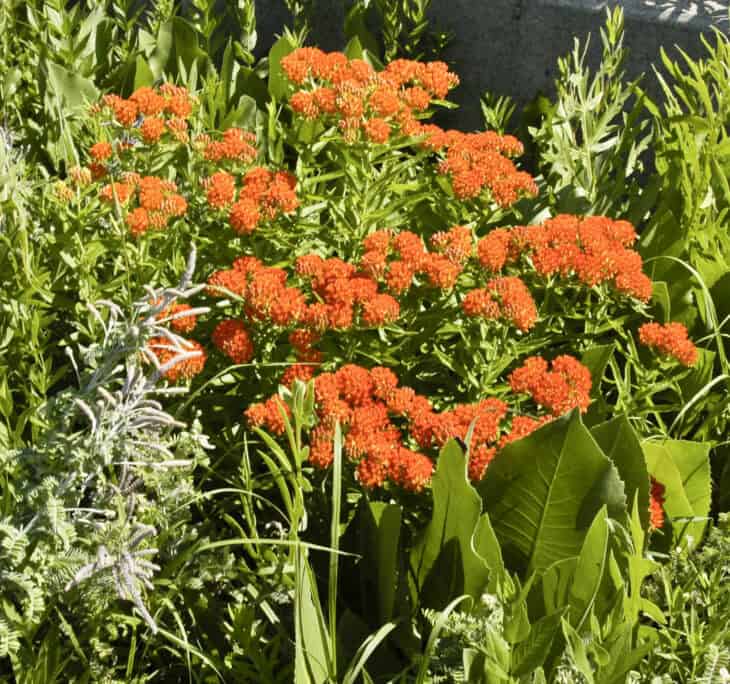
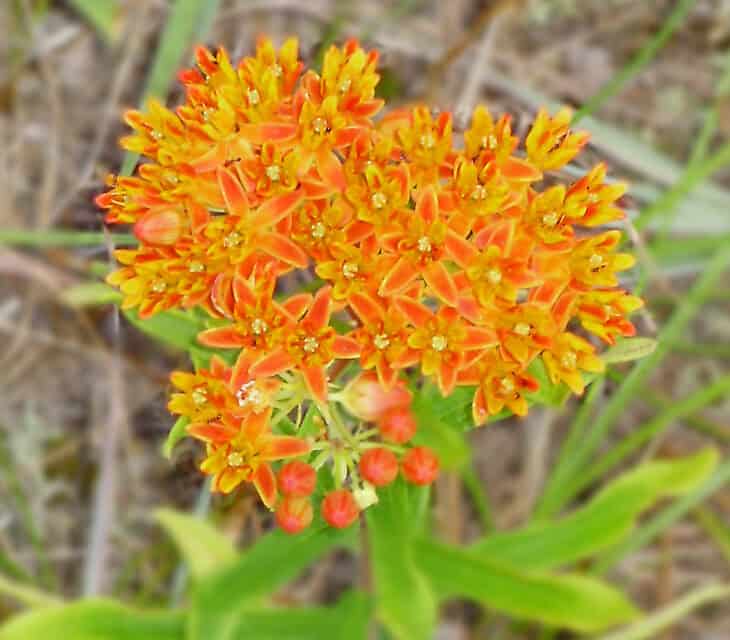
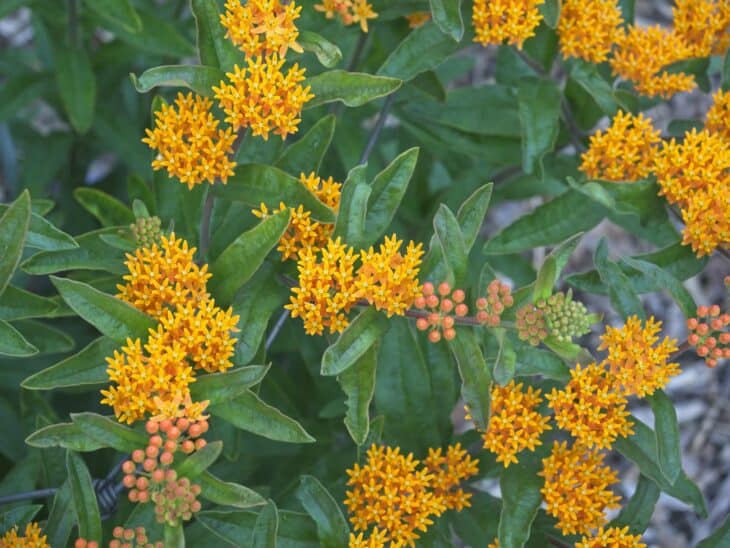
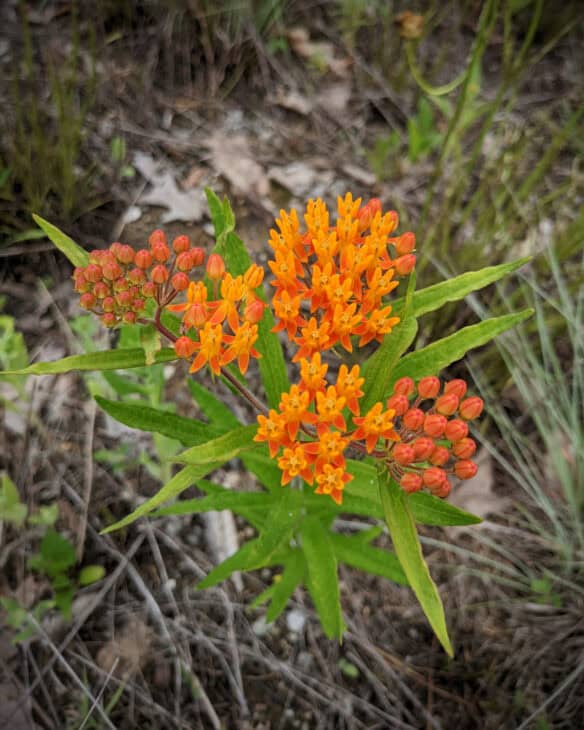
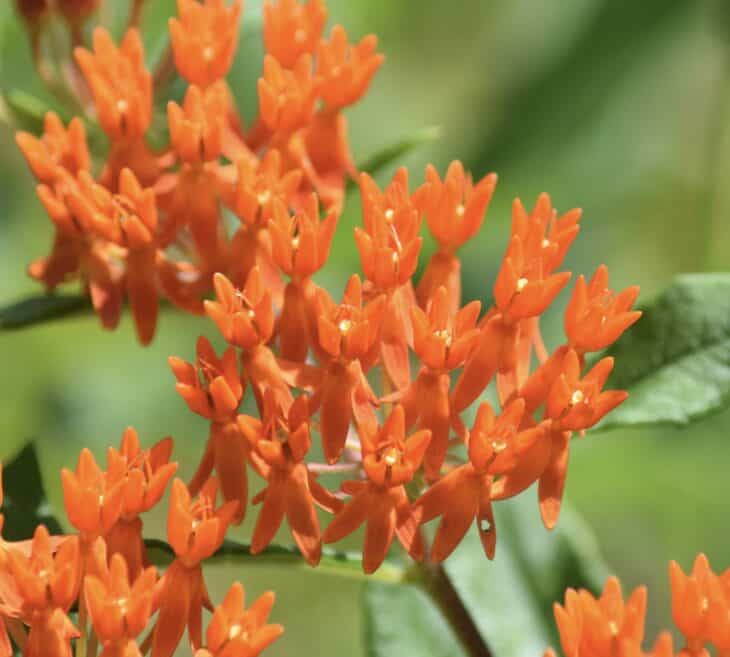
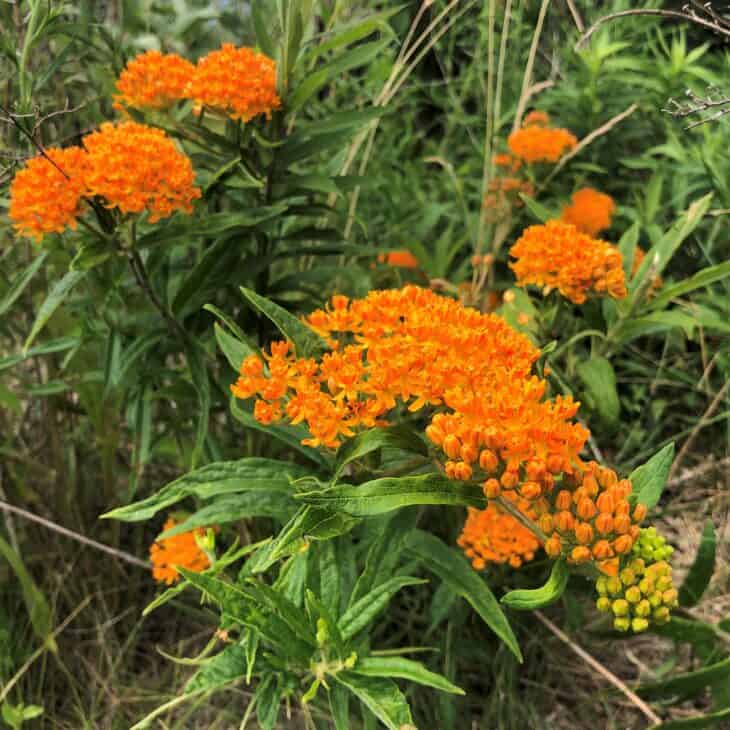
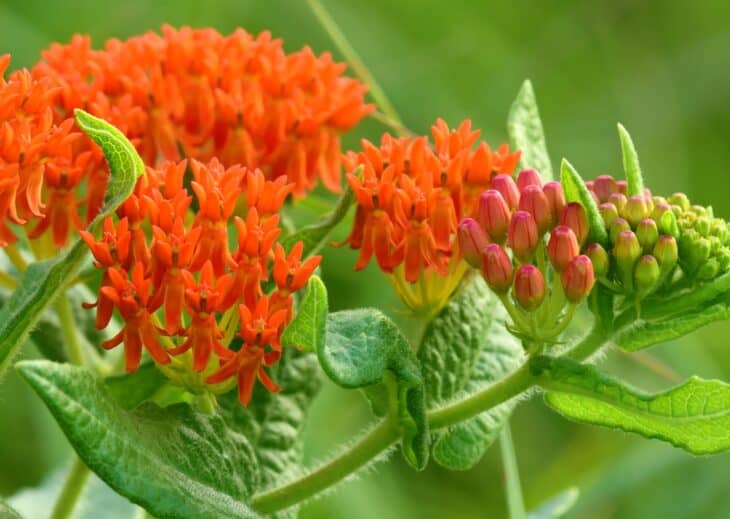
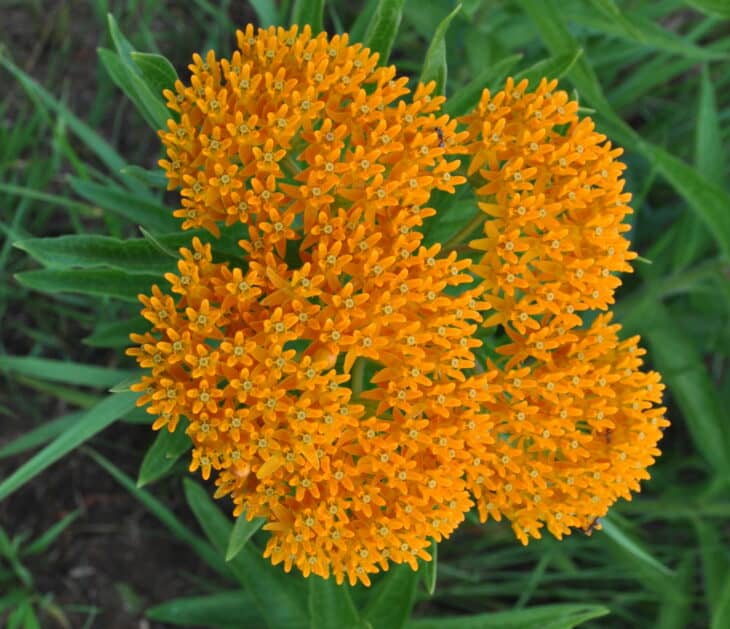
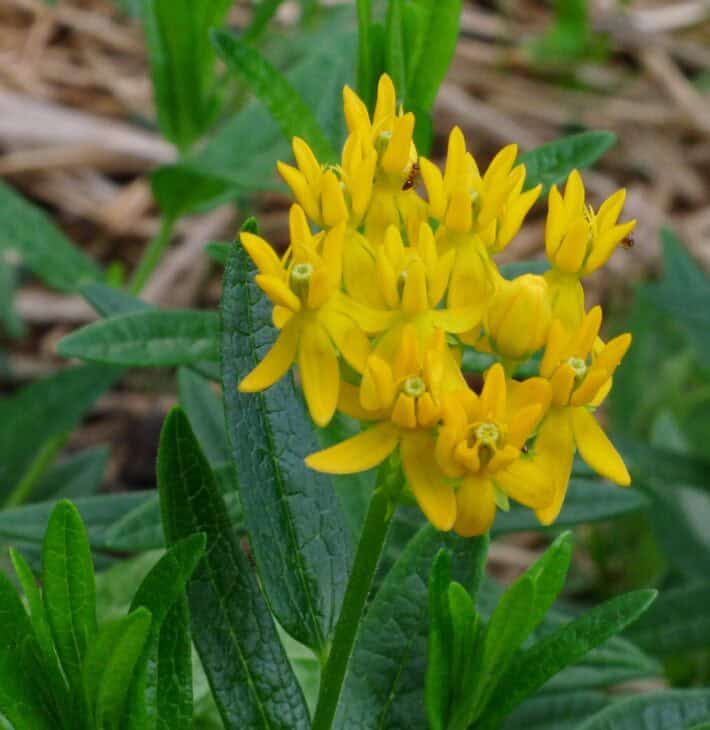
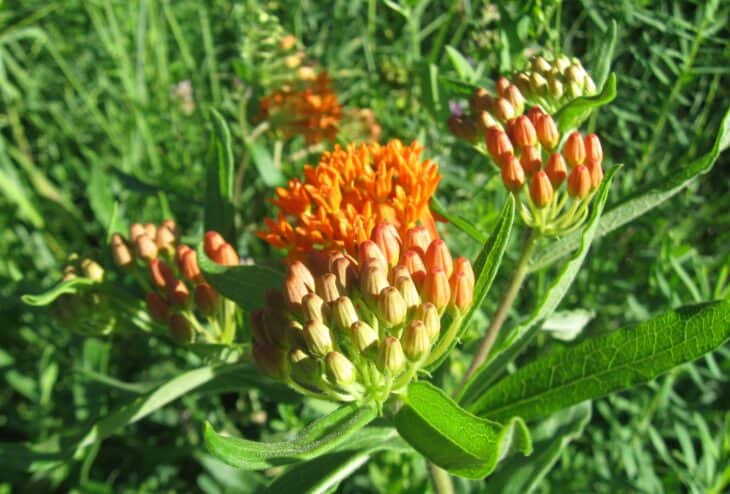
- Produces clusters of orange to reddish flowers that attract butterflies and other pollinators.
- Prefers well drained, sandy or rocky soils and tolerates poor soils.
- Drought tolerant once established.
- Has a deep taproot which makes transplanting mature plants difficult.
- Contains milky sap and cardiac glycosides so ingestion can be toxic to animals and people.
- Short lived perennial that often self seeds in favorable sites.
Butterfly weed is a native milkweed prized for its bright orange to reddish flower clusters that draw butterflies and other pollinators, while also serving as a host for monarch caterpillars. It suits sunny, dry sites but has a deep taproot that makes mature plants hard to move and can limit use in containers.
Identification
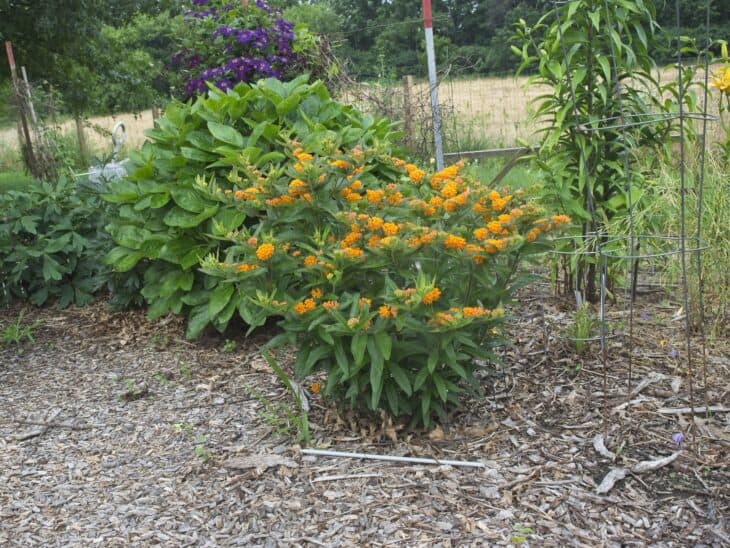
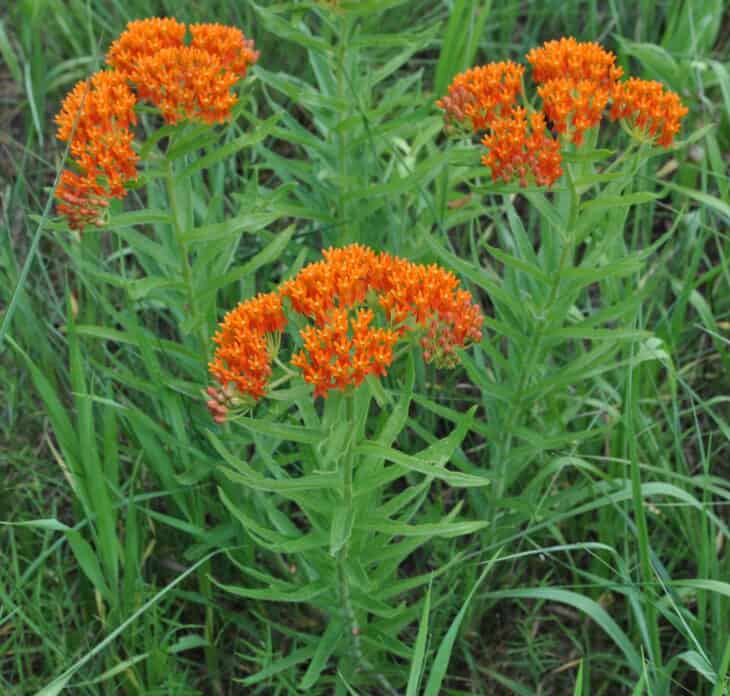
Plants reach about 1 to 3 ft tall with a typical spread of 1 to 2 ft. Upright stems carry clusters of orange to reddish flowers in summer. Like other milkweeds it exudes a milky sap and contains cardiac glycosides so ingestion can be toxic to people and animals.
Where to grow and best uses
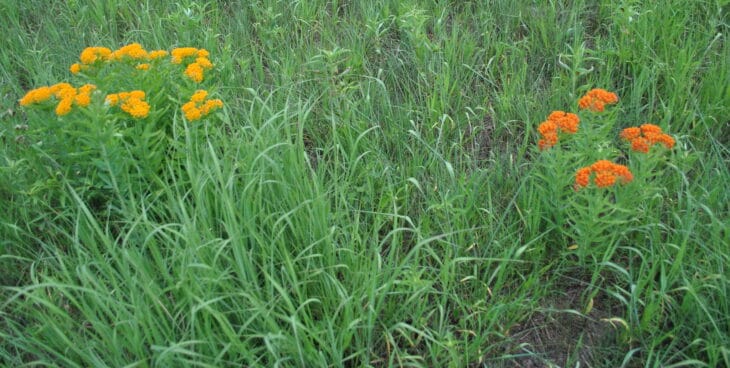
Grow in full sun to light part shade on well drained, sandy or rocky soils. It tolerates poor dry soils and is drought tolerant once established, making it useful for pollinator borders, native plant beds, dry slopes and naturalizing patches. Hardiness is generally USDA zones 3 to 9, with plants dying back in colder zones and self seeding more in warmer areas.
Planting and spacing
Space plants about 12 to 24 inches apart to allow the small clumping habit and occasional self seeding. Seed propagation is the most reliable method; seeds often benefit from cold stratification. Young transplants can establish, but avoid moving mature plants because of the deep taproot.
Watering and soil
Water regularly while plants establish. Once established they tolerate dry conditions and need little supplemental water. Avoid poorly drained or consistently wet soils because soggy conditions lead to decline and possible root rot.
After-flowering care and spread control
Allow some seed pods to mature if you want plants to naturalize. To limit reseeding deadhead spent flowers before pods form. Cut back stems in late season if tidy beds are preferred, or leave stems standing for overwinter habitat for insects.
Containers and special considerations
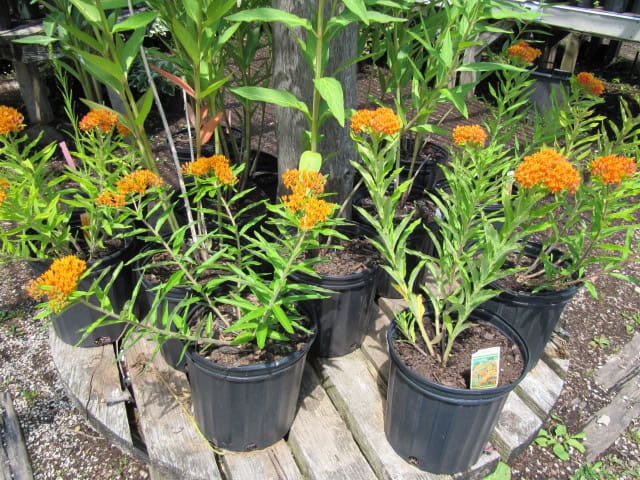
Containers are generally not ideal because of the plant’s deep taproot and drought-adapted habit. If you try container culture keep plants young and use a very well drained mix. Take care with placement around children and pets because of toxic sap and cardiac glycosides; contact poison control or a veterinarian for ingestion incidents.
Frequently asked questions
- How fast does Butterfly weed grow?
- Growth varies with site and age. Established plants typically reach their 1 to 3 ft height during the growing season, while plants grown from seed can take a season or more to fully establish because of the developing taproot.
- When does Butterfly weed bloom?
- Blooming occurs in summer. Reports vary by region with a general northern hemisphere range from May to September and many sources listing June to August.
- Can I transplant Butterfly weed?
- Transplant young plants with care. Mature plants have a deep taproot and are difficult to move successfully.
- Is Butterfly weed poisonous to pets?
- Yes. It contains cardiac glycosides and milky sap that can be toxic if ingested and may irritate skin or eyes on contact. For suspected ingestion consult poison control or a veterinarian.
Gallery
Related Plants


Mentioned In (1)

Plants
15 Poisonous Plants in Mississippi
According to the American Association of Poison Control Centers, two individuals in the United States died as a result of…