
Key Facts
- Warm season annual cereal grass.
- Grown for fresh sweet corn and for grain or silage.
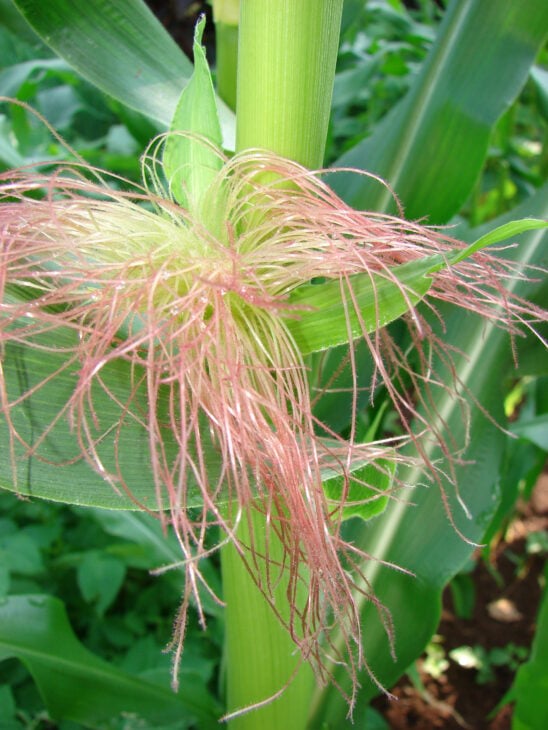
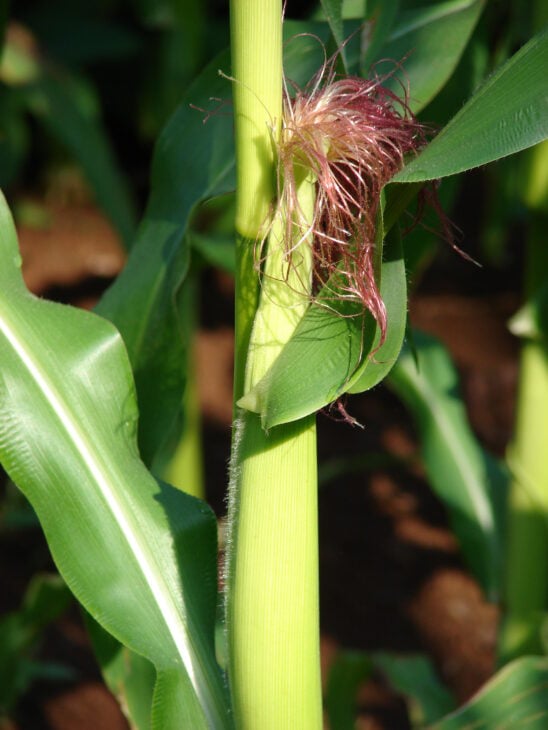
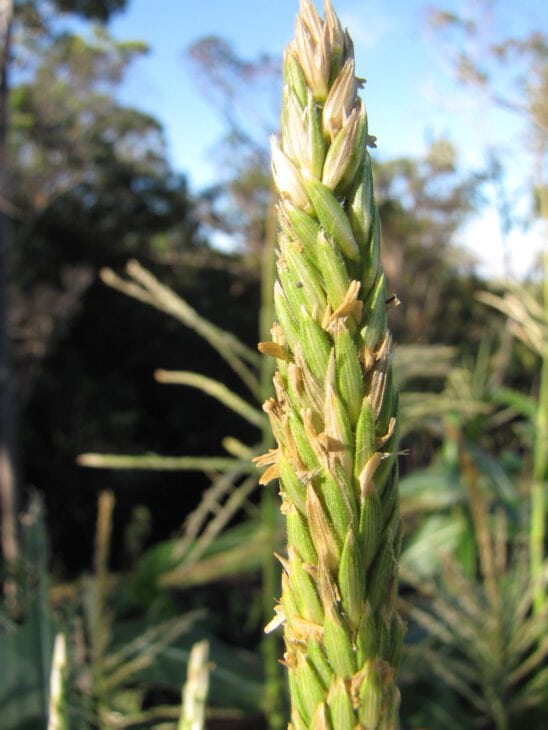
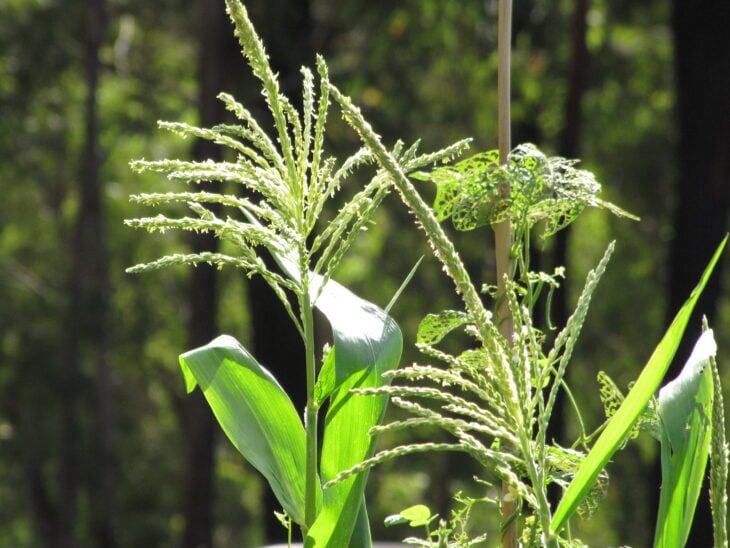
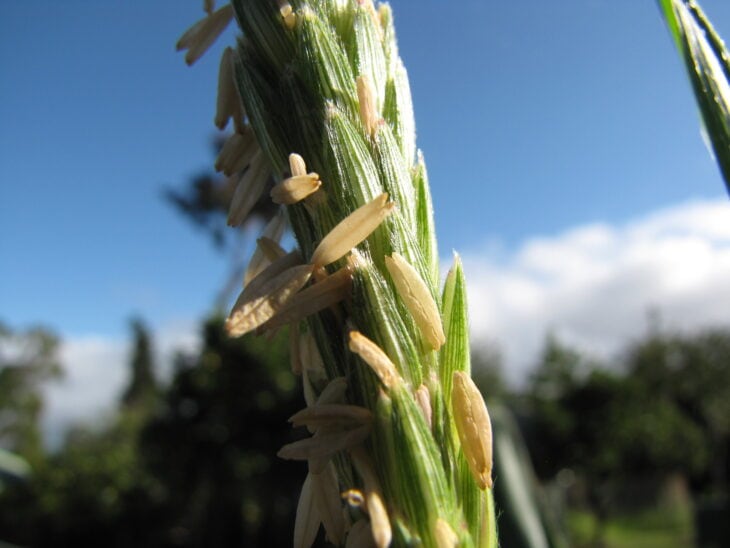
- Wind pollinated with separate male tassels and female silks.
- Direct sown after soil warms to at least about 50 to 60°F (10 to 16°C).
- Prefers fertile, moist, well drained soil.
- Requires full sun for best yield.
- Very sensitive to frost.
- Plant in blocks rather than single long rows to improve pollination.
- Needs steady moisture during tassel and silk development for good ear fill.
Corn (Zea mays) is a warm season annual cereal grown for fresh sweet corn, grain and silage. It performs best in full sun on fertile, well drained soil and will not tolerate frost. Sow seed after soil has warmed to about 50 to 60°F and arrange plants in blocks to encourage good pollination and ear fill.
Identification
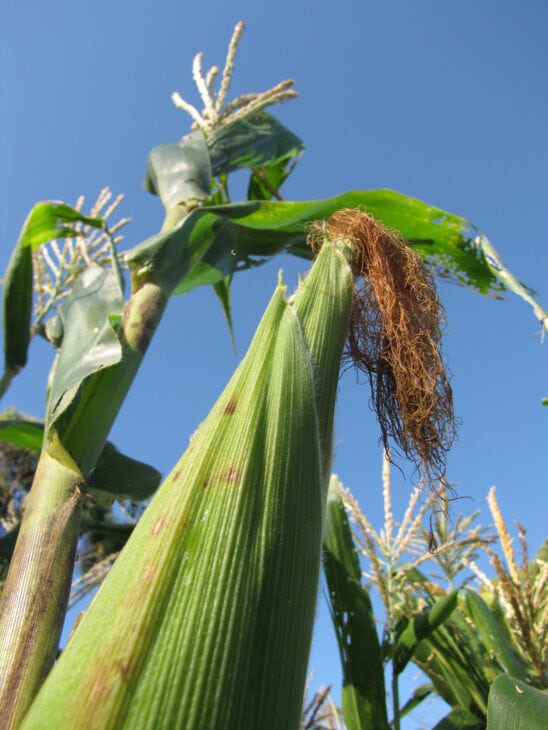
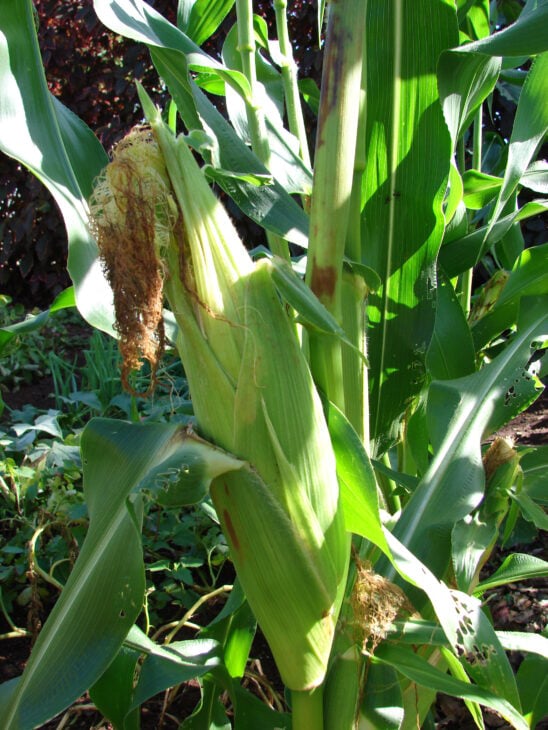
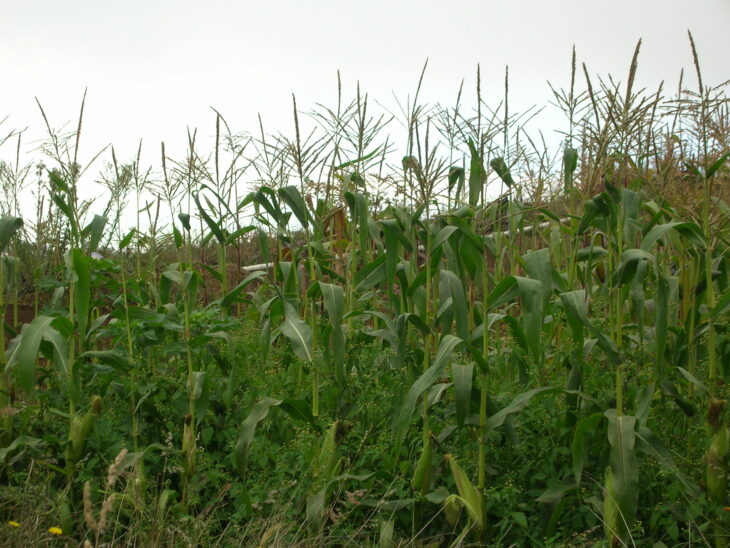
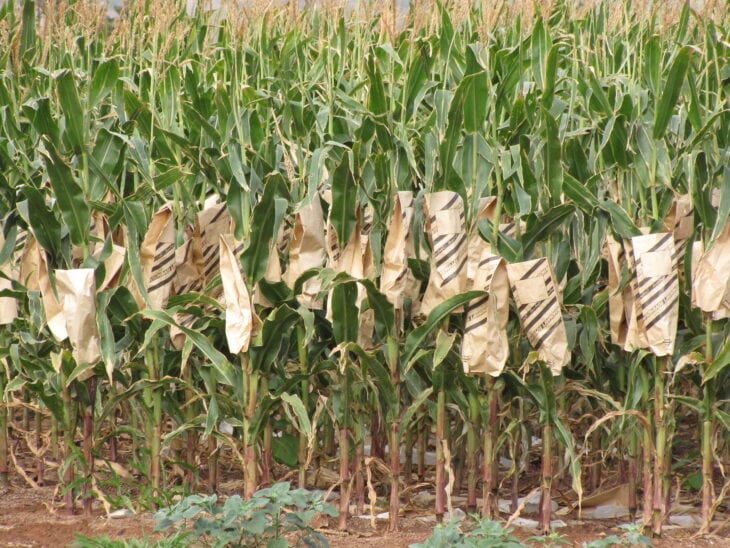
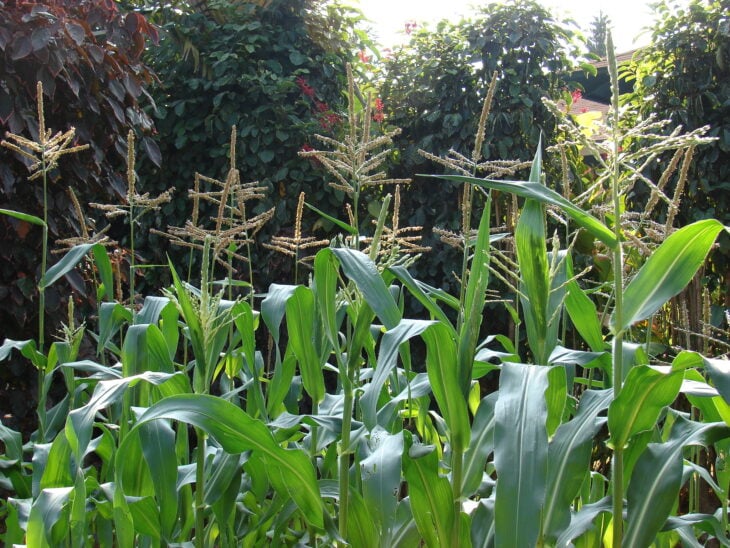
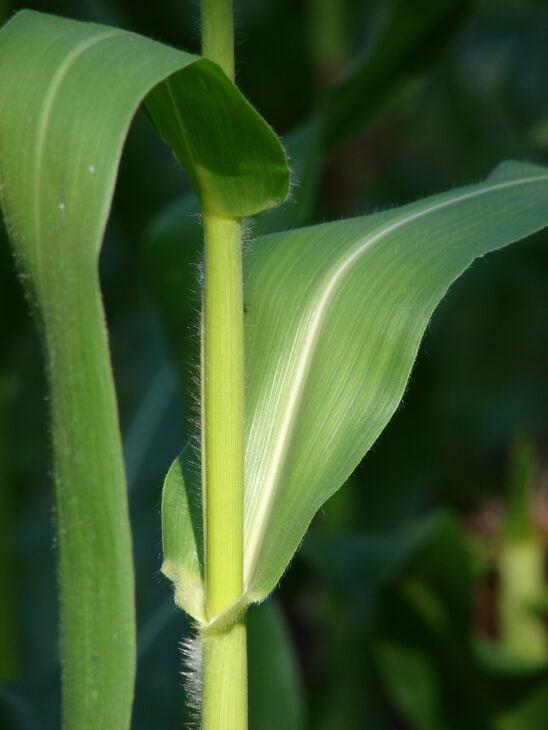
Corn is a tall grassy annual that commonly reaches about 5 to 10 feet depending on variety and growing conditions. Plants produce separate male tassels at the top and female silks on developing ears, and pollination is by wind rather than insects. Corn plants die with the first hard frost and are not winter hardy.
Best uses and where to grow
Grow corn for fresh eating, roasting, freezing or for grain and silage when space and a long frost free season allow. It needs at least 6 to 8 hours of direct sun and fertile, well drained loam to sandy loam. Corn is not suited to small containers and benefits from garden locations with steady moisture and easy access for harvesting.
When to plant
Direct sow after the soil warms to roughly 50 to 60°F and after the last spring frost in your area. Corn is very sensitive to frost so timing should match your local frost free season. For a continuous summer harvest, stagger plantings several weeks apart but adjust to your local growing season and expected tassel and silk timing.
Planting and spacing
Seed corn directly into the garden and space plants about 8 to 12 inches apart in the row with rows commonly 30 to 36 inches apart. Plant in short adjacent rows or blocks rather than a single long row to improve wind pollination and increase the chance of fully filled ears. Transplants can be used but may reduce yield from root disturbance.
Watering and soil
Corn prefers fertile soil with consistent moisture and a pH around 6.0 to 6.8. Steady watering is critical during tassel and silk development because drought at that stage commonly causes poor ear fill. Avoid waterlogged soils; good drainage and regular moisture produce the best yields.
Pollination and improving ear set
Because corn is wind pollinated, plant layout and timing determine ear set more than insect activity. Arrange plants in blocks so tassels and silks are close together and stagger planting dates carefully to align pollination. Poor pollination shows as missing kernels along the ear and often results from sparse planting or weather that inhibits pollen movement.
Harvest and after flowering care
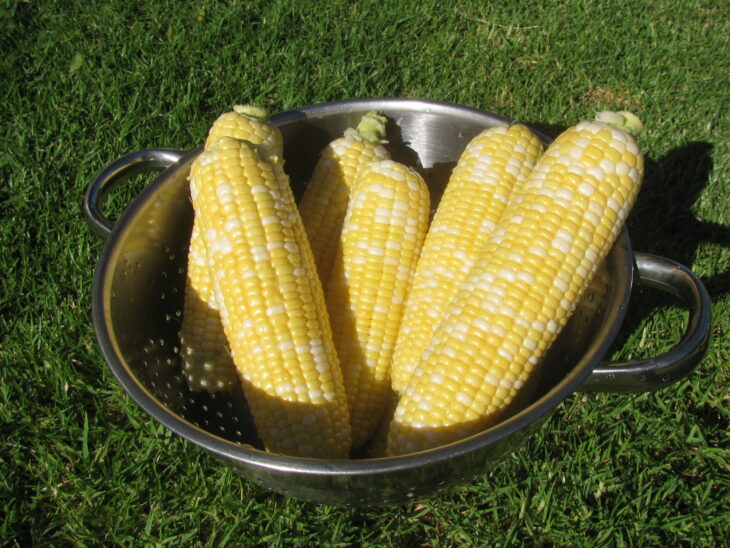
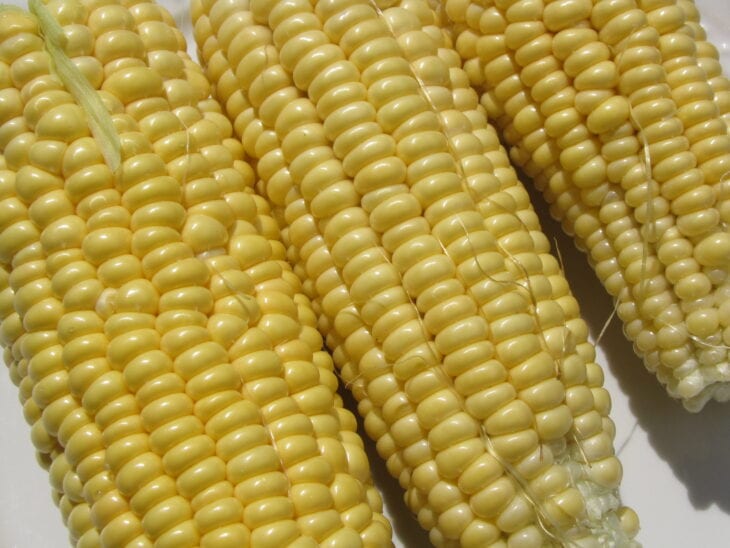
Harvest sweet corn when ears reach desired tenderness and kernels are milky; timing varies by variety. For grain harvest wait until kernels mature and dry on the stalk. After harvest remove or chop down stalks to reduce volunteer seedlings and to prepare beds for next crops. Corn will not survive winter frost so plan crop rotation accordingly.
Controlling spread and volunteers
Corn is an annual and will not persist through winter, but volunteer seedlings can appear from dropped seed. Remove cobs and any seed heads you do not want to reseed. Manage volunteers before they set seed and rotate planting locations to limit pest and disease buildup in the soil.
Frequently asked questions
- How fast does corn grow?
- Corn typically develops tassels and silks several weeks after sowing and reaches its mature height within the season. Exact speed varies with variety, temperature and soil fertility but plants generally reach 5 to 10 feet before harvest.
- When should I plant corn?
- Sow seed after soil temperatures reach about 50 to 60°F and after the danger of frost has passed. Timing depends on your local last frost date and the length of your frost free season.
- How close should I plant corn?
- Space plants about 8 to 12 inches apart in the row with rows typically 30 to 36 inches apart. Planting in blocks rather than single long rows improves wind pollination and ear fill.
- Is corn toxic to pets?
- Corn is not considered toxic to common pets but whole cobs and large amounts of whole kernels can cause choking or intestinal obstruction. Corn pollen can trigger allergies in some people.
- Can I transplant corn?
- Transplanting is possible but not usually recommended because root disturbance can reduce yield. If you transplant use large containers and minimize root disruption, and be prepared for potentially lower ear production.
Gallery
Related Plants
Mentioned In (1)
Plants
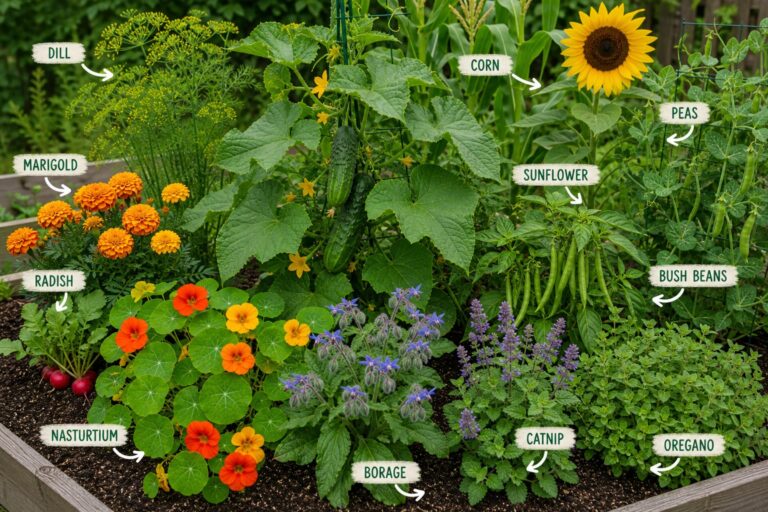
Companion Plants for Cucumber: What Works (and what Doesn’t)
Cucumber beetles are one of the most destructive forces in the vegetable garden — and they don't just eat foliage.…