
Key Facts
- Perennial aromatic herb in the mint family.
- Common culinary herb used fresh or dried.
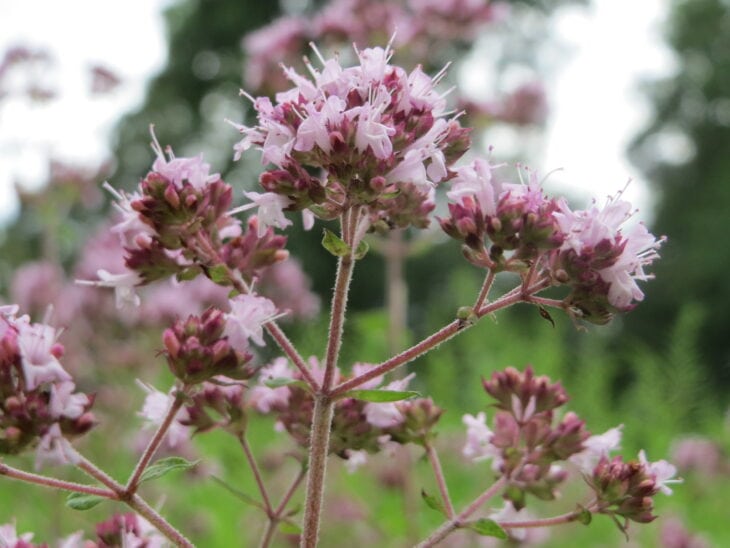
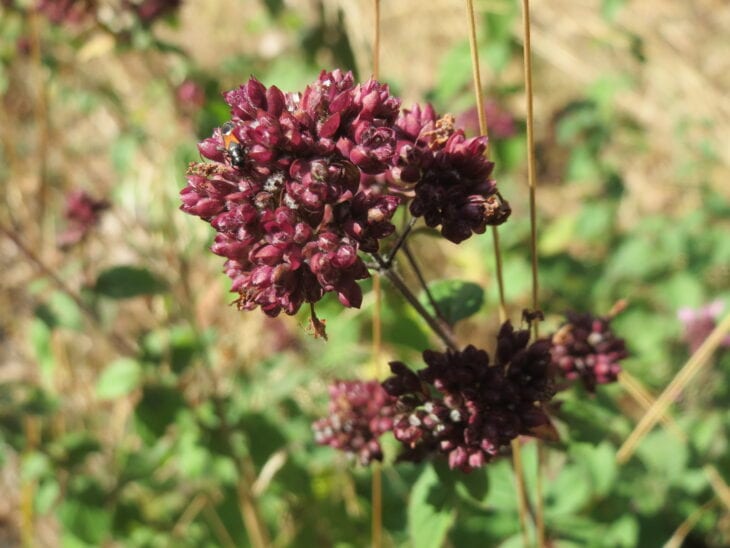
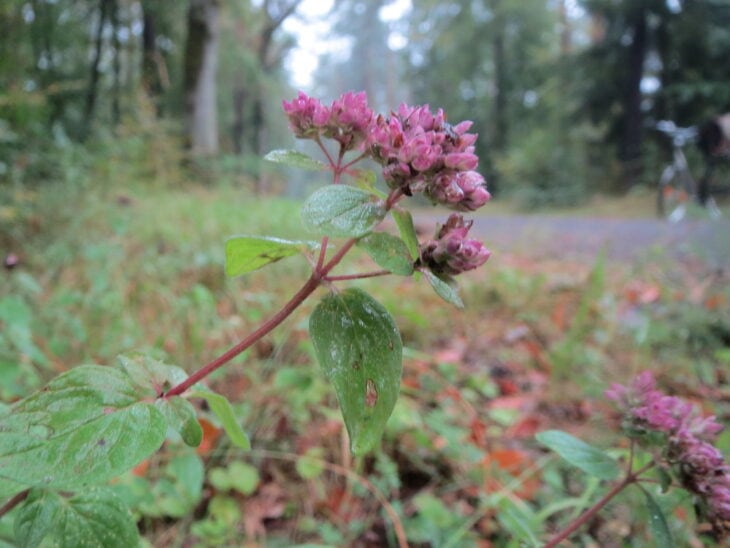
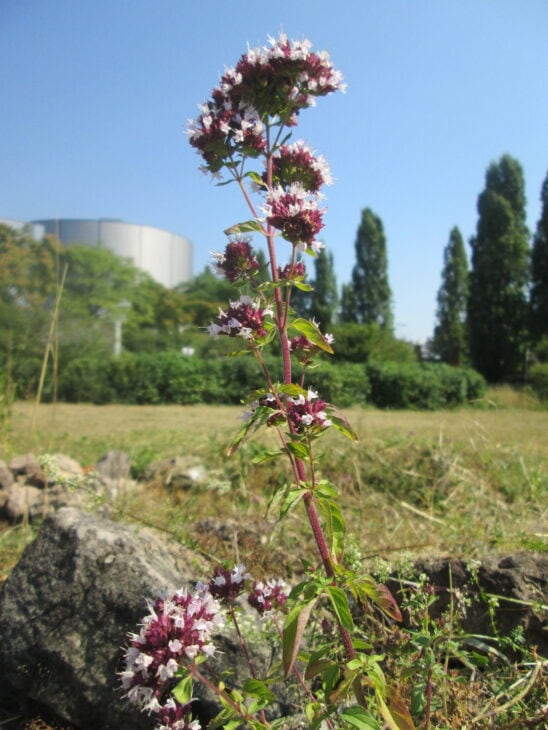
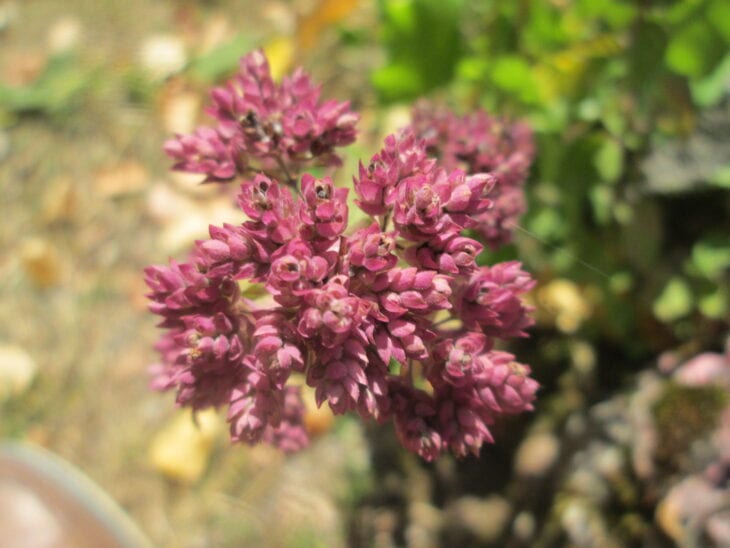
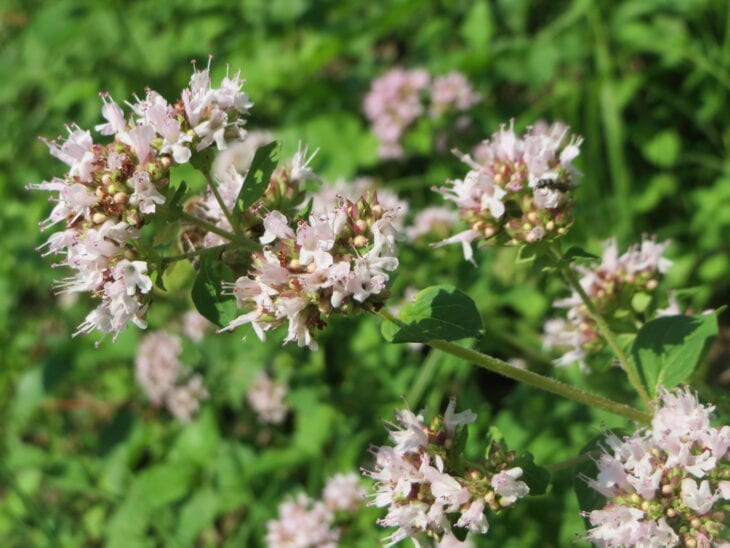
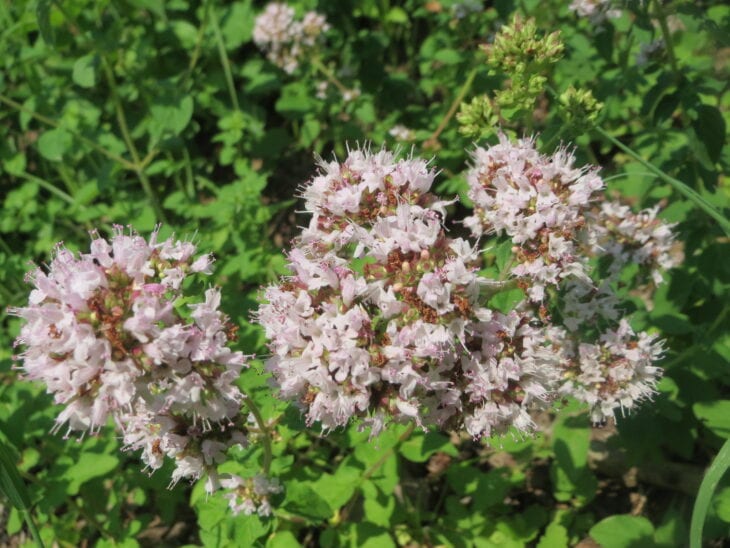
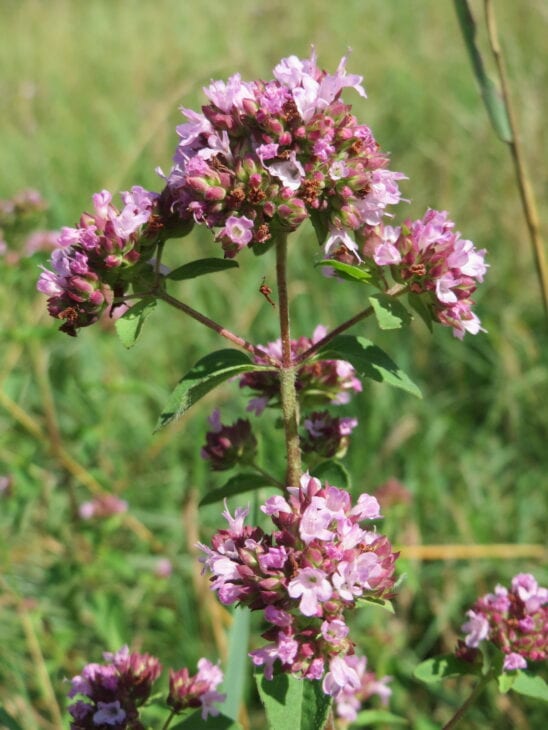
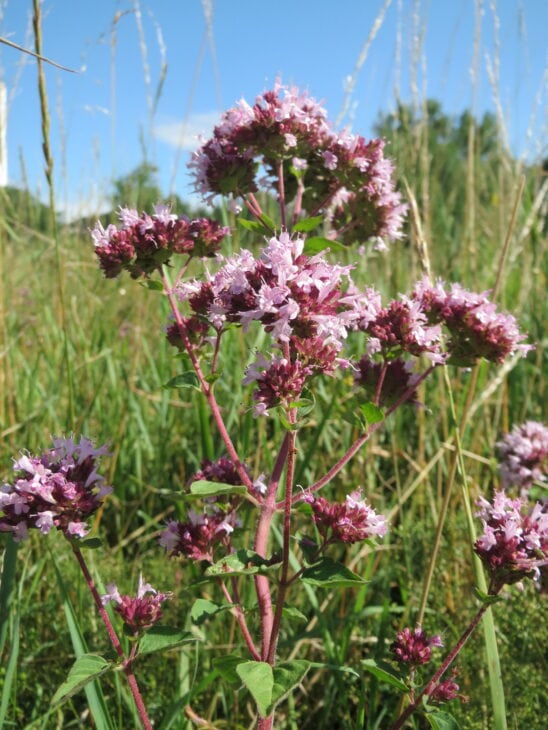
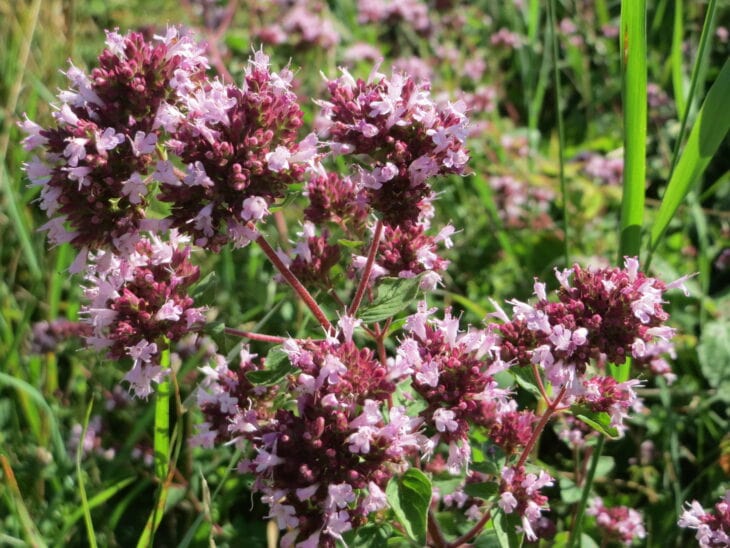
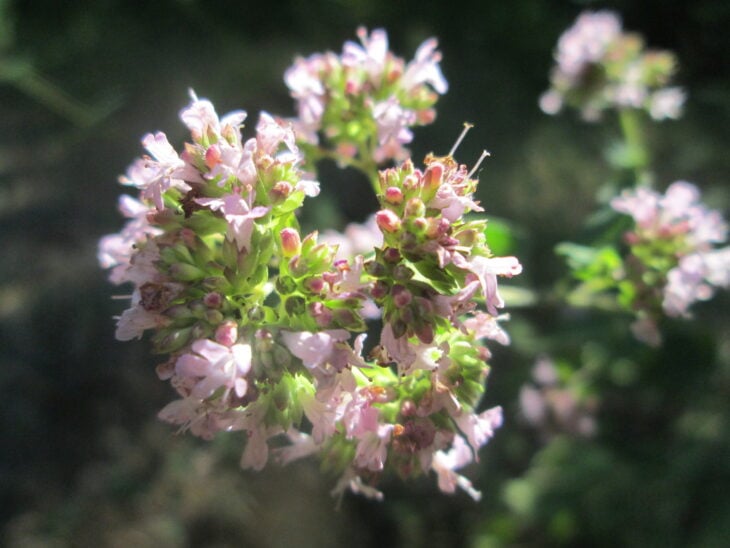
- Produces small purple to pink flowers in summer.
- Prefers full sun and well drained soil.
- Tolerates poor, dry soils better than rich, waterlogged soils.
- Spreads by root and can form low mounds or mats.
- Easily propagated by seed, cuttings, or division.
Oregano (Origanum vulgare) is a perennial aromatic herb in the mint family grown for its flavorful leaves and summer flower spikes. It makes a compact, low mound that suits herb beds and edging while tolerating poorer, dry soils where richer, waterlogged sites would cause decline.
Identification
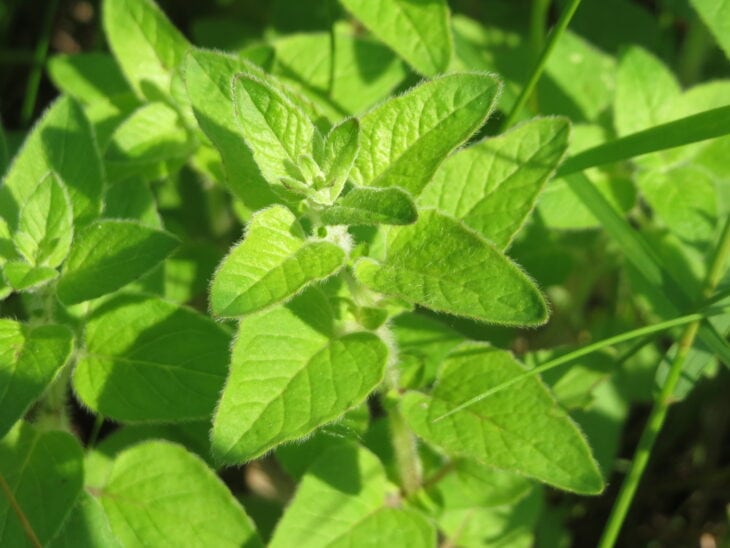
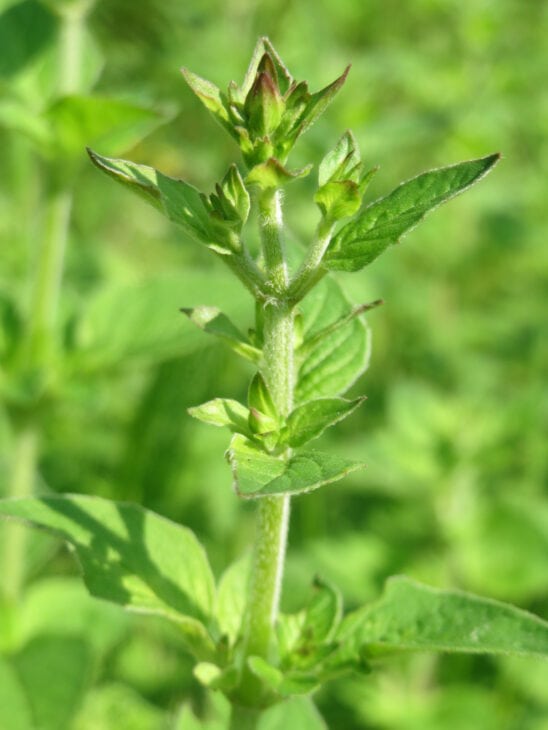
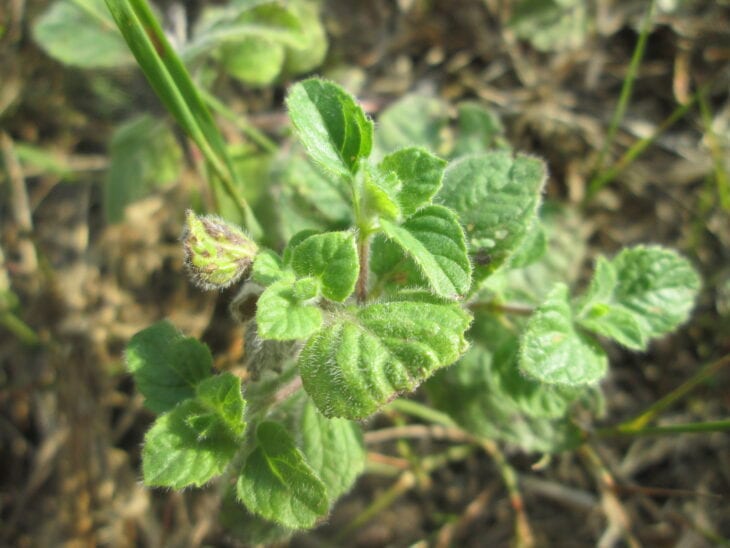
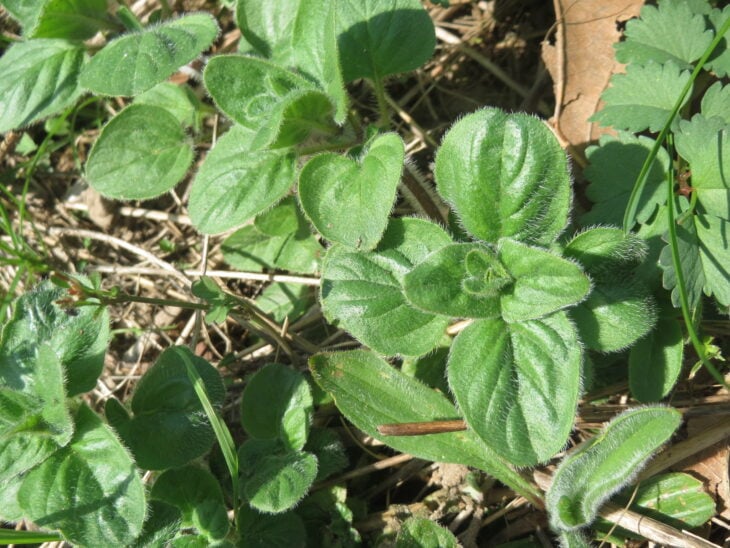
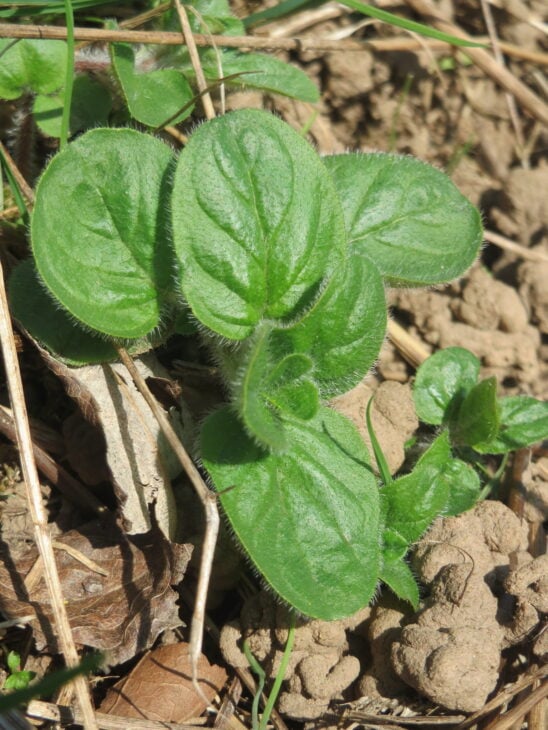
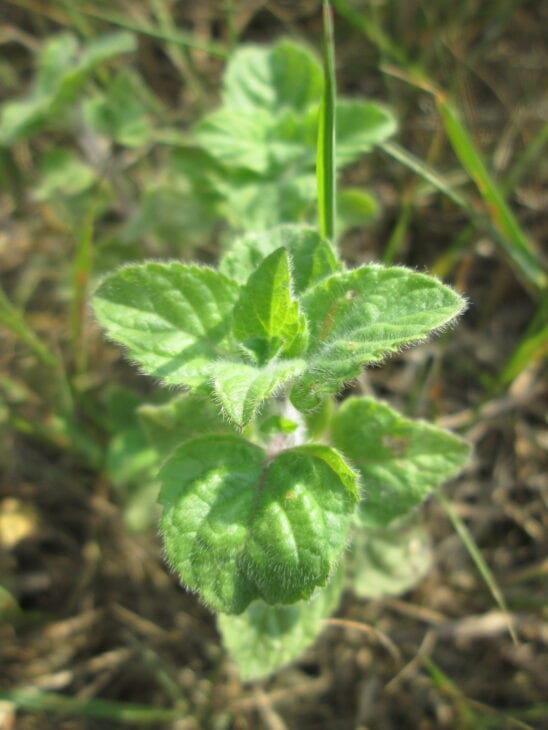
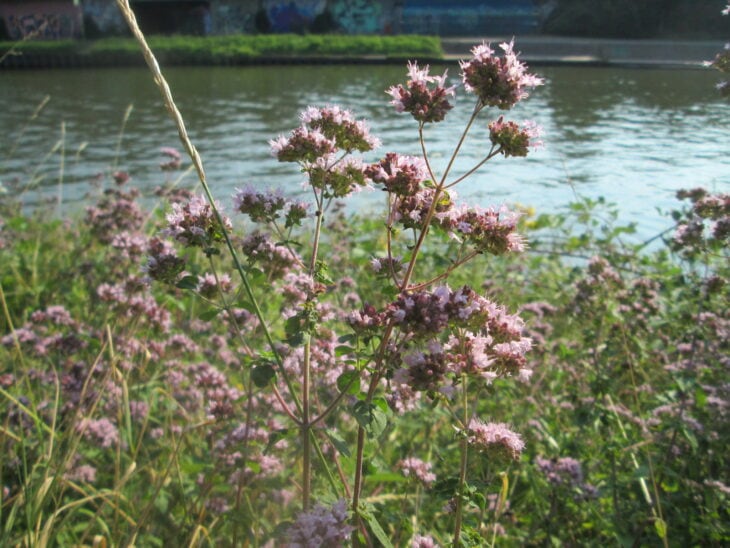
Oregano has aromatic opposite leaves and produces small purple to pink flowers in summer, typically June to August in the northern hemisphere. Plants generally reach 8 to 24 inches tall and spread 12 to 24 inches, forming low mounds or mats that are easy to spot in mixed herb plantings.
Best uses and where to grow
Use oregano in culinary herb gardens, edging, rock gardens or low groundcover where a fragrant, compact plant is wanted. It performs best in full sun for the strongest flavor but will tolerate some afternoon shade. Avoid heavy wet sites since soggy soil reduces vigor and promotes crown rot.
Planting time and spacing
Plant young oregano in spring to allow establishment before winter, or in fall in mild climates. Space plants roughly 12 to 24 inches apart to match their natural spread and allow air circulation. Transplants set at soil level will establish quickly when placed in a warm, sunny site with good drainage.
Soil, light and watering
Oregano prefers well drained sandy or loamy soil with moderate fertility and a pH around 6.0 to 8.0. Full sun yields the best flavor and compact growth. Keep plants on the drier side; overwatering or poor drainage leads to yellowing, reduced vigor and crown rot while drier conditions keep foliage aromatic.
After flowering and pruning
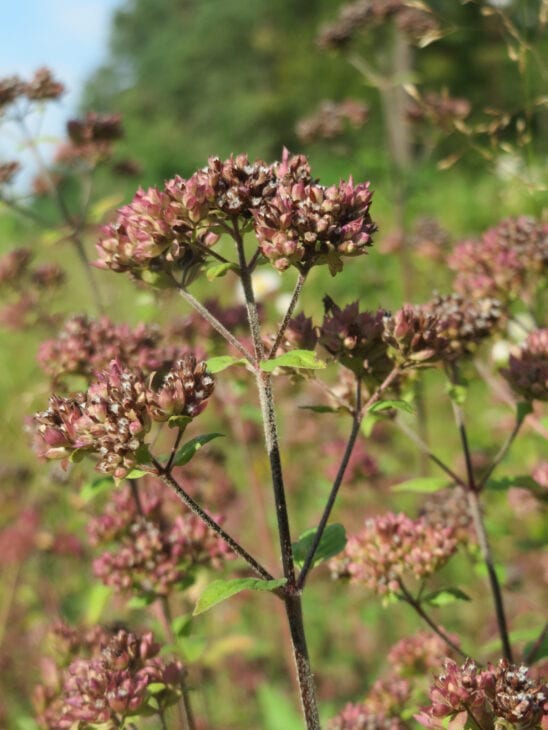
Remove spent flower spikes to redirect energy into new foliage and to limit self-seeding. Light summer pruning keeps plants compact and encourages fresh growth. In colder areas expect dieback and cut back dead stems in spring as new shoots appear; warmer climates may allow evergreen habit and benefit from occasional trimming.
Controlling spread and naturalizing
Oregano spreads by roots and can form low mats that become more aggressive in favored sites. Control spread by dividing clumps every few years, lifting and replanting offsets, or installing shallow root barriers. Regular harvesting and pruning also limit excessive lateral spread and keep the patch tidy.
Propagation and containers
Propagate by seed, softwood or semi-ripe cuttings, division in spring or stem layering. Its compact size makes oregano suitable for containers when planted in a well drained potting mix and placed in full sun. In pots, reduce watering frequency to avoid soggy soil and check for root crowding as plants mature.
Frequently asked questions
- How fast does oregano grow?
- Growth rate varies by cultivar and site but oregano spreads gradually by roots and typically reaches its mature 8 to 24 inch height within a single growing season under favorable conditions.
- Is oregano hardy?
- Oregano is generally hardy in USDA zones 4 to 9. It may die back in colder winters and be semi evergreen or evergreen in warmer zones.
- Can I grow oregano indoors?
- Oregano will grow indoors if given bright light, ideally a sunny south or west window. Plants kept indoors need well drained soil and reduced watering compared with outdoor pots.
- Is oregano safe for pets?
- Culinary amounts of leaves are generally safe for humans and pets. Concentrated essential oils or large ingestions can cause stomach upset or skin irritation. Check with local poison control for specific concerns.
- How do I propagate oregano?
- Propagate by seed, take softwood or semi-ripe cuttings, divide mature clumps in spring, or layer stems to root new plants.
Gallery
Related Plants


Mentioned In (4)
Plants
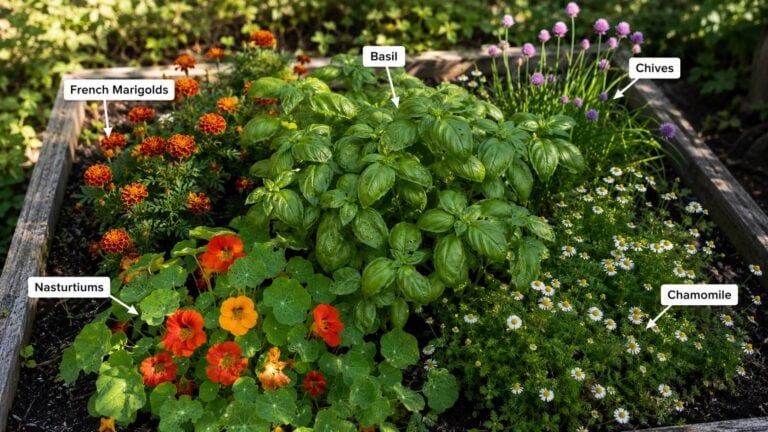
Companion Plants for Basil: What Works and Why
Basil bolts faster than almost any other herb in the summer garden, and once it flowers, the leaves turn bitter…
Plants
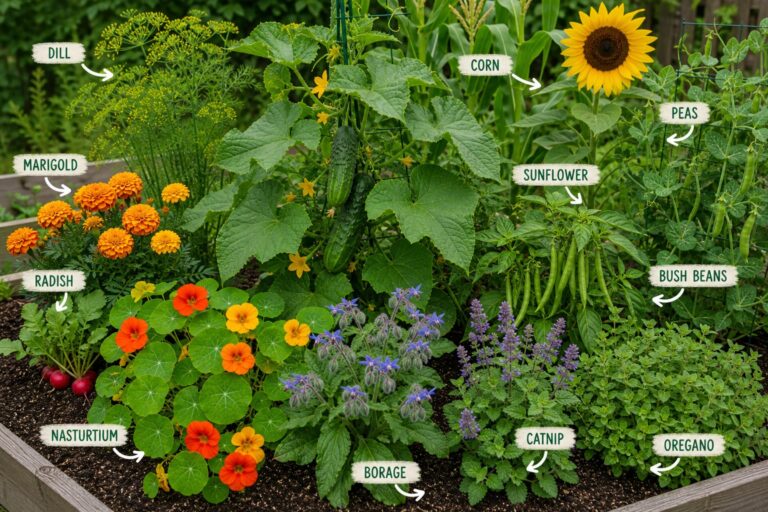
Companion Plants for Cucumber: What Works (and what Doesn’t)
Cucumber beetles are one of the most destructive forces in the vegetable garden — and they don't just eat foliage.…

Plants
9 Plants That Look Like Thyme
Thyme has been used as a flavor for food and burned as incense in temples. It has been and still…

Plants
Top 10 Plants to Attract Butterflies
Creating a butterfly-friendly garden starts with choosing the right plants. Butterflies need two kinds of plants: nectar sources for adult…