
Key Facts
- Small to medium deciduous ornamental tree.
- Produces abundant spring blossoms often before or with leaf emergence.
- Makes small tart pomes that wildlife and birds eat.
- Valued for spring flowers and seasonal fruit color.
- Many cultivars exist with varied size and fruit attributes.
- Prefers full sun for best flowering and fruit set.
- Can be susceptible to apple scab, fire blight, and cedar apple rust.
Crabapple (Malus sylvestris) is a small to medium deciduous ornamental tree valued for abundant spring flowers and compact tart fruit that feed birds. It fits border and specimen planting where spring show and seasonal fruit color add interest while requiring basic disease management.
Identification
Crabapple typically grows as a small to medium tree often 10 to 30 feet tall with a rounded crown spreading about 10 to 20 feet. It produces abundant spring blossoms often before or with leaf emergence and small tart pomes that attract wildlife and birds.
Where to grow and best uses
Use crabapples as single specimen trees, in small groupings or as part of mixed borders for spring flowers and seasonal fruit color. Plant them in full sun for best flowering and fruit set. Hardiness generally falls in USDA zones 4 to 8 but varies by cultivar and local microclimate.
Planting and spacing
Set trees where the root flare sits at soil level and avoid burying the trunk. Space trees to match their mature spread which commonly ranges from 10 to 20 feet apart. Select a site with good air circulation to reduce disease pressure and allow mature canopy room to develop.
Soil and watering
Crabapples prefer fertile, moist but well drained soil with a slightly acidic to neutral pH near 6.0 to 7.5. Avoid waterlogged sites because poor drainage increases risk of root decline and may make fungal diseases worse. Keep soil evenly moist during establishment and avoid prolonged drought stress.
After flowering care and disease management
Prune after flowering to shape the tree and remove dead or crossing branches while preserving spring blooms. Rake and dispose of fallen fruit and leaves to lower fungal inoculum. Be aware that crabapples can be susceptible to apple scab, fire blight and cedar apple rust so choose resistant cultivars where those diseases are common.
Controlling spread and suckers
Wild types grow from seed and some trees send up root suckers. Remove suckers at the base to prevent unwanted thicket formation and pull seedlings before they establish. On grafted trees watch for rootstock suckers and remove them promptly to keep the grafted cultivar dominant.
Propagation
Wild crabapples reproduce by seed. Named cultivars are propagated by grafting or budding onto rootstocks. Hardwood cuttings and root suckers can work for some selections. Use grafted trees for true-to-type fruit and predictable size when planting in managed landscapes.
Toxicity and wildlife
Crabapple fruit is edible when cooked and commonly used for jellies and preserves. Seeds contain small amounts of cyanogenic compounds so large quantities of crushed seeds are a concern. Birds and other wildlife readily eat the small pomes and provide seasonal garden interest.
Frequently asked questions
- How fast does Crabapple grow?
- Growth rate varies by cultivar and site conditions. Many crabapples are moderate growers that establish over several years and reach their mature size as the canopy fills in.
- Are crabapples edible?
- Yes the fruit is edible when cooked and is often used for jellies and preserves. Raw fruit is tart and seeds contain small amounts of cyanogenic compounds.
- When should I prune crabapple?
- Prune after flowering to maintain shape and remove dead wood while avoiding loss of spring blooms. Light annual pruning improves airflow and reduces disease risk.
- What diseases should I watch for?
- Common concerns include apple scab, fire blight and cedar apple rust. Choose resistant cultivars and clean up fallen fruit and leaves to lower disease pressure.
- How far apart should I plant crabapple?
- Space trees according to their mature spread which commonly ranges from about 10 to 20 feet apart so canopies do not overcrowd each other.
Related Plants
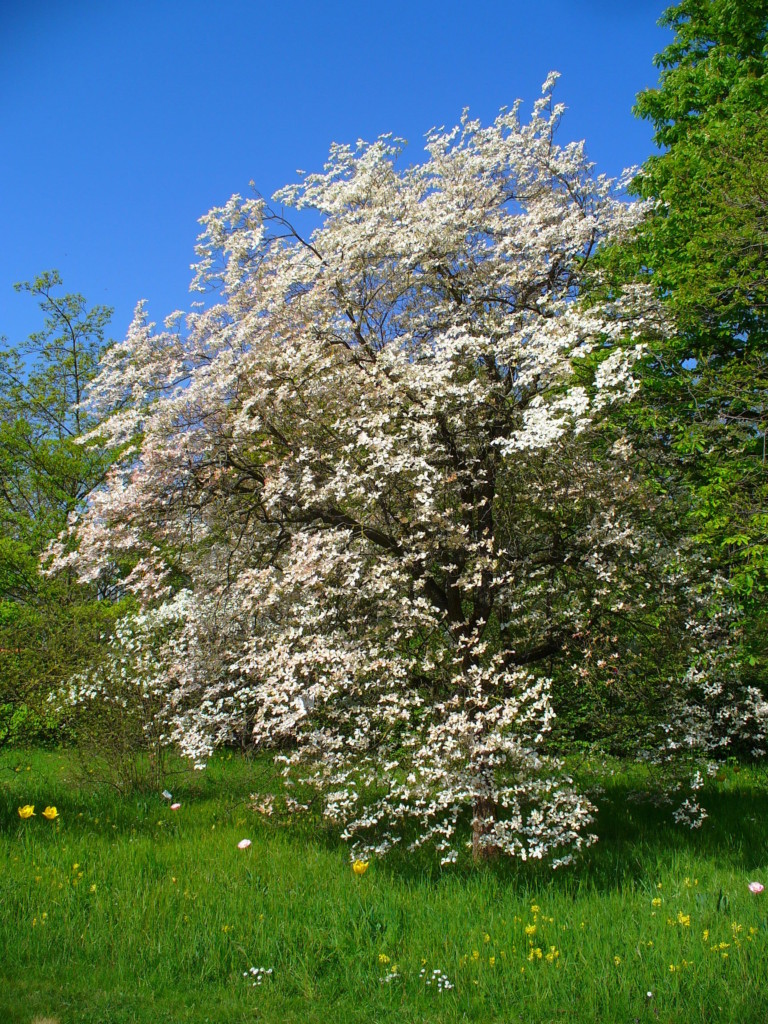


Mentioned In (8)
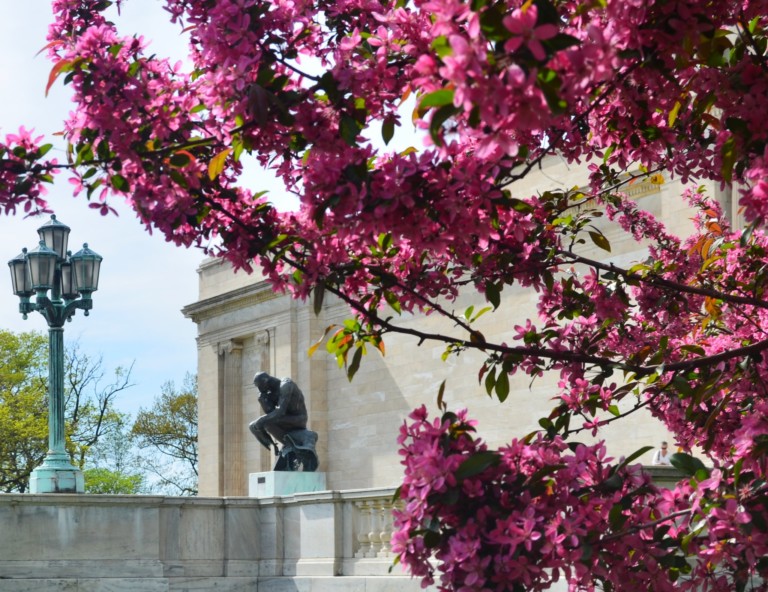
Trees
20 Great Flowering Trees For Ohio (by color)
Are you trying to find the perfect flowering trees to grow in Ohio? Well, you’re in luck! The Buckeye State…
Trees
20 Beautiful Flowering Trees For Illinois Gardens
Are you looking to plant some exquisite flowering trees in your Illinois home? Well, you will be immensely pleased to…

Trees
21 Great Flowering Trees For Utah Gardens
Do you wish to plant flowering trees in your home garden in Utah? Well, you’re in luck! The Beehive State…

Trees
12 Common Flowering Trees For Kentucky Gardens
Do you want to boost your home’s curb appeal with flowering trees in Kentucky? Well, we have got some excellent…
Trees
26 Great Flowering Trees For Michigan Gardens
If you’re looking to add eternal, year-round beauty to your lawn and boost the curbside appeal of your Michigan home,…

Trees
27 Best Flowering trees For California by Color
Are you looking forward to planting breathtaking flowering trees in your Cali garden? You will be ecstatic to know that…

Trees
34 White Flowering Trees in Spring
Are you searching for white flowering trees to plant in your garden? Well, you’re in luck! There is a wide…

Trees
89 Best Flowering Trees for Florida Gardens
If you are always on the lookout for elegant and vivid flowering trees in Florida, you would be happy to…