
Key Facts
- Tuberous perennial widely grown as a flowering houseplant.
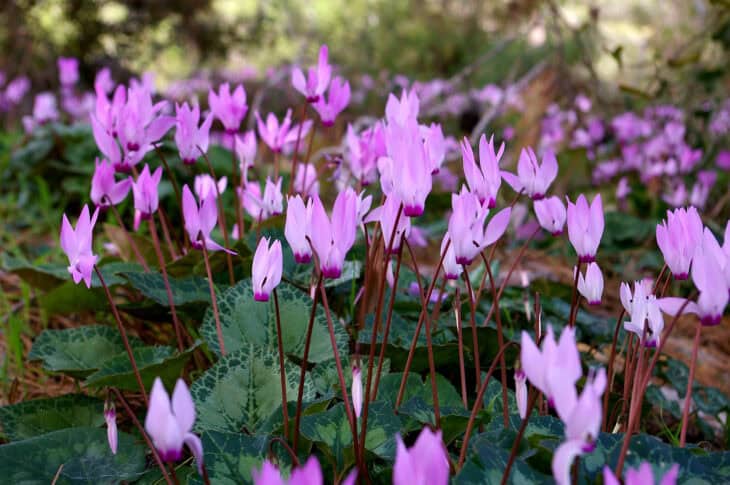
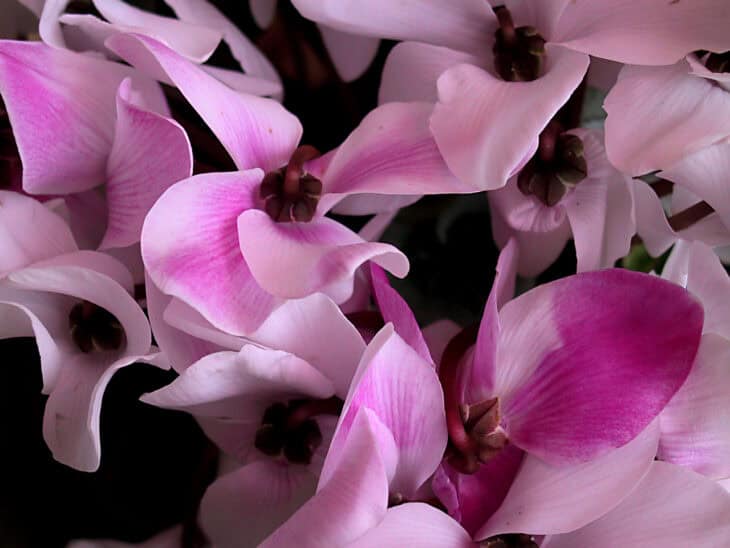
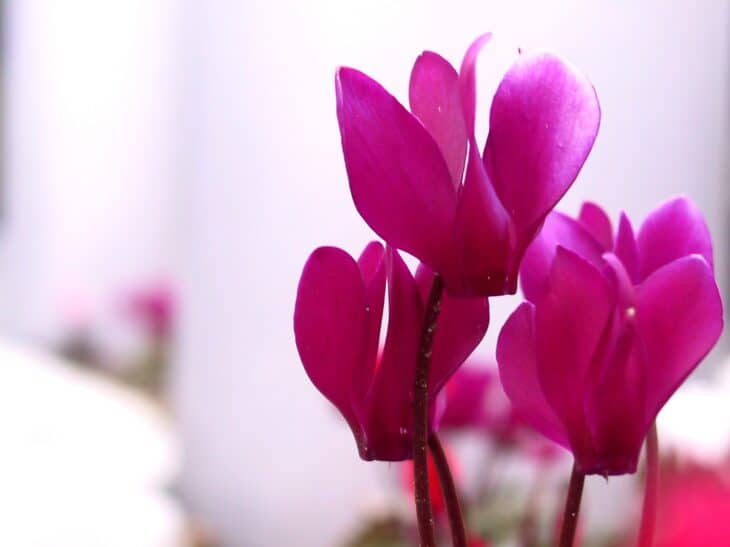
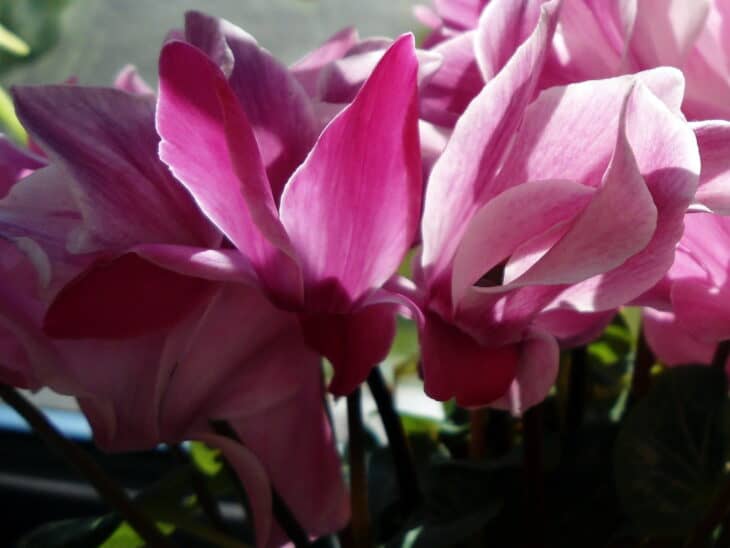
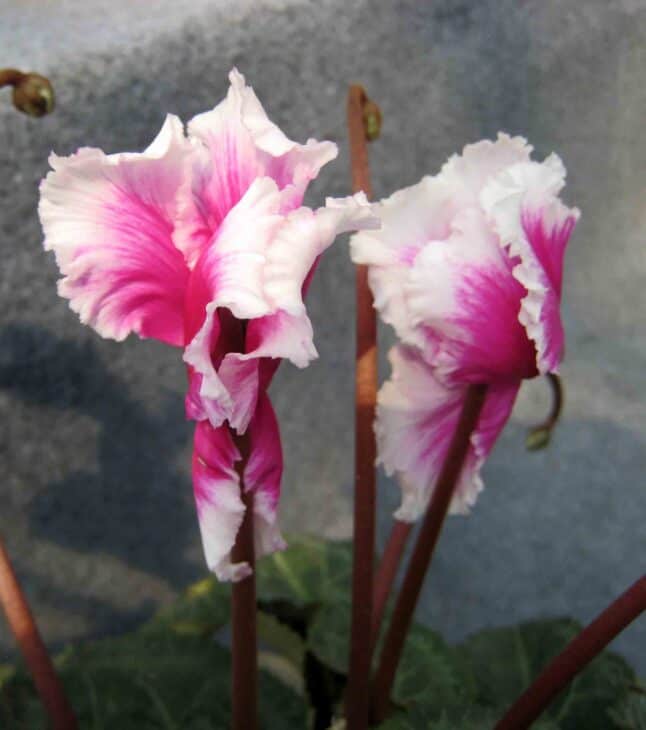
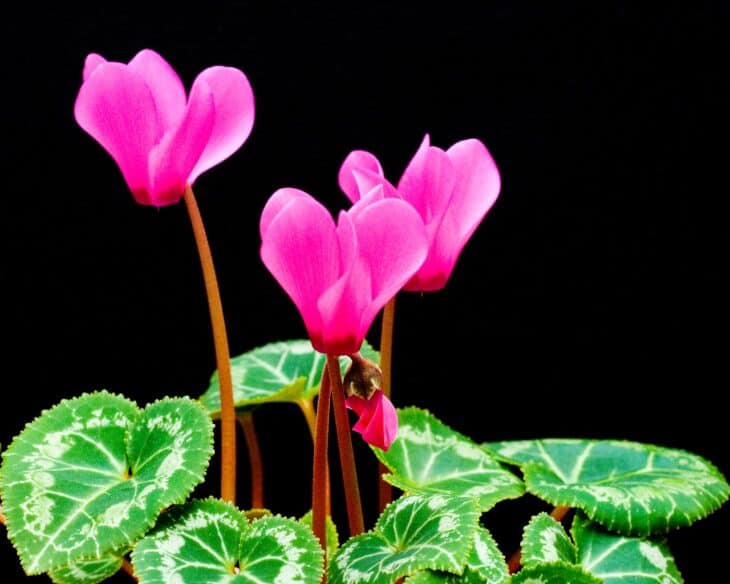
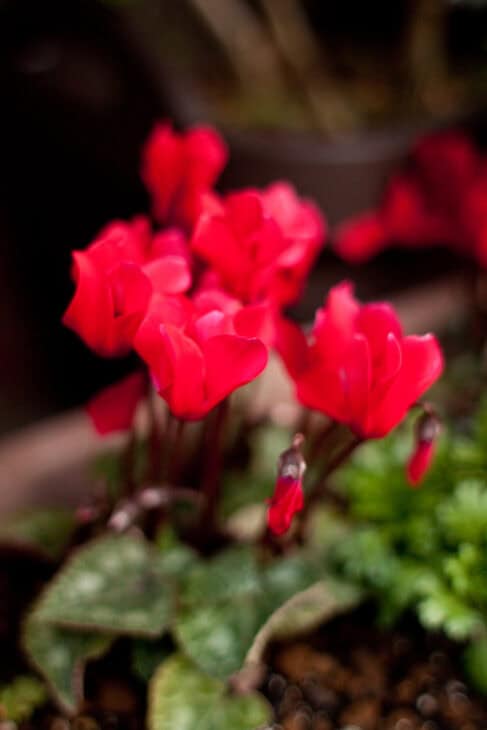
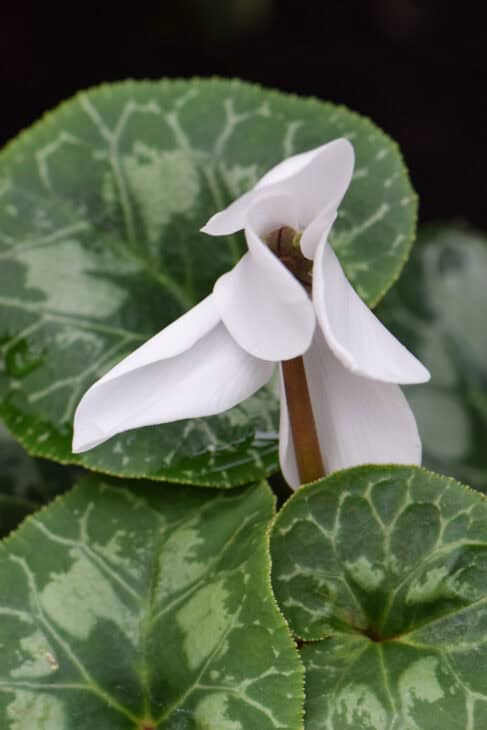
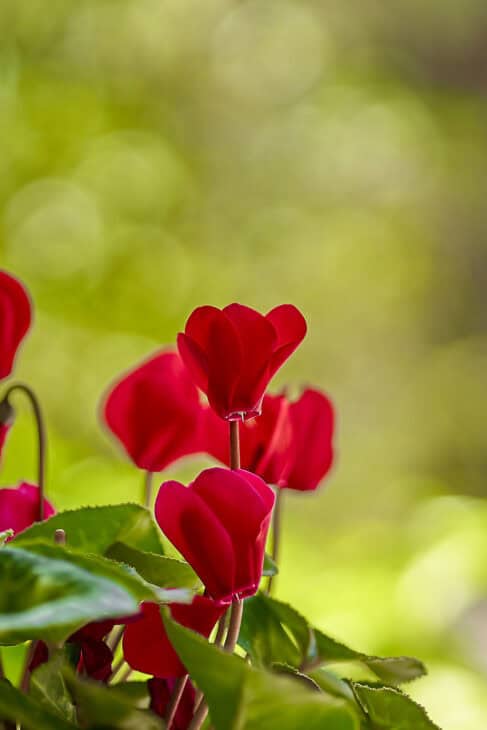
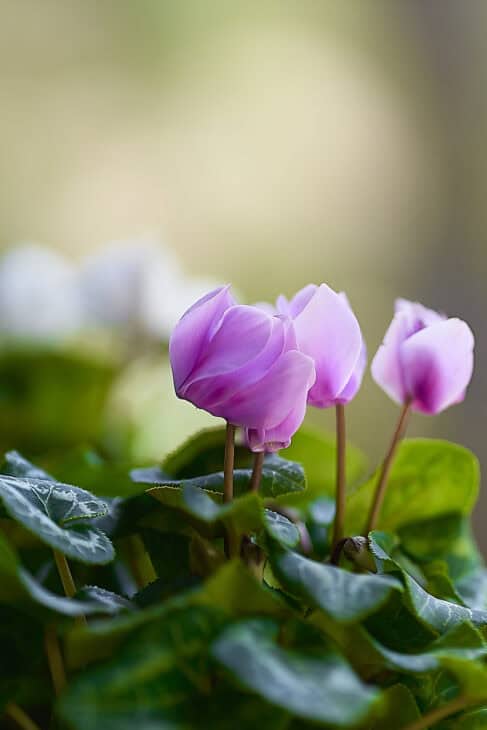
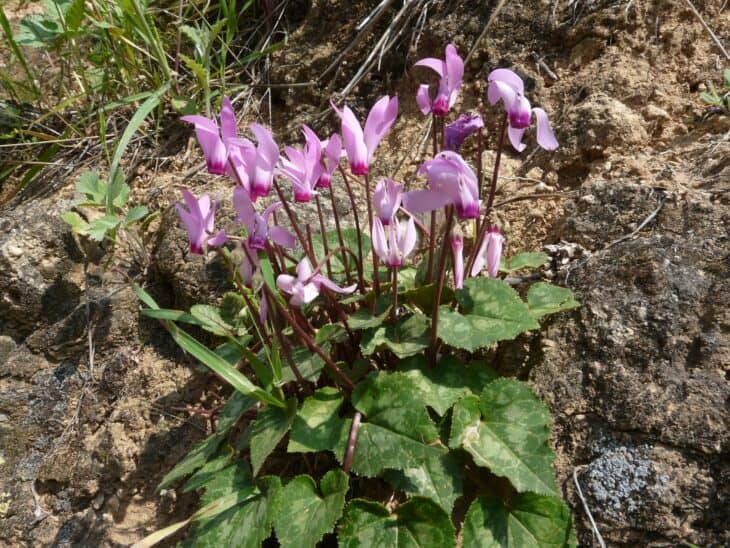
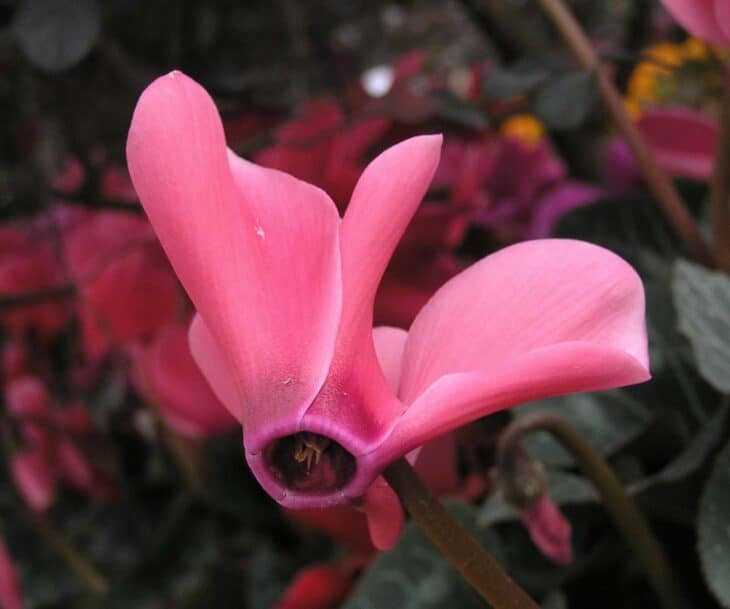
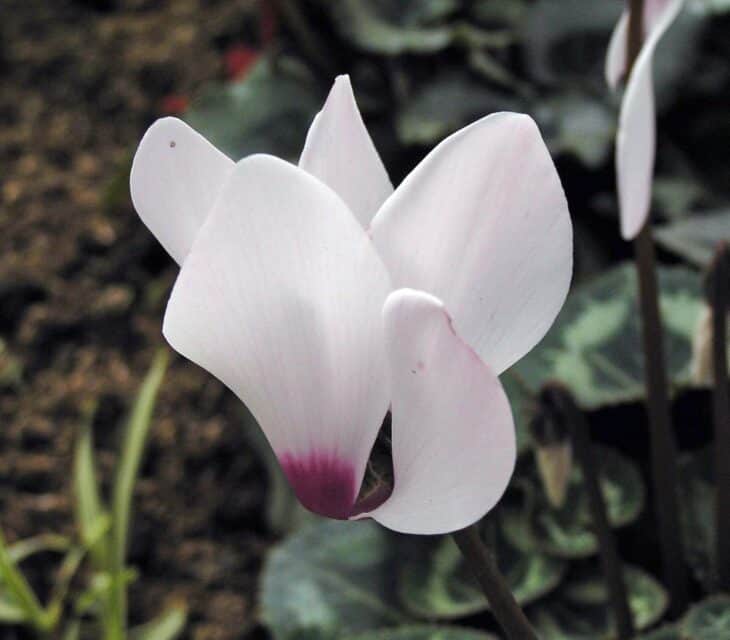
- Flowers appear on slender stalks above a rosette of patterned leaves.
- Typically blooms in the cooler part of the year rather than in summer.
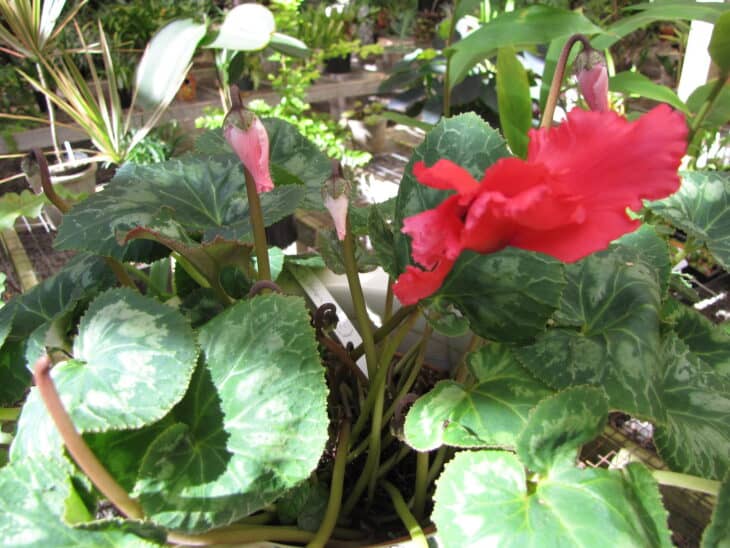
- Leaves are rounded to heart shaped and are often variegated.
- Prefers cool, bright conditions and consistent moisture without waterlogging.
- Propagation is by seed or by dividing tubers and offsets.
- Contains toxins especially in the tuber so ingestion can be harmful to pets and people.
Florist’s Cyclamen is a tuberous perennial grown mainly as an indoor flowering pot plant that produces slim-stemmed flowers above a rosette of patterned leaves. It blooms in the cooler part of the year and performs best in cool bright positions with a humus rich, free draining soil.
Identification
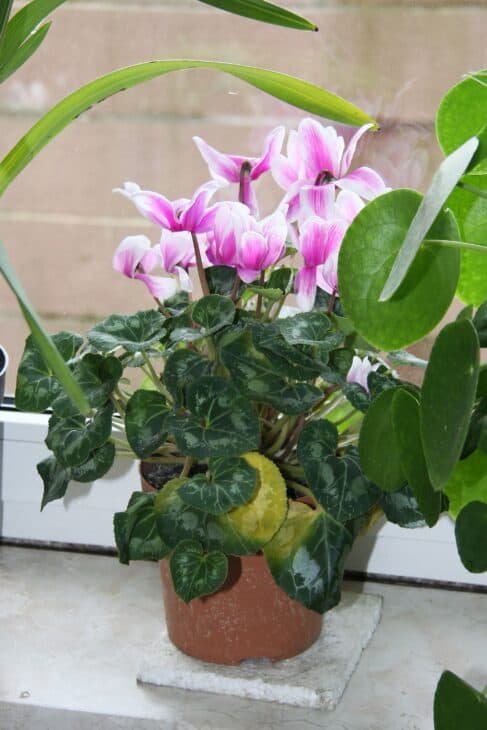
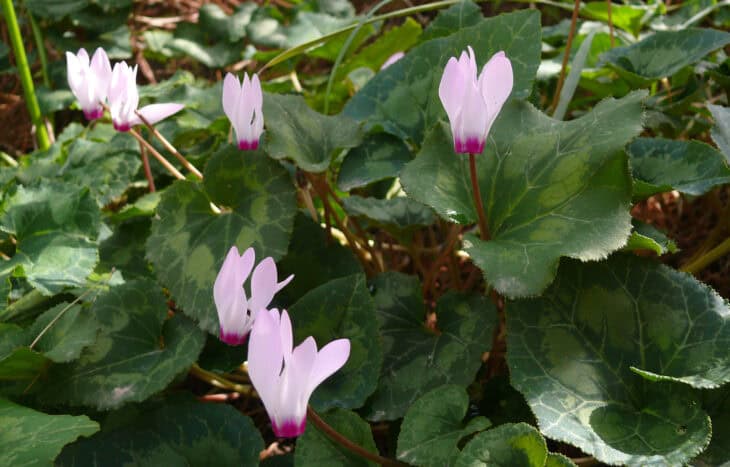
Flowers sit on slender stalks above a low rosette of rounded to heart shaped leaves that are often variegated. Typical florist cultivars reach about 4 to 10 inches tall to the top of the flowers and form a spread of roughly 6 to 12 inches across.
Where to grow and best uses
Sold and grown primarily as a winter flowering indoor pot plant, florist’s cyclamen is well suited to containers, windowsills and cool rooms. It can be grown outdoors only in very mild climates such as USDA zones 9 to 10 and should be treated as tender in colder areas.
Light and soil
Give bright indirect light and a cool location rather than hot direct sun. Use a fertile, humus rich, well drained potting mix with neutral to slightly alkaline pH. Poor drainage leads to tuber rot and plant loss.
Watering and common problems
Keep the soil consistently moist but never waterlogged. Waterlogged conditions cause tuber rot and collapse of the plant. Excess heat or strong direct sun shortens flowering and can scorch leaves.
Containers and forcing
Florist’s cyclamen is commonly sold in small pots for indoor display and can be grown in containers to produce blooms through autumn and winter. Use a free draining, humus rich mix and avoid pots that hold standing water.
After flowering and spread control
Many cultivars flower from autumn through spring, with exact timing varying by cultivar and climate. Plants form a low rosette and a modest spread; overcrowded tubers will reduce flowering, so thin or repot if growth becomes congested.
Propagation
Propagate by seed or by dividing tubers and offsets. Seed raised plants show genetic variation while division preserves the exact cultivar traits.
Toxicity
All parts are considered toxic if ingested, with the tuber being the most poisonous. Ingestion can cause vomiting and in severe cases affect heart rhythm in pets and people. Seek immediate veterinary or medical advice if ingestion occurs.
Frequently asked questions
- How fast does Florist’s Cyclamen grow?
- Growth is generally modest; mature flowering plants commonly reach 4 to 10 inches tall with a 6 to 12 inch spread. Speed depends on cultivar, light and temperature.
- Can I keep Florist’s Cyclamen outdoors?
- Only in very mild climates such as USDA zones 9 to 10. In colder zones grow it as a tender indoor pot plant or under cover.
- How often should I water it?
- Provide consistent moisture without letting the pot sit in water. Poor drainage and waterlogged soil lead to tuber rot and plant loss.
- Will it come back next year?
- As a tuberous perennial it can regrow from the tuber and persist season to season when kept in suitable cool, bright conditions and not exposed to freezing.
- Is Florist’s Cyclamen poisonous to pets?
- Yes. The tuber is especially dangerous. Contact a veterinarian or poison control if a pet ingests any part of the plant.
Gallery
Related Plants


Mentioned In (3)
Plants
24 Poisonous Plants in Alabama
There are dangers lurking in the world of toxic plants, even those that look harmless. Many plants contain poisons that…

Plants
21 Poisonous Plants in Maryland
When the warmer weather nears, many people may look forward to spending more time outdoors, which also includes natural landscapes…

Plants
24 Poisonous Plants in Florida
When we think about plants, we usually think about how magnificent and beautiful they are. They are a source of…