
Key Facts
- A hybrid between red maple and silver maple.
- Popular as a landscape tree for fall color and relatively fast growth.
- Many commercial cultivars exist such as Autumn Blaze and Celebration.
- Usually produces small, inconspicuous flowers in early spring.
- Adapts to a range of soils but prefers consistent moisture.
- Often propagated by grafting to preserve cultivar traits.
- Not widely listed as toxic but ingestion may cause mild stomach upset.
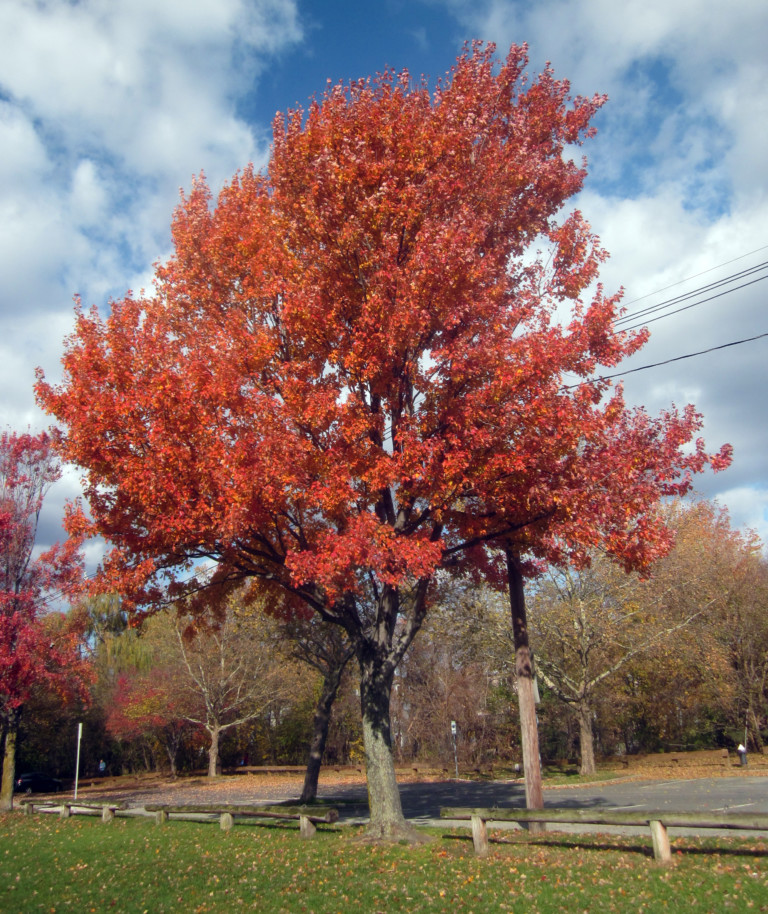
Freemanii Maple is a hybrid between red maple and silver maple valued in landscapes for bright fall color and relatively fast growth, with several commercial cultivars available. It combines the adaptability of its parents while requiring consistent moisture for best performance.
Identification
Acer × freemanii is a medium to large maple grown for its autumn foliage and upright, spreading crown. Flowers are small and usually appear in spring before or as leaves open. Many named cultivars such as Autumn Blaze and Celebration are sold to emphasize color and form rather than floral display.
Best uses and where to grow
Use Freemanii Maple as a specimen tree, street tree, or in larger yards where its 30 to 40 foot canopy fits. Reported hardiness is USDA zones 3 to 8 so it performs across a broad temperate range. Expect tradeoffs of faster growth with a need for regular moisture and possible stress in hot, dry summers.
Planting and spacing
Space trees to allow a mature canopy of roughly 30 to 40 feet so trunks are not crowded as they mature. Planting is typically done when soil is workable in spring or fall so roots can establish ahead of summer heat or winter cold. Avoid low spots with poor drainage when selecting the planting site.
Soil, light and watering
Freemanii prefers moist, well drained soils but tolerates loam to clay textures. Plant in full sun to part shade for best fall color. Prolonged drought reduces growth and dulls autumn color while poor drainage risks root decline, so supplement irrigation during dry spells and avoid standing water.
Maintenance and pruning
Prune to maintain a strong central leader and remove crossing or dead branches to reduce storm damage. Remove root suckers promptly to keep the grafted form true to type. Routine pruning and seasonal inspection help manage size and structure as cultivars vary in vigor and branching habit.
Propagation and cultivar notes
Named Freemanii cultivars are commonly propagated by grafting or budding to preserve their traits since seed does not breed true. Nurseries also use cuttings and rootstock techniques. Choose cultivars based on advertised mature height and form because size and vigor vary between selections.
Pests, disease and toxicity
Freemanii Maple is not widely listed as toxic but ingestion of plant material can cause mild gastrointestinal upset; confirm with local poison control for safety concerns. Trees can show winter dieback in very cold sites and stress symptoms in hot dry summers; monitor vigor and provide supplemental water when needed.
Frequently asked questions
- How fast does Freemanii Maple grow?
- It is relatively fast growing for a landscape maple, reaching large size within a number of years depending on soil and moisture.
- How large does it get?
- Mature trees commonly reach about 40 to 60 feet tall with a 30 to 40 foot spread, though cultivar and site affect ultimate size.
- What USDA zones are suitable?
- Freemanii Maple is reported hardy in zones 3 through 8, with performance varying by cultivar and local climate.
- Are Freemanii cultivars grafted?
- Yes. Most named cultivars are propagated by grafting or budding so the chosen variety remains true to type.
- Is it toxic to pets?
- Maples are not commonly listed as highly toxic but ingestion may cause mild stomach upset; check regional listings for specifics.
Gallery

Related Plants


Mentioned In (2)
Maple
4 Types of Maple Trees in Alberta
Are you looking to plant a Maple Tree in your garden? Well, you will be pleased to know that there…

Maple
42 Common Types of maple trees Growing in the USA (photos)
Maple trees are quite common in the United States, so regardless of which state you visit, it’s very likely you’ll…