
Key Facts
- A low growing, stoloniferous perennial herb used as a groundcover.
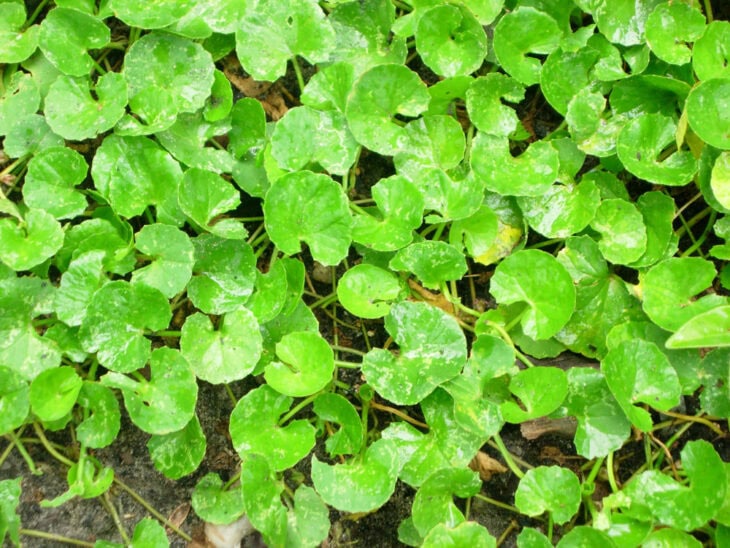
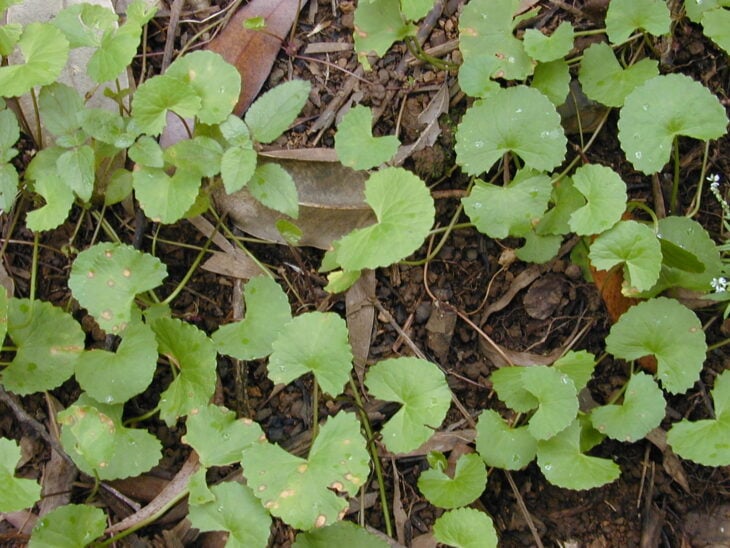
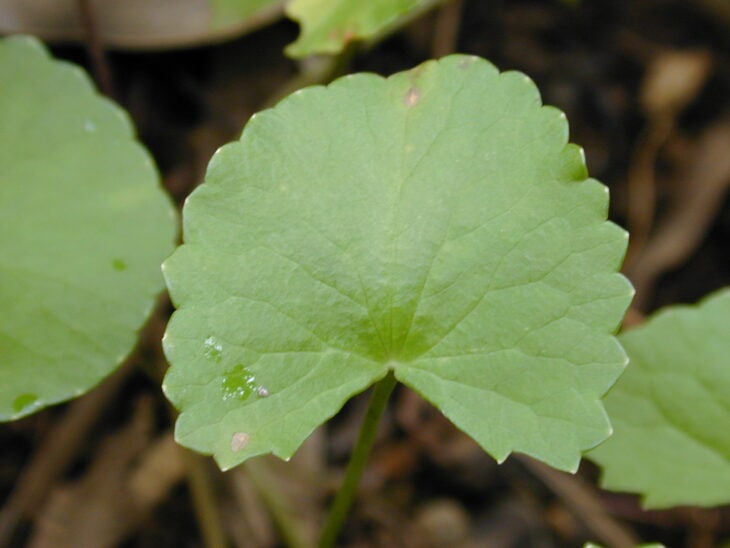
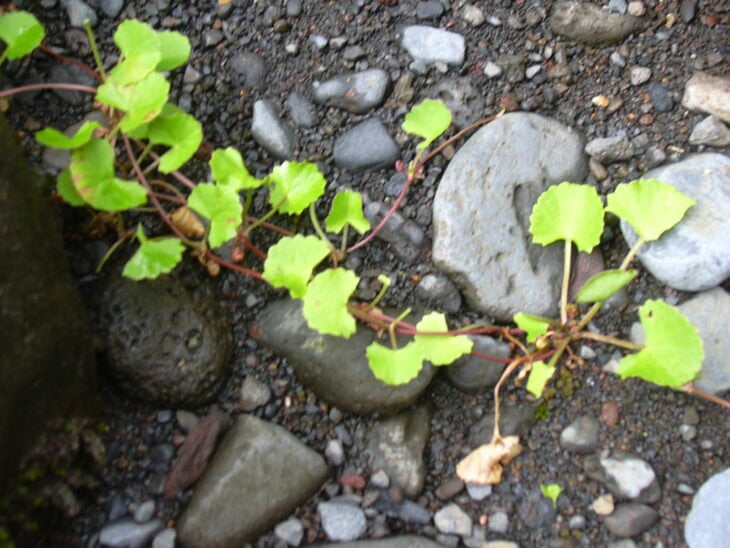
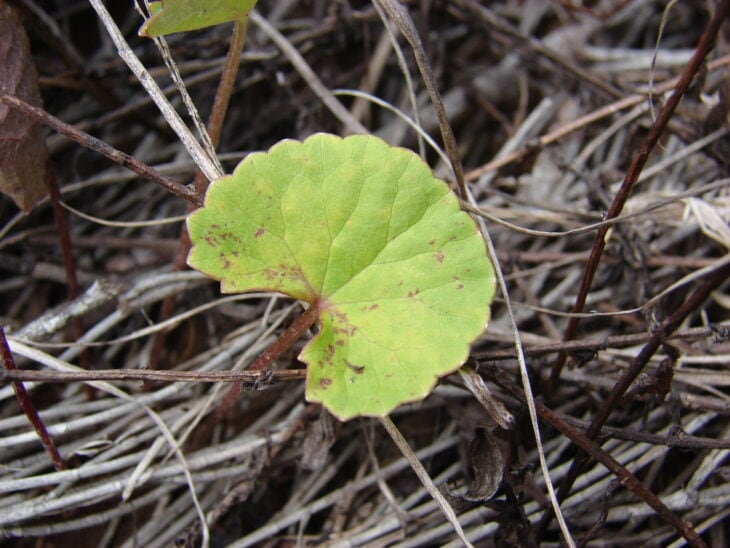
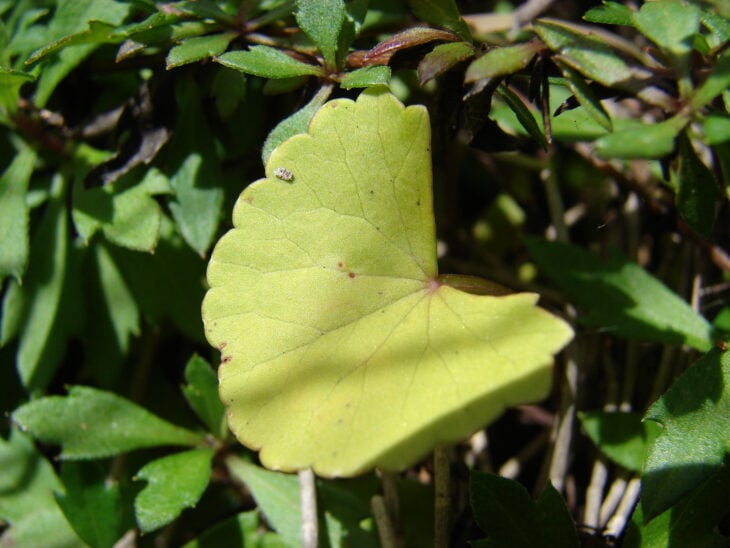
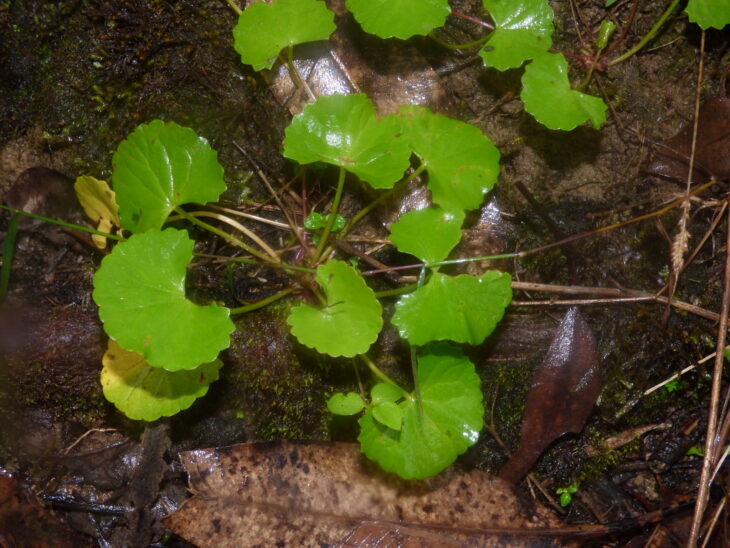
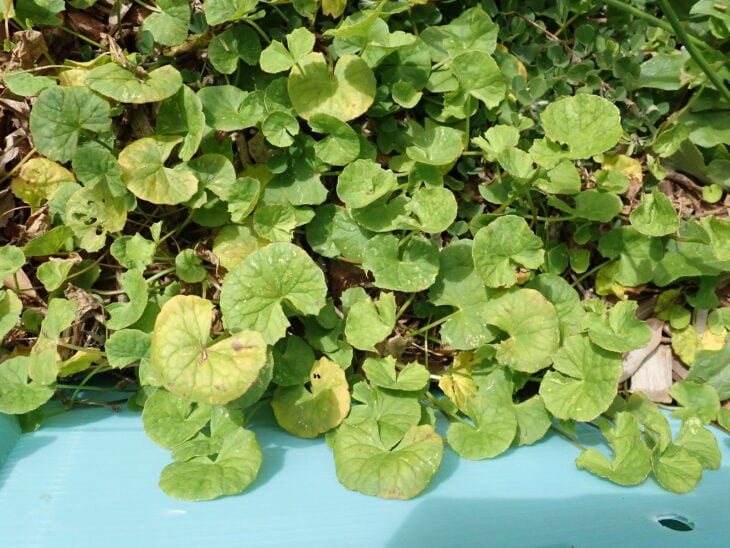
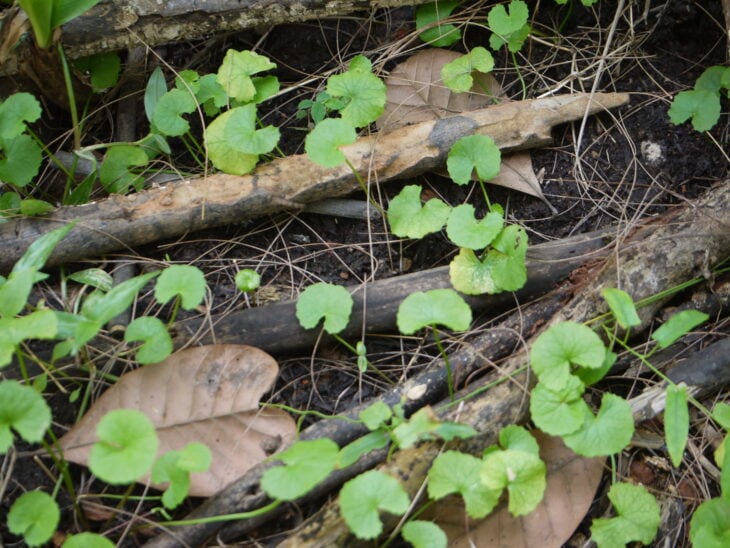
- Leaves are rounded with a long petiole and arise from creeping stems.
- Commonly used fresh in salads and as a traditional medicinal herb.
- Prefers consistently moist soils and tolerates seasonally wet sites.
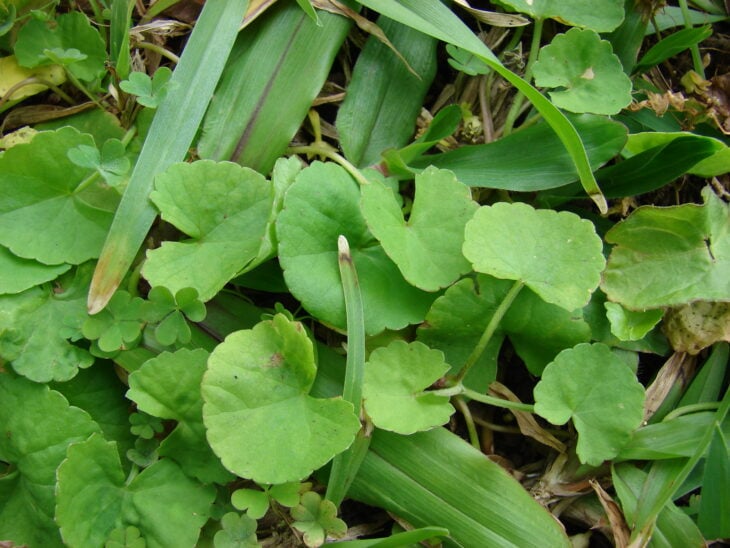
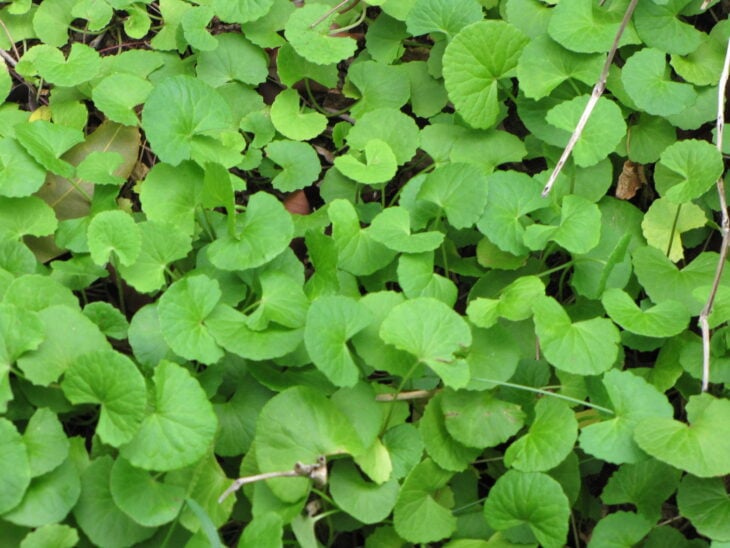
- Spreads by runners and can form dense mats if not contained.
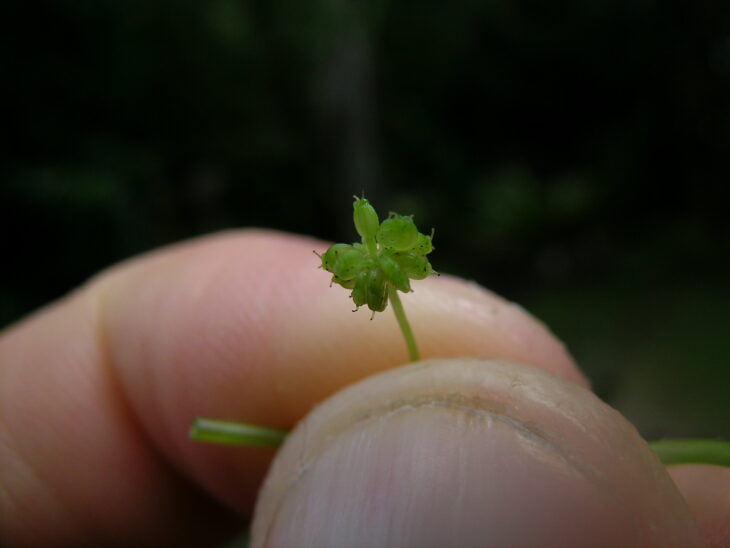
- Flowers are small and inconspicuous and not the main garden feature.
- Grows well in partial shade and in full sun if soil stays cool and moist.
Gotu Kola (Centella asiatica) is a low, stoloniferous herb valued for its edible rounded leaves and traditional medicinal uses. It forms dense mats by runners and works well as a moist-shade groundcover where its spread is welcome or controlled.
Identification
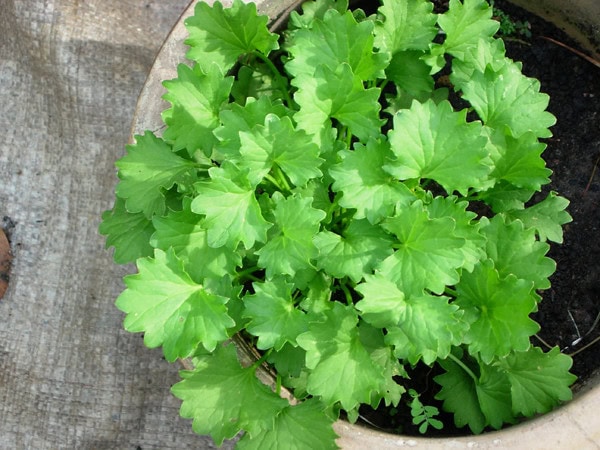
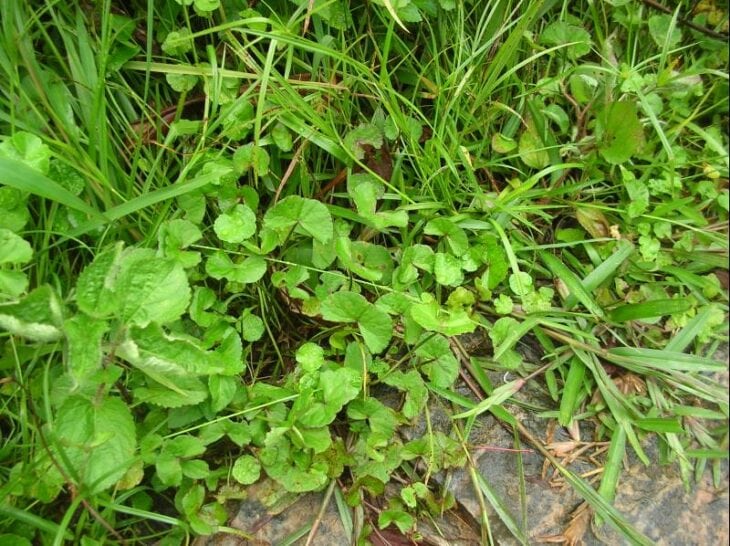
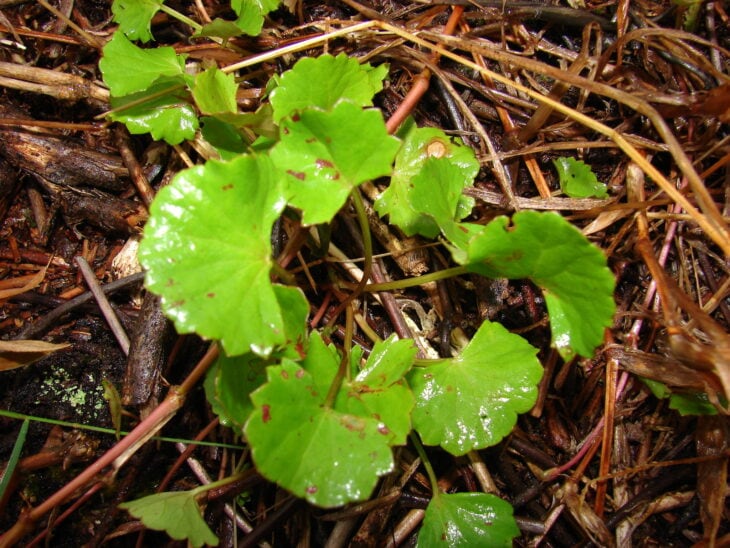
Leaves are rounded with a long petiole and arise singly from creeping stems that root at nodes. The plant stays very low to the ground, typically 2 to 6 inches tall, and produces small inconspicuous flowers that are not a main garden feature. The habit is a creeping mat formed by stolons.
Where to grow and best uses
Gotu Kola suits moist, shady beds, the edge of ponds, and containers that keep soil cool and damp. Use it as a living mulch or a salad green in edible landscapes. Avoid hot, dry sites where the foliage will thin and stolon growth slows or stops.
Planting and spacing
Plant divisions or rooted stolon pieces close to the soil surface and space plants to allow matting. Expect a typical spread of 12 to 24 inches over time, so allow room for runners or place plants 12 inches apart for faster coverage or 18 to 24 inches to reduce competition as mats develop.
Watering and soil
Provide rich, humusy soil that remains consistently moist to wet for best vigor. Inadequate moisture causes thinning and reduced spread, while seasonally wet sites are tolerated. In hot climates give afternoon shade to keep soil cool and prevent leaf scorch when sunlight is strong.
After flowering and seasonal care
Flowers are minor and require no special care. Cut back older mats in spring to renew growth and divide congested patches to maintain vigor. Removing excess runners reduces shading of companion plants and keeps the groundcover looking fresh and dense.
Containment and controlling spread
Gotu Kola spreads by runners and can form dense mats if unchecked. Use edging, containers, or regular division to confine growth and prevent it from overtaking nearby plantings. Frequent inspection and lifting stolons from unwanted areas stops naturalizing before it covers larger beds.
Propagation and container culture
Division and stem cuttings are the quickest methods; stolon pieces root readily and seed will establish plants more slowly. Containers work well to restrict runners and keep soil consistently moist. For faster establishment choose divisions in active growth rather than slow winter planting.
Frequently asked questions
- How fast does Gotu Kola grow?
- It spreads rapidly by runners under moist, warm conditions and can form a dense mat within a single growing season depending on site quality and care.
- Is Gotu Kola edible?
- Yes, the leaves are commonly eaten fresh in salads and cooked as a green, but medicinal supplements have reported adverse effects at high doses so follow trusted guidance for consumption.
- Will it survive drought?
- No, prolonged dry soil causes thinning and reduced spreading; consistent moisture is necessary for healthy growth and groundcover formation.
- Can I grow it in full sun?
- It tolerates full sun only where soil stays cool and consistently moist. Partial shade or morning sun with afternoon shade is safer in warm climates.
- How do I stop it from taking over my garden?
- Contain runners with pots or physical edging and divide or remove stolons that creep into unwanted areas. Regular maintenance prevents large-scale naturalizing.
Gallery
Related Plants


Mentioned In (1)

Plants
9 Plants That Look Like Lily Pads
Lily Pads are stunning water plants that paint a picturesque image of a lush and healthy pond or lake. When…